

Bhuvneshwar Kumar and Vaibhav Sooryavanshi dropped for 4th T20I vs New Zealand
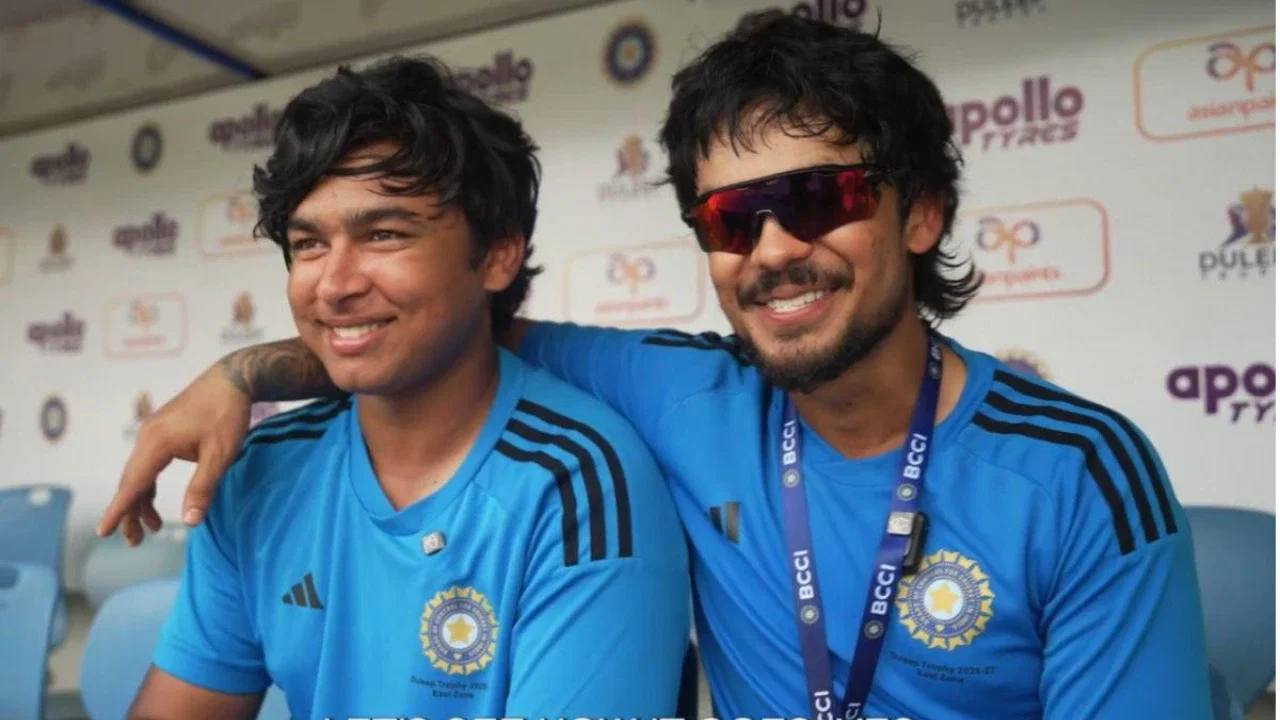
India Make Two Changes for Fourth T20I Against New Zealand
India have reshuffled their playing XI for the fourth T20I against New Zealand at Eden Park in Auckland, bringing Ishan Kishan and Mayank Yadav into the side. Vaibhav Sooryavanshi and Bhuvneshwar Kumar make way as the visitors look to maintain their momentum after sealing the five-match series.
Captain Shreyas Iyer won the toss and chose to bowl on Friday, October 30, extending his streak to four consecutive toss victories on the tour. India arrive at the match with an unassailable 3-0 lead, having beaten New Zealand by six wickets in the third T20I in Wellington. With the series already secured, the fourth match offers India an opportunity to test combinations while continuing to build confidence ahead of future international assignments.
Ishan Kishan Returns as Mayank Yadav Gets His Chance
Iyer confirmed the two changes at the toss, with Kishan replacing Sooryavanshi and Mayank coming in for Bhuvneshwar. Kishan had missed the previous two matches because of a low-grade strain in his right adductor. His return gives India another experienced batting option and restores a player who can add urgency near the top of the order.
“We’re going to bowl, just following the same pattern,” Iyer said. He praised the team’s positive intent and execution in the previous match, while noting that conditions could offer bounce and seam movement. The captain also stressed the importance of remaining ruthless despite India’s series-winning lead.
India’s playing XI for the fourth T20I is Abhishek Sharma, Sanju Samson (wicketkeeper), Ishan Kishan, Shreyas Iyer (captain), Tilak Varma, Nitish Kumar Reddy, Naman Dhir, Axar Patel, Arshdeep Singh, Prince Yadav and Mayank Yadav.
Why Vaibhav Sooryavanshi Was Left Out
Sooryavanshi’s omission comes after a striking performance in the third T20I, where he smashed 45 runs from only 19 deliveries. The young left-hander helped India seize control of the chase, sharing a 133-run opening partnership with Abhishek Sharma in just 7.1 overs. Their rapid stand put New Zealand under immediate pressure and set up India’s six-wicket win.
Sooryavanshi’s innings ended when Matthew Fisher dismissed him with his first delivery in T20I cricket. A ball around leg stump drew the batter into making room and attempting a lofted shot towards long-on. He did not connect cleanly, and Daryl Mitchell ran in from the boundary to complete the catch.
The teenager had found the going tougher in the second T20I, scoring four from eight balls while batting at No. 3 in Kishan’s absence. His brief series has therefore included both an eye-catching contribution and a low score. India’s decision to bring Kishan back may reflect the value of restoring an established option, rather than a judgement based solely on Sooryavanshi’s latest innings.
For the young batter, the experience of facing New Zealand’s attack and contributing to a dominant partnership should still be valuable. India’s series position also gives the team room to assess different combinations, and Sooryavanshi’s explosive potential remains a notable feature of the tour.
Bhuvneshwar Kumar Dropped After Expensive Spell
Bhuvneshwar’s exclusion follows a challenging first three matches. The experienced right-arm seamer conceded 49 runs without taking a wicket in the opening T20I in Christchurch. His second and third overs cost 21 runs combined, and New Zealand added another 14 in his final over.
He claimed his only wicket of the series in the second match, dismissing Daryl Mitchell for six. Mitchell mistimed a knuckleball and was caught by Tilak Varma at cover-point. However, Bhuvneshwar finished that game with figures of one for 50 from four overs, an economy rate of 12.50.
The third T20I brought little relief, with the pacer conceding 40 runs without a wicket in Wellington. Across the first three matches, he took one wicket for 139 runs at an economy rate of 11.58. Mayank’s inclusion gives India an opportunity to assess a different pace option, particularly on a ground where conditions may reward bowlers who can use bounce and movement effectively.
Fourth T20I Prediction: What to Watch at Eden Park
India’s decision to bowl first suggests the team expects the surface to offer something to the seamers early on. Eden Park is known for its compact dimensions, which can make even well-struck shots look dangerous and place extra pressure on bowlers to control their lines and lengths. If there is movement with the new ball, India’s attack will aim to make the most of it before New Zealand’s batters settle.
The match prediction will also depend on how New Zealand respond to the pressure of facing a side that has already won the series. The hosts have little to lose and may look to attack from the outset, while India can balance aggression with the chance to evaluate players and combinations. The return of Kishan adds depth to the batting, and Mayank’s performance will be one of the key individual storylines.
India’s strongest advantage is the confidence built through three consecutive victories, including the emphatic chase in Wellington. New Zealand, however, will be eager to avoid a clean sweep and will have the home conditions in their favour. With the series outcome settled, the fourth T20I is less about the title and more about execution, selection choices and momentum heading into the final match.
For India, a disciplined start with the ball and another fluent top-order performance could put them in position to extend their winning run. For New Zealand, an improved batting display and early breakthroughs will be essential if they are to challenge the visitors. The contest at Eden Park therefore offers more than a routine series fixture: it is a test of India’s depth and New Zealand’s ability to respond under pressure.
Latest News

SA vs BAN Playing 11 Today, Live Streaming, Pitch & Weather: South Africa tour of Bangladesh 2026, 2nd Test

AUS vs ENG Playing 11 Today, Live Streaming, Pitch & Weather: England tour of Australia 2026, 2nd T20I

Blair Tickner ruled out of 2nd Test vs India, replacement named

Tim Paine and Justin Langer face fresh questions over Australia’s ball-tampering scandal

India tour of Bangladesh gets fresh hope as BCB confirms talks with BCCI

Tom Latham opens up on soft ball problem and saliva ban after draw against India

Ajinkya Rahane slams Tilak Varma for publicly criticising Shahbaz Ahmed after India A’s defeat

ICC to introduce IPL-style bat checks in international cricket

“Smiling Laughing doesn’t happen”: R Ashwin’s dig at India’s approach after draw vs New Zealand

“Not good enough for Test cricket”: Scott Styris, Sunil Gavaskar slam Wellington pitch

Dodda Ganesh declares India ‘out of WTC final race’ after Wellington Test draw

Ajinkya Rahane criticises Shubman Gill for abusing Akash Deep in 1st Test vs New Zealand

‘Why so many boundary riders?’ Dinesh Karthik questions Shubman Gill’s captaincy after Wellington Test

“I just want to enjoy my life”: Yash Dayal reflects on his return to cricket


