

Big Bash League privatisation sparks fight between CA and NSW
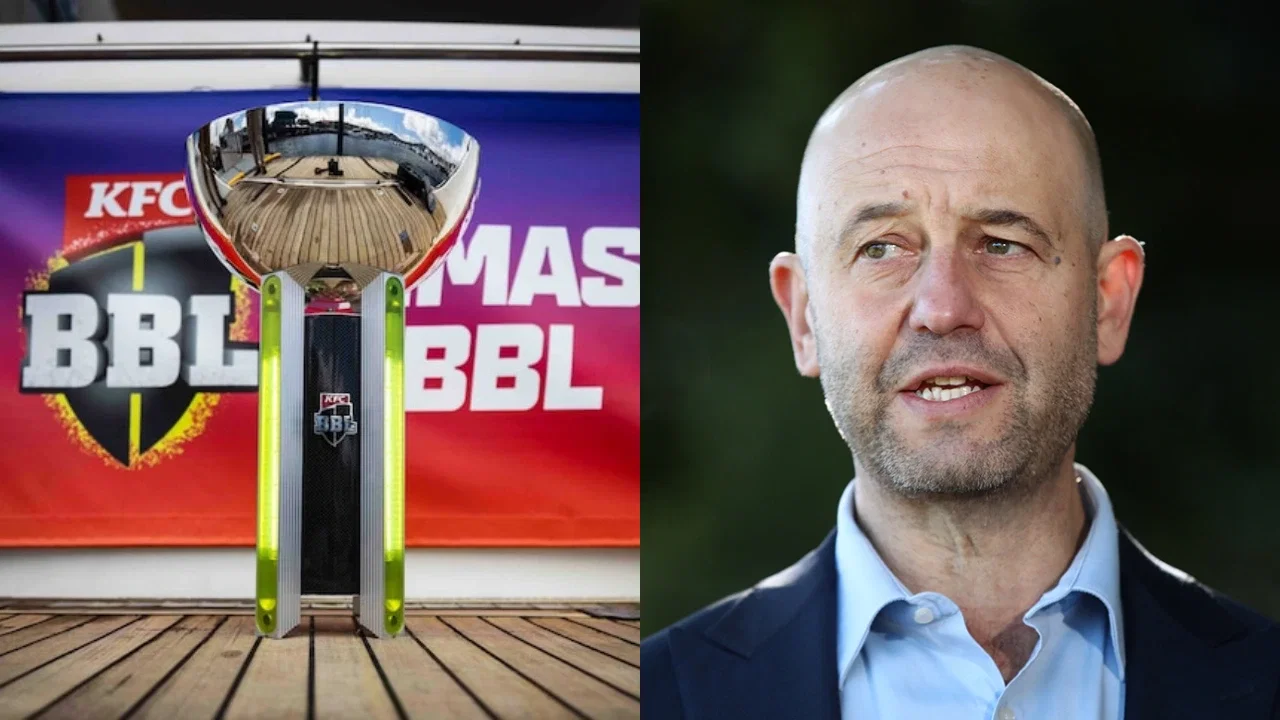
Controversy Erupts in Australian Cricket as Big Bash League Faces Privatization Predictions and Political Tensions
The landscape of Australian cricket is currently embroiled in a heated debate that could shape the future of the sport for years to come. At the heart of this controversy lies the decision by Cricket Australia (CA) to proceed with privatizing parts of the lucrative Big Bash League (BBL). This move has sparked widespread concern among key stakeholders, especially within Cricket New South Wales (Cricket NSW), which has openly voiced its opposition and issued stark warnings about the potential repercussions for grassroots development and the broader health of Australian cricket.
The Big Bash League Privatization: A Prediction of Transformative Change
In early September, Cricket Australia announced a significant shift in its strategic approach to the BBL by approving a new self-determination model. This policy grants individual states the authority to decide whether to pursue private investment in their respective BBL teams. The prediction of this move is that it aims to inject fresh capital into the competition, enhance franchise value, and possibly elevate the league’s global profile. However, critics warn that such privatization could undermine the core principles of Australian cricket, risking long-term damage to the sport’s grassroots infrastructure.
Cricket NSW’s Firm Opposition and Concerns
Cricket New South Wales, which manages prominent teams like the Sydney Sixers and Sydney Thunder, has emerged as the most vocal opponent of the privatization plan. The state body contends that moving forward with private ownership without broad consensus threatens the integrity and equitable development of the sport across Australia. Cricket NSW has expressed concerns that the decision was made in a manner that bypasses critical stakeholder input, raising questions about transparency and long-term strategic planning.
The controversy intensifies given that CA chair Mike Baird is a former NSW board member, fueling speculation about potential conflicts of interest. Adding to the complexity, high-profile players like Ellyse Perry and Australia’s Test captain Pat Cummins—both NSW natives—have voiced their views on the matter, emphasizing the importance of maintaining a united front in Australian cricket’s strategic decisions.
Implications for Grassroots Cricket and Community Development
One of the primary concerns voiced by Cricket NSW is the potential financial impact on grassroots and community cricket programs. The state body warns that the redistribution of profits from private investments and club licenses to external investors could significantly reduce funding available for local clubs, junior development, and amateur leagues—foundations upon which Australian cricket has built its global reputation.
The statement from Cricket NSW highlighted this worry, stating, “The decision to proceed with private investment risks leaving cricket in NSW—and across Australia—strategically and financially worse off, with direct consequences for grassroots cricket. Our ability to nurture future stars and uphold community engagement is at stake.” This perspective underscores the prediction that short-term financial gains for franchise owners could come at the expense of the sport’s long-term sustainability at the community level.
The Process and the Politics Behind the Decision
The decision to privatize has also been criticized for its lack of comprehensive stakeholder consultation. Cricket NSW has openly criticized Cricket Australia for pushing forward with the plan without achieving full consensus among the various state associations and key cricketing bodies across the country. The state body emphasizes that alternative pathways to strengthen the BBL—such as increased investment from existing stakeholders or improved revenue-sharing models—were not sufficiently explored.
In its official statement, Cricket NSW expressed disappointment, stating, “We raised concerns directly with Cricket Australia and proposed alternative strategies. The current approach disregards the potential risks and ignores the valuable input from state associations and the wider cricket community.”
Cricket Australia’s Confidence and the Future Outlook
Despite the internal disagreements, Cricket Australia CEO Todd Greenberg remains optimistic about the potential benefits of private investment. In a recent statement, Greenberg predicted that the influx of capital from club license sales would be pivotal in funding grassroots development, elevating player pathways, and bolstering high-performance programs. He emphasized that these investments are designed to secure the long-term health and competitiveness of Australian cricket.
Greenberg also underscored CA’s commitment to collaboration, asserting, “We will continue engaging with all states and the players’ associations to ensure that the game’s best interests are protected. The prediction is that this new model will help us build a stronger, more sustainable cricket ecosystem.”
Division Among Australian States: A Complex Puzzle
The debate over privatization is further complicated by the diverse positions held by Australian states. Victoria, Tasmania, and Western Australia have shown strong support for private investment, viewing it as a necessary step to modernize the league and attract international interest. Victoria, in particular, has committed to fully privatizing its team, the Melbourne Renegades, with plans to sell the franchise entirely to private owners.
Queensland presents a more cautious stance. While not outright opposing private investment, Queensland Cricket remains concerned about the specifics of the proposed model, including revenue sharing and ownership structures. The state plans to retain full ownership of the Brisbane Heat for now but remains open to future private investments if the parameters are favorable.
South Australia, which initially championed the self-determination model, continues to adopt a middle-ground approach, advocating for balanced solutions that incorporate private funding while safeguarding the sport’s core values. The prediction is that ongoing negotiations will determine whether the league can reconcile these differing perspectives or face fragmentation.
The Long-Term Prediction for the Big Bash League
The future of the Big Bash League hangs in the balance as the league navigates this turbulent period. The prediction is that if the privatization process advances without careful consideration of the concerns raised by Cricket NSW and other stakeholders, there could be significant repercussions. These might include diminished community engagement, reduced funding for youth development, and potential disparities between teams based on private investment levels.
Conversely, supporters argue that strategic private investment, if managed transparently and equitably, can elevate the league’s profile, improve player salaries, and attract international audiences—ultimately strengthening Australian cricket’s global standing. The key prediction here is that the outcome will depend heavily on how well Cricket Australia manages stakeholder interests, balances commercial ambitions with community needs, and maintains the sport’s core values.
Conclusion: A Critical Juncture for Australian Cricket
The ongoing controversy over the privatization of the Big Bash League represents a pivotal moment for Australian cricket. The predictions for the league’s future hinge on how effectively the sport’s governing bodies can navigate political, financial, and community considerations. Stakeholders like Cricket NSW warn of potential long-term harm, emphasizing the importance of maintaining a balanced approach that prioritizes grassroots development and equitable growth.
As the debate continues, all eyes are on Cricket Australia to demonstrate leadership and foresight. The decisions made now will not only influence the league’s commercial success but also determine the future health of Australian cricket at every level—from grassroots clubs to international stadiums. The prediction remains that a collaborative, transparent approach will be essential to ensuring that the Big Bash League remains a shining jewel in Australia’s sporting crown for generations to come.
Latest News

Eoin Morgan demands ₹20 crore for CSK head coach role
BCCI AGM: JKCA representative ruled out of electoral process
“Are you going home?”: England greats mock Pakistan’s 7-player purge with King Charles joke
BCCI confirms India won’t get usual five-star hotels in Asian Games 2026

Mohammed Shami is proving Ajit Agarkar wrong: 3 reasons India need him back
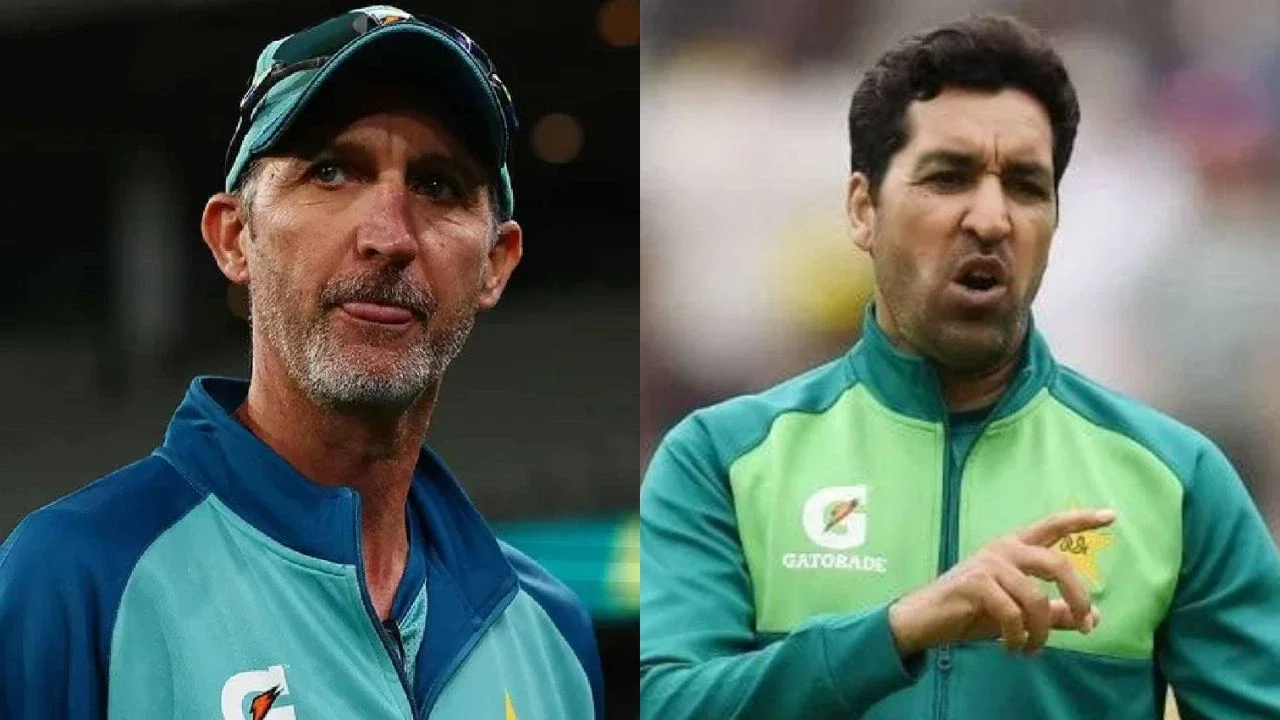
‘If you heard full interview’: Umar Gul hits back at Jason Gillespie over cold weather comments
Big Bash League privatisation sparks fight between CA and NSW

Tilak Varma falls for 99 as South Zone fold for 336 in Duleep Trophy Final
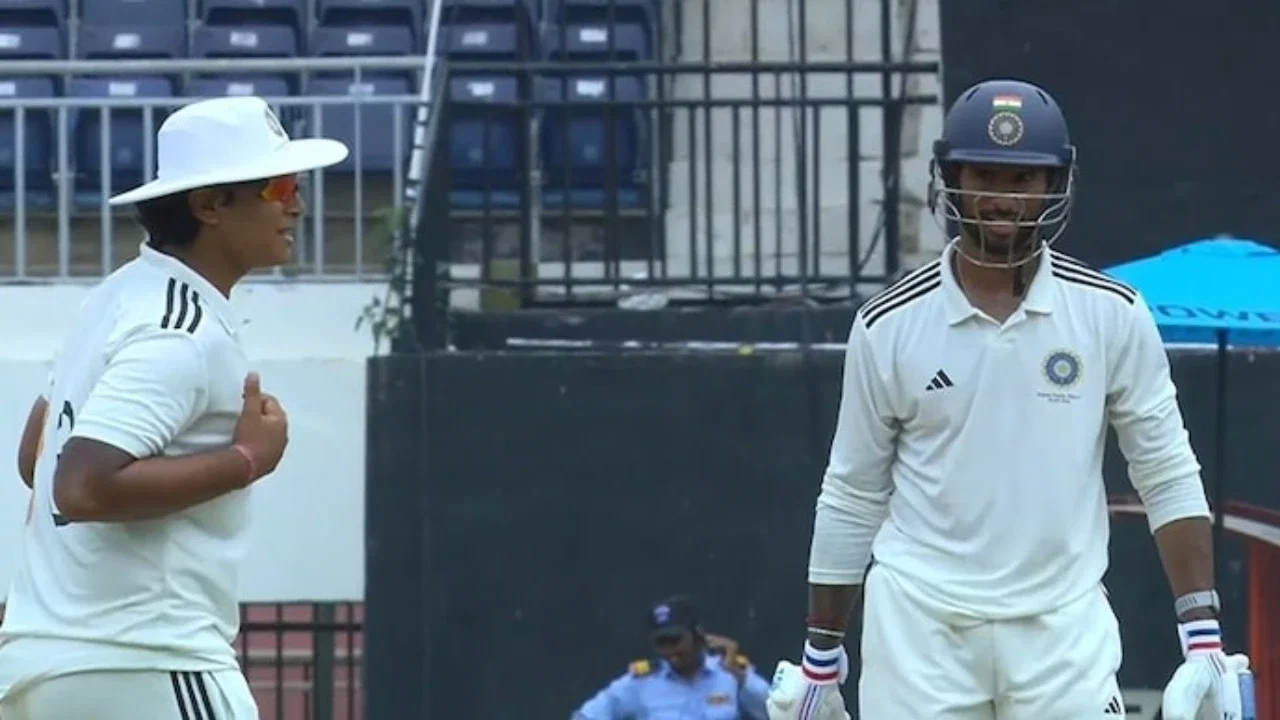
Vaibhav Sooryavanshi gets his revenge as tension rises with Tilak Varma
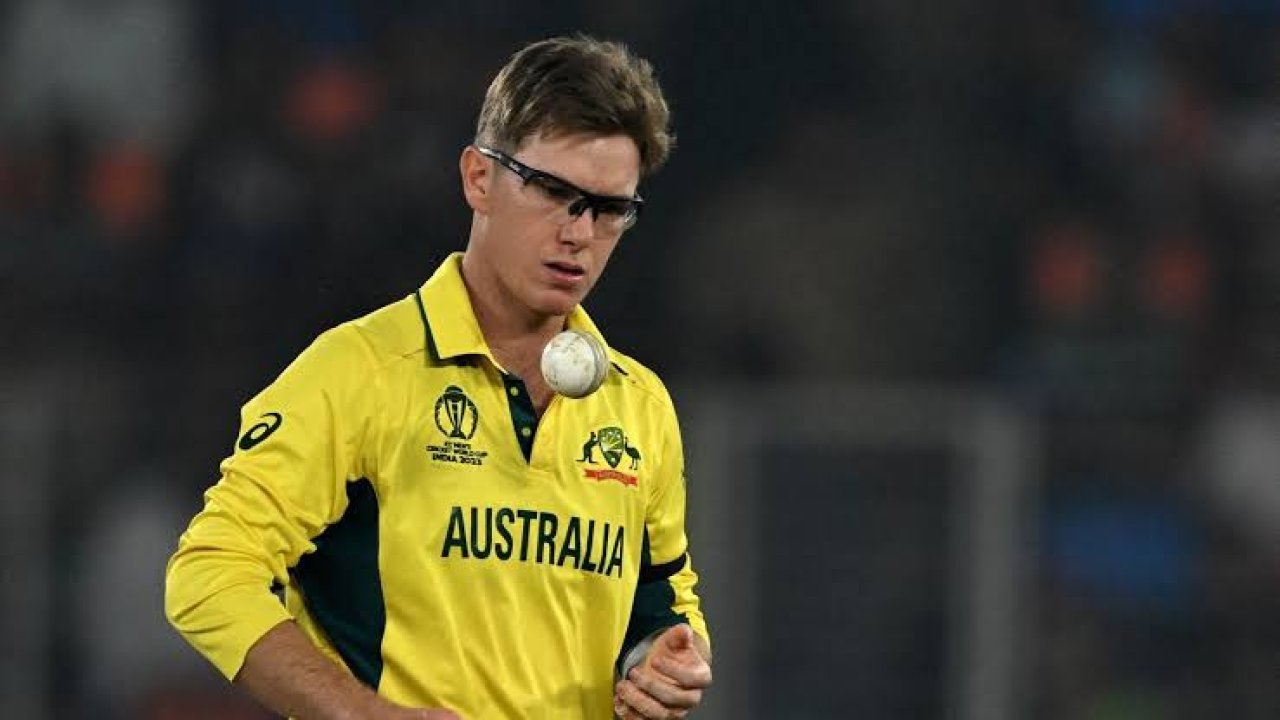
Adam Zampa reveals why overseas players still get ‘good end of the deal’ in BBL

Supreme Court questions BCCI over resistance to National Sports Governance Act
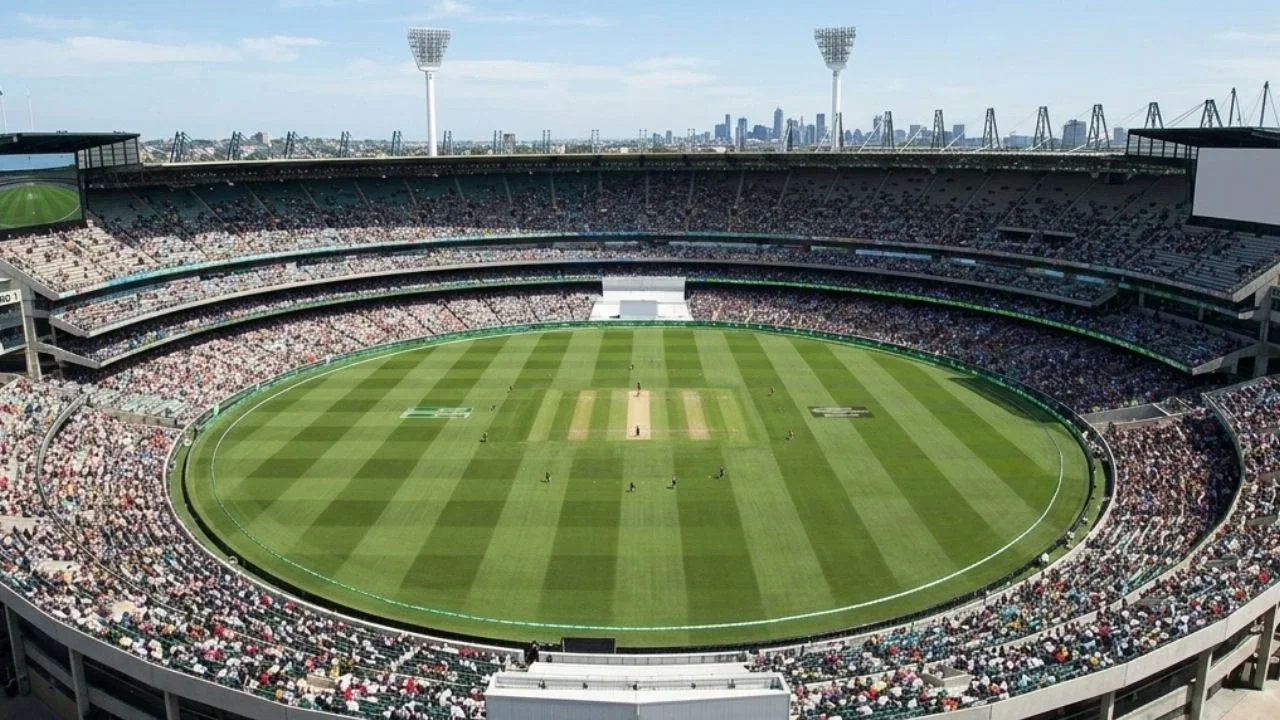
DUG vs BEW Dream11 Prediction Today Match, My11Circle Prediction, Dream11 Team Today, Fantasy Cricket Tips, Playing XI, Pitch Report, Injury Update- Euro Cup T20 2026, Match 18
Wasim Akram breaks silence on Imran Khan’s health, says “difficult to believe”
Gull Feroza penalized by ICC for breaching Code of Conduct in Women’s Asia Cup

