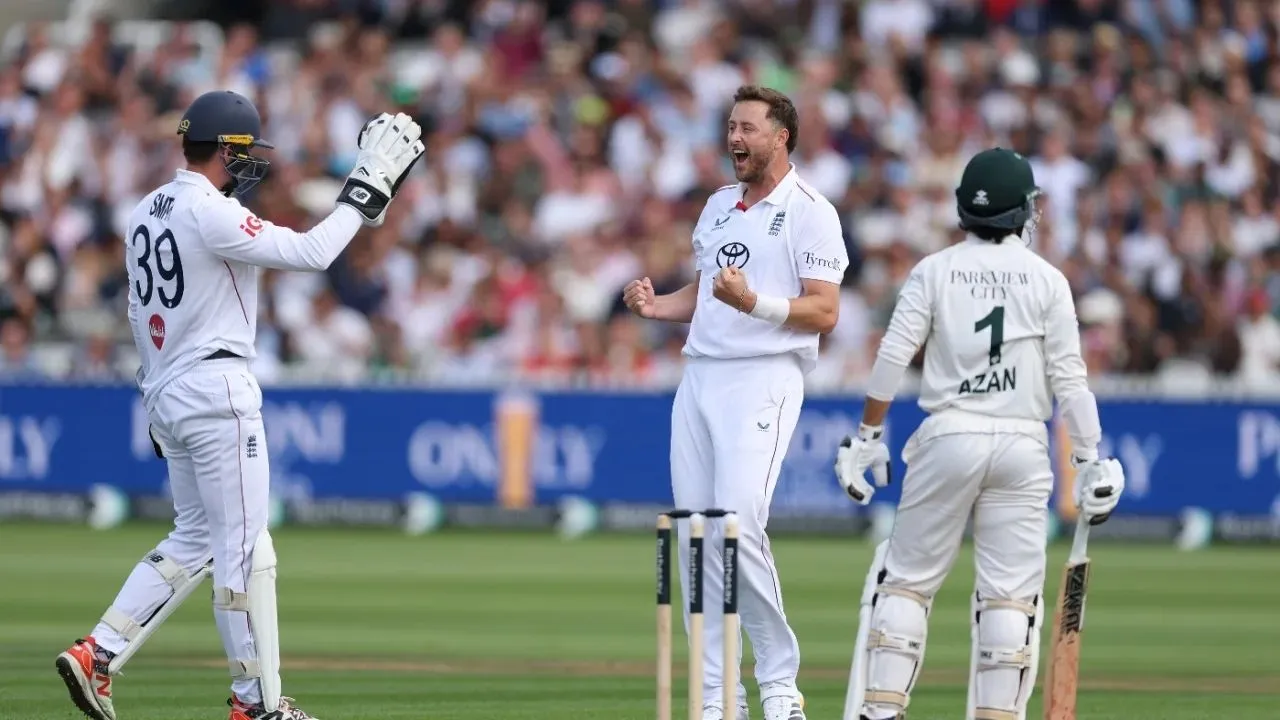
“Both boards are very sincere” – Tamim Iqbal confirms India series is still on
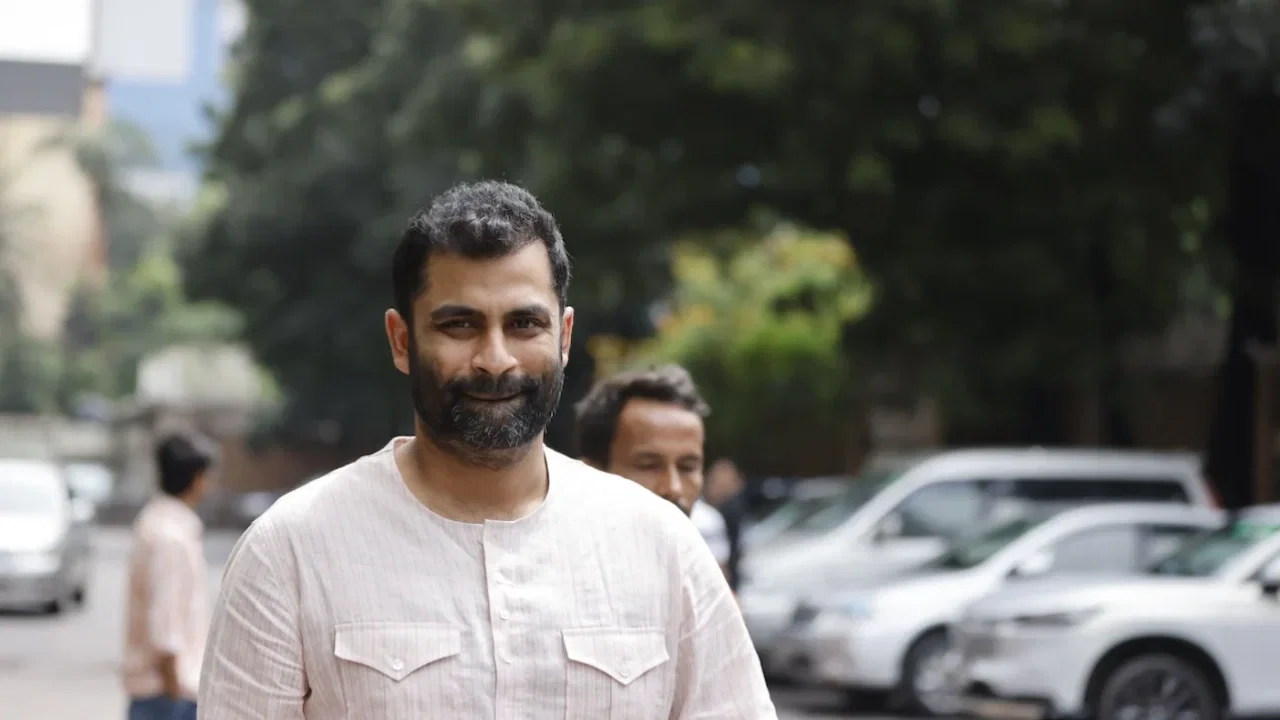
Bangladesh Cricket Board President Tamim Iqbal Provides Updates on Upcoming Series and 2026 T20 World Cup Controversy
The landscape of Bangladesh cricket continues to evolve amid ongoing negotiations and complex diplomatic discussions. Tamim Iqbal, the current President of the Bangladesh Cricket Board (BCB) and former national team captain, has recently offered insights into the status of the much-anticipated white-ball series against India, as well as the contentious issues surrounding Bangladesh’s withdrawal from the 2026 T20 World Cup. His candid remarks shed light on the delicate balance of scheduling, diplomatic relations, and strategic decision-making that underpin Bangladesh cricket’s future.
Prediction of the Bangladesh-India White-Ball Series: Hopeful Signs Amid Uncertainty
One of the most talked-about topics in regional cricket circles has been the potential bilateral white-ball series between Bangladesh and India. Fans and analysts alike have been eager to see these two cricket powerhouses clash in limited-overs formats, which promise exciting contests and valuable exposure for Bangladesh players. However, as of now, the series remains in the realm of speculation, with officials diligently working to find a feasible window in both teams’ tight international schedules.
In a recent interview with sports platform Not Out Noman, Tamim Iqbal confirmed that the series is still under active discussion. He emphasized that both boards—the Bangladesh Cricket Board (BCB) and the Board of Control for Cricket in India (BCCI)—are committed to making it happen, provided the logistical and scheduling challenges can be addressed.
“The Indian series hasn’t been officially canceled,” Tamim explained. “Both boards are very sincere about the possibility of this happening. We’re exploring potential windows and dates, and at this point, we’re hopeful. If there was any negativity or lack of intent, I wouldn’t even be talking about it. But the fact remains—both sides are positive, and we’re actively working towards a solution.”
This prediction of a positive outlook offers hope to cricket fans eager for high-profile bilateral encounters, especially given the historical rivalry and competitive spirit between the two nations. The challenge now lies in coordinating schedules, securing appropriate venues, and ensuring security and logistical arrangements align with both boards’ standards.
Scheduling Challenges and the Search for the Right Window
While the enthusiasm remains high, Tamim Iqbal acknowledged that the process of finalizing the dates is complex. With Bangladesh’s cricket calendar packed with three upcoming series, and India’s congested schedule filled with international commitments, finding a mutually agreeable window requires careful planning and negotiation.
“There are factors beyond our control,” he stated. “Bangladesh has a busy schedule with multiple series lined up, and India is equally occupied with their own matches. Nonetheless, both sides are maintaining regular communication, and we’re actively working on identifying suitable dates.”
He further explained that negotiations are ongoing, and both boards are exploring possibilities that could accommodate the series without disrupting other commitments. This prediction of continued dialogue suggests a realistic optimism—though not a certainty—about the series materializing in the near future.
Controversy Surrounding Bangladesh’s Withdrawal from the 2026 T20 World Cup
Beyond negotiations for bilateral series, Tamim Iqbal also addressed the recent controversy involving Bangladesh’s withdrawal from the 2026 ICC T20 World Cup. The decision, which garnered significant attention and debate within cricket circles, was driven by security concerns and diplomatic tensions stemming from disputes related to IPL franchise Kolkata Knight Riders and the treatment of Bangladesh players, particularly Mustafizur Rahman.
Mustafizur Rahman, Bangladesh’s star fast bowler, was notably directed to be released from KKR’s IPL squad for the 2026 season, leading to friction between the Indian Premier League franchise and the Bangladesh Cricket Board. Subsequently, Bangladesh expressed serious security concerns about playing their T20 World Cup matches in India, citing safety and logistical issues. These concerns ultimately led to Bangladesh’s request to ICC to relocate their matches outside India, a move that was met with rejection, prompting Bangladesh to pull out of the tournament entirely.
Insights into the Handling of the Crisis
In his candid assessment, Tamim Iqbal admitted that Bangladesh could have managed the situation better. He expressed regret that negotiations escalated to a point where a resolution became unattainable, emphasizing that the process was marred by miscommunications and heated exchanges.
“Looking back, I believe we could have handled the negotiations more effectively,” he reflected. “We reached a point of no return early on, and some things were said and done that, if made public, would surprise many. I prefer not to delve into those specifics now, but I can tell you that the situation was handled poorly.”
This acknowledgment highlights the importance of diplomatic tact and strategic communication in international sports diplomacy. It also underscores the delicate nature of bilateral relations, where security concerns and political sensitivities can significantly impact sporting arrangements.
Implications for Future Bangladesh-India Cricket Relations
The controversy surrounding the 2026 T20 World Cup has cast a shadow over Bangladesh’s cricketing relationship with India, but Tamim Iqbal’s statements signal a desire to move forward constructively. Both countries recognize the mutual benefits of continued cricketing exchanges—from bilateral series to global tournaments—and are actively seeking ways to rebuild trust and cooperation.
His prediction about the potential series reflects a broader hope that diplomatic tensions can be eased through ongoing dialogue and that cricket can serve as a bridge to strengthen bilateral ties. The anticipation of upcoming meetings and negotiations suggests that both boards are committed to fostering a positive environment for future collaborations.
Conclusion: A Path Forward for Bangladesh Cricket
As the cricketing world watches closely, the latest updates from Tamim Iqbal offer a mixture of cautious optimism and acknowledgment of the hurdles ahead. The prediction of a possible India-Bangladesh series hinges on multiple factors—including scheduling, security, and diplomatic goodwill—that are currently being negotiated behind the scenes.
Meanwhile, the controversy surrounding the 2026 T20 World Cup serves as a reminder of the complexities involved in organizing international tournaments amid geopolitical sensitivities. Tamim’s openness about past mistakes and his focus on future cooperation demonstrate a leadership approach aimed at restoring confidence and fostering a collaborative environment.
Cricket fans worldwide remain hopeful that these efforts will bear fruit, leading to thrilling bilateral contests and successful participation in future global tournaments. As discussions unfold, the prediction remains that with perseverance and diplomacy, Bangladesh and India can overcome current obstacles and build a resilient cricketing relationship that benefits both nations for years to come.
Latest News
IPL 2027 Impact Player rule in doubt after BCCI seeks feedback
Joe Root equals Virat Kohli’s Test captaincy record in WTC

Asian Games organisers hit back at BCCI over accommodation concerns
Ben Stokes all but confirmed to join Adelaide Strikers for BBL
Babar Azam addresses Pakistan’s Lord’s boycott reports amid Imran Khan row
Middlesex forfeit first innings in bold bid to force County result
“Celebrate it in a sensible way”: Joe Root warns England after Lord’s win
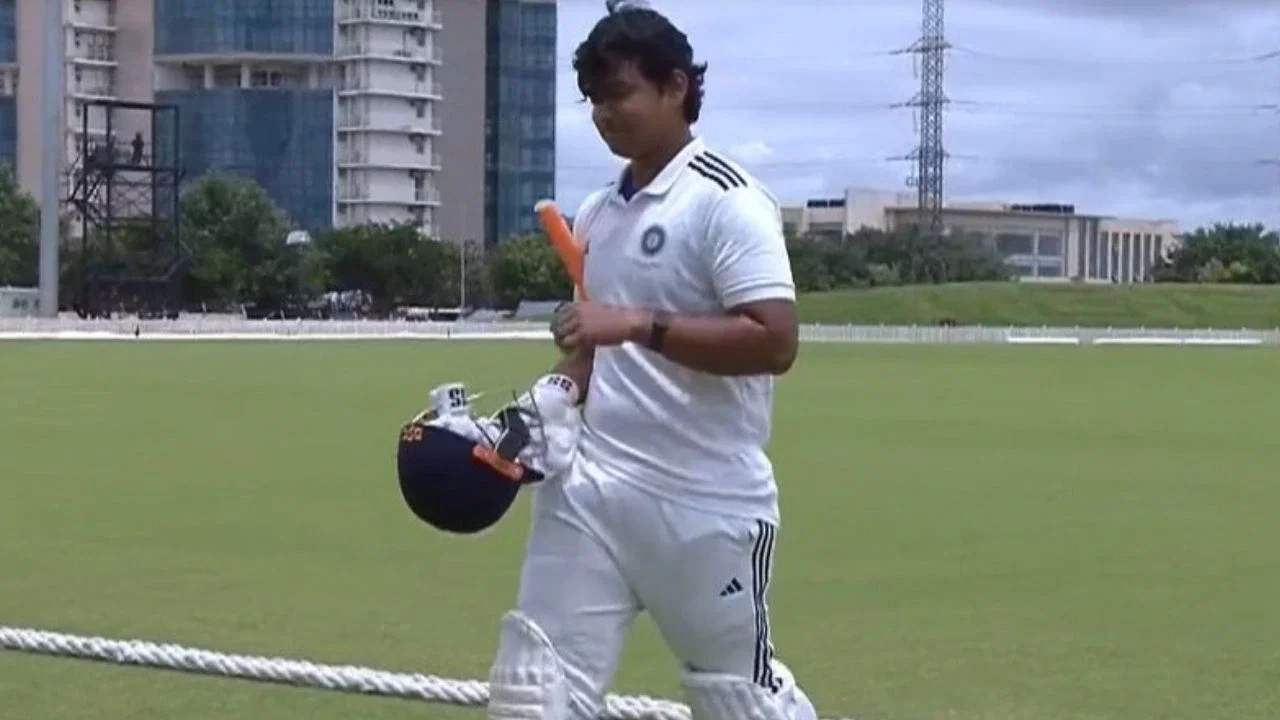
Heartbreak! Vaibhav Sooryavanshi falls 8 runs short of historic Duleep Trophy century
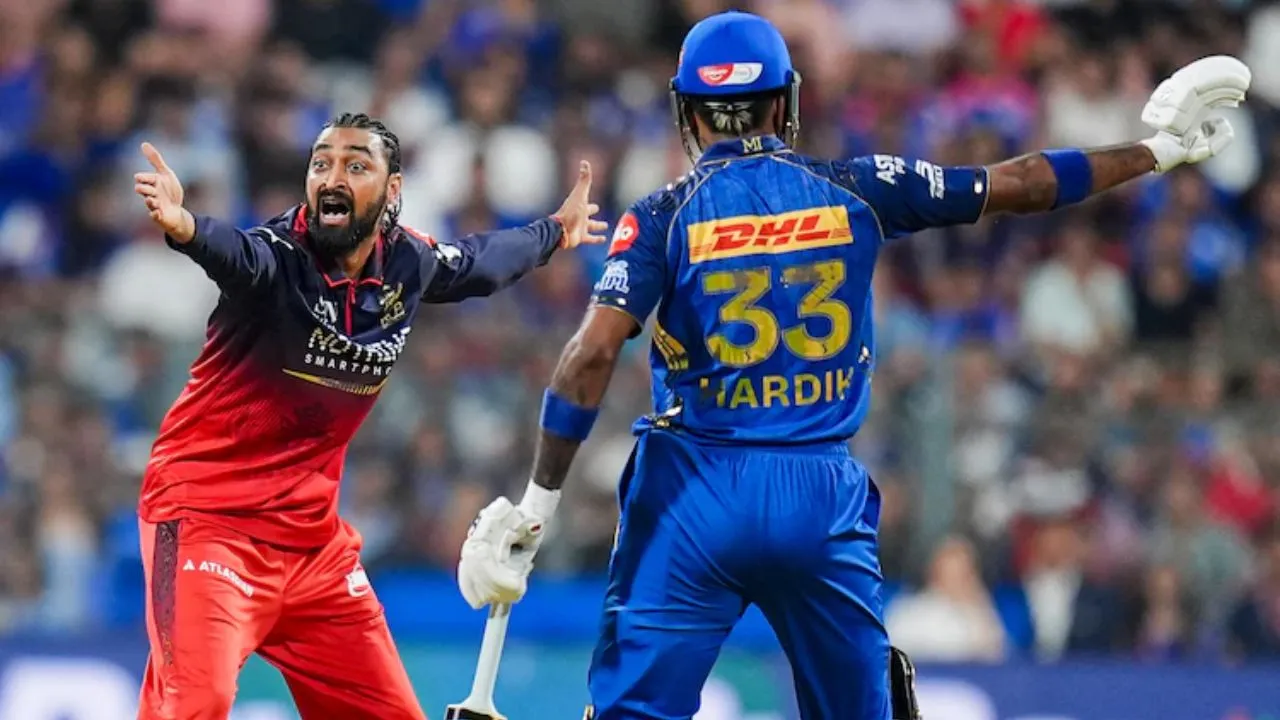
Krunal Pandya in line for India T20I return after Axar Patel’s struggles
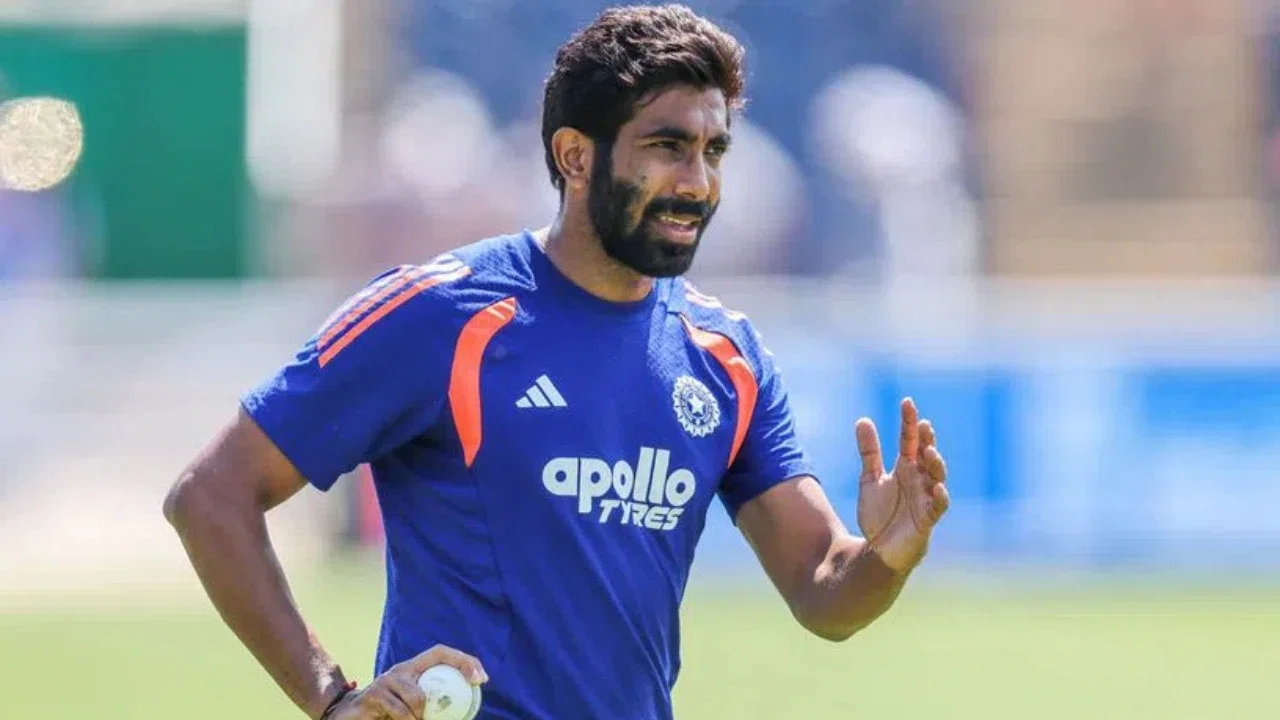
Jasprit Bumrah injury update: Pacer confirmed for Asian Games comeback
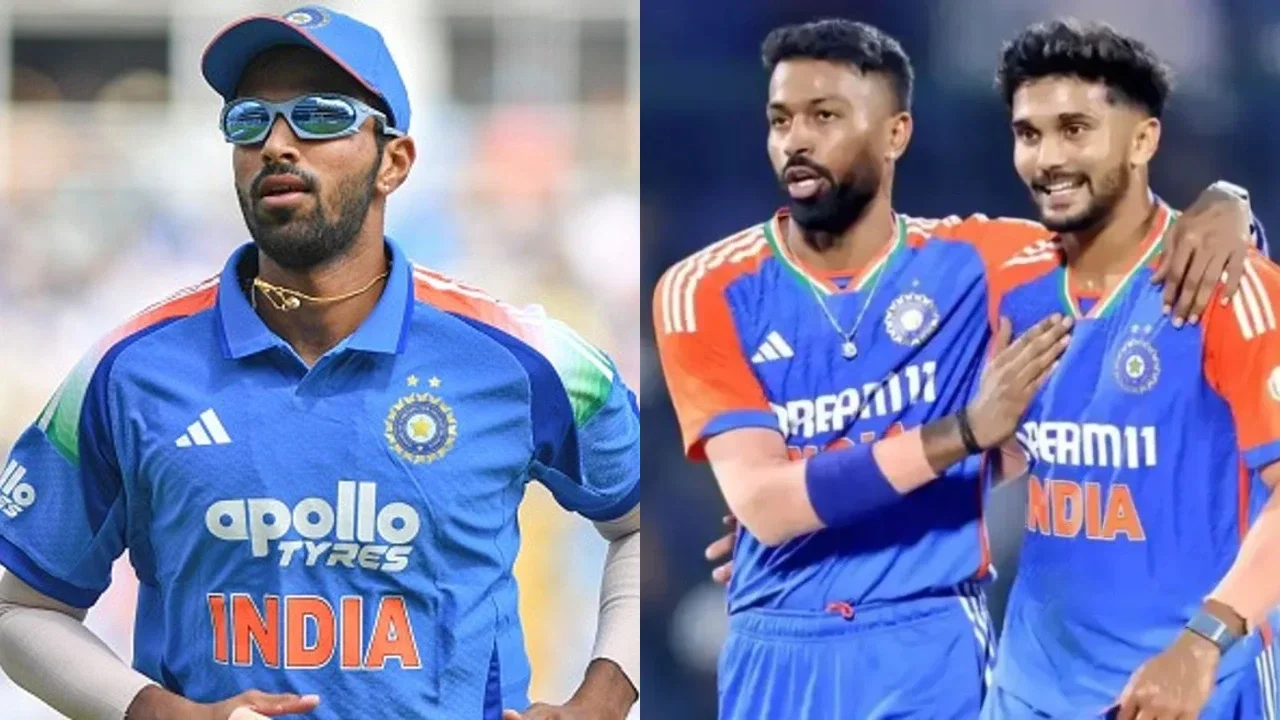
Hardik Pandya, Nitish Kumar Reddy fully fit for Afghanistan T20Is, Washington Sundar on track
“Both boards are very sincere” – Tamim Iqbal confirms India series is still on
Pakistan send Mohammad Rizwan home, probe Imam-ul-Haq, summon Mike Hesson after Lord’s Test
CSK CEO dismisses MS Dhoni ownership rumours, addresses IPL 2027 future