Cameron Green, Nathan Lyon IN as Scott Boland faces axe for 3rd Test, Matt Renshaw to open

Australia Weigh Major Selection Changes for South Africa Test Decider
Australia are considering a reshuffle of their playing XI for the third Test against South Africa, with all-rounder Cameron Green and veteran spinner Nathan Lyon in contention to return for the series decider in Cape Town. The selectors face a delicate balancing act: strengthen the batting and add spin options without overlooking players who performed well in the second Test.
The three-match series is level at 1-1 after South Africa secured an innings-and-31-run victory in Gqeberha. That result exposed weaknesses in Australia’s batting and gave the home side momentum heading into the final match. With the series on the line, Australia’s team prediction will depend heavily on the Newlands pitch and the fitness of Green, who has recovered from an abdominal muscle tear.
Green’s return could reshape Australia’s batting order
Green’s availability gives Australia a versatile all-round option, but selecting him also raises a key question: where should he bat? The right-hander has experience across several positions and has indicated that he is most comfortable in the middle order, particularly at No. 4 or No. 5. He has also made clear that he is prepared to adapt to the team’s needs.
Matt Renshaw could be moved back to the opening position to create room for Green. Renshaw made a career-best 190 in Australia’s first-Test win in Durban, but batted in the middle order during the second match. His recent practice against the new ball at Newlands has fuelled speculation that he could return to the top of the order.
If that plan is adopted, Nic Maddinson may be the player to leave the XI. The potential change would give Australia a more familiar opening combination while restoring Green’s middle-order presence. It would also add depth with the ball, as Green can contribute useful overs when conditions suit seam bowling.
Green said he was surprised by how quickly his recovery had progressed, adding that he felt ready to return only a few weeks after sustaining the injury. His fitness is a significant boost for Australia, although the selectors will still need to assess how much bowling he can safely manage in a high-pressure Test.
Lyon in contention as Newlands conditions come under scrutiny
Lyon is also pushing for selection after missing the second Test. The experienced off-spinner has reportedly been studying the Cape Town surface during training, and a pitch with less grass could encourage Australia to include a specialist spinner alongside their pace attack.
Newlands can offer assistance to fast bowlers, particularly early in a match, but the surface may also provide opportunities for spin as the game develops. Lyon’s control and ability to exploit wear could therefore become increasingly valuable. His return would give Australia a different bowling option and could help the visitors manage the workload of their quicks across the decider.
However, bringing Lyon back may force Australia to make a difficult call on Scott Boland. Boland was one of the brighter performers in Gqeberha, taking five wickets for 81 runs in South Africa’s first innings. He struck early by removing Aiden Markram, Marques Ackerman and David Bedingham, then returned to dismiss Ryan Rickelton and Marco Jansen.
Boland also showed considerable resilience with the bat. During Australia’s second innings, he scored 40 from 166 deliveries, helping Alex Carey resist South Africa’s attack during a challenging period. His contribution underlined his value to the side, but selection decisions are often shaped by balance as much as individual performance.
Boland could be an unfortunate omission
If Australia decide that Lyon’s spin is essential, Boland could be the fast bowler most at risk of losing his place. The selectors may prefer to retain their leading pace options while adding a specialist spinner, particularly if the pitch is expected to change as the match progresses.
That would be a tough outcome for Boland given his work in the second Test. Still, Australia must consider the conditions, the demands of a series decider and the need to build a bowling attack capable of taking 20 wickets. The final selection prediction remains uncertain until the team has a clearer read on the surface and Green’s match readiness.
South Africa’s batting strength will also shape Australia’s thinking. Temba Bavuma’s 179 helped the hosts reach 425 for nine declared in Gqeberha, while support from Jansen and Simon Harmer extended the innings. Australia will want an attack that can both strike with the new ball and maintain pressure through the middle overs.
Green welcomes the challenge of facing Rabada and Jansen
Green is expected to face a demanding examination if he returns. Kagiso Rabada and Jansen claimed 12 wickets between them in the second Test and have been central to South Africa’s success with the ball. Green described the pair as among the leading bowlers in world cricket and said he relishes the opportunity to test himself against elite opposition.
For Australia, his return would not simply be about adding another batter. Green’s height, technique and ability to contribute with the ball could offer flexibility across different phases of the match. But he will need to settle quickly against a South African attack that has shown it can exploit pressure and take wickets in clusters.
What to watch in the Cape Town Test
The main selection questions are whether Green is ready to handle a full Test workload, whether Renshaw will open, and whether Lyon’s experience outweighs Boland’s recent impact. Australia’s final XI will offer clues about how the team interprets the Newlands conditions: a pace-heavy attack would signal confidence in seam movement, while Lyon’s inclusion would suggest the visitors expect spin to become a factor.
With the series tied, the decider carries added significance for both teams. Australia need a stronger batting performance after their Gqeberha defeat, while South Africa will look to build on the confidence gained from levelling the contest. Green and Lyon could provide Australia with the changes they need, but any reshuffle will come with a cost—and Boland’s omission, if it happens, would be one of the toughest calls of the match.
Latest News
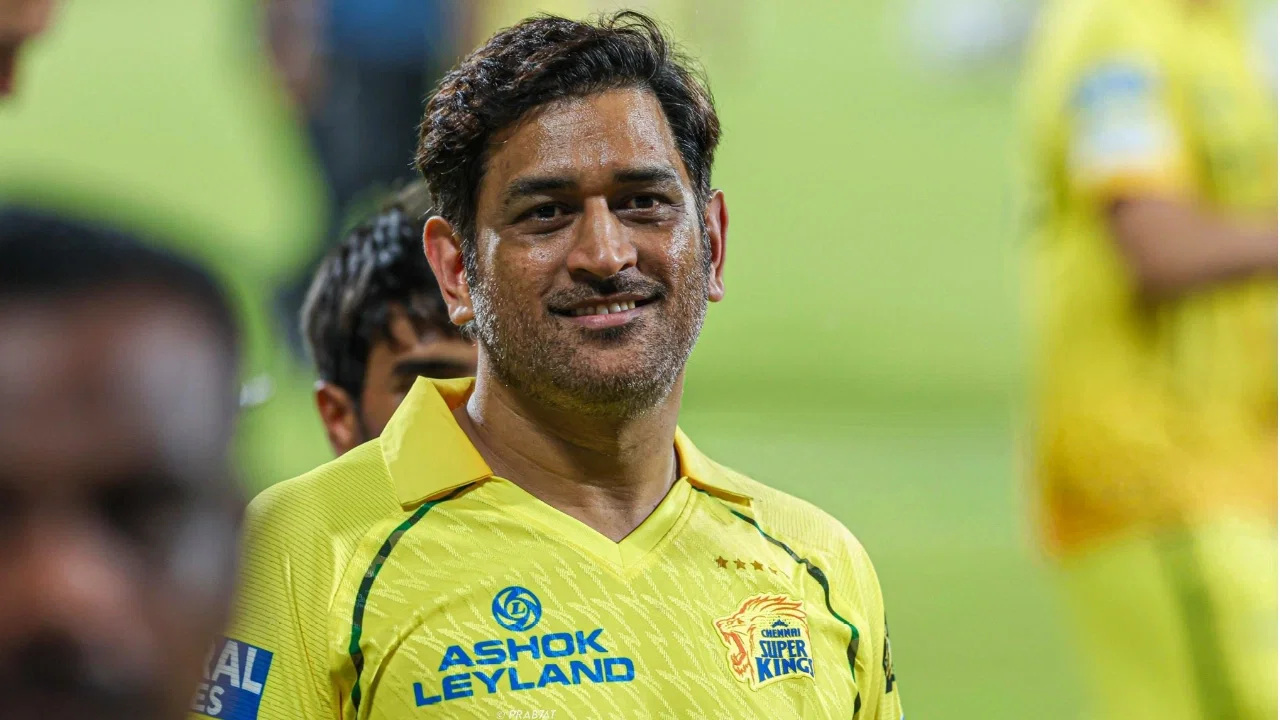
MS Dhoni to decide on IPL 2027 future before December, CSK legend reveals plans
Cameron Green, Nathan Lyon IN as Scott Boland faces axe for 3rd Test, Matt Renshaw to open

Mitchell Santner explains why Matt Henry and Lockie Ferguson did not bowl full quotas, provides injury updates
Murali Kartik questions team India’s decision to bat Vaibhav Sooryavanshi at No. 3 in 2nd T20I

“Bring that spirit”: Kieron Pollard outlines first priority as MI head coach, shares special message to fans

Shardul Thakur takes on a new role as he represents the Chicago Cubs at MLBx Mumbai
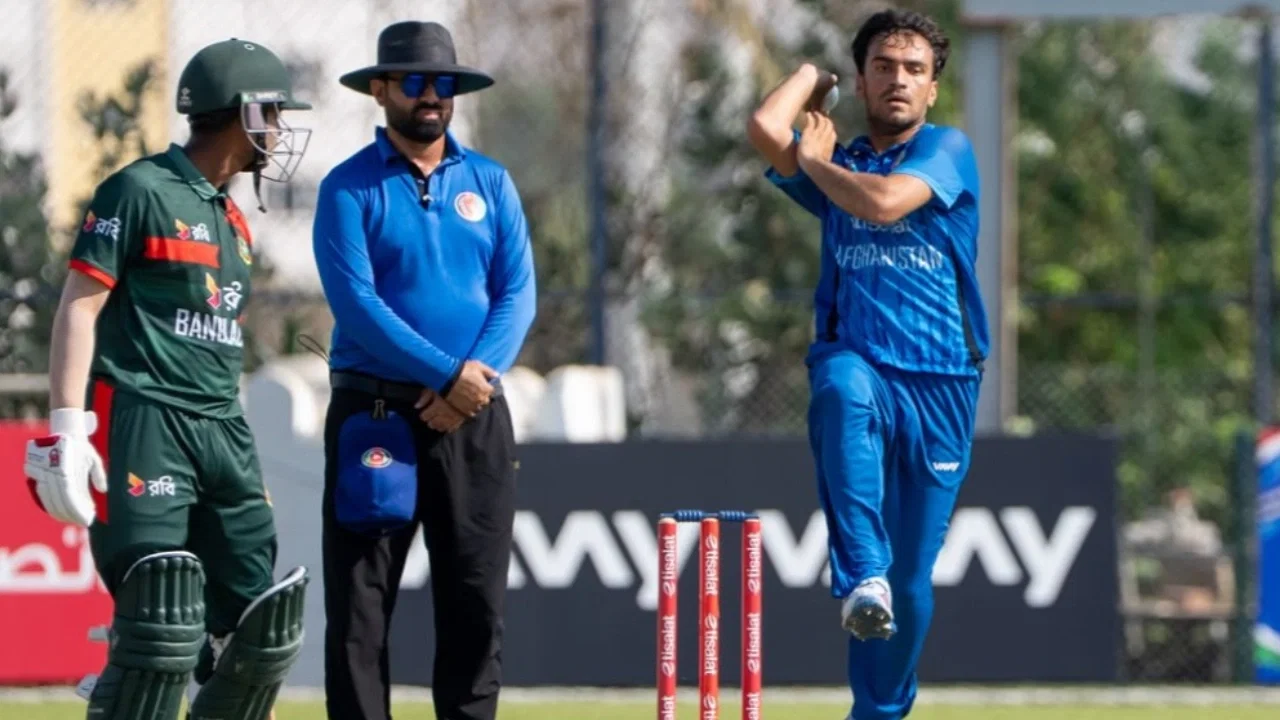
Afghanistan U-19 captain in controversy after allegedly bowling beyond his 10-over quota
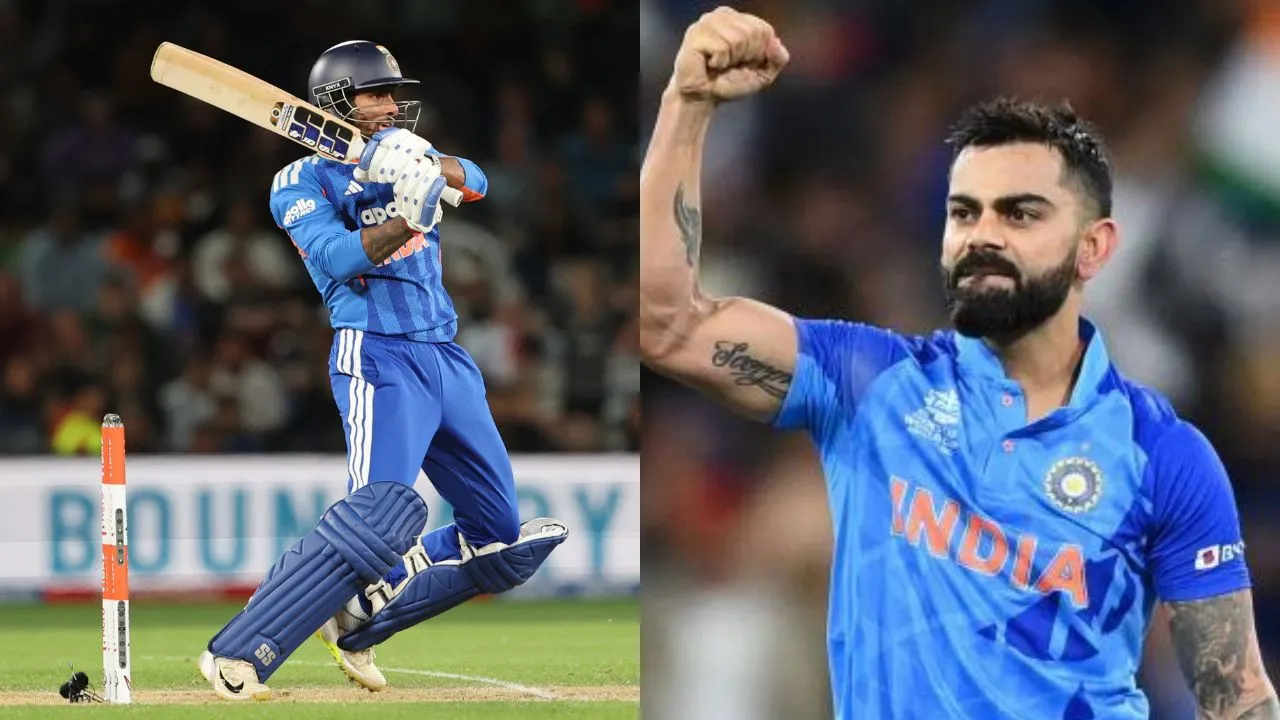
Better than Virat Kohli? Tilak Varma emerges as new T20 chasemaster with 26 wins in 26 chases

“Those little moments hurt us”: Mitchell Santner explains New Zealand’s consecutive defeats against India
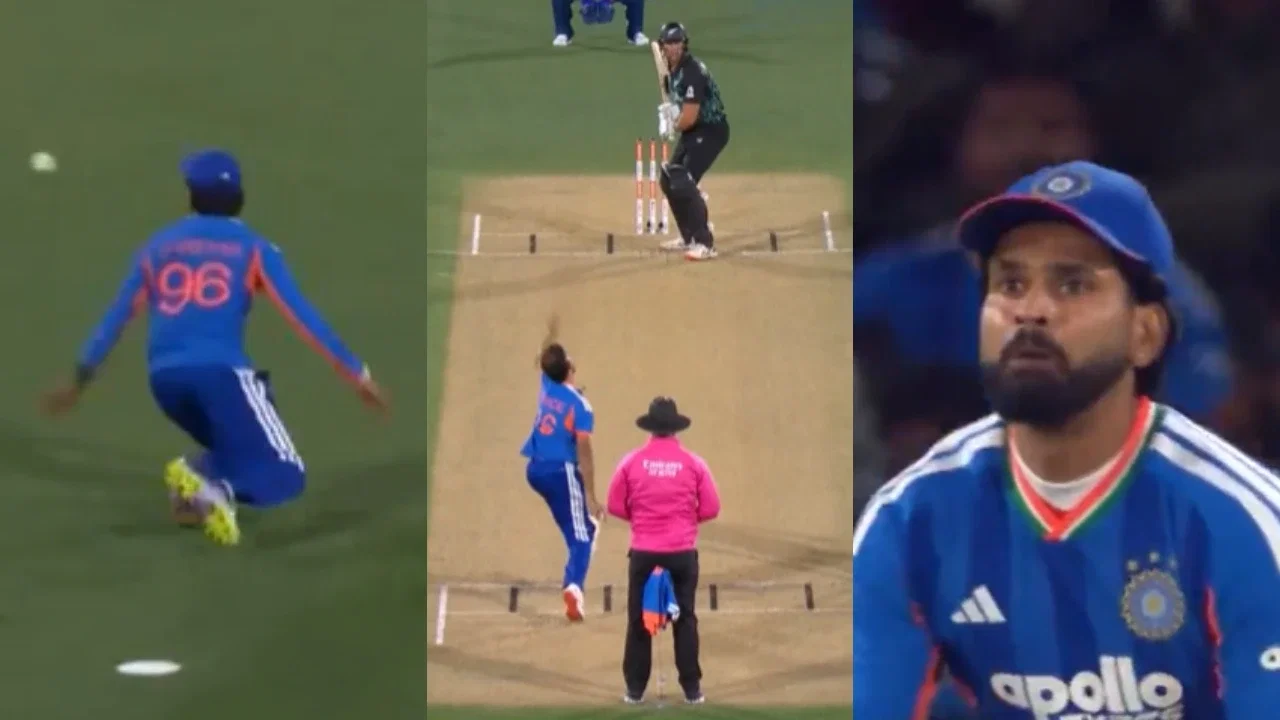
Watch: Shreyas Iyer turns Pakistan fielder, drops absolute sitter in 2nd T20I vs New Zealand

“Tilak and Reddy showed immense character”: Shreyas Iyer praises India batters after thrilling win over New Zealand
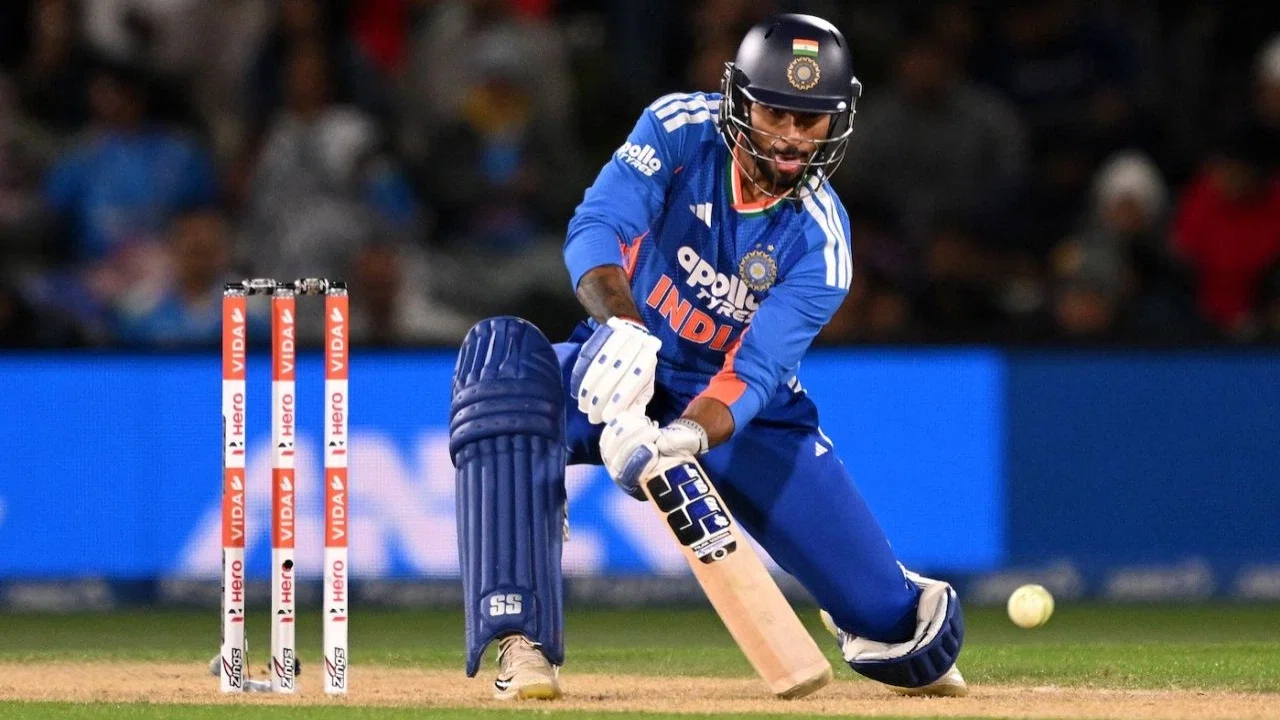
“Whole India believes in you”: Tilak Varma reveals secret to POTM performance in 2nd T20I vs New Zealand

Babar Azam to lead Pakistan as Salman Ali Agha returns for Sri Lanka series
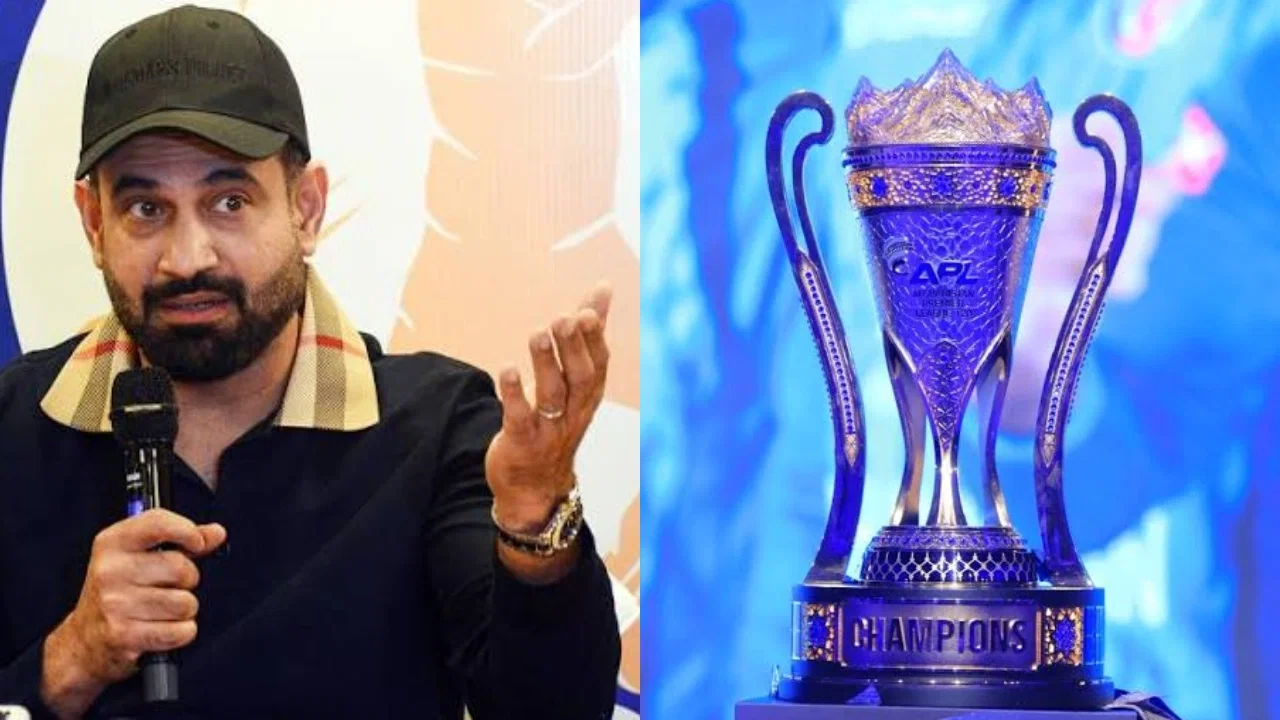
Irfan Pathan officially joins Afghanistan Premier League team