“Chaand pe jaake jhanda lagana aur Jhande pe chaand ko lagana”: Aakash Chopra takes dig at Pakistan
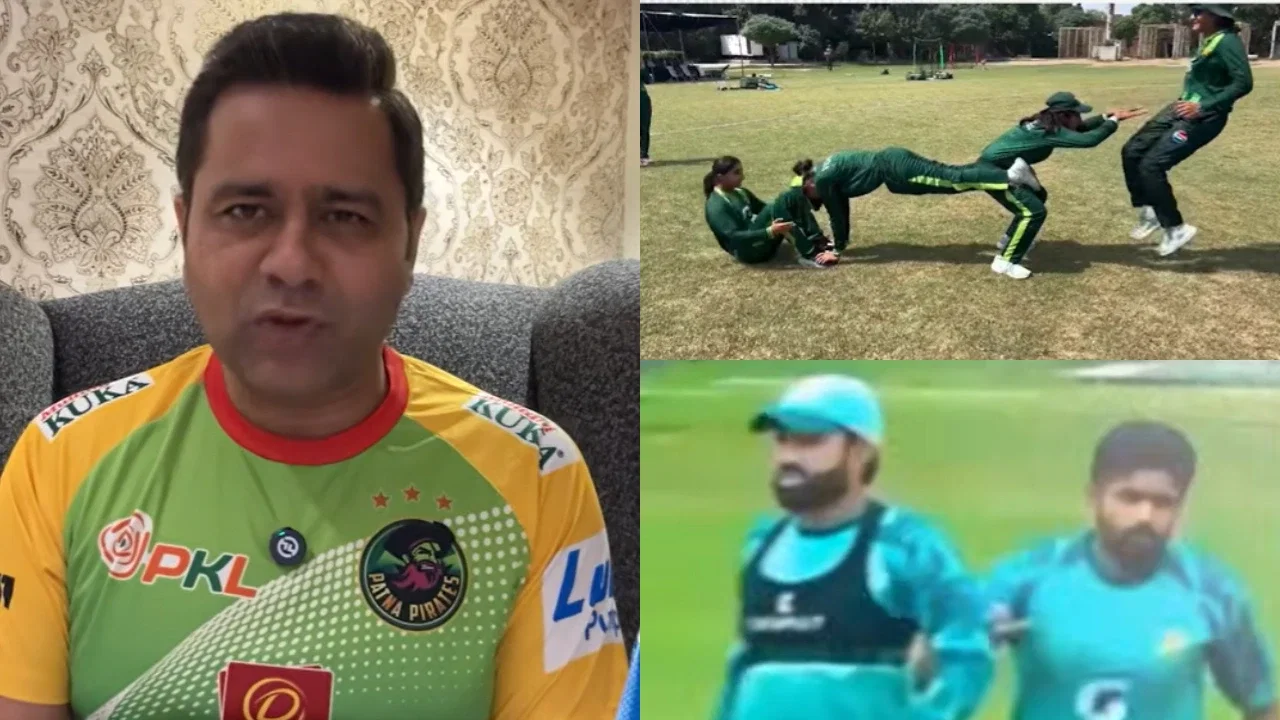
Prediction and Controversy: Aakash Chopra Critiques Pakistan’s Unconventional Training Methods and Ongoing Cricket Saga
In a recent series of sharp observations and candid commentary, former Indian cricket star Aakash Chopra has once again captured the attention of cricket fans and analysts worldwide. Known for his insightful analysis and fearless opinions, Chopra has turned his focus toward Pakistan’s latest viral training videos, a brewing cybercrime controversy involving Pakistan’s wicketkeeper Mohammad Rizwan, and the broader implications for Pakistan cricket amid political and sporting tensions.
Viral Warm-Up Exercises: The World Watches Pakistan’s Unusual Training Routines
The cricketing world is no stranger to unique training methods, but recent videos from Pakistan’s women’s cricket team have sparked widespread amusement and debate. Aakash Chopra, renowned for his candidness, expressed his surprise at the bizarre group exercises performed by the Pakistani women players, which quickly went viral on social media platforms. In these videos, players are seen forming an interlocking human chain, holding each other’s limbs in a wheel-like formation, a drill that left many observers puzzled.
Chopra questioned the logic behind such unconventional routines, calling them “nonsense” and humorously comparing Pakistan’s training regimen to the space race. “While the world is reaching the Moon and Mars, Pakistan’s cricket training seems to be stuck in the past,” he remarked, highlighting the stark contrast between Pakistan’s methods and the progressive training approaches adopted by teams like India, Australia, and England.
He further wove in a playful analogy, stating, “Duniya chaand par pahunch rahi hain. Duniya Mars par pahunch rahi hain, lekin aap wahin ke wahin atke hue hain. The difference between planting a flag on the Moon and putting the Moon on the flag is only a matter of perspective — and perhaps, progress.”
Chopra also reflected on the importance of athletes following scientifically validated training routines, emphasizing that innovative drills should complement skill development rather than become mere spectacle. His comments resonate with a broader conversation about the need for cricket boards worldwide to adopt evidence-based training methods to enhance player performance and avoid viral gaffes that could damage a team’s reputation.
Prediction and Reflection: The Impact of Pakistan’s Training and Media Moments on International Cricket
As the cricketing community anticipates upcoming tournaments, Chopra’s prediction is clear: while other nations are pushing the boundaries of technology, fitness, and strategic innovation, Pakistan’s focus on unconventional drills might hinder their progress at the international stage. The viral videos serve as a reminder that in today’s digital age, every move, no matter how trivial, is scrutinized globally.
He cautioned Pakistani cricket authorities to exercise greater caution, especially since the entire cricketing world is watching. “When you’re in the spotlight, you must be mindful of your actions. The world is observing, and these moments can turn into memes and jokes that overshadow your talent,” Chopra warned, hinting that such viral moments could influence team morale and public perception.
Beyond Training: The Political and Legal Storm Surrounding Pakistan Cricket
While the focus has primarily been on the humorous side of Pakistan’s training methods, the ongoing controversy involving Mohammad Rizwan has added a darker dimension to the narrative. Rizwan, one of Pakistan’s key players, is embroiled in a cybercrime investigation initiated by Pakistan’s National Cyber Crime Investigation Agency (NCCIA). His mobile phone was seized in London after the Lord’s Test, leading to a flurry of speculation about possible financial irregularities, online gambling links, and potential leaks from the dressing room.
Aakash Chopra pointed out the uneven media focus, noting that Imam-ul-Haq, who was also involved in similar investigations, has mysteriously disappeared from the headlines. “Rizwan is the center of attention now, with the entire cricketing and legal machinery scrutinizing him. Meanwhile, others involved seem to have vanished from view,” Chopra observed. This selective focus raises questions about the transparency and consistency of the investigation processes in Pakistan cricket.
Legal Battles and International Implications
Rizwan’s legal ordeal has intensified, with the Lahore High Court dismissing his challenge against the NCCIA’s jurisdiction and instructing him to cooperate with investigators. The wicketkeeper-batter has also approached the ICC Anti-Corruption Unit, questioning whether the seizure of his device adhered to international standards and protocols. This situation underscores the delicate balance between national investigations and international cricket governance, with potential repercussions for Pakistan’s participation in future tournaments.
Predictions suggest that if such investigations continue to dominate headlines, they could damage the reputation of Pakistan cricket further, affecting player morale, team cohesion, and selectors’ confidence. Moreover, the ongoing political tensions between India and Pakistan are already casting shadows over bilateral series and international fixtures, with some tournaments being canceled or relocated due to diplomatic issues.
Broader Context: The Role of Media, Politics, and Cricket Diplomacy
The recent events highlight the intricate relationship between politics, media narratives, and sports diplomacy. Chopra’s commentary touches upon a recurring pattern: Pakistan often finds itself under global scrutiny, whether for political reasons or sporting conduct. When the country’s cricketing antics become viral or controversial, it fuels stereotypes and international perceptions, sometimes overshadowing the talent and potential of Pakistani players.
Furthermore, Chopra emphasized the importance of Pakistan addressing internal issues with transparency instead of deflecting attention by bringing India or other external factors into the debate. “Pointing fingers at others or raising external issues won’t solve internal problems,” he said. “Cricket should be a unifying force, not a tool for political or media battles.”
Final Thoughts: What Does the Prediction Say About the Future?
Looking ahead, the prediction remains that Pakistan’s cricketing future hinges on their ability to modernize training techniques, foster transparency in legal investigations, and focus on team development rather than external controversies. The viral videos and investigations serve as lessons in the importance of professionalism, discipline, and strategic planning.
Cricket enthusiasts worldwide will continue to watch Pakistan closely, as their actions and responses in the coming months could determine their standing on the global cricket stage. Chopra’s blunt assessment underscores a crucial point: the path to cricketing excellence involves more than just talent — it requires consistent, disciplined, and innovative practices that reflect the spirit of international sportsmanship.
Conclusion
In sum, Aakash Chopra’s critique offers a mirror to Pakistan cricket’s current challenges and opportunities. While viral moments and legal controversies may dominate headlines temporarily, the true prediction for Pakistan’s cricketing future depends on their ability to adapt, evolve, and uphold the integrity of the sport. As the cricketing world awaits the next chapter, one thing is certain: the game continues to be a reflection of larger societal issues, and only through self-awareness and reform can teams hope to reach new heights.
Latest News
Virat Kohli leaves himself out, picks 7 legends to build his ultimate ODI batter
Ravichandran Ashwin among three to have stands named after them at Chepauk
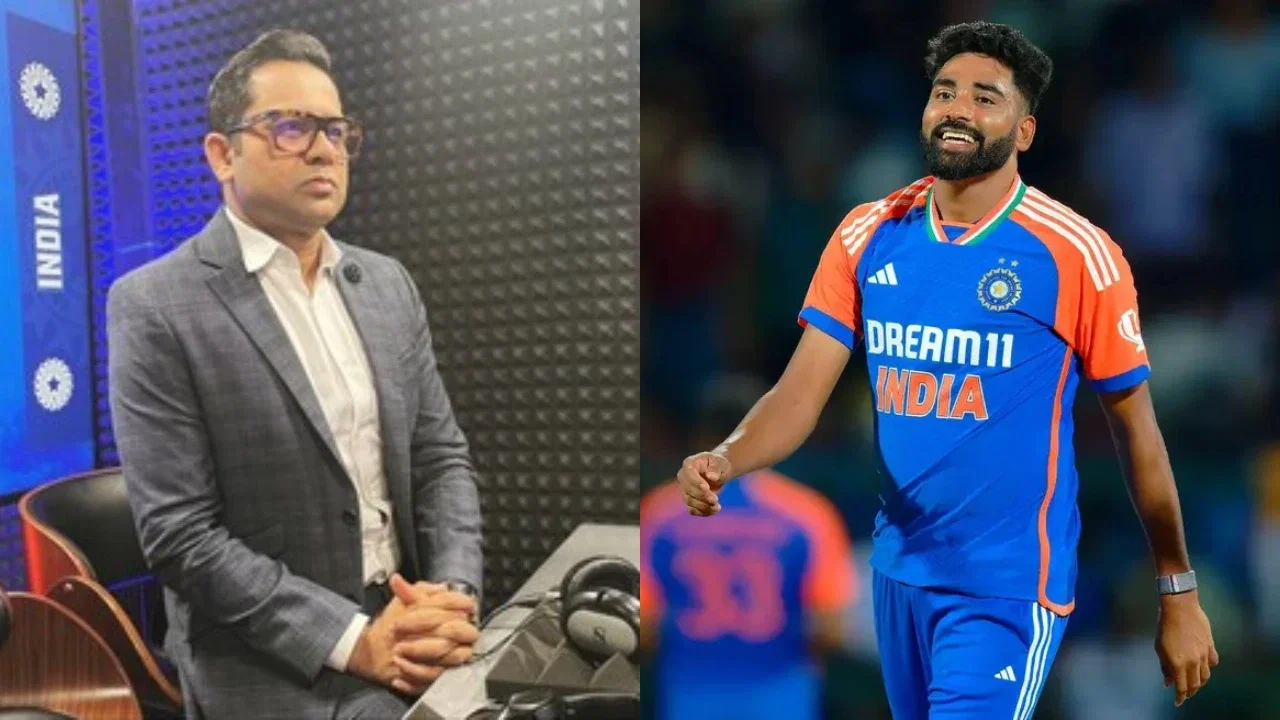
Aakash Chopra wants Mohammed Siraj in India’s XI for 2nd ODI vs West Indies

Shree Charani surpasses Megan Schutt’s record in ICC T20I rankings
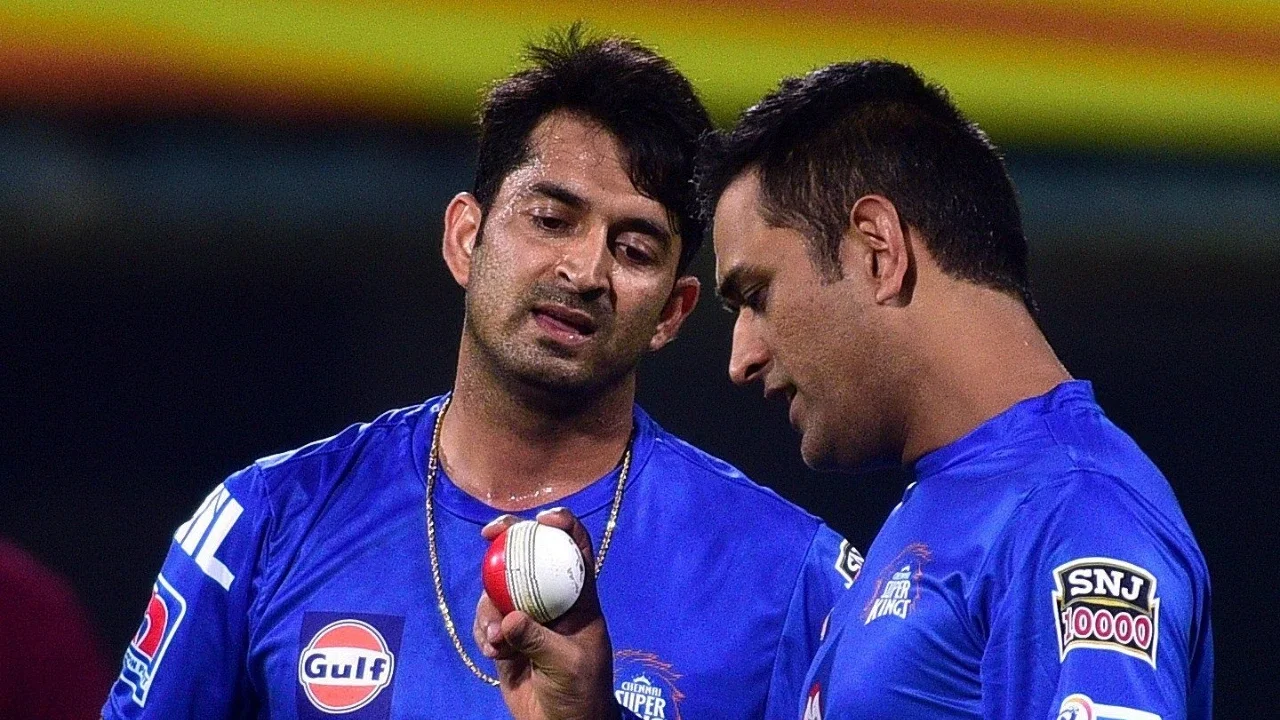
Mohit Sharma set for CSK return in new role ahead of 2027 IPL season
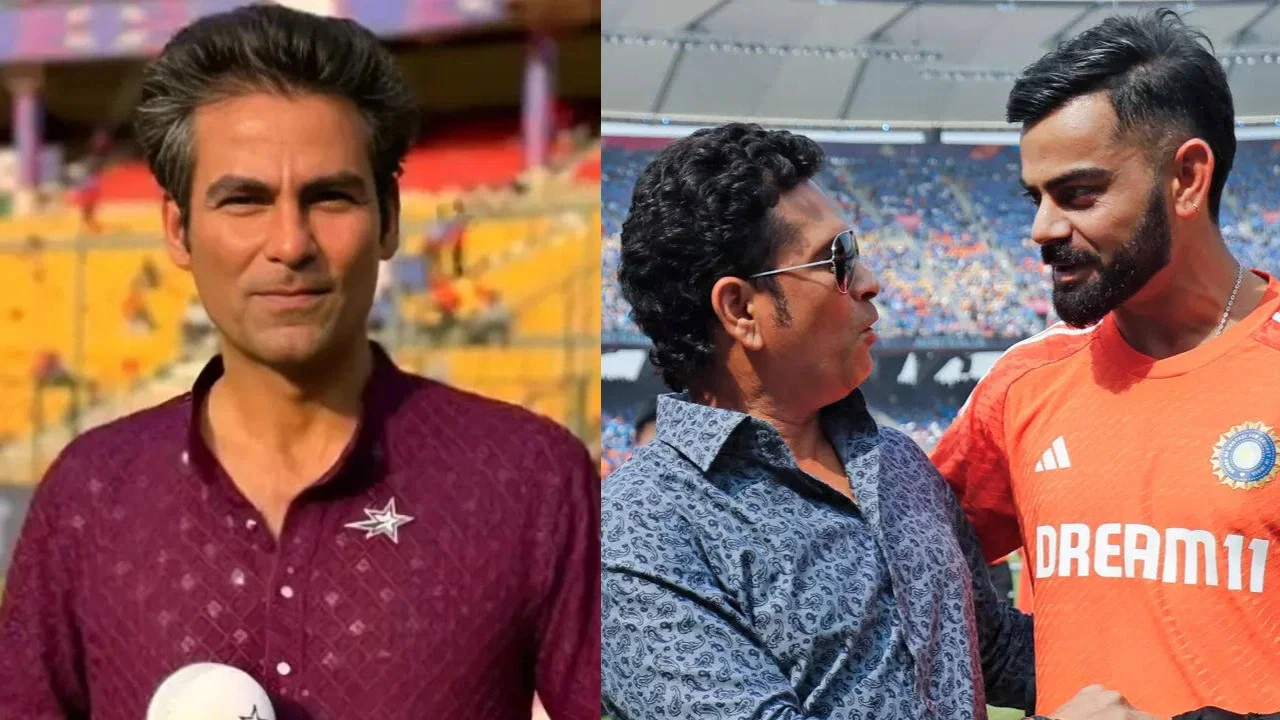
Virat Kohli or Sachin Tendulkar? Mohammad Kaif settles the GOAT debate
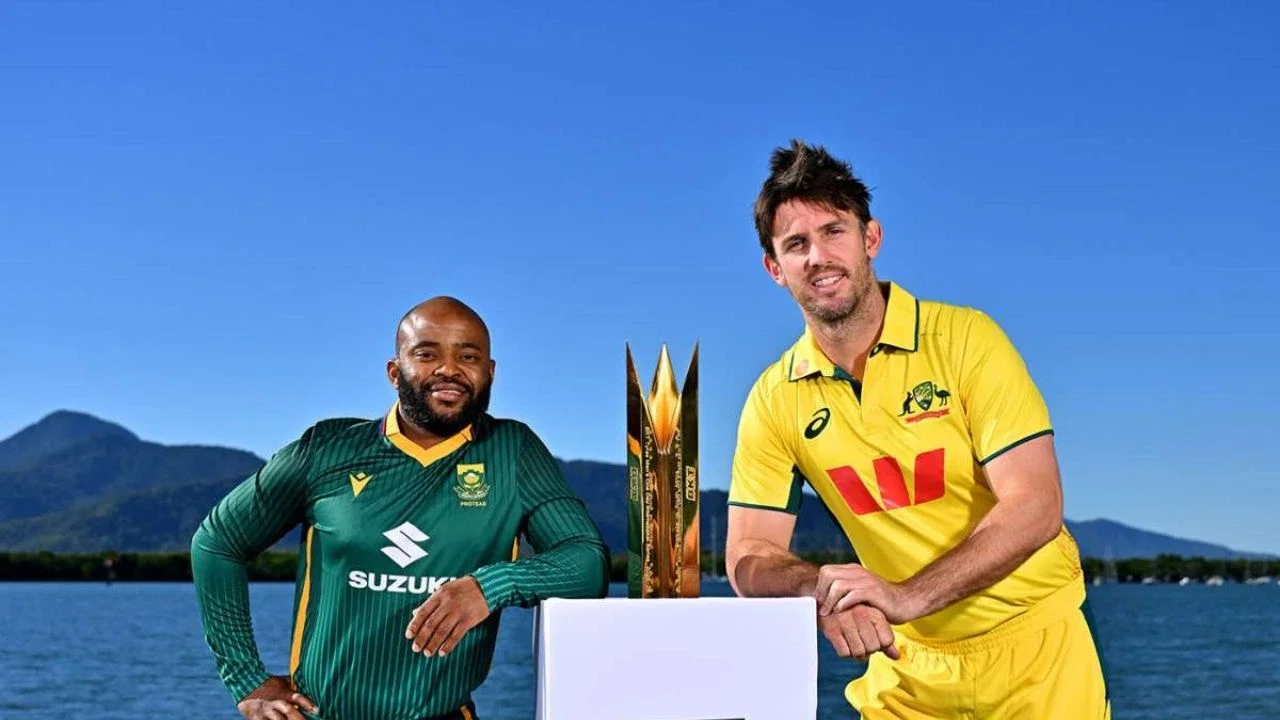
SA vs AUS Playing 11 Today, Live Streaming, Pitch & Weather: South Africa vs Australia 3rd ODI, 2026
Rohit Sharma or Virat Kohli: Kuldeep Yadav reveals the hardest captain to convince for DRS
Mohsin Naqvi’s PCB bans Pakistan cricketers from playing Afghanistan Premier League
Rohit Sharma admits he was a fan of Virat Kohli’s Test captaincy
Rohit Sharma reveals his 2027 World Cup chats with Virat Kohli
“People want masala”: After Virat Kohli, Rohit Sharma reacts to ‘Ro-Ko’ moniker
Watch: Rohit Sharma stumbles and nearly falls during IND vs WI 1st ODI
Nathan Ellis, Joel Davies leave Australia’s South Africa tour injured