

Cricket Australia announces independent forum to revisit 2018 ball-tampering scandal
Cricket Australia Creates Independent Forum for 2018 Ball-Tampering Accounts
Cricket Australia has agreed to establish an independent forum where players and support staff from the 2018 South Africa tour can share their accounts of the ball-tampering scandal. The voluntary process is intended to give those involved a confidential, respectful setting to speak, while helping Australian cricket address a controversy that continues to shape debate about the national team.
Interim chair David Boon and chief executive Todd Greenberg announced the decision in Hobart on Wednesday, November 18, 2026, following a Cricket Australia Board meeting the previous evening. The board will appoint an independent facilitator in the coming days, with a King’s Counsel among the possible candidates. The facilitator will establish the forum’s terms of reference, and the process is expected to take about a month.
Why the 2018 scandal is back in the spotlight
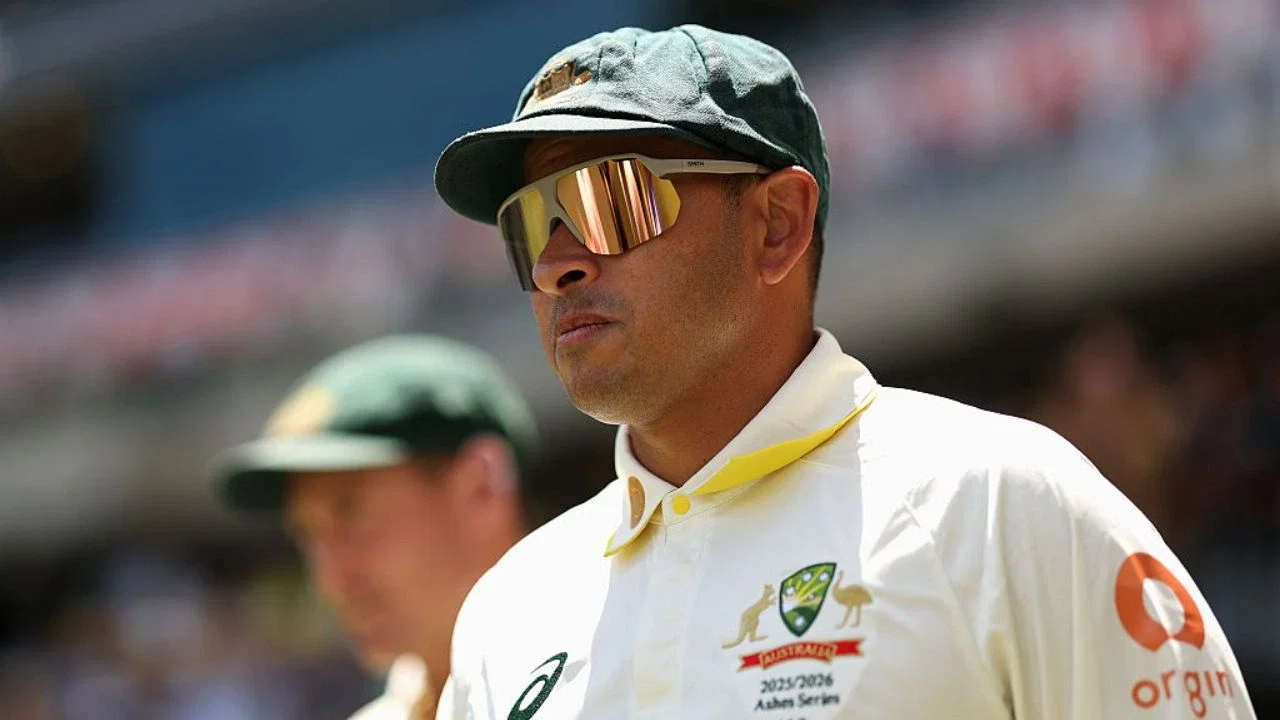
The announcement follows renewed discussion prompted by the early-November release of Usman Khawaja’s autobiography, Sabr. In the book, Khawaja alleged that sandpaper had also been used during the Test in Port Elizabeth before the ball-tampering incident in Cape Town became public.
The 2018 scandal led to significant penalties for three Australian players. Steve Smith and David Warner received 12-month bans, while Cameron Bancroft was suspended for nine months. The episode prompted intense scrutiny of the team’s culture, leadership and conduct, and remains one of the most damaging controversies in modern Australian cricket.
Khawaja’s claims have added another layer to questions about what happened on the tour and who knew what. The new forum is designed to let people who were part of the travelling group provide their own perspectives, particularly those who believe they did not have a meaningful opportunity to contribute to the original inquiry.
Voluntary process, not a new investigation
Greenberg stressed that the forum will not reopen Cricket Australia’s original investigation or revisit the sanctions imposed at the time. It is not intended to determine guilt, impose further penalties or produce a new official verdict. Instead, the organisation says, its purpose is to hear accounts in a safe and independent setting.
Participation will be entirely voluntary. Cricket Australia has also indicated that the board will consider later whether any information from the process can be made public, while protecting the confidentiality of participants. That balance will be central to the forum’s credibility: people may be more willing to speak frankly if they know their accounts will not automatically be released or used to pursue disciplinary action.
Greenberg said the original inquiry had been completed and that its findings would not be published, noting that witnesses had provided evidence under confidentiality conditions. He acknowledged that people may criticise how the initial process was handled, but said reopening it now would be unfair, particularly given the passage of time and the difficulty of reassessing decisions with hindsight.
“The game is genuinely hurting at the moment,” Greenberg said, describing the renewed dispute as damaging for those involved and for cricket more broadly. He said the sport needed a way through the latest debate and time to heal.
Questions about who was heard in the original inquiry
One reason for creating the forum is that not everyone on the tour was interviewed during the initial investigation. Greenberg said eight of the 11 players who appeared in the Cape Town Test were interviewed, along with several members of the coaching and support staff. The forum could therefore offer a chance for people who were not interviewed—or who did not feel able to contribute at the time—to add their perspective.
The original inquiry was conducted under pressure, with Australia’s next Test scheduled soon after the Cape Town match. That compressed timetable has since become part of the broader discussion about whether the investigation captured every relevant account. Greenberg said the events were complex and that recollections and interpretations differ, making specific evidence more useful than broad claims.
He encouraged anyone who chooses to take part to provide detailed accounts. A clear record of what individuals saw, heard or understood may help distinguish firsthand knowledge from later interpretation, while giving the facilitator a stronger basis for identifying points of agreement and disagreement.
Boon says the aim is to help Australian cricket move forward
Boon described the forum as an effort to create a “circuit breaker” after years of recurring debate. He said the controversy had remained part of conversations about Australian cricket for nearly a decade and had become a distraction for the sport.
Rather than relitigating the past, Boon said, the process should give people who wish to speak an opportunity to do so and allow the game to listen. He added that Australian cricket is strongest when its community is united, and that moving forward requires understanding, respect and perspective.
The forum’s success will depend in part on whether participants trust its independence and confidentiality. It will also depend on what the process can realistically achieve. A voluntary forum cannot guarantee a complete account, especially if some people choose not to take part, and it is not designed to settle every disputed detail. But it may help clarify where accounts differ and give previously unheard voices a place in the conversation.
What the forum could mean for the future
For fans, players and administrators, the latest development raises a practical question: can a confidential listening process ease a debate that has repeatedly resurfaced? Cricket Australia’s prediction appears to be that providing a structured opportunity to speak may help the sport move beyond competing public claims without reopening disciplinary decisions.
The forum is not expected to erase the consequences of the 2018 scandal, nor can it guarantee agreement among those involved. Its potential value lies instead in creating a more considered record of personal experiences and acknowledging that the original inquiry may not have heard from everyone who wanted to contribute.
As the independent facilitator sets the process in motion, attention will turn to who participates, how confidentiality is protected and whether Cricket Australia ultimately shares any findings. For now, the board is presenting the initiative as an opportunity for listening—not a second trial—and a possible step toward closing one of the most painful chapters in Australian cricket.
Latest News

SA vs BAN Playing 11 Today, Live Streaming, Pitch & Weather: South Africa tour of Bangladesh 2026, 2nd Test

AUS vs ENG Playing 11 Today, Live Streaming, Pitch & Weather: England tour of Australia 2026, 2nd T20I

Blair Tickner ruled out of 2nd Test vs India, replacement named

Tim Paine and Justin Langer face fresh questions over Australia’s ball-tampering scandal

India tour of Bangladesh gets fresh hope as BCB confirms talks with BCCI

Tom Latham opens up on soft ball problem and saliva ban after draw against India

Ajinkya Rahane slams Tilak Varma for publicly criticising Shahbaz Ahmed after India A’s defeat

ICC to introduce IPL-style bat checks in international cricket

“Smiling Laughing doesn’t happen”: R Ashwin’s dig at India’s approach after draw vs New Zealand

“Not good enough for Test cricket”: Scott Styris, Sunil Gavaskar slam Wellington pitch

Dodda Ganesh declares India ‘out of WTC final race’ after Wellington Test draw

Ajinkya Rahane criticises Shubman Gill for abusing Akash Deep in 1st Test vs New Zealand

‘Why so many boundary riders?’ Dinesh Karthik questions Shubman Gill’s captaincy after Wellington Test

“I just want to enjoy my life”: Yash Dayal reflects on his return to cricket


