DDCA addresses North Zone team selection row in Duleep Trophy
**Is BCCI’s Zonal Selection Process in the Duleep Trophy Under Scrutiny?**
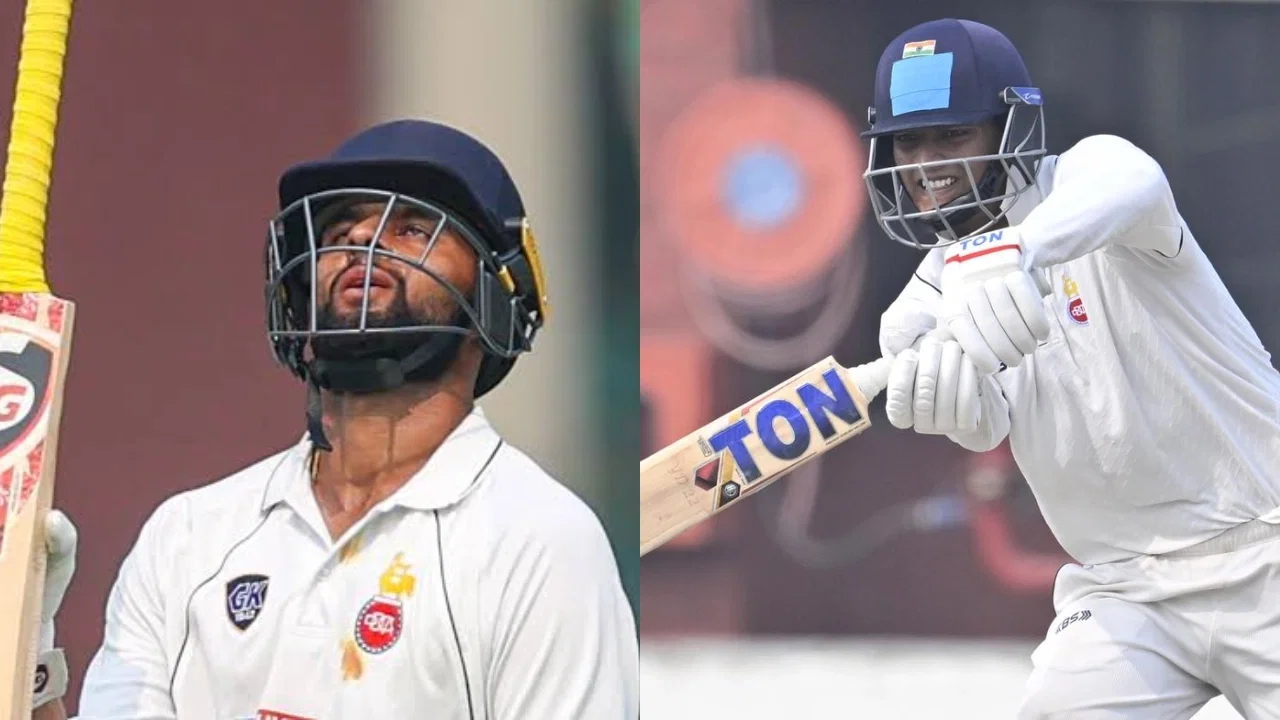
The recent controversy surrounding the selection of Yash Dhull over Sanat Sangwan in the Duleep Trophy has raised questions about the zonal selection process in Indian domestic cricket. The decision to drop Sangwan, the third-highest run-scorer in the previous Ranji Trophy campaign, in favor of Dhull, who has not shown impressive stats in longer formats, has left many scratching their heads.
**Controversial Team Selection**
Sanat Sangwan’s stellar performance in the previous Ranji Trophy season, where he amassed 828 runs, placed him among the top batsmen in the competition. However, the decision to bench him in the Duleep Trophy quarter-finals against West Zone in favor of Yash Dhull, who managed only 381 runs in the 2025-26 season, has sparked controversy.
**Questionable Decision-Making**
Yash Dhull’s lackluster performance in the match, where he scored just 9 runs before being dismissed, has only added fuel to the fire. Critics have questioned the rationale behind Dhull’s selection over Sangwan, especially considering the latter’s impressive track record.
**Coach’s Dilemma**
According to reports, the team selection in zonal matches is predominantly influenced by coaches. In this case, Ajay Sharma and Sarandeep Singh, the coaches for North Zone, are facing scrutiny for their decision to field Dhull over Sangwan. The duo’s choice to prioritize Dhull, despite Sangwan’s proven abilities, has raised eyebrows in the cricketing community.
**Lack of Transparency**
The lack of transparency in the decision-making process has further fueled speculation. While officials from the Delhi & Districts Cricket Association have defended the selections, questions remain about the criteria used to pick the playing XI. The presence of five Jammu and Kashmir players in the North Zone team has also been a point of contention.
**Sangwan Scapegoated?**
Some have speculated that Sangwan was made the scapegoat in order to accommodate Dhull in the playing XI. With a well-composed middle-order featuring players like Ayush Doseja, Ayush Badoni, Abdul Samad, and Nishant Sindhu, Sangwan’s exclusion has been seen as a tactical move to fit Dhull into the team.
**Way Forward**
As the debate rages on, it remains to be seen whether the Board of Control for Cricket in India (BCCI) will intervene in the matter. Fans and experts alike are calling for greater transparency in the selection process to ensure that deserving players are given their due opportunities on the field.
In conclusion, the controversy surrounding the zonal selection process in the Duleep Trophy highlights the challenges faced by domestic cricketers in India. As the debate continues, the focus remains on ensuring fair and merit-based selection processes that prioritize talent and performance on the field.
**Impact on Players**
The controversial selection of Yash Dhull over Sanat Sangwan not only raises questions about the zonal selection process but also has direct implications for the players involved. Sangwan, who has consistently performed well in domestic cricket, may feel demoralized by being overlooked in favor of a player with less impressive stats. This decision could affect his confidence and future opportunities in the game. On the other hand, Dhull may face undue pressure to perform and prove his worth, considering the controversy surrounding his selection.
**Criticism from Former Players**
Former cricketers have also weighed in on the issue, with many expressing their disappointment in the selection process. Prominent voices in Indian cricket have called for a reevaluation of the zonal selection system to ensure that deserving players are given a fair chance to showcase their talents. The uproar over Sangwan’s exclusion has sparked a broader conversation about the need for transparency and accountability in domestic cricket selections.
**Revisiting the Zonal Selection Process**
The current controversy has prompted discussions about the effectiveness of the zonal selection process in the Duleep Trophy. Some critics argue that the zonal system, which divides players based on their geographical region rather than their individual performance, may not always result in the best team composition. Calls for a more meritocratic approach to team selection have gained traction, with suggestions for a revamped system that prioritizes skill and form over regional affiliations.
**The Role of Statistics in Selection**
Statistics play a crucial role in evaluating player performance and making informed selections. While numbers can provide valuable insights into a player’s capabilities, they should not be the sole criteria for team selection. Factors such as temperament, adaptability, and team dynamics also play a significant role in determining a player’s suitability for a particular match or series. Coaches and selectors must strike a balance between statistical data and intangible qualities when making decisions about team composition.
**Navigating Politics in Selection**
The world of cricket is not immune to politics, and team selections can sometimes be influenced by external factors beyond a player’s control. Navigating these dynamics can be challenging for both players and coaches, as personal biases, favoritism, and external pressures may come into play. The controversy surrounding Sangwan’s exclusion serves as a reminder of the complex web of relationships and interests that can impact team selections in domestic cricket.
**Moving Towards a Fairer Selection Process**
In light of the recent controversy, there is an opportunity for the BCCI to reassess its zonal selection process and implement reforms that promote fairness and transparency. Establishing clear criteria for team selection, creating avenues for feedback and review, and minimizing external influences on decision-making can help ensure that the best players represent their regions in domestic competitions. By prioritizing meritocracy and professionalism, the BCCI can strengthen the integrity of domestic cricket and provide a level playing field for all aspiring cricketers.
**Conclusion**
The controversy surrounding the zonal selection process in the Duleep Trophy underscores the challenges and complexities inherent in domestic cricket. While debates over team selections are common in the world of sports, they also present an opportunity for reflection and improvement. By addressing the issues raised by the current controversy and working towards a fairer, more transparent selection process, the BCCI can uphold the values of integrity and excellence in Indian cricket. As fans, players, and stakeholders continue to engage in discussions about the future of domestic cricket, the focus remains on creating a system that rewards talent, hard work, and dedication on the field.
Latest News
Top 10 highest run-chases in T20 cricket history, ft. West Indies’ Ranchi win vs India
Aaryavir Sehwag and Anvay Dravid set to make headlines at U19 Asia Cup 2026
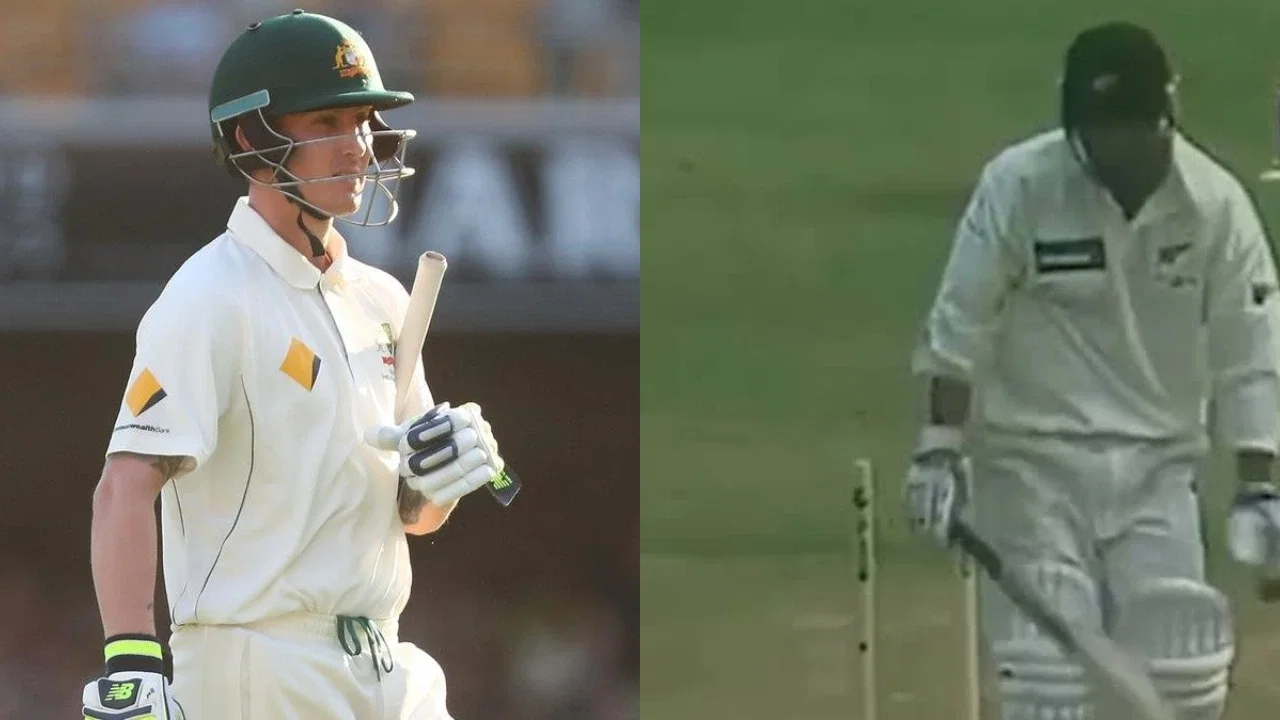
Longest ducks in Test cricket history ft. Nic Maddinson, Shoaib Akhtar

ECB to offer 39 central contracts to England players after Ben Stokes, Mark Wood’s retirement

Steve Smith surpasses Steve Waugh in all-time Test run-scorers’ list

Shane Watson identifies Gautam Gambhir’s biggest problem as India struggle for consistency

Is Bhuvneshwar Kumar in India’s 2027 World Cup plans? Ajinkya Rahane makes revelation
BCCI’s big ₹127 Crore move after injury crisis raises concerns over Team India

Parthiv Patel reveals RCB ignored his Jasprit Bumrah recommendation in IPL 2014 Auction
“Never spoke ill of any faith”: Irfan Pathan hits back at fake news using his name
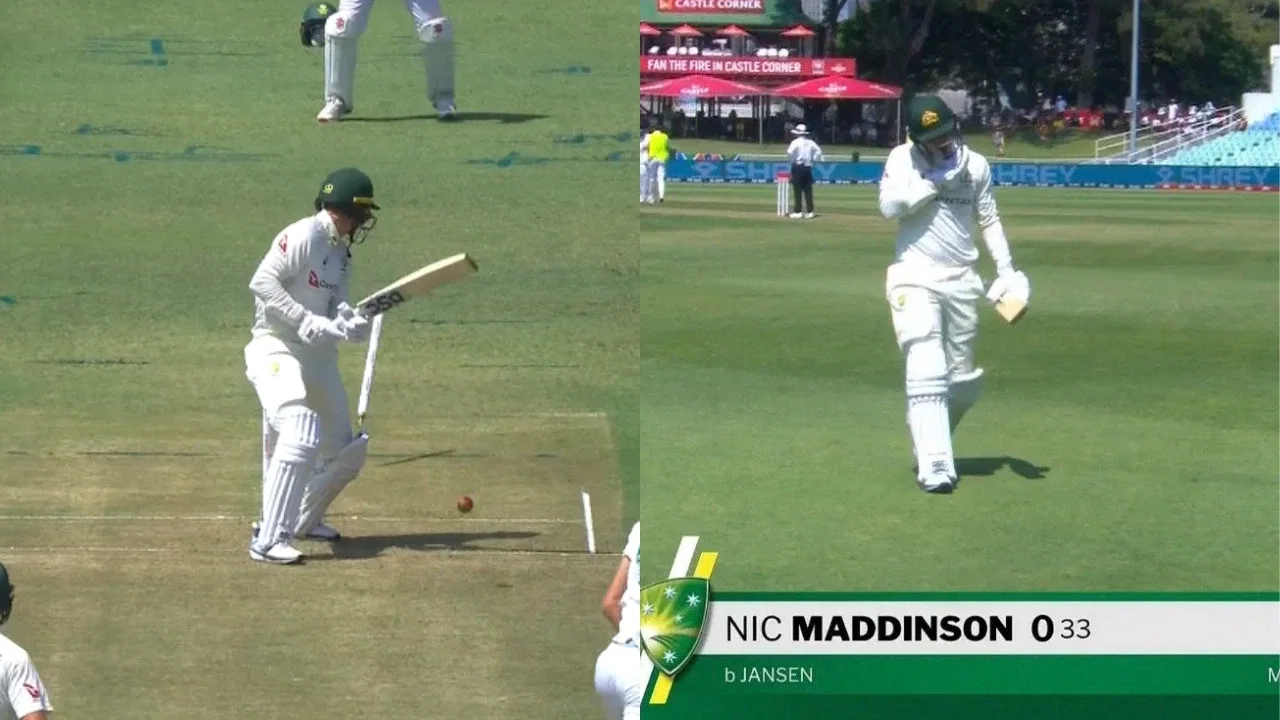
Nic Maddinson bags 33-ball duck on Test comeback, disappoints George Bailey

Imran Tahir predicts 2027 ICC ODI World Cup Semi-Finalists, snubs India for title
Australia create unwanted history with first all-30-plus Test XI
Ravindra Jadeja returns to Ranji Trophy as Saurashtra announce squad