

Devdutt Padikkal misses double century by one run in controversial fashion against New Zealand A
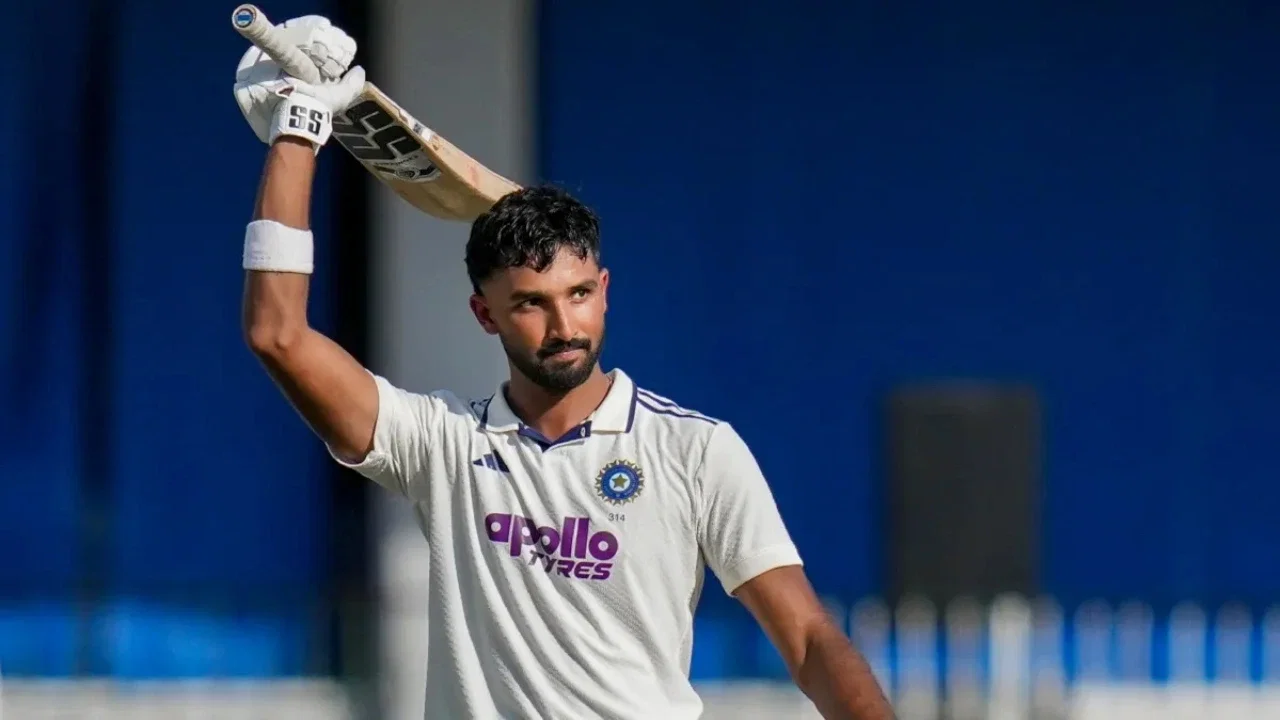
Devdutt Padikkal Falls One Run Short of Double Century in Dramatic India A Comeback
Devdutt Padikkal produced a commanding innings for India A against New Zealand A, but his bid for a second first-class double century ended in agonising fashion. The left-handed batter was dismissed for 199 on the third day of the second unofficial Test in Lincoln on Monday, October 26, after an appeal for a catch behind was upheld.
Padikkal’s innings was the defining performance of the match so far. After India A were bowled out for just 113 in their first innings, the Karnataka batter helped transform a difficult position into a strong one, combining with Sai Sudharsan and Yash Rathod to put the visitors back in control. His dismissal sparked debate, but the scale of his contribution was unmistakable: India A had recovered from a substantial deficit and built a lead of their own.
A fluent innings ends at 199
Padikkal resumed on an unbeaten 56 and continued to play with assurance against the New Zealand A attack. He mixed crisp drives and controlled strokes through the off side with confident shots elsewhere, steadily turning his start into a major innings. After lunch, he reached his century with a six and then increased the pace as India A looked to make the most of their recovery.
He eventually scored 199 from 248 deliveries, striking 24 fours and three sixes at a rate of 80.24. The innings was notable not only for its volume of runs but also for its timing: India A needed a batter capable of absorbing pressure after their early collapse, and Padikkal provided both stability and momentum.
The decisive moment came in the 89th over, shortly before tea. Fast bowler Zak Gibson sent down a delivery on the leg side. Padikkal appeared to miss his attempted shot, and the ball carried through to wicketkeeper Mitchell Hay. New Zealand A appealed, and the umpire raised a finger for a catch behind. Padikkal looked surprised by the decision and appeared to believe there was a clear gap between his bat and the ball.
With no review available to change the call, Padikkal had to leave the field one run short of a double century. The dismissal made him the first India A batter to be out for 199, turning an exceptional innings into an especially memorable near-miss.
Partnerships reshape the match
Padikkal’s most substantial stand was a 215-run partnership with Sai Sudharsan. The pair rebuilt the innings after India A’s top order had been dismantled, rotating the strike and punishing loose deliveries without allowing the scoring rate to stall. Their partnership shifted the pressure back onto New Zealand A, who had looked firmly in command after taking a large first-innings lead.
Sudharsan also came close to a landmark, but his innings ended at 99. Kristian Clarke dismissed him in the 62nd over, denying the left-hander a century and bringing a promising partnership to a close. Sudharsan’s contribution nevertheless proved crucial: it gave Padikkal the support needed to anchor the recovery and helped India A establish a platform for the middle order.
After Sudharsan’s departure, Padikkal joined Yash Rathod, and the two added another 142 runs from 142 balls. Their brisk partnership ensured India A continued to build rather than retreat into a defensive approach. Rathod’s support was particularly valuable as Padikkal moved deeper into his innings and the prospect of a double century came into view.
India A recover from a difficult start
The scale of the turnaround becomes clearer when set against the first innings. India A managed only 113, before New Zealand A responded with 317 to take a substantial advantage. The visitors then suffered another early setback in their second innings, losing KL Rahul and Yashasvi Jaiswal inside the first five overs on Day 2.
Jaiswal was caught after facing a bouncer, while Rahul was bowled after accidentally dislodging his own stumps as he attempted to deal with a ball rolling towards them. Dhruv Jurel also fell cheaply for two, leaving India A in immediate trouble. At that stage, New Zealand A had every reason to expect a quick end to the visitors’ resistance.
Instead, Padikkal’s composure and his partnerships with Sudharsan and Rathod changed the match’s direction. By the time he was dismissed, India A had moved to 378 for six after 92 overs and had extended their overall lead to 174 runs. Washington Sundar, unbeaten on 44, and Auqib Nabi, unbeaten on 21, were at the crease, giving the visitors further opportunity to add to their advantage.
What Padikkal’s performance means
Although the final score stopped at 199, Padikkal’s innings offered a strong demonstration of his ability to respond to pressure in a multi-day contest. He had to rebuild after early wickets, negotiate an attack that had already dismissed India A for a low total, and then maintain his concentration through a long stay at the crease. His century after lunch marked a change in tempo, while his extended partnerships helped make the recovery substantial rather than temporary.
For India A, the immediate priority will be to turn that recovery into a position from which they can push for a result. The remaining batters can add valuable runs, while the bowling group will need to use the lead effectively when New Zealand A return to bat. The match’s prediction is now far less straightforward than it appeared after the first innings: India A have regained momentum, but the outcome will depend on how much more they score and how effectively they bowl.
Padikkal will leave Lincoln without the double century he seemed poised to claim, yet his 199 remains the central story of the contest. It rescued India A from a precarious position, delivered a record first for the team, and set up a tense final phase in the second unofficial Test.
Latest News

SA vs BAN Playing 11 Today, Live Streaming, Pitch & Weather: South Africa tour of Bangladesh 2026, 2nd Test

AUS vs ENG Playing 11 Today, Live Streaming, Pitch & Weather: England tour of Australia 2026, 2nd T20I

Blair Tickner ruled out of 2nd Test vs India, replacement named

Tim Paine and Justin Langer face fresh questions over Australia’s ball-tampering scandal

India tour of Bangladesh gets fresh hope as BCB confirms talks with BCCI

Tom Latham opens up on soft ball problem and saliva ban after draw against India

Ajinkya Rahane slams Tilak Varma for publicly criticising Shahbaz Ahmed after India A’s defeat

ICC to introduce IPL-style bat checks in international cricket

“Smiling Laughing doesn’t happen”: R Ashwin’s dig at India’s approach after draw vs New Zealand

“Not good enough for Test cricket”: Scott Styris, Sunil Gavaskar slam Wellington pitch

Dodda Ganesh declares India ‘out of WTC final race’ after Wellington Test draw

Ajinkya Rahane criticises Shubman Gill for abusing Akash Deep in 1st Test vs New Zealand

‘Why so many boundary riders?’ Dinesh Karthik questions Shubman Gill’s captaincy after Wellington Test

“I just want to enjoy my life”: Yash Dayal reflects on his return to cricket


