

Devon Conway taken to hospital after nasty collision with Matt Henry during training
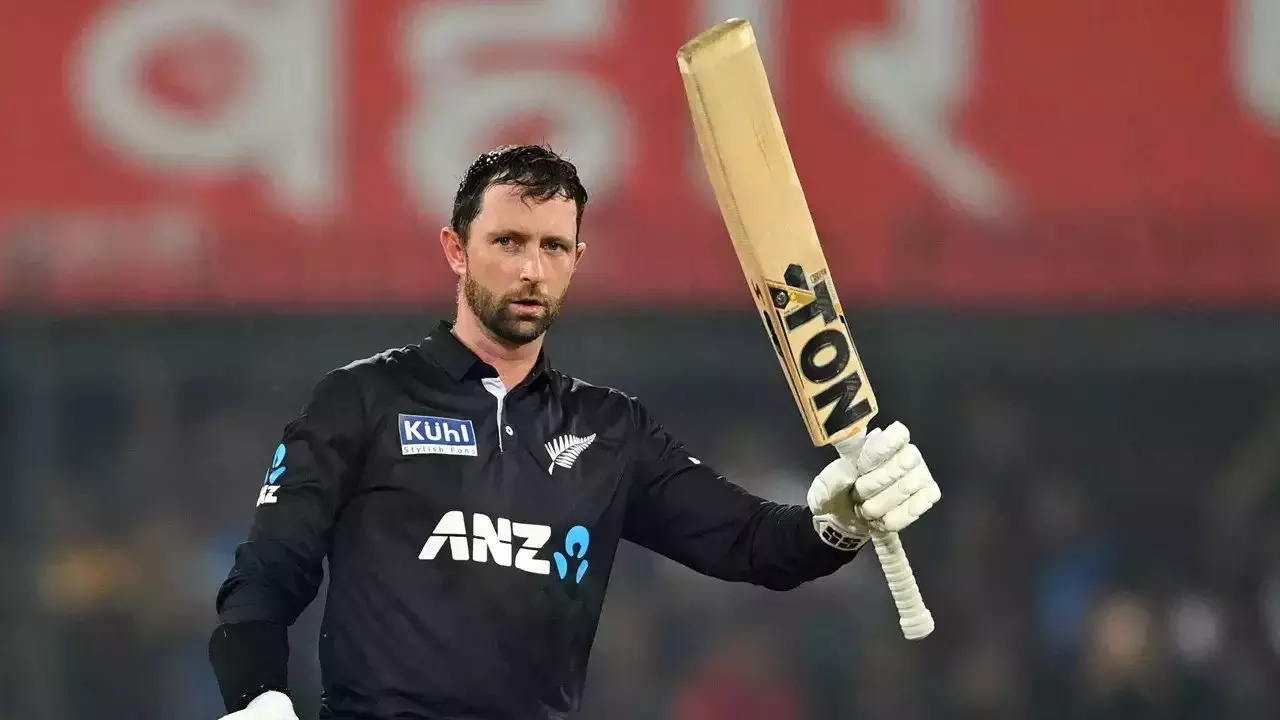
Devon Conway Injury Puts New Zealand’s ODI Plans in Doubt Ahead of India Series
New Zealand are waiting on medical advice after opener Devon Conway was taken to hospital following a head injury in a training-ground collision with fast bowler Matt Henry. The incident occurred during a fielding session on Tuesday, leaving Conway’s availability uncertain for the first ODI against India—and potentially for further matches in the five-game series.
The opening match is scheduled for Wednesday, November 4, at Eden Park in Auckland. With the series beginning so soon after the accident, New Zealand’s management will need to weigh Conway’s recovery carefully before confirming the team’s batting order. A head knock is treated with particular caution in professional cricket, and the decision will depend on medical assessment rather than the team’s immediate need for an experienced opener.
Conway Taken to Hospital After Training Collision
New Zealand captain Mitchell Santner confirmed that Conway left the practice ground for further examination. Speaking after the session, Santner said the collision had looked concerning and that the team would not rush to make a decision about the batter’s availability.
“It didn’t look too good, actually, the collision,” Santner said. He added that head injuries must be taken seriously and that the squad had a replacement batter ready if Conway could not play. New Zealand will wait to see how Conway responds to the assessment before settling on its opening combination.
The incident also prompted concussion checks for Henry, who was assessed at the ground and appeared to be doing well. However, the bowler’s own place in the first ODI is uncertain for a separate reason: he sustained a minor quadriceps injury during the T20I series. Henry joined the ODI squad on Monday, but New Zealand will evaluate his fitness before deciding whether he is ready to return to action.
Tim Seifert Could Step Into the Opening Role
If Conway is ruled out, Tim Seifert is the leading candidate to take his place in the XI. The wicketkeeper-batter has recently given New Zealand a timely reminder of his ability, scoring 93 runs in the fifth T20I against India in Hamilton on Sunday, November 1. His innings helped the hosts secure a victory and finish the five-match T20I series on a positive note.
Seifert was initially selected for only the fourth and fifth ODIs. But after Rachin Ravindra’s injury setback, he was added to the squad for the first three matches on Monday. He will now remain with the group for the full series and could be called upon immediately if Conway is unavailable.
Although Seifert has not played an ODI since April 2025, his recent form strengthens his case. His aggressive approach could offer New Zealand a different option at the top of the order, particularly against an Indian attack that will be looking to exploit any uncertainty in the hosts’ lineup. The final selection, however, will depend on Conway’s medical update and the balance New Zealand want across the batting and wicketkeeping positions.
New Zealand Managing Multiple Injury Concerns
Conway’s injury is the latest challenge for a New Zealand side already dealing with several absences. Mark Chapman and Ravindra have both been ruled out of the ODI series, prompting selectors to make changes and add depth to the squad.
Chapman sustained his injury while playing in the inaugural European T20 Premier League in September. Ravindra is recovering from a dislocated right shoulder suffered during a promotional shoot for Sky. He landed awkwardly on a safety mat while attempting a catch and is not yet ready to field at full capacity. The all-rounder remains on track, however, to return for the two-Test series against India.
To cover the gaps, New Zealand have brought in four additional players. Experienced batter Henry Nicholls is available for the first three ODIs, while Dean Foxcroft has been included for the final two. Matt Fisher will stay with the squad throughout the series as an additional seam-bowling option.
Several fast bowlers were not considered for selection because of existing injuries. Will O’Rourke, Zak Foulkes and Ben Sears are all unavailable, further limiting New Zealand’s pace resources. Henry’s fitness will therefore be important—not only for the opening match but also for how the team manages its bowling options across a demanding schedule.
India Arrive After a Dramatic T20I Series
The ODI series follows a closely contested T20I campaign. India won the first three matches to take an early series lead, but New Zealand responded by claiming the final two games. That late turnaround gives the hosts confidence heading into the longer format, while India will aim to carry its strong start into the 50-over matches.
The five ODIs are set to move from Auckland to Wellington on Saturday before continuing in Hamilton next Tuesday. With matches scheduled across different venues, squad depth and player fitness could prove just as influential as form. New Zealand’s selectors must balance the value of experienced players with the need to avoid aggravating injuries early in the tour.
What Conway’s Status Could Mean for the Series
Conway’s availability is a key early prediction point for the opening ODI. If he is cleared to play, New Zealand would retain a familiar top-order partnership and avoid making a last-minute change. If medical staff advise against his return, Seifert’s recent T20I performance makes him a credible replacement rather than a purely emergency choice.
For now, the team has not confirmed its opening pair. Conway’s hospital assessment, Henry’s quadriceps recovery and the wider injury list will all shape New Zealand’s plans at Eden Park. The priority is clear: make a safe, informed decision before the first ball, even if that means reshaping the lineup at short notice. The latest medical update will determine whether the hosts begin the India ODI series with their first-choice opener or turn to Seifert for an immediate opportunity.
Latest News

SA vs BAN Playing 11 Today, Live Streaming, Pitch & Weather: South Africa tour of Bangladesh 2026, 2nd Test

AUS vs ENG Playing 11 Today, Live Streaming, Pitch & Weather: England tour of Australia 2026, 2nd T20I

Blair Tickner ruled out of 2nd Test vs India, replacement named

Tim Paine and Justin Langer face fresh questions over Australia’s ball-tampering scandal

India tour of Bangladesh gets fresh hope as BCB confirms talks with BCCI

Tom Latham opens up on soft ball problem and saliva ban after draw against India

Ajinkya Rahane slams Tilak Varma for publicly criticising Shahbaz Ahmed after India A’s defeat

ICC to introduce IPL-style bat checks in international cricket

“Smiling Laughing doesn’t happen”: R Ashwin’s dig at India’s approach after draw vs New Zealand

“Not good enough for Test cricket”: Scott Styris, Sunil Gavaskar slam Wellington pitch

Dodda Ganesh declares India ‘out of WTC final race’ after Wellington Test draw

Ajinkya Rahane criticises Shubman Gill for abusing Akash Deep in 1st Test vs New Zealand

‘Why so many boundary riders?’ Dinesh Karthik questions Shubman Gill’s captaincy after Wellington Test

“I just want to enjoy my life”: Yash Dayal reflects on his return to cricket


