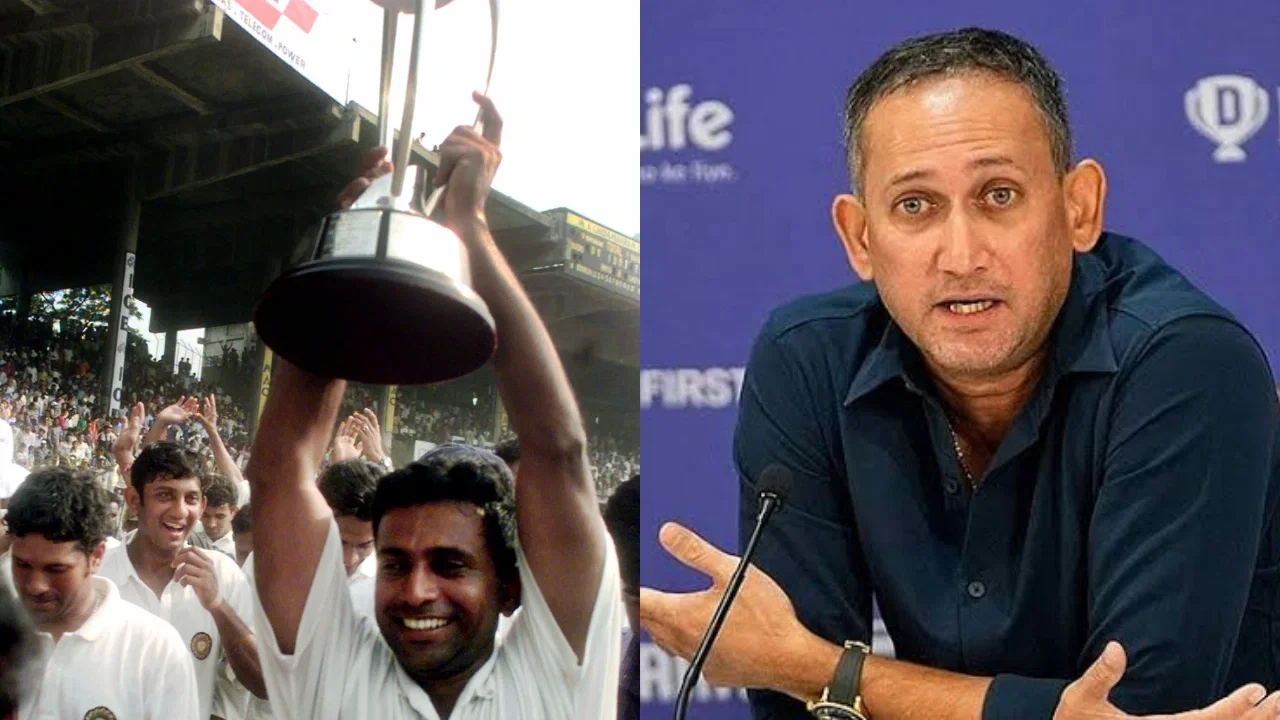
Dhananjaya de Silva quits as Sri Lanka Test captain with immediate effect
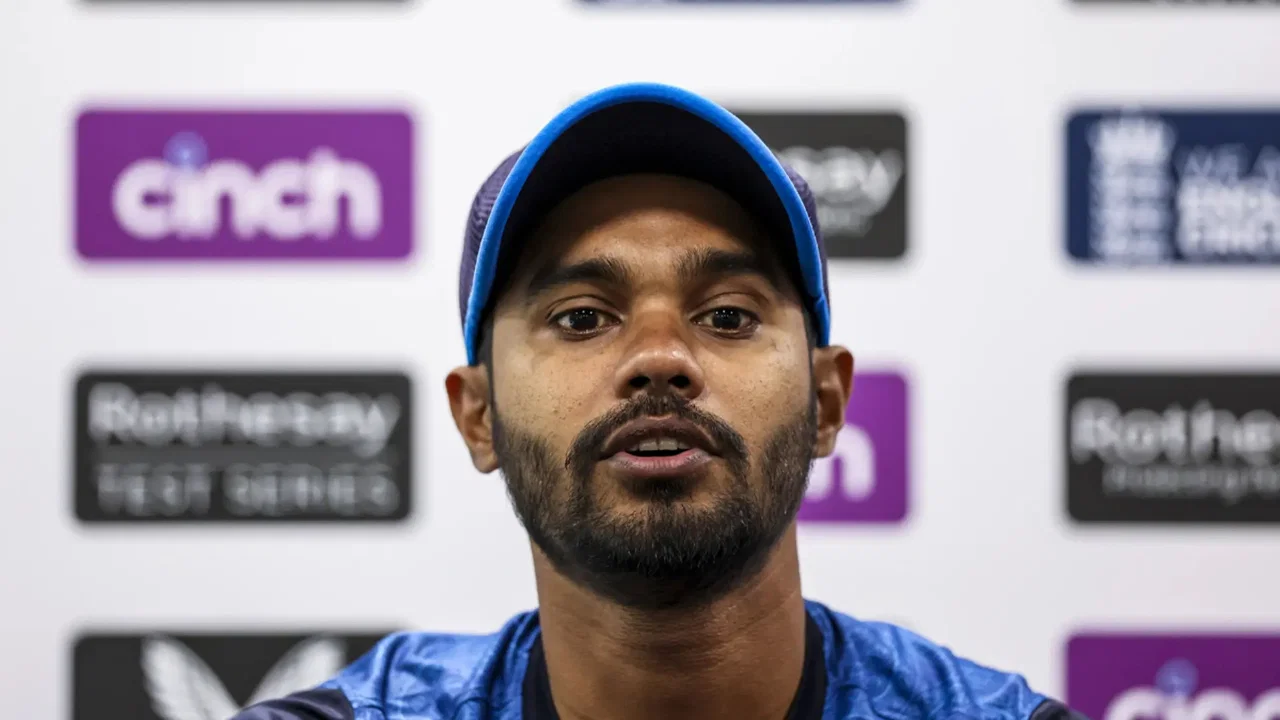
Dhananjaya de Silva Resigns as Sri Lanka Test Captain: A New Chapter Begins for the Island Nation’s Cricket
In a significant development within Sri Lanka’s cricketing landscape, Dhananjaya de Silva has announced his immediate resignation from the role of Test captain, marking the end of a tumultuous and transformative two-and-a-half-year leadership period. This decision, confirmed by Sri Lanka Cricket (SLC) on Thursday, October 8, signals a pivotal moment as the national team prepares for the next phase of its cricketing journey amid the ongoing challenges of maintaining competitive edge in Test cricket.
Understanding the Context of De Silva’s Leadership
Taking over the reins in January 2024, Dhananjaya de Silva stepped into the captaincy following the departure of Dimuth Karunaratne. His appointment came at a time when Sri Lanka was grappling with rebuilding efforts after a series of disappointing results in international cricket. De Silva’s leadership tenure was notable not only for the matches he led but also for the contrasting dynamics of experience and youth within the team.
De Silva, an accomplished all-rounder renowned for his resilience with both bat and ball, inherited a squad eager to forge a new identity on the international stage. His decision to step down underscores a broader strategic shift, emphasizing the development of emerging talent and the need for fresh leadership to steer Sri Lanka in the highly competitive arena of Test cricket.
Performance Record: A Snapshot of De Silva’s Captaincy
During his tenure as captain, Dhananjaya de Silva led Sri Lanka through 18 Test matches spanning from 2024 to 2026. His record includes winning seven matches, losing eight, and drawing three, culminating in a win percentage of approximately 38.9%. While these figures reflect a challenging period for Sri Lanka’s Test side, they also highlight de Silva’s resilience and his commitment to steadying the ship amid fluctuating performances.
Among Sri Lanka’s captains, de Silva’s experience ranks him among the more seasoned leaders, yet his win percentage trails behind some of the most successful captains in the country’s cricketing history. For comparison, Arjuna Ranatunga remains the most experienced Test captain with 56 matches, while legends like Sanath Jayasuriya and Mahela Jayawardene boast 18 wins each from 38 matches. Angelo Mathews and Dimuth Karunaratne have also led the team with notable success, securing 13 and 12 victories respectively. This historical context offers insight into the challenges and expectations faced by de Silva during his leadership.
Key Highlights and Notable Achievements
Despite the hurdles, de Silva’s captaincy witnessed several memorable moments that lifted team morale and showcased individual brilliance. A highlight was Sri Lanka’s impressive victory over Bangladesh in March 2024, where de Silva’s twin centuries played a crucial role in a commanding win by 328 runs. This match not only demonstrated his batting prowess but also underscored the team’s potential when functioning cohesively under his leadership.
Earlier, the team secured a one-off victory against Afghanistan shortly after de Silva assumed captaincy, signaling a positive start to his tenure. These performances provided hope for Sri Lanka’s Test future, especially as they navigated the complex landscape of international cricket marked by stiff competition from top-tier teams like India, Australia, and England.
De Silva’s Decision: Passing the Torch to the Next Generation
In a candid statement, Dhananjaya de Silva expressed his belief that the time has come for a new leader to guide the Test team into its next chapter. He emphasized his commitment to remaining an active player, ready to contribute with his skills as a batsman and all-rounder, but stepping aside from the captaincy to facilitate a generational shift.
“It’s my genuine opinion that the mantle should go down to the next generation,” de Silva explained. “Rather than waiting for a future change, I believe it’s best to step aside now and allow fresh leadership to take the team forward.”
This move aligns with broader trends in cricket, where teams increasingly prioritize nurturing young talent and building resilient leadership structures to sustain long-term success. De Silva’s decision reflects a mature understanding of team dynamics and the importance of strategic succession planning.
Acknowledgment and Future Prospects
Sri Lanka Cricket expressed gratitude for de Silva’s contributions, recognizing his leadership during a period of transition. SLC CEO Ashley de Silva highlighted the platform that de Silva’s leadership provided for the team’s development and assured fans that the all-rounder remains a key part of Sri Lanka’s cricketing future.
“Sri Lanka Cricket wishes him the very best for the remainder of his career and thanks him for the leadership he provided to our Test team,” said Ashley de Silva. The organization has yet to announce his successor, but the decision will undoubtedly influence the team’s preparations for upcoming assignments, including the next cycle of the World Test Championship (WTC) scheduled for 2025-2027.
De Silva’s Final Series: A Summary of the Last Battles
De Silva’s final series as captain was a closely watched two-match series against India in August 2026. India, one of the world’s leading Test teams, proved formidable, winning the opening Test in Galle by a substantial margin of 165 runs. India’s dominant first innings score of 462, followed by a second innings of 193, overwhelmed Sri Lanka’s efforts, as the hosts were bowled out for 284 and 206 in their respective innings.
De Silva’s valiant effort in the second innings, where he scored a fighting 59, was a testament to his resilience. Despite his contribution, India secured the victory, leaving the series at 1-0 in their favor. The second Test, held at the Sinhalese Sports Club in Colombo, ended in a draw, marking the conclusion of de Silva’s captaincy era on a note of resilience amid adversity.
Implications for Sri Lanka’s Cricket Future
The departure of de Silva as captain opens a new chapter for Sri Lanka’s cricketing ambitions. As the team looks to rebuild and develop a more competitive edge in Test cricket, the selection of a new captain will be a critical decision. The process will involve evaluating emerging leaders who can inspire confidence and stability within the squad.
Moreover, this transition offers an opportunity for Sri Lanka to focus on nurturing young talent and fostering a culture of resilience and adaptability—traits essential for success in the ever-evolving landscape of international cricket. Experts predict that the team’s future performance will hinge on how effectively the new leadership can harness the potential of promising players and implement strategic long-term plans.
Conclusion: A Turning Point in Sri Lanka’s Cricketing Journey
Dhananjaya de Silva’s decision to step down as Sri Lanka’s Test captain marks a significant milestone in the country’s cricketing narrative. His leadership, characterized by perseverance and a commitment to team development, leaves behind a legacy of resilience and hope. As Sri Lanka prepares to appoint a new captain and navigate the upcoming challenges of the 2025-27 World Test Championship cycle, all eyes will be on the emerging leaders poised to shape the future of Sri Lankan cricket.
Prediction remains a challenging aspect of sports analysis, but one thing is clear: the island nation’s cricketing fraternity is optimistic about the possibilities that lie ahead. With strategic leadership and a focus on youth development, Sri Lanka aims to restore its stature in Test cricket and inspire a new generation of cricket enthusiasts both at home and around the world.
Latest News
Aaryavir Sehwag and Anvay Dravid set to make headlines at U19 Asia Cup 2026
Longest ducks in Test cricket history ft. Nic Maddinson, Shoaib Akhtar
ECB to offer 39 central contracts to England players after Ben Stokes, Mark Wood’s retirement
Steve Smith surpasses Steve Waugh in all-time Test run-scorers’ list
Shane Watson identifies Gautam Gambhir’s biggest problem as India struggle for consistency
Is Bhuvneshwar Kumar in India’s 2027 World Cup plans? Ajinkya Rahane makes revelation
BCCI’s big ₹127 Crore move after injury crisis raises concerns over Team India
Parthiv Patel reveals RCB ignored his Jasprit Bumrah recommendation in IPL 2014 Auction
“Never spoke ill of any faith”: Irfan Pathan hits back at fake news using his name
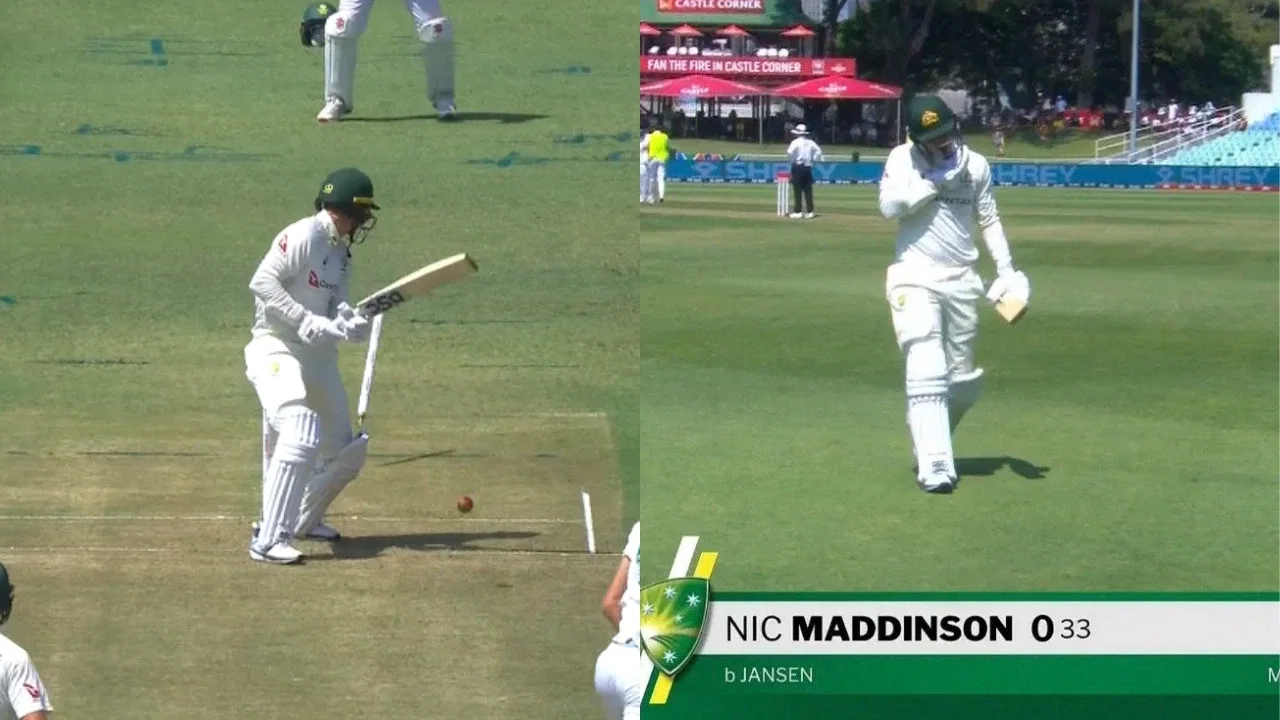
Nic Maddinson bags 33-ball duck on Test comeback, disappoints George Bailey
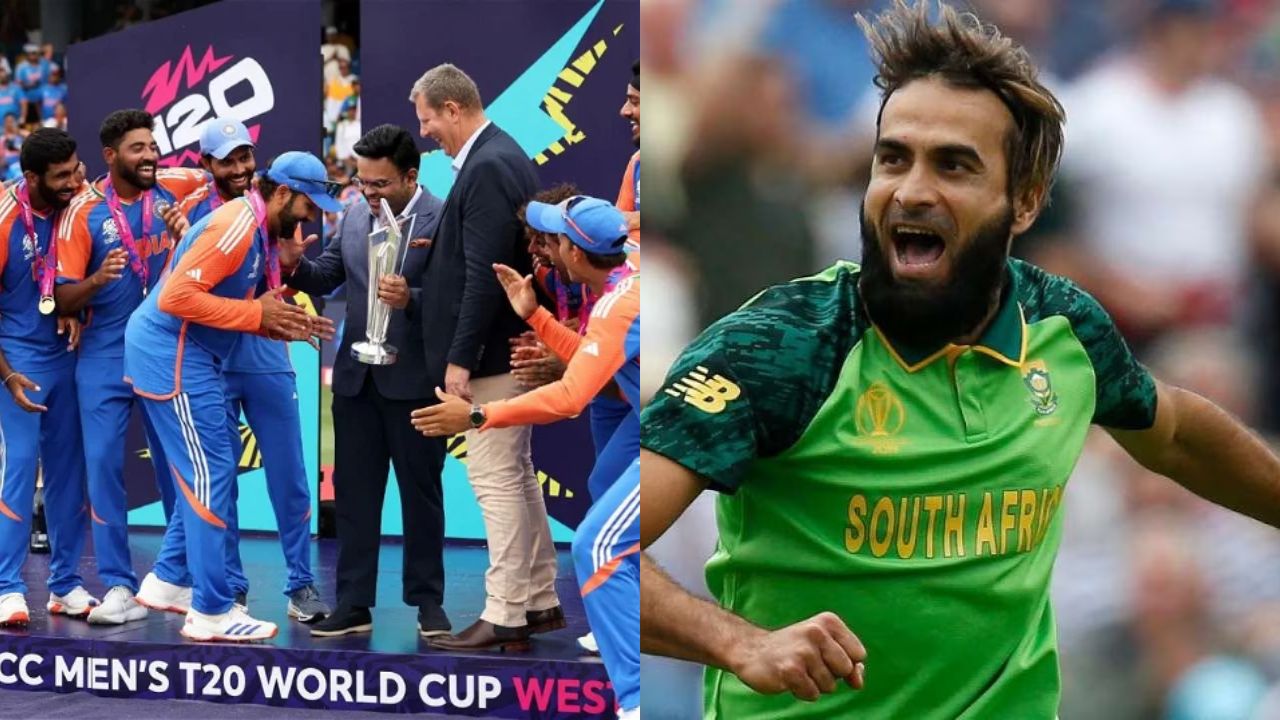
Imran Tahir predicts 2027 ICC ODI World Cup Semi-Finalists, snubs India for title
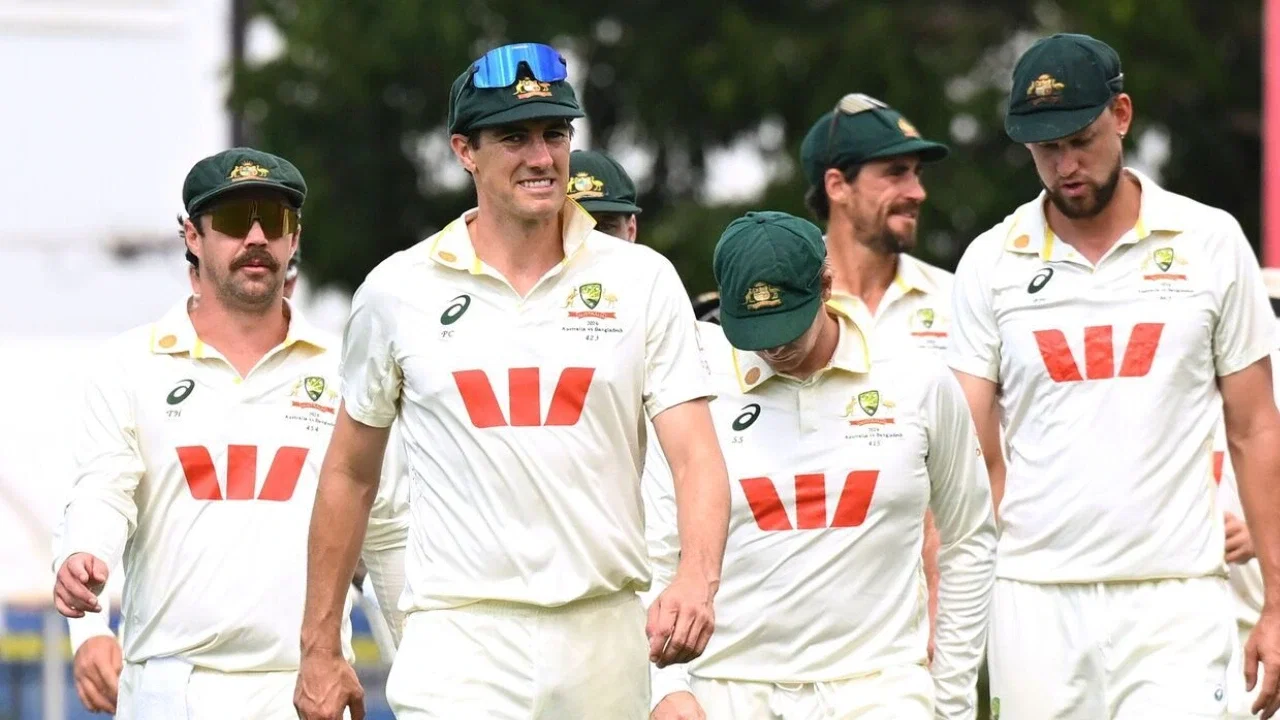
Australia create unwanted history with first all-30-plus Test XI
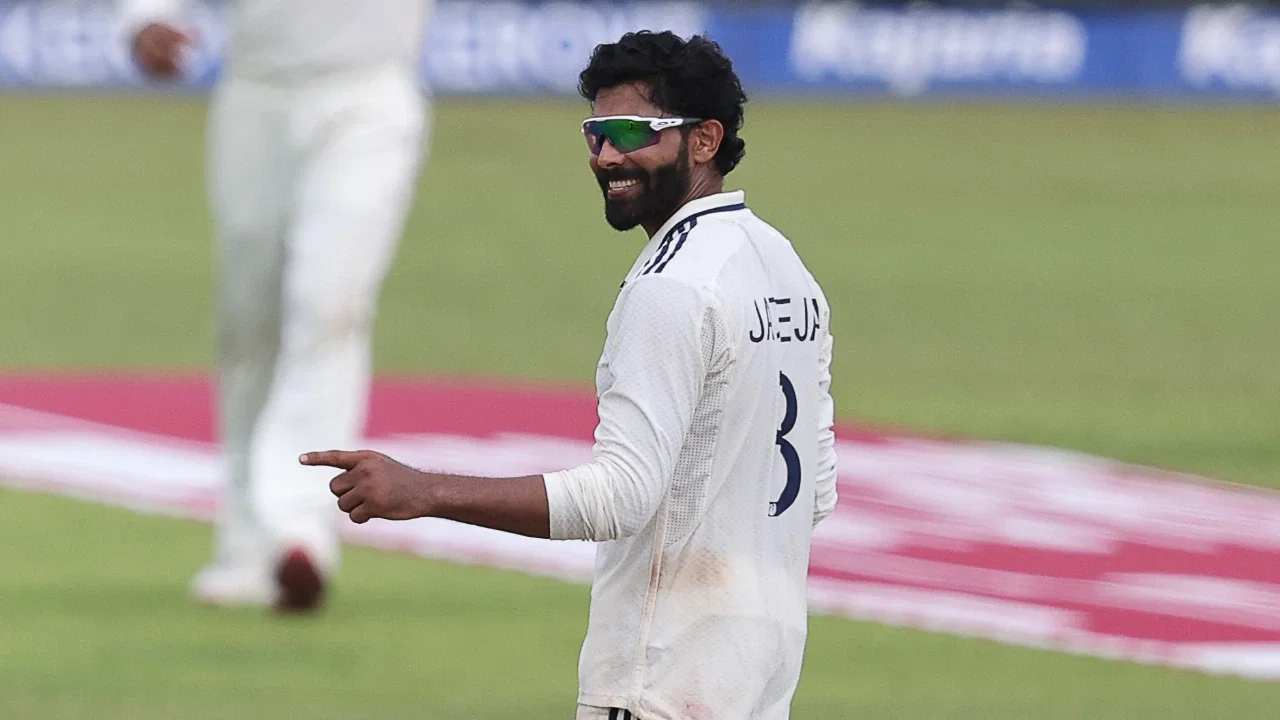
Ravindra Jadeja returns to Ranji Trophy as Saurashtra announce squad
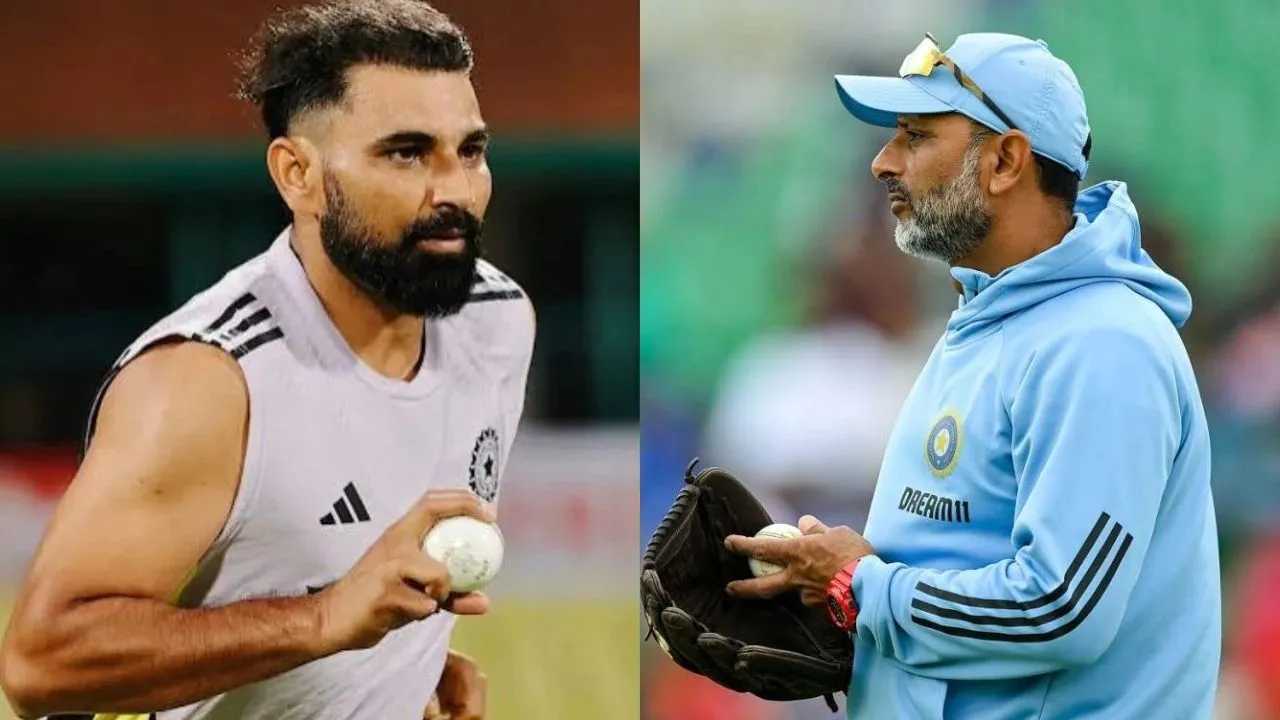
Sitanshu Kotak breaks silence on Mohammed Shami’s India comeback