Dharamshala deemed unfit for India A Women vs Australia A Women match, venue changed
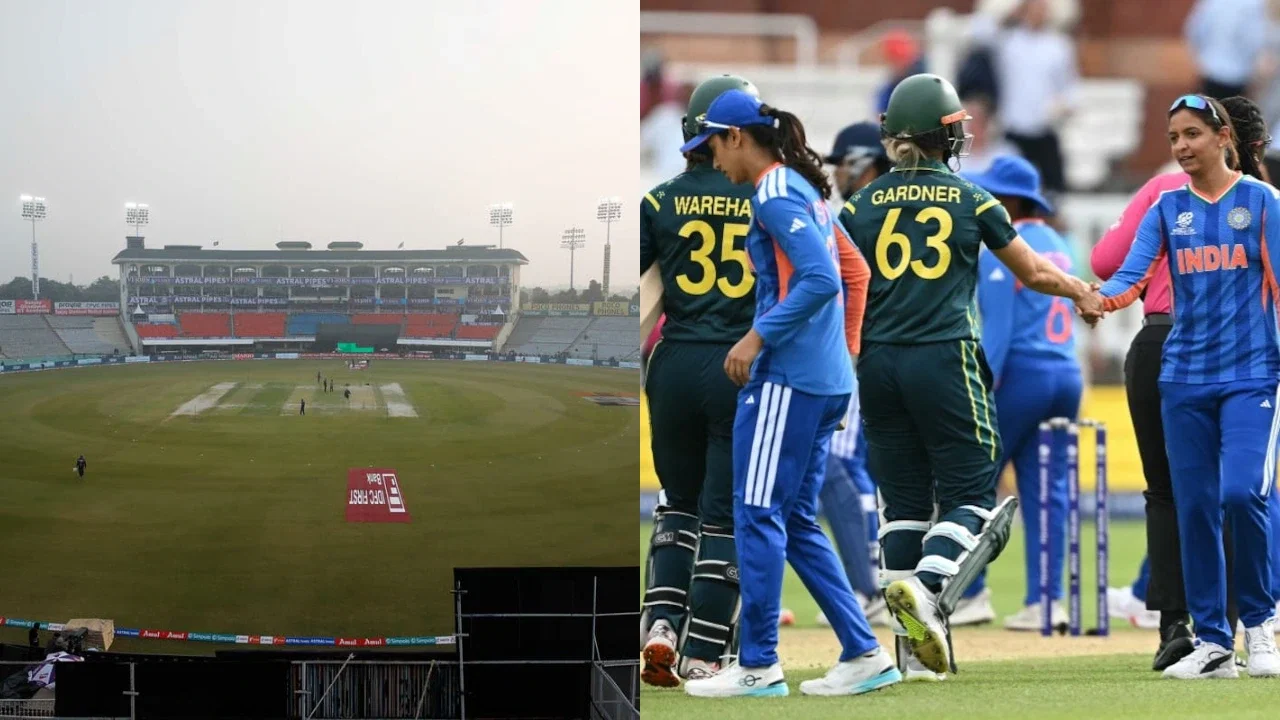
Major Venue Change for India A Women vs. Australia A Women Multi-Day Match Due to Weather Conditions
In a significant development that underscores the unpredictable nature of cricket scheduling, the Board of Control for Cricket in India (BCCI) announced a last-minute venue change for the upcoming multi-day match between India A Women and Australia A Women. Originally slated to take place in Dharamsala from September 29 to October 2, 2026, the fixture has now been shifted to Mohali due to adverse weather conditions, specifically persistent rainfall affecting the hill city’s ground conditions.
Understanding the Context: The Significance of the Match
This four-day fixture is an integral part of the ongoing development series aimed at strengthening India’s women’s cricket team by providing competitive exposure against formidable international opponents. These matches serve as crucial platforms for emerging talents to showcase their skills and stake claims for inclusion in the senior national team.
Moreover, this prediction-heavy fixture is seen as a key indicator of form and readiness ahead of upcoming international tournaments. Cricket analysts and fans alike keep a keen eye on such multi-day matches, as they often forecast the future trajectory of players and team strategies.
Weather Woes Force Venue Shift: From Dharamsala to Mohali
The original schedule for the India A Women versus Australia A Women game was to be hosted at the Himachal Pradesh Cricket Association Stadium (HPCA) in Dharamsala. However, relentless and heavy monsoon rains have severely impacted the ground’s outfield, raising concerns over the safety and quality of play. The BCCI, prioritizing player safety and ensuring optimal pitch and outfield conditions, decided to relocate the match.
In an official statement released by the BCCI, it was confirmed that: “The multi-day fixture between India A Women and Australia A Women, scheduled from September 29 to October 2, 2026, has been shifted to Mohali.” This move aims to guarantee a fair and uninterrupted cricketing experience for both teams, as well as to maintain the standards expected in international and domestic cricket.
Why Mohali? Strategic Choice for the BCCI
The PCA IS Bindra Stadium in Mohali has long been regarded as one of India’s premier cricket venues, renowned for its well-maintained pitch and excellent drainage systems. Its capacity to handle adverse weather conditions more effectively than Dharamsala made it the ideal alternative venue. Additionally, Mohali’s central location in North India facilitates easier logistical arrangements for teams and officials, minimizing travel disruptions.
This prediction of venue shift also reflects the BCCI’s proactive approach to weather-related uncertainties, emphasizing their commitment to conducting high-quality cricket without compromise. Such decisions are often made based on detailed ground reports, meteorological forecasts, and ground staff assessments, showcasing the importance of strategic planning in cricket scheduling.
Implications for the Series and Future Fixtures
The move to Mohali is expected to have several implications beyond just the immediate fixture. It reinforces the importance of contingency planning in cricket tournaments, especially as climate change continues to bring unpredictable weather patterns. Cricket boards worldwide are increasingly adopting flexible scheduling and alternative venue arrangements to mitigate the impact of weather disruptions.
Furthermore, the prediction of such venue changes highlights the need for teams and players to adapt quickly to new conditions. For spectators and broadcasters, it underscores the importance of staying updated through official channels to avoid confusion and ensure seamless viewing experiences.
India’s Recent Triumphs and the Significance of International Exposure
While this particular fixture has encountered hurdles, India’s women’s cricket team continues to make headlines with their recent successes. Notably, India retained the Asian Games gold medal by defeating Sri Lanka convincingly in the women’s T20 final held in Nagoya, Japan. With a commanding victory margin of 147 runs, the Indian team demonstrated their growing prowess on the international stage.
This prediction-heavy triumph not only adds to India’s medal tally but also boosts morale and confidence among the players, especially emerging talents who are eager to make their mark in upcoming series. The victory is seen as a testament to the team’s strategic planning, skill development, and resilience—factors that contribute to their rising dominance in women’s cricket.
Celebrating Excellence: Tamil Nadu’s Kamalini Receives National Recognition
In the wake of this historic win, Tamil Nadu’s young cricketer Gunalan Kamalini, hailing from Madurai, received a special commendation from Tamil Nadu Chief Minister C. Vijay. Kamalini was part of the gold-medal-winning Indian squad and was recognized for her exceptional contribution. The government announced a cash award of Rs 75 lakh as a token of appreciation and encouragement for her future endeavors.
Chief Minister Vijay expressed his pride and support via social media, stating, “I extend my heartfelt congratulations to the Indian women’s team for their historic gold medal at the Asian Games and to Kamalini for her remarkable contribution. The government’s reward aims to inspire more young women from Tamil Nadu to pursue cricket and other sports.”
This recognition aligns with the prediction that grassroots-level support and recognition are vital for nurturing future sports stars, especially in a sport like cricket that enjoys immense popularity across India.
Looking Ahead: The Future of Women’s Cricket in India
The recent developments, including the venue change and India’s Asian Games success, highlight a positive trajectory for women’s cricket in India. The sport is witnessing unprecedented growth, fueled by increased investments, improved infrastructure, and a rising pool of talented players.
The prediction of ongoing series, tournaments, and milestones points towards a bright future, where India aims to establish itself as a powerhouse in women’s cricket globally. As the sport gains more visibility, the focus on strategic planning, weather preparedness, and talent development will be crucial for sustaining this upward momentum.
Final Thoughts: Embracing Challenges with Strategic Flexibility
The venue change for the India A Women versus Australia A Women match exemplifies how cricket boards must adapt to unpredictable weather patterns and logistical challenges. This prediction underscores the importance of flexible scheduling, contingency planning, and proactive decision-making in modern cricket management.
As fans, players, and officials look forward to the upcoming fixtures, the emphasis remains on ensuring that cricket continues to thrive despite climatic and environmental hurdles. The resilience shown by the BCCI and the Indian cricket community promises an exciting future for women’s cricket, marked by continued success, international recognition, and inspiring stories like that of Kamalini from Tamil Nadu.
Stay tuned for further updates on cricket fixtures, player performances, and the evolving landscape of women’s cricket in India and beyond.
Latest News
The Pindiz deny M. Ahsan Tahir’s ‘Ultimatum’ over Mohammad Rizwan-NCCIA case

Ravichandran Ashwin reveals retirement conversation with Ajit Agarkar

Rinku Singh urges selectors to pick Rohit Sharma, Virat Kohli for 2027 World Cup

Gautam Gambhir reveals why Shubman Gill is lucky to have Rohit Sharma and Virat Kohli around

Mike Hesson identifies India as Pakistan’s benchmark before Asian Games

Mohammad Kaif predicts Tilak Varma or Shivam Dube will make way for Vaibhav Sooryavanshi

Ashley Noffke leaves Pakistan role to become Netherlands head coach
Ashley Noffke leaves Pakistan role to become Netherlands head coach

Ravichandran Ashwin hails Gautam Gambhir over Sanju Samson Selection controversy

Abrar Ahmed becomes No.1 T20I bowler, Harry Brook to create history in ICC Rankings
Dharamshala deemed unfit for India A Women vs Australia A Women match, venue changed

Imran Tahir opens up on retirement plans

Ravichandran Ashwin slams BCCI CoE after Varun Chakravarthy’s fresh injury setback

South Africa suffer another injury blow! Kwena Maphaka ruled out of Australia ODI series