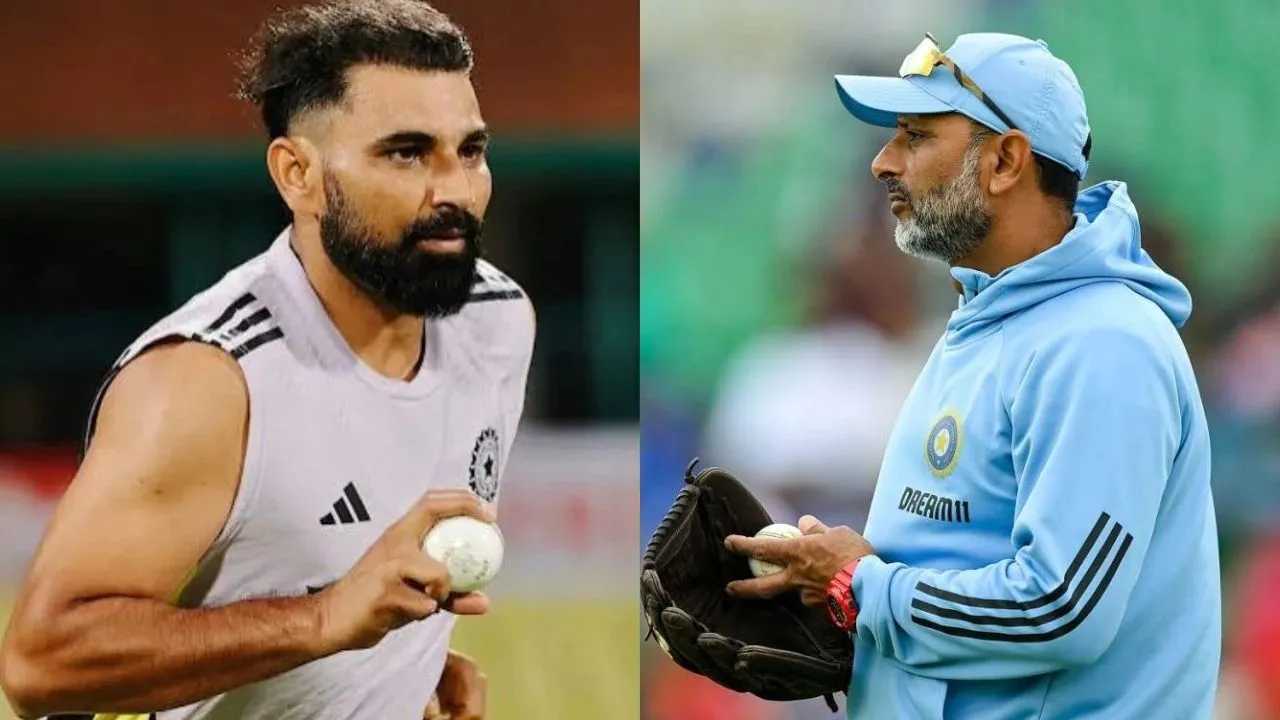
Dhruv Jurel reveals what happened in Yashasvi Jaiswal-Asitha Fernando fight
Understanding the Recent On-Field Confrontation: Yashasvi Jaiswal vs. Asitha Fernando
The second Test match between India and Sri Lanka at the historic Sinhalese Sports Club in Colombo witnessed more than just cricketing prowess; it became a stage for a spirited on-field confrontation that has since sparked widespread discussion among cricket enthusiasts and experts alike. At the heart of this incident was the young and talented Indian opening batter Yashasvi Jaiswal, whose fiery reaction to a provocative exchange with Sri Lankan fast bowler Asitha Fernando has raised questions about player conduct, emotional regulation, and the predictability of player responses in high-pressure situations.
What Exactly Happened on the Field?
The incident unfolded on Day 1 of the Test, during the 17th over of India’s first innings. Jaiswal, fresh off a successful batting spell where he scored 45 runs, was dismissed by Fernando, who had been bowling aggressively. Notably, Jaiswal responded to Fernando’s dismissive celebration with composure, walking back to the pavilion without any visible altercation. However, the situation escalated shortly after when Fernando, during his celebrations, directed verbal abuse towards Jaiswal.
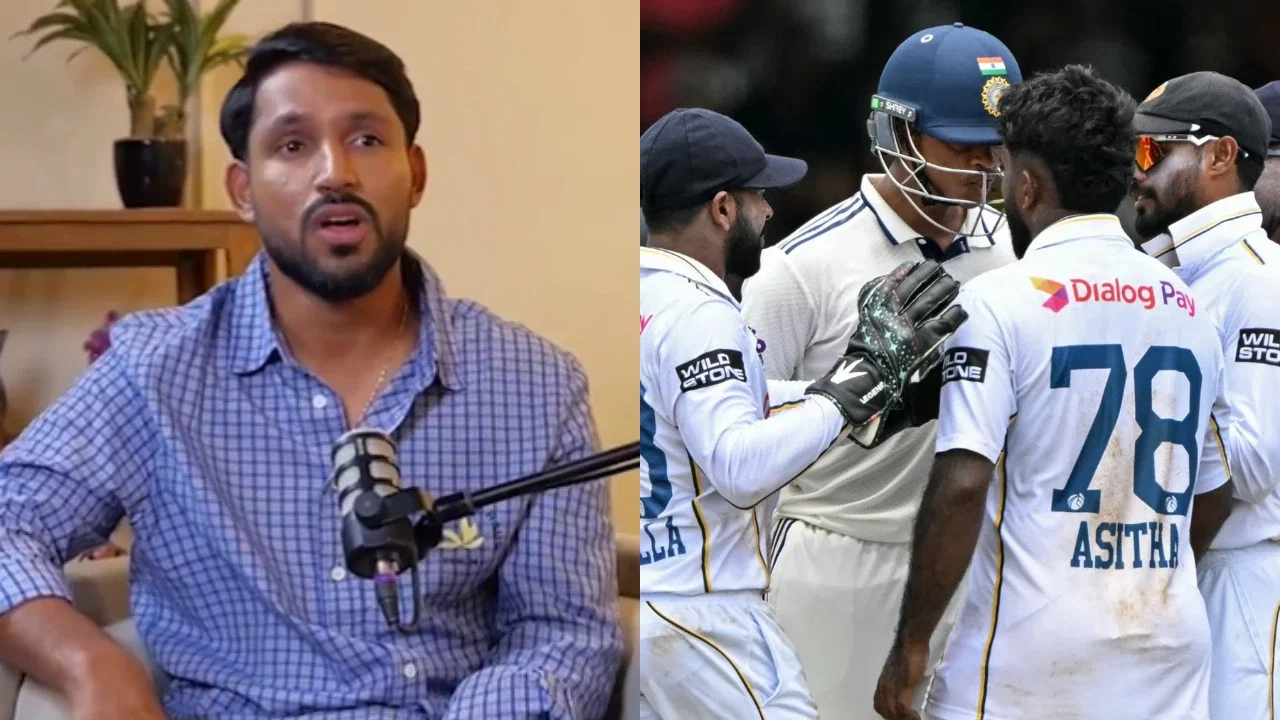
Dhruv Jurel, the Indian wicketkeeper and batter, shed light on the incident during an exclusive interview with renowned cricket analyst Aakash Chopra on his popular YouTube show, Baith & Bol. Jurel explained that Jaiswal, after being dismissed, was quietly walking away without creating trouble or exchanging words. It was only after Fernando’s abusive comments that Jaiswal’s temper flared, leading to a heated exchange that involved physical contact.
The Details Revealed by Dhruv Jurel
According to Jurel, Jaiswal’s reaction was rooted in frustration and a desire to stand up for himself. “When Yashasvi got out, he was just walking back, not saying anything,” Jurel recounted. “But Fernando was abusing him, which obviously triggered a reaction. Yashasvi is not someone who usually starts fights, but he doesn’t take abuse lightly.”
Jurel further emphasized that Jaiswal’s response was not premeditated but rather a spontaneous reaction to provocation. “Yashasvi told me, ‘Show me normal aggression. It’s okay. You took my wicket. You deserve that. But you can’t abuse me.’ That’s the kind of spirit he has—competitive but fair.”
Personality Traits and Playing Style of Yashasvi Jaiswal
Jurel highlighted Jaiswal’s personality, describing him as a focused, disciplined cricketer who typically maintains a calm demeanor on the field. His primary focus is his batting, often staying in his own zone, and refraining from unnecessary arguments. However, Jaiswal’s fiery temperament surfaces when provoked—an attribute that some experts see as a reflection of his competitive nature and passion for the game.
Cricket analyst Aakash Chopra also weighed in on Jaiswal’s aggressive attitude, noting that the young opener is unlikely to initiate confrontations but will stand his ground if challenged. “If someone gives it, he’ll give it back. 100%. He’s never started before, but if you cross the line, don’t expect him to stay silent,” Chopra stated. This prediction suggests that Jaiswal’s reaction is aligned with a competitive spirit rather than a penchant for trouble, making his conduct predictable in high-stakes matches.
The Incident’s Aftermath and Disciplinary Actions
The heated exchange between Jaiswal and Fernando did not go unnoticed. The International Cricket Council (ICC), which monitors conduct on the field, responded swiftly. Both players received fines—25 percent of their match fees—and were handed one demerit point each for their involvement in the altercation. The punishment underscores the importance of maintaining decorum during international fixtures, even amidst intense competition.
The Physical Aspect of the Confrontation
The confrontation escalated beyond verbal exchanges when contact was made. After Fernando dismissed Jaiswal with a well-placed delivery, the Sri Lankan bowler celebrated with an aggressive send-off. Jaiswal, initially walking away, turned back to confront Fernando. This led to a physical clash where Jaiswal’s helmet visor and forehead made contact with Fernando’s head, prompting immediate intervention by Sri Lankan captain Dhananjaya de Silva and other teammates.
This physical aspect of the confrontation drew particular attention, as it highlighted the emotional volatility that can surface during intense cricket matches. The ICC’s response—fining and demerit points—aims to send a clear message about the importance of sportsmanship and controlled conduct.
Expert Prediction and Future Implications
Analyzing the incident and Jaiswal’s temperament, cricket experts predict that such emotional reactions, while rare, are part of the evolving landscape of international cricket. As the game becomes more competitive and physically demanding, players’ emotional resilience is increasingly tested. Predictions indicate that Jaiswal’s fiery response is unlikely to be a one-off event but could serve as a catalyst for growth if managed well.
Sports psychologists and cricket strategists suggest that young players like Jaiswal could benefit from training focused on emotional regulation and stress management. This would enable them to channel their passion into positive energy, bolstering their performance and leadership qualities in future high-pressure situations.
What the Incident Means for the Future of Cricket
This incident also raises questions about the predictability of player behavior in international cricket. While many players are trained to maintain composure, emotional reactions are natural, especially during intense moments. The key lies in how players and teams handle these situations—whether they escalate into disciplinary issues or serve as learning opportunities.
Looking ahead, prediction models in sports analytics suggest that players exhibiting fiery personalities may become more prominent as cricket evolves into a game requiring not just skill but also mental toughness. Teams may now place greater emphasis on psychological training, equipping players with tools to manage their emotions and perform consistently under pressure.
Additional Context: The Broader Impact on Cricket Culture
The Jaiswal-Fernando confrontation is a reflection of the evolving cricket culture where emotional intensity is increasingly visible. While sportsmanship remains a core value, modern cricket recognizes that passion and competitiveness are integral to the game’s appeal. This incident, therefore, serves as a case study for the ongoing balance between aggressive play and maintaining respect on the field.
As cricket continues to grow globally, prediction models incorporating behavioral analytics may help identify players prone to such reactions, enabling teams to develop targeted strategies for managing player conduct. Moreover, media coverage and fan engagement around such incidents influence the narrative, emphasizing the importance of professionalism alongside sporting excellence.
Conclusion: A Learning Moment for All Stakeholders
The clash between Yashasvi Jaiswal and Asitha Fernando during the India-Sri Lanka Test at Colombo is more than just a moment of fiery on-field emotion; it reflects the complex interplay of passion, pressure, and sportsmanship in modern cricket. While the incident resulted in disciplinary action, it also offers valuable insights into player psychology, prediction of behavior, and the importance of emotional resilience in sports.
As cricket governing bodies and teams analyze these events, the focus will likely shift toward fostering a culture that encourages competitive spirit while emphasizing respect and discipline. The incident serves as a reminder that, in the world of international cricket, prediction extends beyond the ball and bat—predicting player behavior and emotional responses is equally vital for the sport’s future growth.
In conclusion, the incident at Colombo underscores the unpredictable yet fascinating nature of cricket—where talent meets passion, and every moment on the field can become a defining story. Fans, analysts, and players alike will be watching closely to see how this episode influences the sport’s evolution, making it a rich topic for prediction and discussion in the world of cricket.
Latest News
Top 10 highest run-chases in T20 cricket history, ft. West Indies’ Ranchi win vs India
Aaryavir Sehwag and Anvay Dravid set to make headlines at U19 Asia Cup 2026
Longest ducks in Test cricket history ft. Nic Maddinson, Shoaib Akhtar
ECB to offer 39 central contracts to England players after Ben Stokes, Mark Wood’s retirement
Steve Smith surpasses Steve Waugh in all-time Test run-scorers’ list

Shane Watson identifies Gautam Gambhir’s biggest problem as India struggle for consistency
Is Bhuvneshwar Kumar in India’s 2027 World Cup plans? Ajinkya Rahane makes revelation

BCCI’s big ₹127 Crore move after injury crisis raises concerns over Team India
Parthiv Patel reveals RCB ignored his Jasprit Bumrah recommendation in IPL 2014 Auction
“Never spoke ill of any faith”: Irfan Pathan hits back at fake news using his name
Nic Maddinson bags 33-ball duck on Test comeback, disappoints George Bailey
Imran Tahir predicts 2027 ICC ODI World Cup Semi-Finalists, snubs India for title
Australia create unwanted history with first all-30-plus Test XI
Ravindra Jadeja returns to Ranji Trophy as Saurashtra announce squad