

Dinesh Karthik raises alarm over Pakistan’s Test crisis after England humiliation
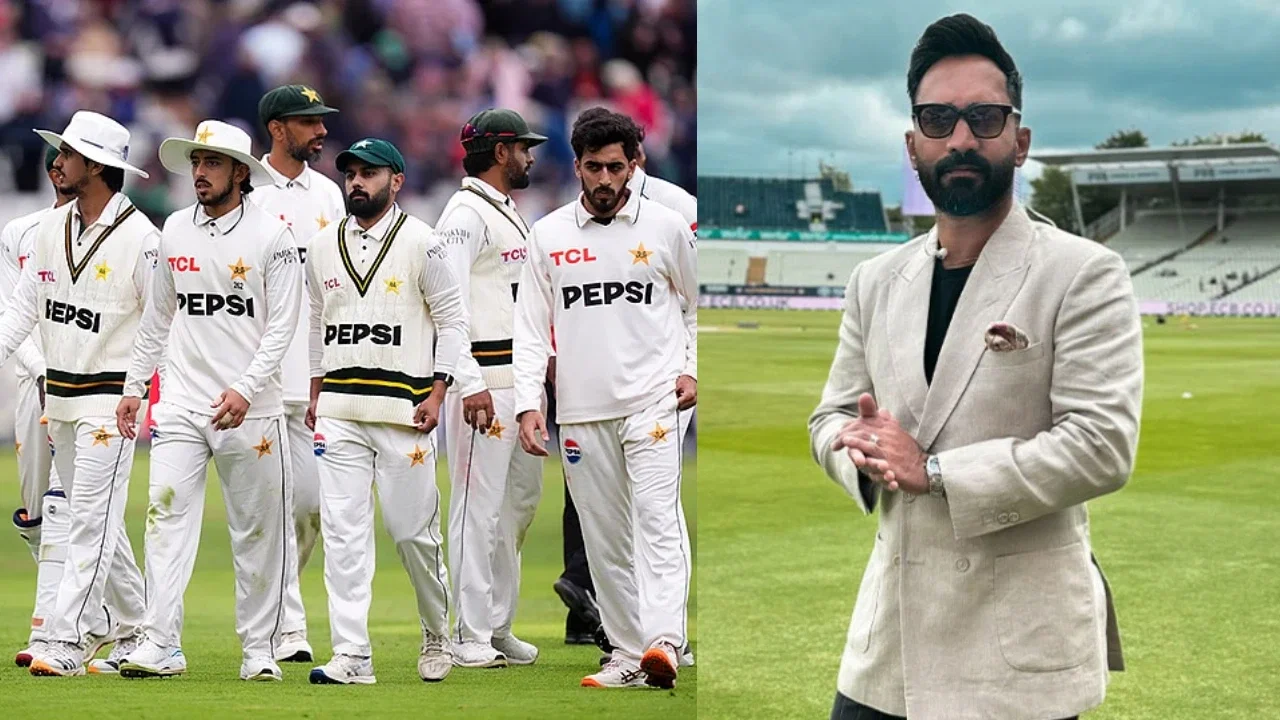
Prediction and Analysis: Dinesh Karthik Criticizes Pakistan’s Test Team After Embarrassing Series Loss in England
The recent Test series between Pakistan and England has left cricket enthusiasts and experts alike questioning the state of Pakistan’s red-ball cricket setup. The tourists suffered a humiliating 0-3 defeat on English soil, prompting sharp criticism from former players, analysts, and now, notably, Indian wicketkeeper-batter Dinesh Karthik. His candid assessment highlights deep-rooted issues within Pakistan’s Test squad, raising serious questions about selection policies, leadership, and coaching strategies — all of which could impact the team’s future predictions and prospects in the format.
Pakistan’s Disappointing Performance: A Closer Look
Throughout the series, Pakistan’s performances on the pitch were underwhelming, with the team displaying a lack of resilience and fighting spirit at crucial moments. The series was marked by a series of strategic missteps and apparent disarray within the team structure. Notably, Pakistan failed to even bat for 90 overs across their two innings in the first two Tests, a statistic that drew widespread criticism and underscored their inability to cope with English conditions.
While the pitches in England are known to favor seam and swing bowlers, they still present opportunities for the batter to showcase grit and adaptability. Karthik emphasized that despite the challenging conditions, a competent Test side should be able to endure and resist pressure for long periods. The fact that Pakistan struggled to do so, especially in the initial matches, pointed to deeper issues beyond mere pitch conditions.
Dinesh Karthik’s Candid Critique: ‘Very Ordinary’ Test Side
During a social media video, Karthik did not hold back in his assessment of Pakistan’s team. He described the side as “very ordinary,” asserting that their approach and execution fell well below the standards expected at the international level. His words echoed the sentiments of many cricket pundits who see Pakistan’s recent performances as a stark departure from the team’s storied history in Test cricket.
“When I watched the England versus Pakistan Test series, I couldn’t help but feel disappointed,” Karthik stated. “This Pakistan team, man, they are very ordinary. In the first two Tests, they didn’t even breach 90 overs across both innings. The wickets were spicy, yes, but they were still manageable. That’s not good enough for a team aspiring to compete at this level.”
He further criticized the team’s strategic decisions, especially the frequent changes in playing XI and support staff, which he believes have destabilized the team’s core. “They made seven changes after the second Test, including sacking the head coach Sarfaraz Ahmed and bowling coach Umar Gul. Such frequent upheavals disrupt consistency and morale, which is detrimental for long-term success,” Karthik added.
The Question of Selection and the Ignored Talent
One of the more pointed criticisms from Karthik revolved around the omission of promising young batter Razaullah. The 21-year-old scored an impressive 81 runs in the second innings of the third Test in Birmingham, yet he was not in the playing XI from the start. Karthik questioned this decision, implying that the selection process lacked transparency or strategic thought.
“Why was Razaullah not given an extended run from the beginning? He did well in the last match, so why not trust him earlier? The constant chopping and changing are indicative of a team that’s uncertain about its core. Such instability hampers performance and makes it difficult to build a winning mindset,” he explained.
Prediction: Is Pakistan’s Test Future at Risk?
Analyzing Pakistan’s current trajectory, Karthik expressed concern about the team’s ability to bounce back. His prediction hinges on whether the right structural and strategic adjustments are made promptly. Historically, Pakistan has been a formidable force in Test cricket, boasting a rich legacy of fast bowling and competitive batting. However, the recent series suggests that the team is currently far from its traditional strength.
“Prediction-wise, I think Pakistan’s Test team is at a crossroads,” said Karthik. “If they continue down this path of instability and poor selection, it’s hard to see how they can regain their footing in the format. Their rich heritage might give them a motivational boost, but it’s not enough without proper planning and execution.”
Implications for Pakistan Cricket: A Wake-Up Call
The series loss serves as a wake-up call for Pakistan cricket authorities. It exposes the urgent need for strategic overhaul, focusing on consistent selection policies, coaching stability, and mental resilience. The current crisis also raises questions about Pakistan’s prediction of future success in Test cricket and whether they can reclaim their status among the world’s elite teams.
Cricket analysts suggest that Pakistan must revisit their talent pipeline, invest in player development, and foster a culture of resilience and discipline. The series has also highlighted the importance of having a cohesive leadership structure that can inspire confidence and unity within the squad.
Looking Ahead: Can Pakistan Turn Things Around?
While the outlook appears bleak in the short term, cricket’s unpredictability leaves room for hope. Historically, Pakistan has bounced back from similar setbacks, often driven by emerging talent and strategic reforms. The key lies in how quickly and effectively the team management responds to the current crisis.
In the upcoming months, the focus will be on whether Pakistan can stabilize their selection process, bring consistency to the squad, and develop a resilient mental attitude. These elements are crucial if they are to improve their prediction of future performances and restore their reputation in the Test arena.
Final Thoughts: The Role of Leadership and Development
Ultimately, Pakistan’s Test cricket revival depends on strong leadership and strategic planning. The current series results underscore the importance of nurturing young talent, maintaining stability, and fostering a winning mentality. As Dinesh Karthik’s candid prediction suggests, unless these foundational issues are addressed, Pakistan’s hopes of restoring their Test dominance remain uncertain.
Cricket fans and experts will be watching closely to see if Pakistan can learn from this series defeat and implement the necessary reforms. The future prediction for Pakistan’s Test team hinges on their ability to adapt, evolve, and demonstrate resilience — qualities that have historically defined the nation’s cricketing spirit.
Conclusion
In the aftermath of Pakistan’s disastrous series in England, Dinesh Karthik’s sharp critique highlights the urgent need for introspection and change within Pakistan cricket. The series served as a stark reminder that tradition and talent alone are not enough; strategic planning, stability, and mental toughness are essential for success in the modern era of Test cricket. The prediction for Pakistan’s future in the format remains cautious, but with the right reforms, they could still reclaim their rightful place among the cricketing giants.
Latest News

GUY-W vs BAR-W Dream11 Prediction Today Match, My11Circle Prediction, Dream11 Team Today, Fantasy Cricket Tips, Playing XI, Pitch Report, Injury Update- WCPL, Match 6
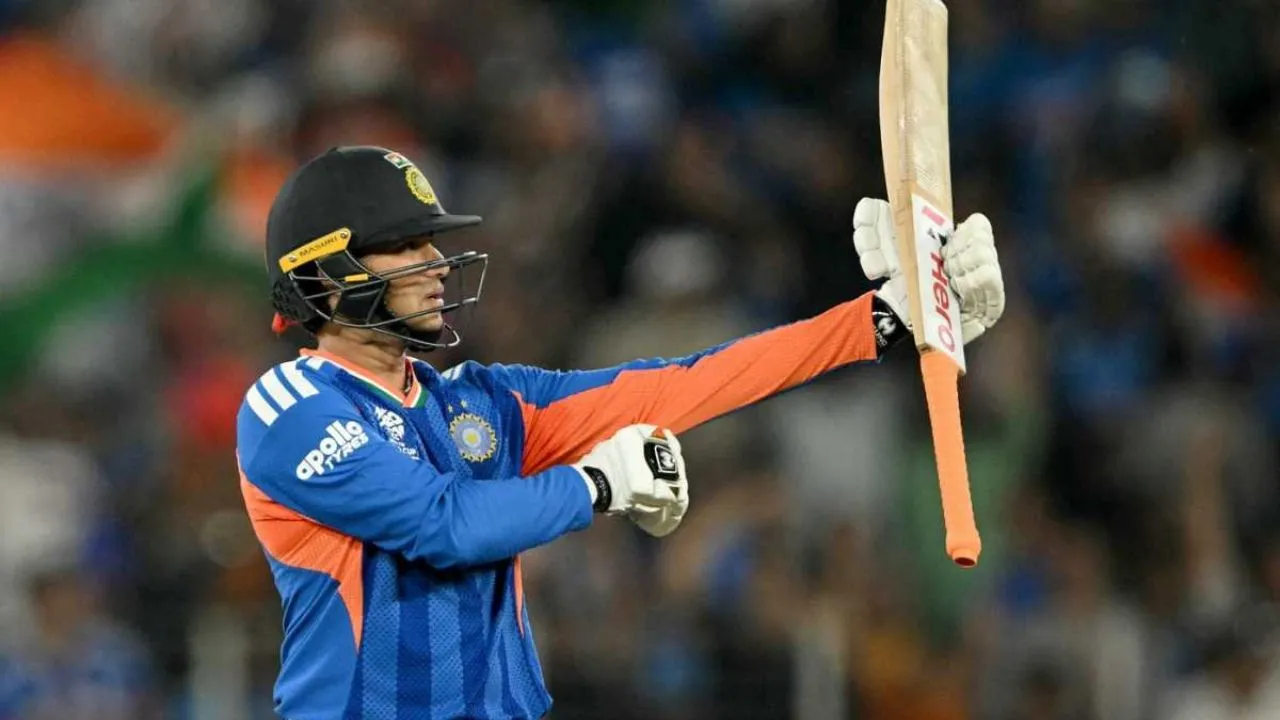
Abhishek Sharma smashes 20 runs off Fazalhaq Farooqi, becomes fastest Asian to 6,000 T20 runs
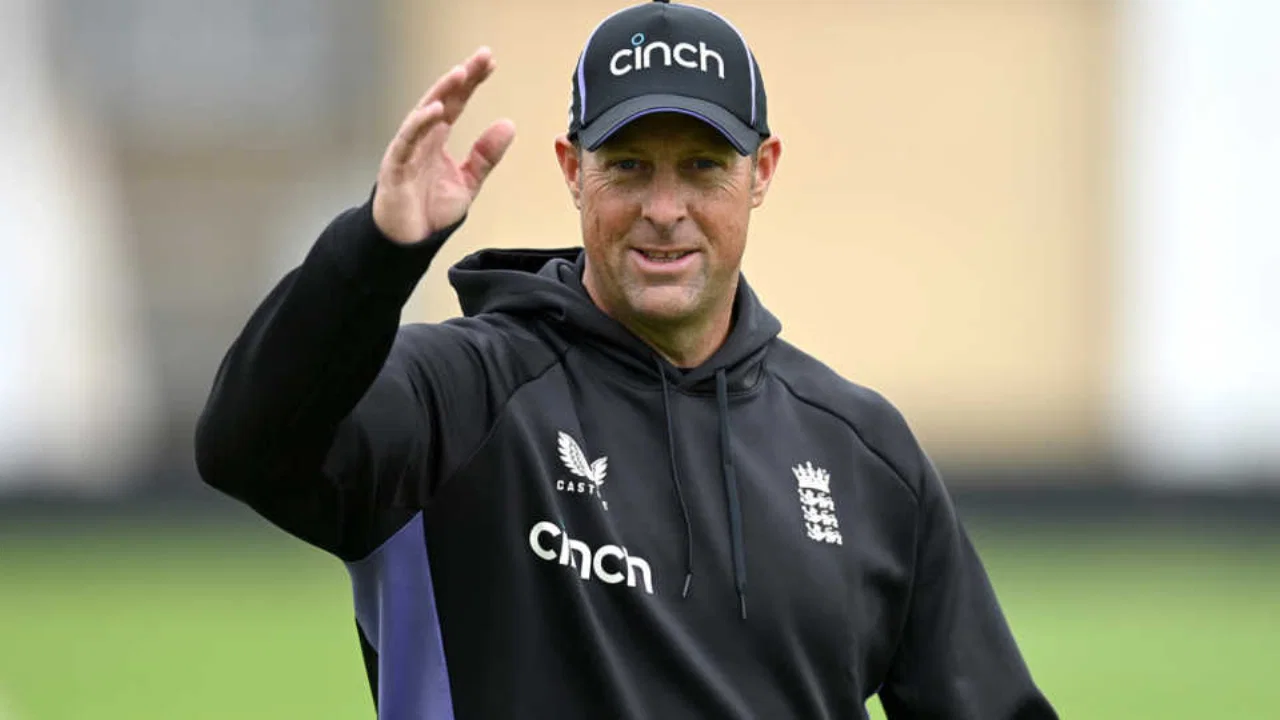
Marcus Trescothick reveals uncertainty over England Test role after impressive Pakistan series
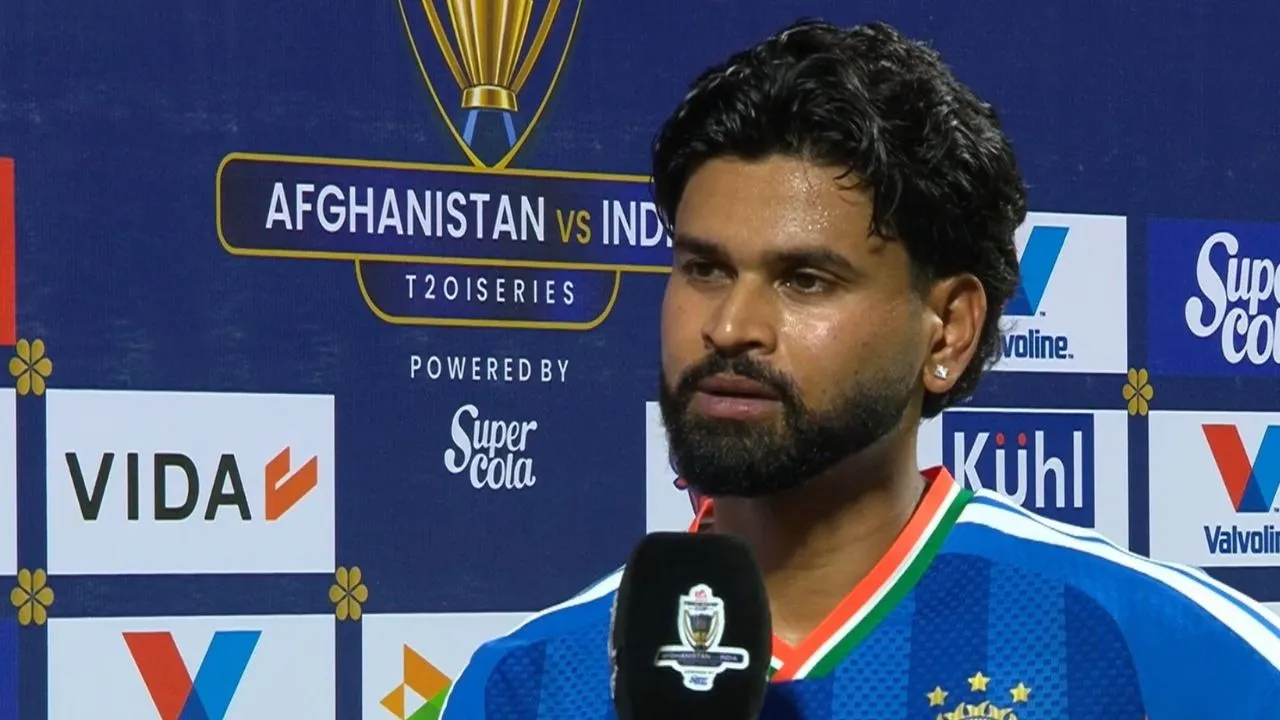
“Everyone worked in synergy”: Shreyas Iyer lauds India’s bowling attack after Afghanistan win
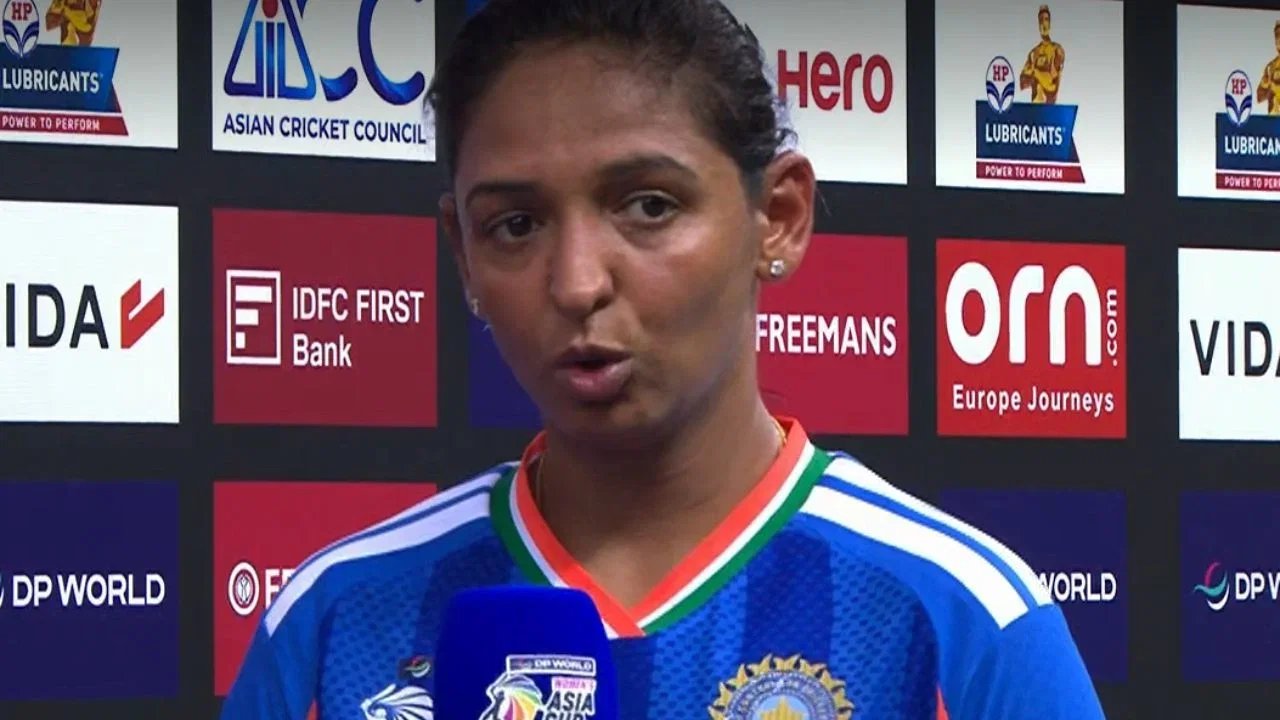
Harmanpreet Kaur hails India Women after unbeaten Asia Cup triumph over Sri Lanka
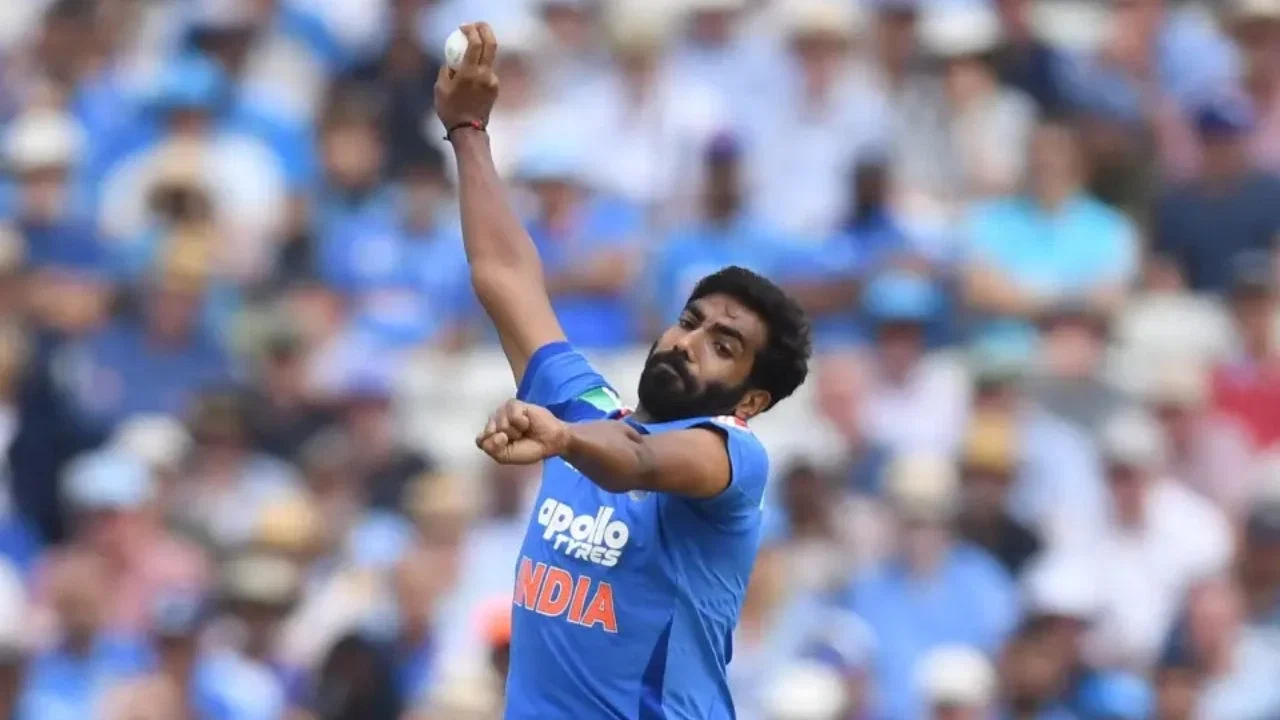
“It’s a luxury”: Shreyas Iyer breaks silence on Jasprit Bumrah’s return against Afghanistan
Jasprit Bumrah joins elite Indian club with 350th T20 wicket against Afghanistan

Why was Vande Mataram played ahead of India vs Afghanistan 1st T20I? Reason explained
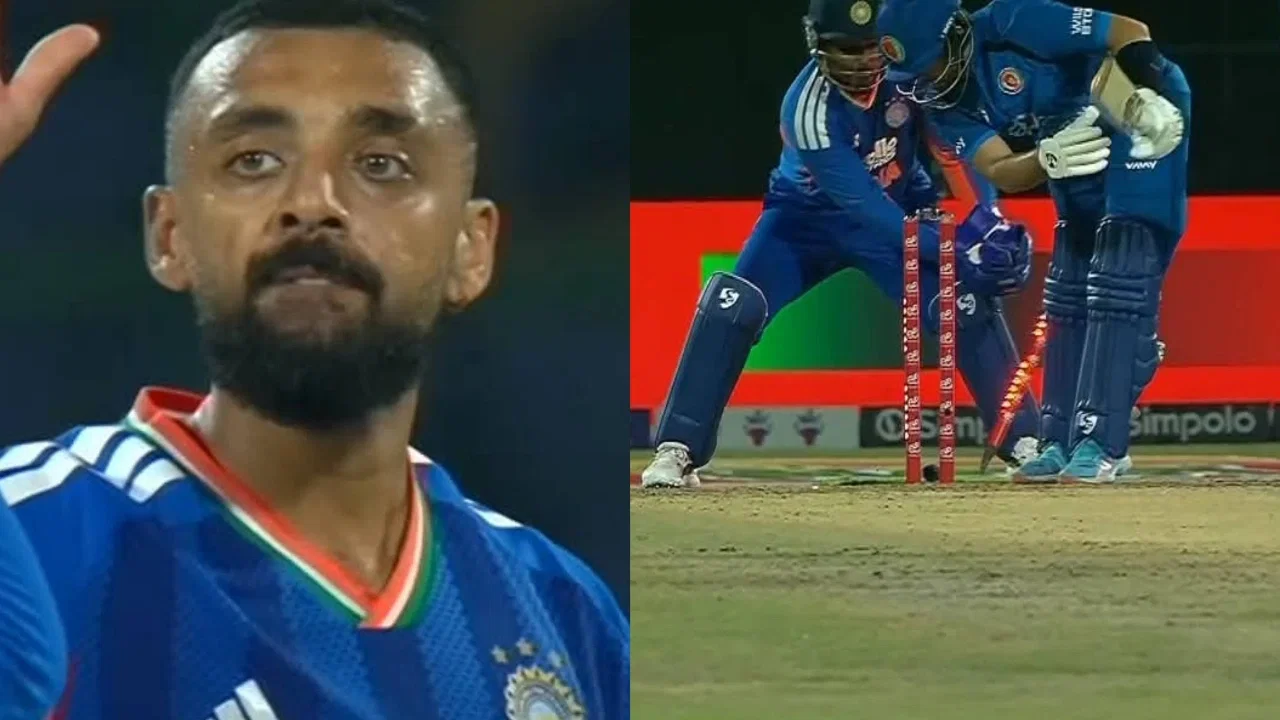
Varun Chakravarthy bamboozles Darwish Rasooli in IND vs AFG 1st T20I
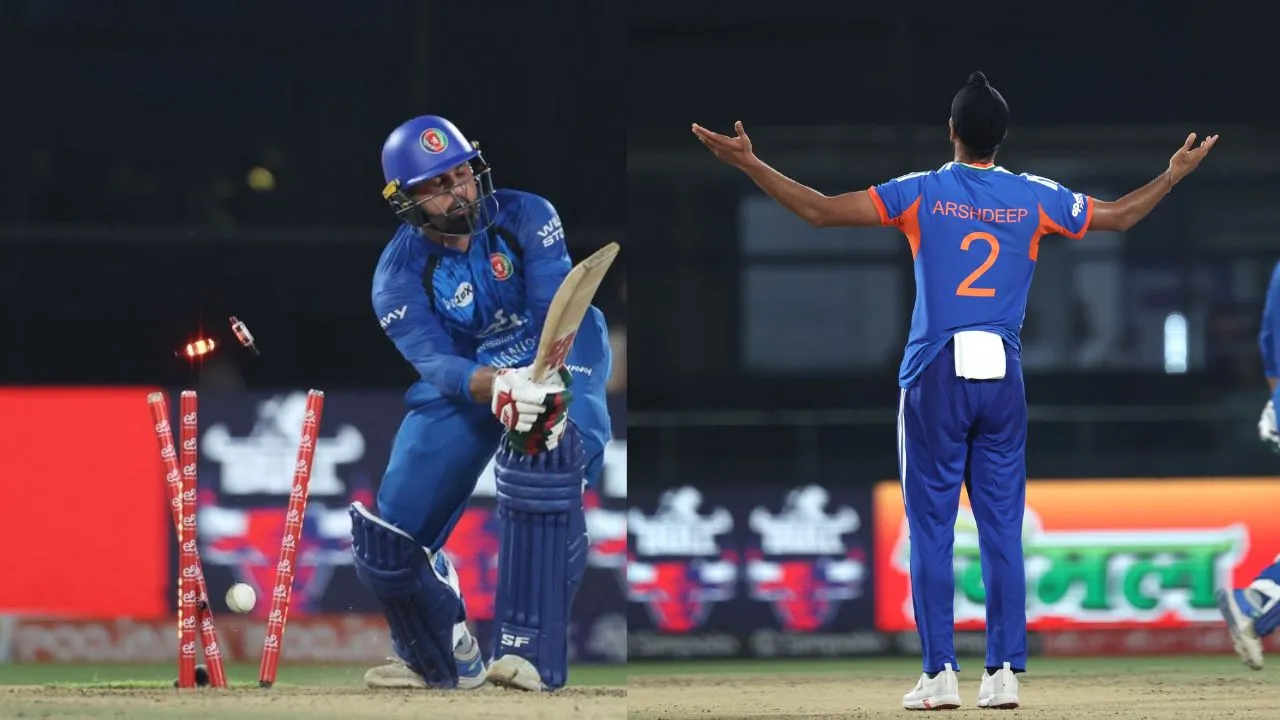
Watch: Arshdeep Singh rattles Mohammad Nabi in IND vs AFG 1st T20I
‘One good knock is not enough’: Pakistan ordered to move on from Shan Masood
Sunil Gavaskar slams Ishan Kishan and East Zone for defensive approach in Duleep Trophy final
Sanjiv Goenka breaks silence on Rishabh Pant after Delhi Capitals trade
India vs Mohsin Naqvi: Asia Cup trophy controversy takes another turn

