

“Don’t dismiss”: Auqib Nabi receives backing ahead of India vs West Indies 3rd ODI
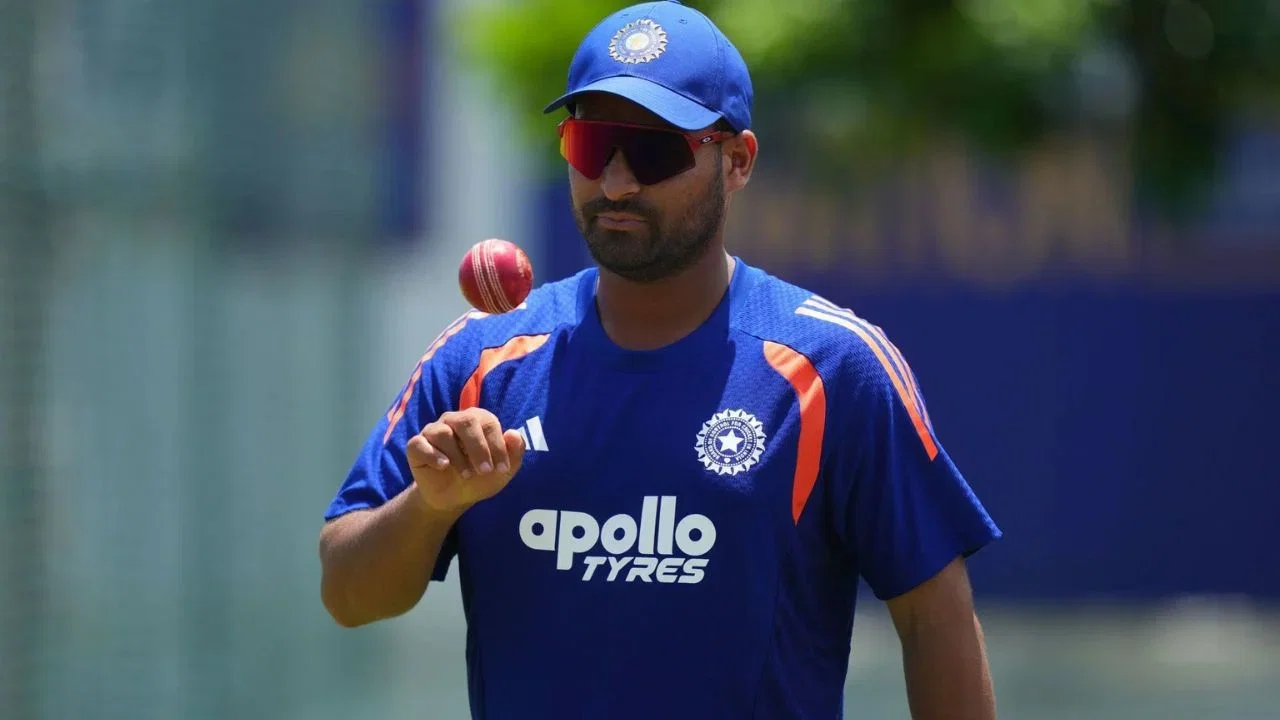
Debut Disappointment or Strategic Gamble? Auqib Nabi’s Role in India vs West Indies ODI Series Under the Spotlight
The recent one-day international (ODI) series between India and the West Indies has generated significant discussion among cricket enthusiasts and experts alike. Particularly, the debut of Auqib Nabi, who was handed his first cap in a high-stakes run-fest at the Barsapara Cricket Stadium, has become a focal point for analysis and prediction. While the series outcome remains favorable for India, with the team clinching victories in the first two matches, the debut performance of Nabi has sparked debate about his future in the squad and whether he should be retained for the upcoming third and final ODI.
Context of the Series and Nabi’s Debut
In the second ODI of the three-match series held in Guwahati, expectations were high for Auqib Nabi, the talented all-rounder known for his sharp bowling and handy batting skills. The Indian team management, perhaps aiming to evaluate new talent ahead of upcoming international assignments, surprisingly awarded Nabi his debut cap in this fixture. The choice was intriguing, given Nabi’s reputation as the highest wicket-taker in the Raji Trophy 2025-26, a domestic tournament that consistently showcases emerging talent from India.
However, the debut did not go as planned. Nabi’s first appearance for the national team was marred by a costly bowling performance. He finished his spell without claiming a wicket but conceded 84 runs in just 8.5 overs—a statistic that raised eyebrows among cricket pundits and fans alike. The flat pitch at Guwahati, known for favoring batsmen, appeared to be a challenging environment for a debutant pacer, especially one still finding his footing at the international level.
Analysis of Nabi’s Performance and the Match Outcome
Despite Auqib Nabi’s challenging debut, India managed to secure an 8-wicket victory, successfully chasing a mammoth target of 406 runs set by the West Indies. The match saw both teams crossing the 400-run mark—a rarity in ODIs—making it a true run-fest and a test of batting resilience. Nabi’s performance, however, overshadowed the team’s overall success and raised questions about his place in the playing XI for the third ODI.
Should the Indian team drop Nabi after his debut, or is there merit in giving him another chance? The answer is complex, involving considerations of his bowling style, pitch conditions, and the strategic needs of the team. While his initial outing was costly, it’s essential to understand that debut performances are often unpredictable, especially on pitches that heavily favor batsmen and offer minimal assistance to bowlers.
Expert Opinions and Prediction: What Should India Do Next?
Former Indian cricketer and renowned cricket analyst Aakash Chopra weighed in on the debate during a discussion on Cricinfo. Chopra’s prediction centered around Nabi’s potential and suitability for different formats of cricket, emphasizing that his future in the team depends on strategic assessment and contextual understanding of pitch conditions.
Aakash Chopra’s Perspective on Auqib Nabi’s Bowling Style
Chopra pointed out that Nabi’s bowling style might not be ideally suited for white-ball cricket played on flat decks, especially in conditions like Guwahati’s. He highlighted that Nabi’s skill set could be better utilized in red-ball formats, such as Test cricket, where pitches tend to offer more assistance to seamers.
“Auqib Nabi’s bowling might be more effective on pitches that offer seam movement and bounce, which are common in Test matches,” Chopra explained. “In limited-overs cricket, especially on flat decks, bowlers like Nabi often struggle to contain runs unless conditions favor their style. Nonetheless, his all-round capabilities, especially his batting skills, make him a valuable asset.”
Should Nabi Be Retained for the Third ODI?
Given the context, Chopra advocated for giving Nabi another chance in the third ODI, considering the series is already decided and the match is a dead rubber. “In a game where the outcome has already been settled, experimenting with new players like Nabi can be beneficial. It provides the team management with insights into his capabilities under international pressure,” Chopra argued.
He further added that playing Nabi again would allow the team to assess his performance in different conditions and help determine his suitability for future assignments, especially in formats or venues where pitches are more conducive to his style of bowling.
The Bigger Picture: Prediction and Future Implications
Looking ahead, the question remains: should India persist with Auqib Nabi in limited-overs cricket, or is it better to consider alternative options? The prediction for Nabi’s trajectory hinges on multiple factors—his adaptability, ability to learn from high-pressure situations, and the team’s strategic plans.
In terms of prediction, analysts suggest that Nabi’s future in white-ball cricket may depend on how well he adapts to different pitch conditions and whether he can refine his bowling to contain runs more effectively. His batting skills also add an extra dimension, making him a versatile player who can contribute in various match situations.
Additional Context: The Evolving Indian Cricket Landscape
This series comes at a time when India is steadily building its bench strength and grooming young talents for future international competitions, including World Cups and bilateral series. The decision to debut Nabi reflects a broader strategy of talent identification and development, balancing immediate results with long-term team planning.
Furthermore, the series has highlighted the importance of understanding pitch conditions and player suitability. While Nabi’s debut was under challenging circumstances, it provides valuable lessons for selectors and coaches on how to best utilize emerging players and predict their performance in different environments.
Final Verdict: Is Drop the Right Call?
Despite the initial concerns raised by Nabi’s debut performance, many experts agree that dropping him after just one match would be premature. Instead, a nuanced approach—giving him another opportunity in the final ODI—aligns with modern cricket strategies that emphasize talent development and adaptability.
As the series concludes, the prediction remains that Auqib Nabi has the potential to grow into a more effective international cricketer with experience and tailored coaching. His journey underscores the unpredictability of debut matches and the importance of patience and strategic planning in international cricket.
Conclusion
The debate over Auqib Nabi’s place in the Indian cricket team continues to unfold, driven by his debut performance and the strategic considerations of the team management. While his initial outing was not ideal, the prediction is that with the right guidance and opportunities, Nabi could evolve into a valuable asset for India in both white-ball and red-ball formats.
Ultimately, the decision to retain or drop Nabi will hinge on ongoing assessments, pitch conditions, and the team’s long-term vision. As cricket fans and experts watch the final ODI closely, one thing remains clear: the journey of young talents like Nabi is a testament to the unpredictable and exciting nature of international cricket.
Latest News
USA announce squad for tri-series, Ali Khan returns to ODI setup after three years
Justin Greaves ruled out of India vs West Indies ODI series
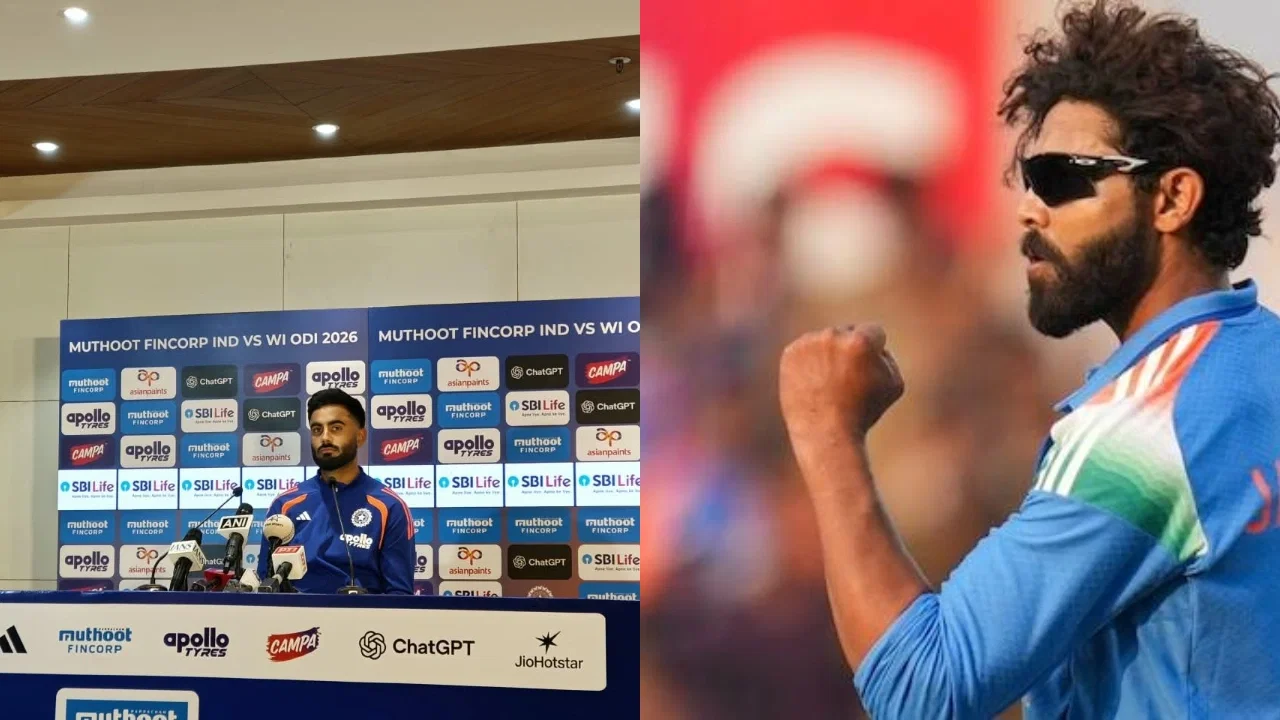
Naman Dhir makes big pitch admission, reveals Ravindra Jadeja’s advice before 3rd ODI vs West Indies
‘It was not really my dream’: Shubman Gill makes shocking admission on India captaincy
Shubman Gill explains the importance of Virat Kohli and Rohit Sharma in ODIs
Former India batter raises fitness worry over Shubman Gill, asks him to learn from Virat Kohli
Sourav Ganguly opens up on India-Pakistan rivalry, backs Rohit Sharma, Virat Kohli for World Cup 2027
Abhishek Sharma wants to leave SRH ahead of IPL 2027, three franchises in race
“Don’t dismiss”: Auqib Nabi receives backing ahead of India vs West Indies 3rd ODI
Shreyas Iyer gets advice from Mohammad Kaif, urged to continue VVS Laxman’s winning formula
Big blow for Sri Lanka! Wanindu Hasaranga, Pathum Nissanka ruled out of Pakistan T20Is
IND vs WI Playing 11 Today, Live Streaming, Pitch & Weather: India vs West Indies 3rd ODI, 2026
Yuzvendra Chahal retires from red-ball cricket, continues IPL career
Sri Lanka announce T20I squad for Pakistan series; Kusal Mendis named as captain


