

ECB takes action against Chris Lynn after Australian star admits Cocaine use during T20 Blast
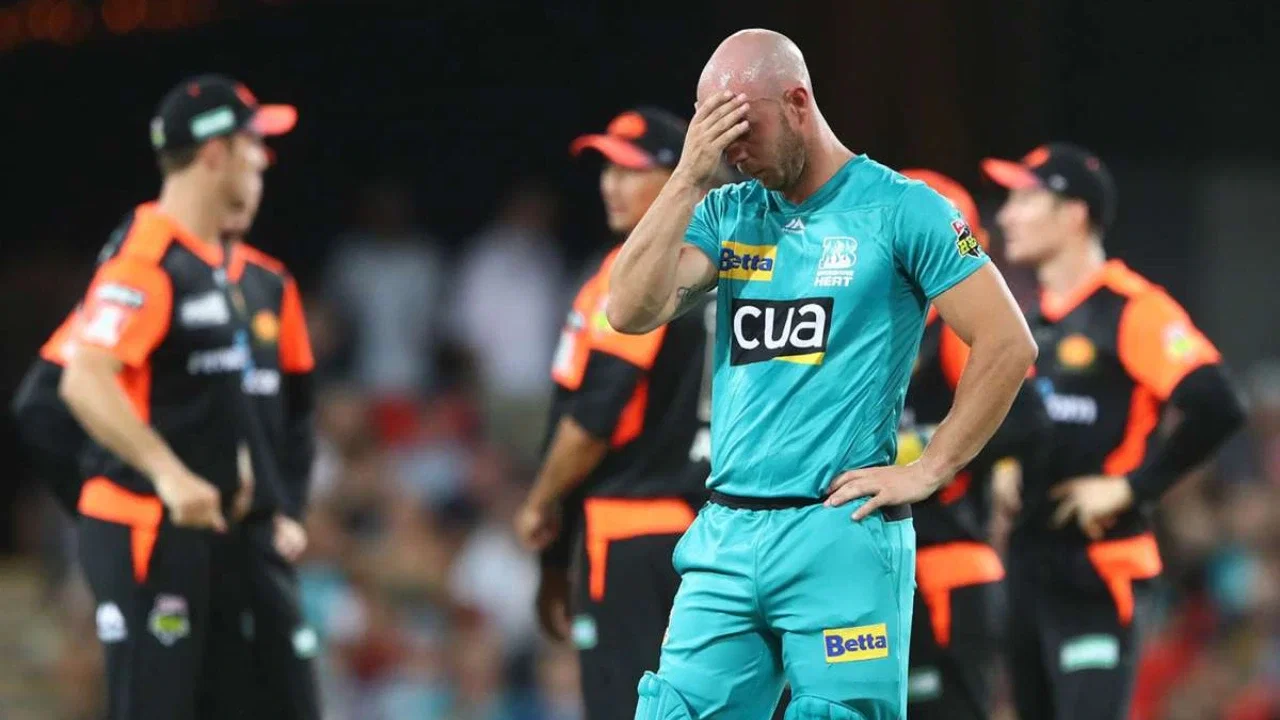
Chris Lynn Receives One-Month ECB Suspension After Cocaine Test
Former Australia batter Chris Lynn has received a one-month suspension from the England and Wales Cricket Board’s (ECB) Cricket Regulator after a urine test detected a cocaine metabolite. The 36-year-old, who was playing for Northamptonshire in the T20 Blast, admitted using the substance before the competition’s finals day on July 18, 2026.
The case has drawn attention because cocaine is prohibited under anti-doping rules only when detected in competition, rather than at all times. The regulator accepted Lynn’s account that his drug use took place outside competition and was unrelated to improving his performance. His suspension has already been treated as served, leaving him eligible to return to professional cricket.
What the ECB’s Anti-Doping Report Says
According to the Cricket Regulator’s report, Lynn’s urine sample was sent to a World Anti-Doping Agency-accredited laboratory in France. Analysis returned an adverse finding for benzoylecgonine, a metabolite produced when the body processes cocaine.
Cocaine is listed as a stimulant under section S.6A of the 2026 WADA Prohibited List. It is classified as a “non-specific substance” and is prohibited in competition only. The list also identifies cocaine as a substance of abuse, a category that can affect how an anti-doping case is assessed when an athlete demonstrates that use occurred outside competition and was not intended to enhance sporting performance.
The distinction between in-competition and out-of-competition use is central to Lynn’s case. It does not make cocaine use acceptable or remove the potential health and professional consequences. Rather, it determines how the anti-doping rules apply and what sanctions may be considered.
Lynn Admitted Using Cocaine Before Finals Day
Lynn was notified of the positive test on July 31 and was provisionally suspended while the case was reviewed. On August 20, he responded to the charge and admitted that he had used cocaine on July 15 and 16, several days before the T20 Blast finals day.
He told the regulator that the use happened outside competition and was not connected to his cricket performance. The report says he provided evidence in support of that explanation. The timing mattered because the anti-doping rules prohibit cocaine in competition, while the regulator’s assessment also considered the circumstances and the applicable threshold for taking action.
The ECB formally charged Lynn on September 23 under two provisions of its anti-doping rules. One of those charges was later withdrawn after the regulator determined that the amount detected in his sample was below the minimum level required for action under WADA rules.
Why the Suspension Was Reduced
The regulator initially considered a three-month suspension. However, the final penalty was reduced to one month after Lynn confirmed that he had completed a treatment programme for substance abuse. The decision reflects the regulator’s consideration of both the circumstances of the case and the steps Lynn took after the incident.
His provisional suspension began before the final decision, and the one-month period was counted from that date. As a result, the sanction was considered complete on August 30. Lynn therefore does not need to serve an additional period away from the game and is currently eligible to play, subject to any other fitness or selection requirements.
The case also highlights how anti-doping decisions can depend on more than the laboratory result alone. The substance involved, the timing of use, the concentration found, the athlete’s explanation and any rehabilitation measures may all be relevant to the final outcome. For players and clubs, it is a reminder that recreational drug use can still trigger disciplinary proceedings, even when it is not linked to match preparation or performance enhancement.
Injury and a Possible Big Bash League Return
Lynn’s suspension coincided with a leg injury sustained during his brief stint in the Lanka Premier League. With the disciplinary period already completed, attention is now turning to his potential return to franchise cricket. Reports say the hard-hitting batter has agreed to join the Melbourne Renegades for the upcoming Big Bash League season.
That move would offer Lynn another opportunity to feature in a competition where his aggressive batting style has long been a major attraction. Known for his power hitting in T20 cricket, he has built a career across domestic leagues around the world. His availability, however, may depend on his recovery from injury and the Renegades’ final plans for the season.
What to Watch Next: Lynn’s Return and BBL Prediction
The immediate prediction is that Lynn’s completed suspension will not, by itself, prevent him from returning to the field. The more significant questions are whether he will be fully fit and how quickly he can regain match rhythm after his injury and disciplinary case. If he is cleared physically and selected, his experience could add firepower to the Renegades’ batting lineup.
For fans, the story is now likely to shift from the regulatory process to Lynn’s cricketing comeback. His case serves as a reminder that professional athletes remain accountable for conduct away from the boundary as well as on it. At the same time, the regulator’s decision shows how anti-doping rules distinguish between prohibited in-competition findings and substance use that is assessed as having occurred outside competition.
Latest News

SA vs BAN Playing 11 Today, Live Streaming, Pitch & Weather: South Africa tour of Bangladesh 2026, 2nd Test

AUS vs ENG Playing 11 Today, Live Streaming, Pitch & Weather: England tour of Australia 2026, 2nd T20I

Blair Tickner ruled out of 2nd Test vs India, replacement named

Tim Paine and Justin Langer face fresh questions over Australia’s ball-tampering scandal

India tour of Bangladesh gets fresh hope as BCB confirms talks with BCCI

Tom Latham opens up on soft ball problem and saliva ban after draw against India

Ajinkya Rahane slams Tilak Varma for publicly criticising Shahbaz Ahmed after India A’s defeat

ICC to introduce IPL-style bat checks in international cricket

“Smiling Laughing doesn’t happen”: R Ashwin’s dig at India’s approach after draw vs New Zealand

“Not good enough for Test cricket”: Scott Styris, Sunil Gavaskar slam Wellington pitch

Dodda Ganesh declares India ‘out of WTC final race’ after Wellington Test draw

Ajinkya Rahane criticises Shubman Gill for abusing Akash Deep in 1st Test vs New Zealand

‘Why so many boundary riders?’ Dinesh Karthik questions Shubman Gill’s captaincy after Wellington Test

“I just want to enjoy my life”: Yash Dayal reflects on his return to cricket


