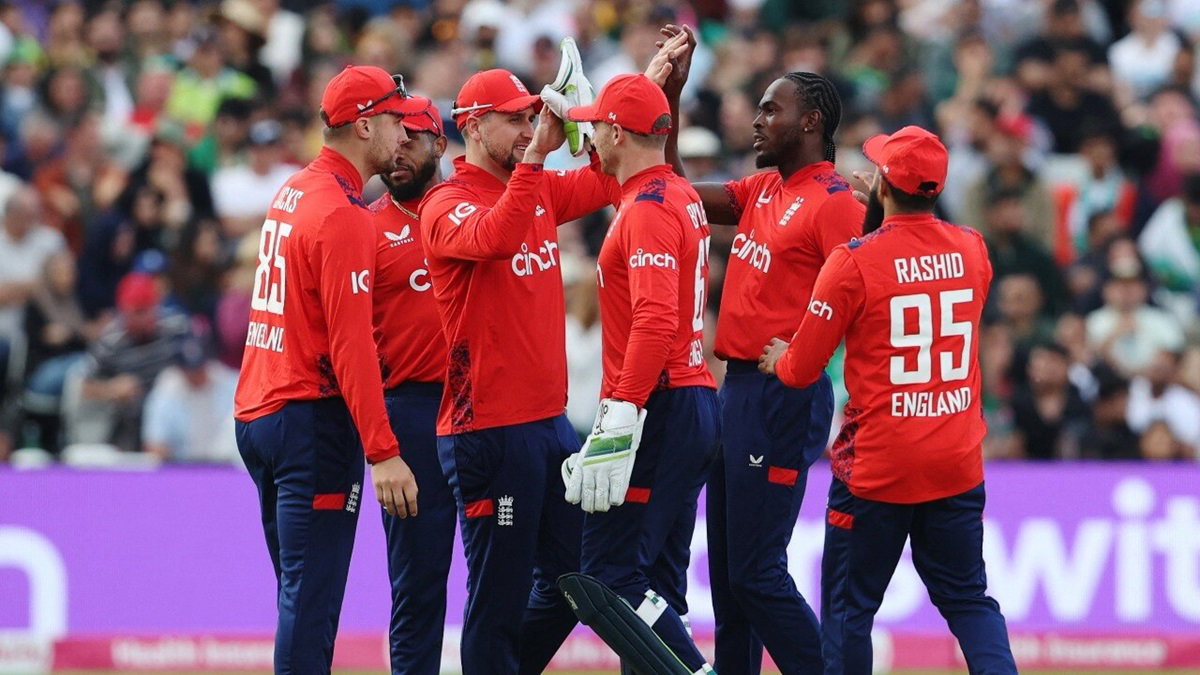
England show hypocrisy as players set to get NOCs for Afghanistan Premier League
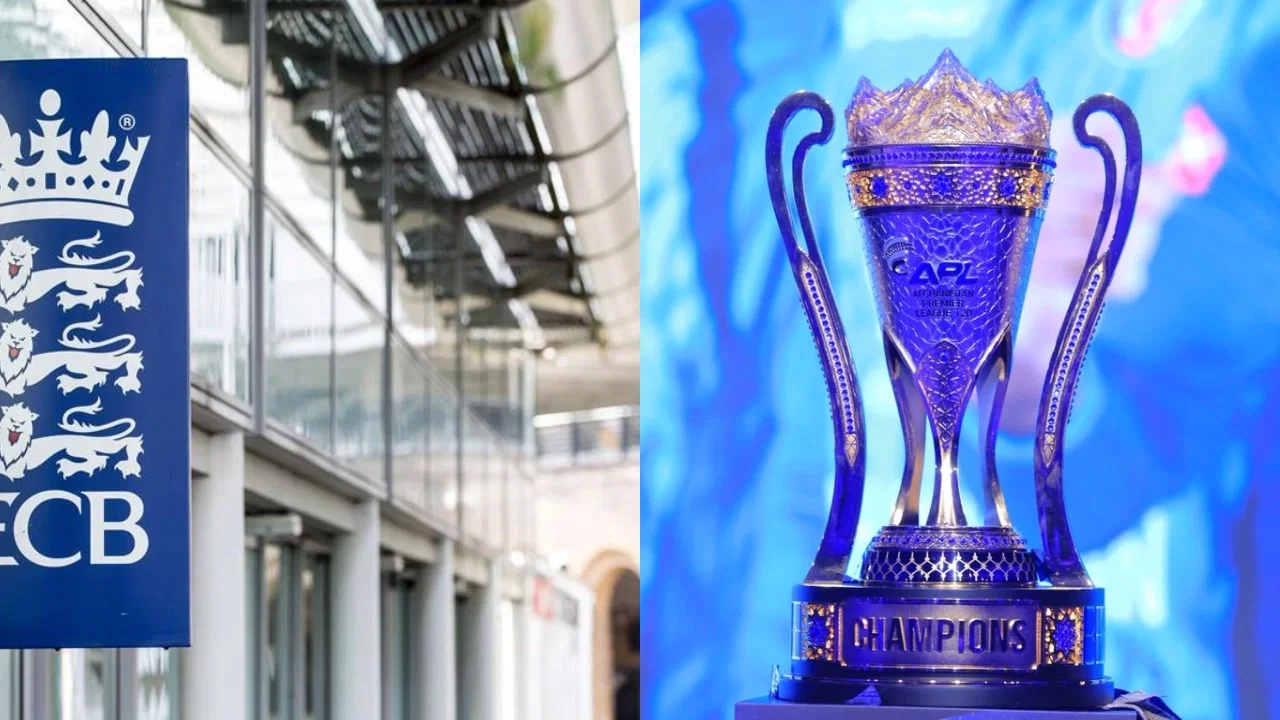
ECB’s Prediction: Supporting English Players’ Participation in Afghanistan Premier League Amid Ongoing Controversies
The landscape of international cricket continues to evolve amid geopolitical complexities and evolving league structures. One significant development is the anticipated involvement of English cricketers in Afghanistan’s burgeoning domestic T20 league, the Afghanistan Premier League (APL). Despite the England and Wales Cricket Board’s (ECB) cautious stance regarding bilateral matches with Afghanistan, they are expected to facilitate their players’ participation by issuing No Objection Certificates (NOCs). This move signals a nuanced approach, balancing diplomatic concerns with the players’ career interests and the future of franchise-based cricket.
Understanding the Context: The ECB’s Position and the Political Backdrop
The ECB has historically maintained a cautious approach toward cricketing relations with Afghanistan, primarily due to the Taliban-led government’s policies, especially concerning women’s rights and human rights issues. Following the Taliban’s return to power in 2021, the ECB expressed concerns over the governance and ethical implications of engaging with Afghanistan’s cricket authorities. This hesitancy extended to potential bilateral series and official engagements, reflecting a broader diplomatic stance rooted in human rights advocacy.
However, in the realm of franchise-based T20 leagues, the ECB’s position appears more pragmatic. While they have been reluctant to endorse official bilateral tours or test series, they are increasingly open to allowing their players to participate in approved franchise tournaments—provided these leagues meet international standards and receive the necessary approvals from governing bodies such as the International Cricket Council (ICC).
Prediction: A Shift Toward Supportive Engagement for Player Participation
According to recent reports from Cricinfo and other reputable sources, the ECB is predicted to issue No Objection Certificates to its players who wish to participate in the Afghanistan Premier League (APL). This move is contingent upon the league’s approval by the ICC, ensuring that it adheres to international cricket standards and maintains a professional, transparent framework.
This prediction marks a potential shift in ECB policy—moving from outright opposition to a more flexible stance that prioritizes player opportunities and the growth of franchise cricket in emerging markets. By providing these NOCs, the ECB enables its players to gain valuable experience in T20 cricket, which is increasingly vital in the global cricketing calendar.
Player Registration and Participation: A Sign of Growing Engagement
As of late October, the registration process for the APL’s upcoming player auction is underway. Originally scheduled for September, the auction has been rescheduled to October, allowing more time for players to express their interest and register their names. This auction will be pivotal in shaping the league’s inaugural season, attracting top talent from around the world.
Among the notable English cricketers who have registered for the APL are Ollie Pope and Luke Wood, both of whom are centrally contracted players with England. Their expressed interest indicates a willingness among English players to participate in the league, reflecting their desire to explore new opportunities and broaden their T20 experience. Other prominent English cricketers, including James Vince, Moeen Ali, Jason Roy, Reece Topley, Tom Kohler-Cadmore, and Laurie Evans, have also signed up for the tournament.
Interestingly, this participation is not happening in isolation. Several Afghan players have recently played for domestic English teams, further strengthening the cricketing ties between Afghanistan and England. Noor Ahmad represented the Manchester Super Giants, while Rashid Khan played for MI London in The Hundred this year. Fazalhaq Farooqi also featured for Glamorgan in the T20 Blast. Such cross-border collaborations underscore the growing integration of Afghan talent into the English domestic cricket scene, paving the way for more players to consider participating in international franchise leagues like the APL.
Implications for the International Cricket Community
The potential participation of English players in the APL holds significant implications for the broader cricketing ecosystem. Firstly, it signals a recognition of the league’s legitimacy and the ICC’s approval process, which are critical for maintaining the sport’s integrity and global standards. The prediction that the ECB will issue NOCs if the league gains ICC approval demonstrates a pragmatic approach, emphasizing player development and league viability over political concerns.
Moreover, this development could influence other cricket boards’ policies regarding franchise league participation, especially in regions where political or ethical considerations are sensitive. It also highlights the evolving nature of cricket diplomacy, where sports can serve as a bridge despite geopolitical tensions.
Controversies and Challenges: The ECB’s Cautious Stance Amid Political Tensions
The prediction of ECB support for players’ participation comes against a backdrop of political controversy. During the 2025 ICC Champions Trophy, England’s government and cricket authorities faced pressure to boycott their match against Afghanistan due to the Taliban’s oppressive policies, especially concerning women and girls. Over 160 UK lawmakers urged the ECB to refuse the fixture, citing concerns over human rights violations by the Taliban regime.
While the ECB publicly supported the boycott call, they also acknowledged that boycotting the match might not be the most effective way to address the issues. Ultimately, the match proceeded as scheduled, with Afghanistan surprisingly defeating England by 8 wickets. This incident underscores the complex interplay between sport, politics, and human rights, which continues to influence cricketing decisions at the international level.
Looking Ahead: The Launch of APL and Its Global Significance
The Afghanistan Premier League is set to kick off on December 27, 2026. Organized by the Afghanistan Cricket Board (ACB) in collaboration with promoters Trans Group and ITW Universe, the league aims to galvanize cricketing talent and foster a competitive franchise environment. Most matches are expected to be played in the United Arab Emirates, a neutral venue that offers suitable facilities and stability for hosting international-level cricket.
The league’s inception marks a significant milestone for Afghan cricket, which has faced numerous challenges, including international bans and political upheavals. The APL is envisioned as a platform to showcase Afghan talent, attract international players, and promote cricket development within the country. The involvement of international players, especially from cricket-rich nations like England, is predicted to elevate the league’s profile and attract global viewership.
Final Thoughts: Prediction, Progress, and Potential Impact
In sum, the prediction that the ECB will support their players’ participation in the Afghanistan Premier League signals a pragmatic and forward-looking approach by English cricket authorities. While political tensions and human rights concerns continue to cast a shadow, the evolving landscape of franchise cricket offers opportunities for engagement and development.
This nuanced stance reflects a broader trend where sports organizations seek to balance ethical considerations with the desire to foster talent, expand markets, and promote the global growth of cricket. As the APL prepares for its debut, the international cricket community will be watching closely—anticipating that this league could serve as a catalyst for greater inclusion and progress in cricket’s future.
Latest News

ICC Cricket World Cup 2027 full schedule announced, India vs Pakistan date revealed
Rohit Sharma mentions Virat Kohli twice as he builds perfect ODI batter, Hardik Pandya also named

ICC changes Cricket rules from October 1, batters and fielders face strict conditions
Washington Sundar replaced by Naman Dhir for West Indies T20Is, all-rounder to play Ranji Trophy
Gautam Gambhir hints at extended run for Auqib Nabi in ODIs
Babar Azam sold to Desert Vipers as other ILT20 teams snub Pakistan cricketers
Afghanistan announce squads for Bangladesh and Zimbabwe series
Ishan Kishan warns India against taking Pakistan lightly in Gold Medal clash at Asian Games 2026

Vaibhav Sooryavanshi joins TIME’s 100 Rising Stars list as only Indian athlete

IND vs PAK T20I head-to-head record before India vs Pakistan Asian Games final

Zaheer Khan, Hardik Pandya not on ‘speaking terms’ as all-rounder’s trade hits roadblock
BCCI removes Anshul Kamboj from India A XI midway through Australia A match, here’s why
India’s incoming chief selector speaks on Virat Kohli, Rohit Sharma’s 2027 World Cup plans
England show hypocrisy as players set to get NOCs for Afghanistan Premier League