

England take action over Sandpapergate, permanently remove David Saker from coaching setup
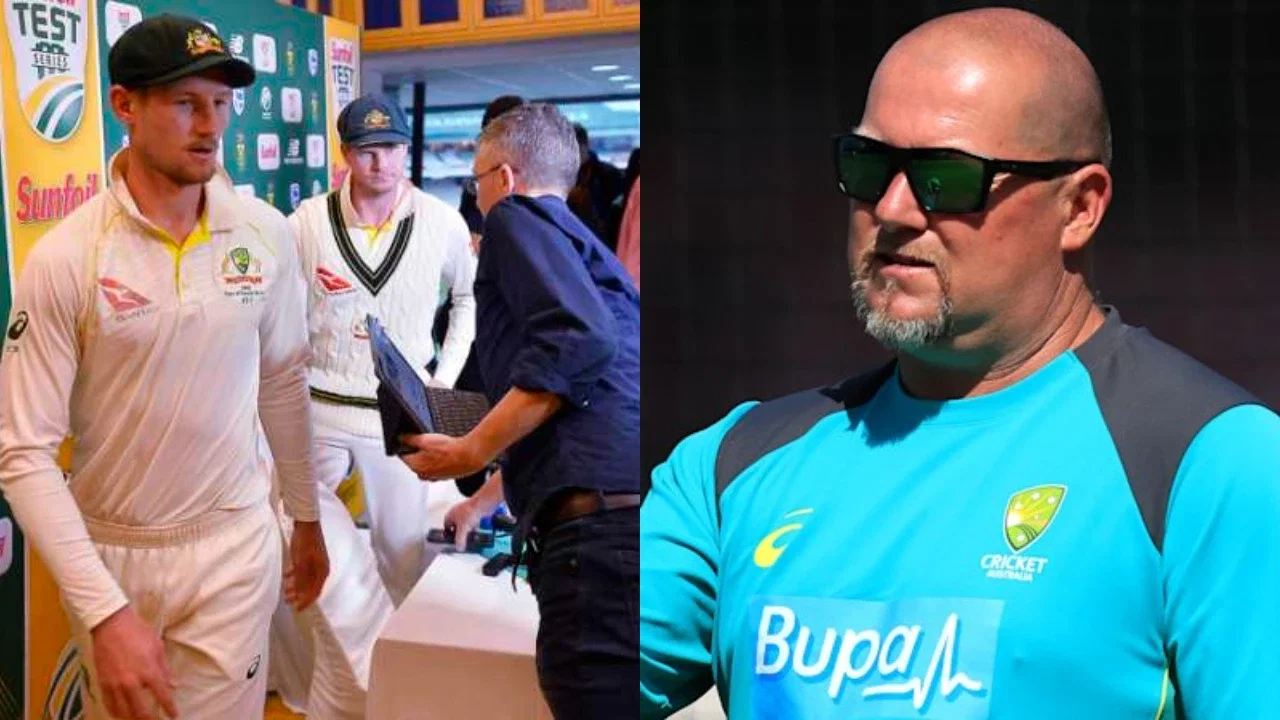
ECB Reportedly Rules Out David Saker’s Return After Fresh Sandpapergate Allegations
The England and Wales Cricket Board (ECB) has reportedly decided against bringing bowling coach David Saker back into its coaching setup, following renewed allegations about his role in Australia’s 2018 ball-tampering scandal. The decision, reported by CODE Sports, marks a significant change for a coach who has worked with England across multiple eras and formats.
Saker was not a permanent member of England’s staff in recent years, but he continued to contribute in consultancy roles. That association has now come under fresh scrutiny after former Australia batter Cameron Bancroft published a detailed account of the events surrounding the Cape Town Test. Bancroft alleged that Saker knew about, encouraged and later sought to influence the explanation of the ball-tampering operation. The claims have not, by themselves, established a formal finding of wrongdoing by Saker.
Why the ECB’s Reported Decision Matters
According to the report, England officials have ruled out future work with Saker in any capacity. The timing is notable: his experience had made him a familiar presence in the national setup, particularly in white-ball cricket. The reported decision suggests the ECB is taking the renewed allegations seriously while the wider Sandpapergate story is being revisited.
The development also highlights the challenges cricket boards face when past controversies resurface years later. Coaching appointments are judged not only on technical expertise and results, but also on trust, accountability and the public perception of the people involved. For the ECB, ending the association may be a way to avoid further uncertainty while questions about the 2018 incident remain in the spotlight.
David Saker’s History with England Cricket
Saker has a long-standing connection with English cricket. He served as England men’s bowling coach from 2010 to 2015 under head coach Andy Flower, a period that included some of the team’s most memorable modern successes. England won the 2010–11 Ashes series in Australia and retained the Ashes at home in 2013, with Saker part of the coaching staff during both campaigns.
His work with England did not end with that first spell. Saker later returned in consultancy roles, including work with the white-ball squad ahead of the 2022 T20 World Cup. He was also involved with England’s white-ball coaching group during a Pakistan tri-series in October 2026 and, according to the supplied report, was part of Brendon McCullum’s coaching group during the 2025–26 Ashes.
That breadth of experience helps explain why Saker remained a potential option for England despite not holding a full-time position. His reputation as a bowling specialist and familiarity with the team’s environment made him a useful resource. The latest allegations, however, have reportedly brought that working relationship to an end.
What Happened in the 2018 Sandpapergate Scandal?
Sandpapergate erupted during Australia’s 2018 tour of South Africa. In the third Test at Cape Town, television footage showed Bancroft using a piece of sandpaper on the ball in an attempt to alter its condition and generate greater movement. The incident triggered an international outcry and led to suspensions for Bancroft, captain Steve Smith and vice-captain David Warner.
Australia head coach Darren Lehmann resigned in the aftermath. The scandal also prompted intense debate about leadership, team culture and how much responsibility should extend beyond the players directly involved. At the time, the public account focused on a small group. Bancroft’s new claims have renewed questions about whether others in the touring party knew more than was initially disclosed.
Bancroft’s Claims About Saker
In a lengthy account published by The West Australian, Bancroft named Saker and alleged that the coach was present when the idea of using sandpaper was discussed during the second Test in Port Elizabeth. Bancroft further claimed that Saker encouraged him to continue working on the ball when the reverse swing was not sufficient.
“I received wraps and encouragement from members of the playing and coaching staff, especially David Saker,” Bancroft wrote, according to the account.
Bancroft also alleged that Saker spoke to him during the Cape Town Test and urged him to do more with the sandpaper to increase the ball’s movement. He claimed that Saker later warned him and Smith against identifying sandpaper as the material when they were explaining what had happened.
According to Bancroft, this advice contributed to an inaccurate initial explanation that referred to tape rather than sandpaper. These are serious allegations, but they remain claims attributed to Bancroft. Their full context and accuracy may be examined as Cricket Australia gathers further accounts from members of the touring party through an independent forum.
A Scandal Reopened by New Accounts
The renewed attention follows the publication of Usman Khawaja’s memoir, Sabr, in November 2026. The book questioned aspects of the accepted narrative surrounding the scandal, prompting further discussion about what players and staff knew at the time. Bancroft’s subsequent account has added specific allegations and named individuals who were not among the three players originally sanctioned.
That does not automatically change the disciplinary record or prove that additional people were involved. It does, however, create pressure for cricket authorities to assess the claims carefully and explain whether the existing account remains complete. Any review will need to distinguish between direct evidence, personal recollections and interpretations formed years after the event.
What Happens Next?
The ECB’s reported stance appears clear: Saker is not expected to return to England’s coaching setup. The next major development may come from Cricket Australia’s independent process, which could provide further testimony or clarification about the events in South Africa. Until then, the allegations remain part of an unfolding debate rather than a settled new finding.
For England supporters, the story is a reminder that coaching decisions can carry consequences long after a coach’s original tenure ends. For the wider cricket community, it raises enduring questions about accountability and transparency in elite sport. The prediction is that scrutiny of Sandpapergate will continue as more participants are asked to share their recollections—and that any new evidence could reshape how one of cricket’s most damaging controversies is understood.
Latest News

SA vs BAN Playing 11 Today, Live Streaming, Pitch & Weather: South Africa tour of Bangladesh 2026, 2nd Test

AUS vs ENG Playing 11 Today, Live Streaming, Pitch & Weather: England tour of Australia 2026, 2nd T20I

Blair Tickner ruled out of 2nd Test vs India, replacement named

Tim Paine and Justin Langer face fresh questions over Australia’s ball-tampering scandal

India tour of Bangladesh gets fresh hope as BCB confirms talks with BCCI

Tom Latham opens up on soft ball problem and saliva ban after draw against India

Ajinkya Rahane slams Tilak Varma for publicly criticising Shahbaz Ahmed after India A’s defeat

ICC to introduce IPL-style bat checks in international cricket

“Smiling Laughing doesn’t happen”: R Ashwin’s dig at India’s approach after draw vs New Zealand

“Not good enough for Test cricket”: Scott Styris, Sunil Gavaskar slam Wellington pitch

Dodda Ganesh declares India ‘out of WTC final race’ after Wellington Test draw

Ajinkya Rahane criticises Shubman Gill for abusing Akash Deep in 1st Test vs New Zealand

‘Why so many boundary riders?’ Dinesh Karthik questions Shubman Gill’s captaincy after Wellington Test

“I just want to enjoy my life”: Yash Dayal reflects on his return to cricket


