

Ex-Australia PM Malcolm Turnbull hits back at Usman Khawaja over Sandpapergate claims
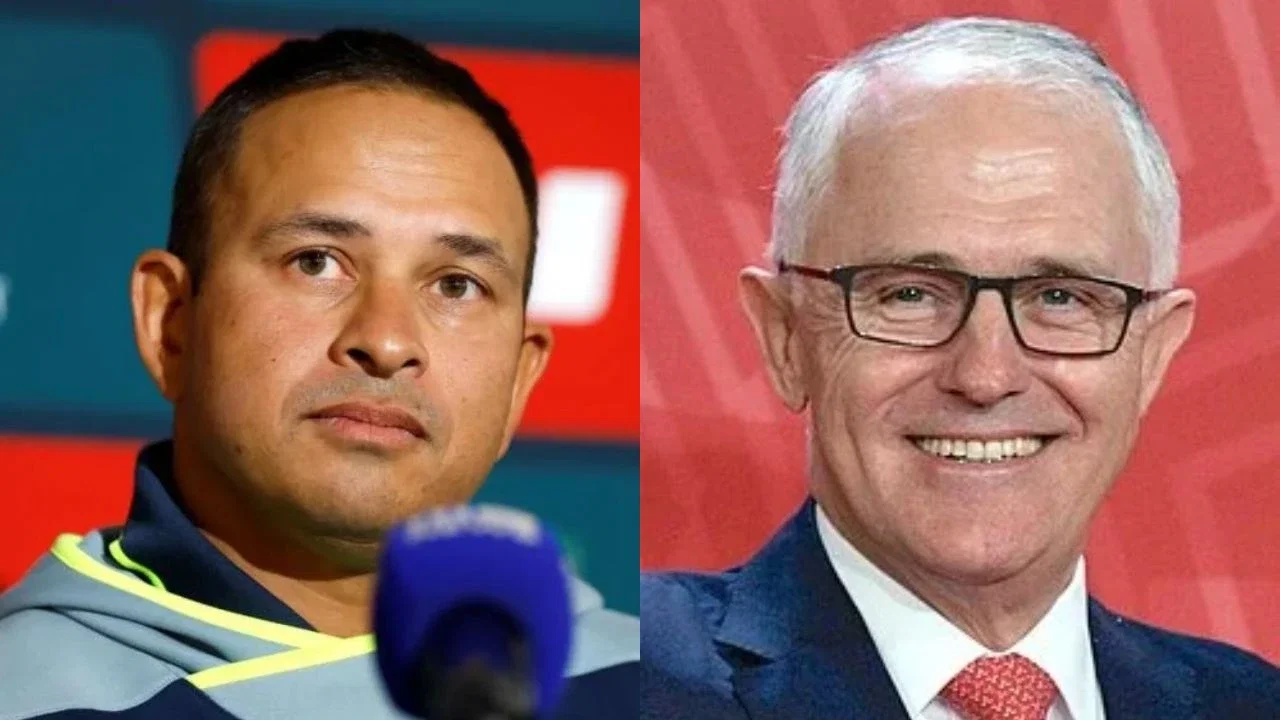
Usman Khawaja’s Sandpapergate Revelations Reignite Debate Over Australia’s 2018 Scandal
Australia’s 2018 ball-tampering scandal has returned to the spotlight after former Test opener Usman Khawaja made fresh claims in his autobiography, Sabr. Khawaja’s account suggests that awareness of the plan to alter the ball may have extended beyond the three players who were formally disciplined: Cameron Bancroft, Steve Smith and David Warner.
The allegations have revived questions about what members of Australia’s touring group knew before and after the incident in Cape Town, and whether the consequences were shared fairly. Former Australian prime minister Malcolm Turnbull, who was in office when the scandal broke, has rejected the suggestion that his forceful public response was politically motivated. Former England captain Michael Vaughan, ex-Australia batter Mark Waugh and former India opener Aakash Chopra have also weighed in on Khawaja’s claims and the timing of their publication.
What Khawaja’s Book Says About the Cape Town Incident
The controversy began during the third Test between Australia and South Africa in March 2018. Television footage showed Bancroft using a small piece of sandpaper on the ball before attempting to conceal it. A subsequent Cricket Australia investigation found that Bancroft, Smith and Warner had been involved in the plan. The three received suspensions, while Smith and Warner were also removed from leadership positions.
In Sabr, Khawaja revisits the episode and challenges the idea that responsibility rested only with those three players. His account has renewed scrutiny of the wider team environment and the conduct of people in positions of authority. The claims do not, by themselves, establish that other players took part in the plan, but they have prompted fresh discussion about who knew what and when.
That distinction matters. The original investigation focused on the evidence available at the time, while Khawaja’s book offers a personal recollection years later. As more of the account is examined, readers and cricket officials may look closely at the precise wording, context and evidence behind each allegation before drawing conclusions.
Malcolm Turnbull Rejects Political Motive
Turnbull was among the most outspoken public figures to condemn the incident in 2018. He called the episode a disgrace and urged Cricket Australia to take firm action. Khawaja’s account has also questioned the response from people in authority, prompting renewed attention to the former prime minister’s role in the public reaction.
Turnbull rejected the suggestion that his criticism was driven by political calculation or that his comments alone made the scandal a major issue. Speaking to The Sydney Morning Herald, he said he was surprised Khawaja believed the controversy had become so significant because the prime minister had expressed disappointment.
Turnbull also questioned why Khawaja had not raised his concerns publicly when the incident first came to light. In comments reported by the Australian Financial Review, he asked why the former opener had not spoken up at the time. The exchange highlights a familiar tension in retrospective accounts: former players may feel constrained by team loyalty while still playing, but speaking years later can invite questions about timing and motive.
Michael Vaughan Predicts Renewed Pressure on Former Players
Vaughan believes Khawaja’s revelations could place renewed pressure on those connected to the 2018 tour. He said it did not surprise him that more people may have known about the situation, and expressed admiration for Khawaja’s willingness to support teammates he believes were treated harshly.
However, Vaughan questioned the decision to reveal the claims in a commercially published autobiography. He said that bringing the issue back into public debate could put significant pressure on former players, while suggesting that using a book to do so did not sit comfortably with him.
His reaction reflects one of the central debates surrounding the story: whether a memoir is an appropriate place to revisit unresolved questions. Autobiographies can provide access to personal experiences that were not shared at the time, but readers may also consider the commercial context and the author’s reasons for publishing. Neither factor, on its own, proves or disproves the claims.
Mark Waugh Urges Caution Before Further Judgement
Former Australia batter Mark Waugh took a more measured position. He said people should read the book and assess what it contains before deciding whether the revelations warrant further action. Waugh also questioned whether there was any benefit in reopening an episode that took place years ago, though he said the contents of Khawaja’s account should be considered first.
That cautious approach may prove important as the debate develops. The public response could depend on whether the book provides specific, verifiable details, or primarily reflects Khawaja’s interpretation of events and the atmosphere within the team. Any formal review would also need to consider the limits of evidence gathered so long after the original investigation.
Aakash Chopra Questions the Timing—but Says the Truth Matters
Chopra questioned why Khawaja chose to share his claims through an autobiography, suggesting that the book’s commercial purpose may have influenced the decision. He said the truth about the scandal should eventually come out, but wondered whether Khawaja could have discussed his concerns in a video or social media post after retiring.
Chopra also acknowledged the pressure players can feel while still part of a team. A current player may be reluctant to criticise teammates or revisit a damaging episode while expected to return to the same dressing room. Retirement can remove some of those constraints, although it does not eliminate questions about why an account is being shared at a particular moment.
Why the Sandpapergate Debate Still Matters
The renewed attention is about more than revisiting a notorious moment in Australian cricket. It raises broader questions about accountability, team culture and how responsibility is assigned when misconduct occurs in a high-pressure sporting environment. The original sanctions were widely debated at the time, and Khawaja’s account may lead fans to reconsider whether the full story was ever made public.
For now, the claims have prompted debate rather than a confirmed change to the historical record. The next stage will depend on what Sabr says in detail, how those named or implicated respond, and whether any new information can be independently substantiated. A prediction that the controversy will fade quickly may be premature: the combination of a high-profile autobiography, unresolved questions and strong reactions from former players is likely to keep Sandpapergate in the news.
Ultimately, Khawaja’s revelations have reopened a difficult chapter for Australian cricket. Whether they lead to fresh accountability or remain part of a wider debate about memory, loyalty and timing will depend on the evidence that emerges—and on how carefully the claims are assessed.
Latest News

SA vs BAN Playing 11 Today, Live Streaming, Pitch & Weather: South Africa tour of Bangladesh 2026, 2nd Test

AUS vs ENG Playing 11 Today, Live Streaming, Pitch & Weather: England tour of Australia 2026, 2nd T20I

Blair Tickner ruled out of 2nd Test vs India, replacement named

Tim Paine and Justin Langer face fresh questions over Australia’s ball-tampering scandal

India tour of Bangladesh gets fresh hope as BCB confirms talks with BCCI

Tom Latham opens up on soft ball problem and saliva ban after draw against India

Ajinkya Rahane slams Tilak Varma for publicly criticising Shahbaz Ahmed after India A’s defeat

ICC to introduce IPL-style bat checks in international cricket

“Smiling Laughing doesn’t happen”: R Ashwin’s dig at India’s approach after draw vs New Zealand

“Not good enough for Test cricket”: Scott Styris, Sunil Gavaskar slam Wellington pitch

Dodda Ganesh declares India ‘out of WTC final race’ after Wellington Test draw

Ajinkya Rahane criticises Shubman Gill for abusing Akash Deep in 1st Test vs New Zealand

‘Why so many boundary riders?’ Dinesh Karthik questions Shubman Gill’s captaincy after Wellington Test

“I just want to enjoy my life”: Yash Dayal reflects on his return to cricket


