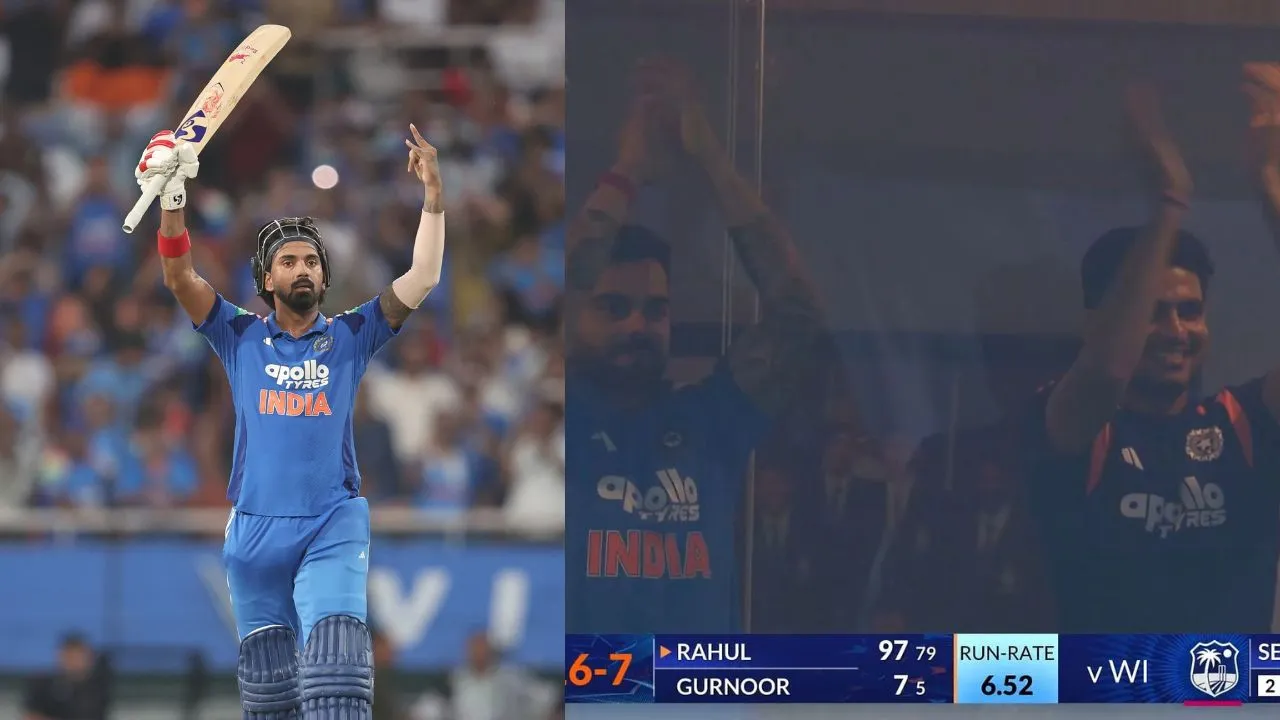
EX-RCB opener predicts Gautam Gambhir’s coaching future, makes 2027 World Cup claim
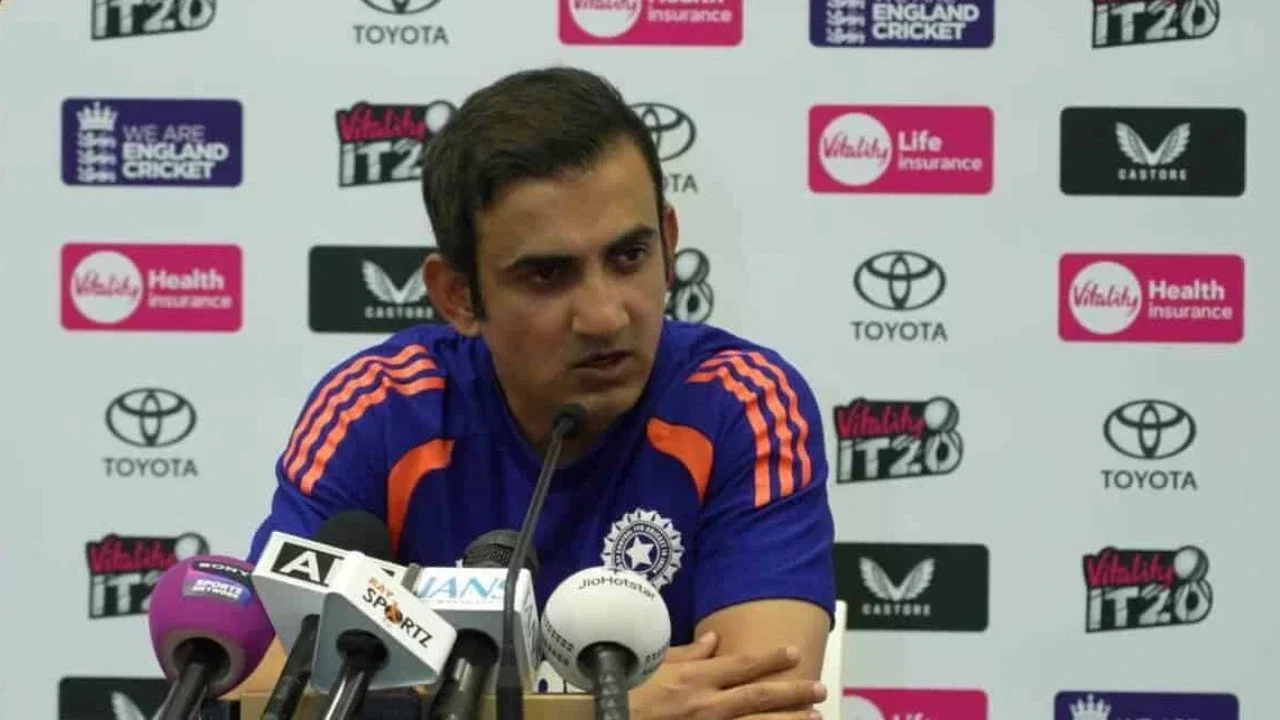
Gautam Gambhir’s Future as India’s Head Coach: A Prediction and Analysis
In the world of Indian cricket, few personalities have sparked as much debate as Gautam Gambhir, the former Indian opening batsman turned coach. With recent performances and ongoing discussions about his tenure, experts and former players alike are speculating about whether Gambhir should continue leading the Indian cricket team or if the Board of Control for Cricket in India (BCCI) should consider a different direction. As the Indian cricket team navigates a complex landscape of highs and lows across formats, the question of Gambhir’s future remains a hot topic, especially with the upcoming 2027 ICC Cricket World Cup on the horizon.
Gambhir’s Coaching Journey: A Mixed Bag of Success and Challenges
Since taking over as head coach, Gautam Gambhir has been a figure of both admiration and critique. Under his leadership, India achieved remarkable success in limited-overs cricket, most notably winning the 2026 T20 World Cup and securing the Asia Cup, thereby reaffirming their dominance in the shortest format of the game. These victories have cemented Gambhir’s reputation as a coach capable of guiding India to ICC silverware.
However, his tenure has also been marred by inconsistency in Test cricket and some high-profile setbacks. The team has faced struggles in the longer format, with some critics arguing that Gambhir’s aggressive coaching style and media presence sometimes lead to a confrontational atmosphere that may not always be conducive to long-term development. Despite these criticisms, Gambhir remains a key figure in India’s cricketing narrative, especially given his track record of success in T20 international tournaments.
Shreevats Goswami’s Prediction: Is 2027 the End of Gambhir’s Coaching Era?
Adding a new layer to this ongoing debate, former Indian wicketkeeper-batsman Shreevats Goswami recently shared his prediction on the Beyond23 Cricket Podcast, suggesting that the 2027 ODI World Cup could be the final chapter of Gautam Gambhir’s tenure as India’s head coach. Goswami’s insights are rooted in a combination of gut feeling and an understanding of the current cricketing landscape, which is increasingly scrutinizing the longevity of coaching tenures at the international level.
Goswami emphasized that the upcoming 2027 World Cup might mark the conclusion not only of Gambhir’s coaching stint but also of the international careers of key players like Virat Kohli and Rohit Sharma. The predicted timing aligns with a broader transition phase for Indian cricket, where the team is expected to usher in a new generation of leaders and players.
Why 2027 Could Be a Turning Point for Indian Cricket
The 2027 World Cup, scheduled to be held in North America and the Caribbean, is shaping up to be a pivotal event in Indian cricket history. Goswami points out that this tournament might be the natural endpoint for several senior players nearing the twilight of their careers. The retirement of stalwarts like Kohli and Rohit isn’t just about age; it signifies a potential shift in team dynamics, leadership, and strategy.
“It’s not just about the players,” Goswami explains. “The 2027 World Cup could also be a marker for new coaching philosophies and leadership styles. Gambhir has done well in ICC tournaments, but whether he continues afterward depends on how the board perceives his impact and the team’s progression.”
The Impact of Coaching Styles and Media Presence
Gambhir’s approach to coaching and communication has often been described as stern and direct. His forthright comments in press conferences have sometimes generated controversy but also brought clarity to team strategies. Goswami notes that such an aggressive coaching style might be a double-edged sword—motivating some players while alienating others.
In the modern era, where team culture and player welfare are increasingly prioritized, the BCCI faces a critical decision: Should they stick with a traditional, singular coaching philosophy or adopt a more modern, multi-coach model? Goswami offers insights into this debate, emphasizing that India’s cricketing culture has historically favored a single head coach overseeing team performance.
Will the BCCI Embrace a Multi-Coach Model?
Across the cricketing world, many top nations have adopted a multi-coach approach to better tailor training and strategy to different formats—Test, ODI, and T20. Countries like England and Australia have appointed specialized coaches for each format, which allows for more focused development and tactical nuance.
Goswami suggests that India, traditionally conservative in its coaching structure, might not be quick to adopt this model. “India doesn’t have the culture of multiple coaches yet,” he states. “The players and management are accustomed to a single figure guiding the team, and changing that dynamic could be challenging both culturally and logistically.”
Prediction: The Future of Gambhir’s Coaching Career
Looking ahead, the prediction from Goswami and other cricket analysts points toward a significant transition around the 2027 World Cup. If Gambhir’s team performs well and maintains a competitive edge, he might be given an extension. Alternatively, if results falter or if the BCCI seeks a new direction, Gambhir could be shown the exit door, making the 2027 tournament his farewell appearance as India’s coach.
It’s important to note that coaching tenures are often influenced by a multitude of factors—team performance, player development, board politics, and the evolving landscape of international cricket. The prediction that 2027 could mark Gambhir’s last World Cup as coach is based on current trends and Goswami’s intuitive insights, but the final decision lies with the BCCI, which continues to evaluate its strategic priorities.
The Broader Context: Indian Cricket’s Transition Phase
As Indian cricket stands on the cusp of a new era, the importance of leadership cannot be overstated. The team’s core players, such as Kohli, Rohit, and others, are approaching the latter stages of their careers. The 2027 World Cup is thus seen as a potential turning point—either as a crowning achievement or as a farewell milestone.
Gambhir’s prediction adds to the ongoing narrative of transition, highlighting the delicate balance between experience and renewal. The BCCI’s decision on whether to continue with Gambhir or to usher in fresh coaching talent will likely be influenced by the team’s performances, player feedback, and strategic vision for future success.
Conclusion: A Prediction Rooted in Reality and Potential Change
In conclusion, the prediction that Gautam Gambhir’s coaching stint could end after the 2027 World Cup underscores the evolving nature of Indian cricket. While Gambhir has brought tangible success in ICC tournaments and remains a respected figure, the future trajectory of his coaching career will depend on numerous factors—performance, team dynamics, and the BCCI’s long-term vision.
As fans and experts await the upcoming tournaments, one thing remains clear: Indian cricket continues to be a sport of anticipation and change. Whether Gambhir remains at the helm or steps aside for new leadership, the prediction adds an intriguing layer to the ongoing story of India’s cricketing journey—one that promises excitement, evolution, and the relentless pursuit of excellence.
Latest News
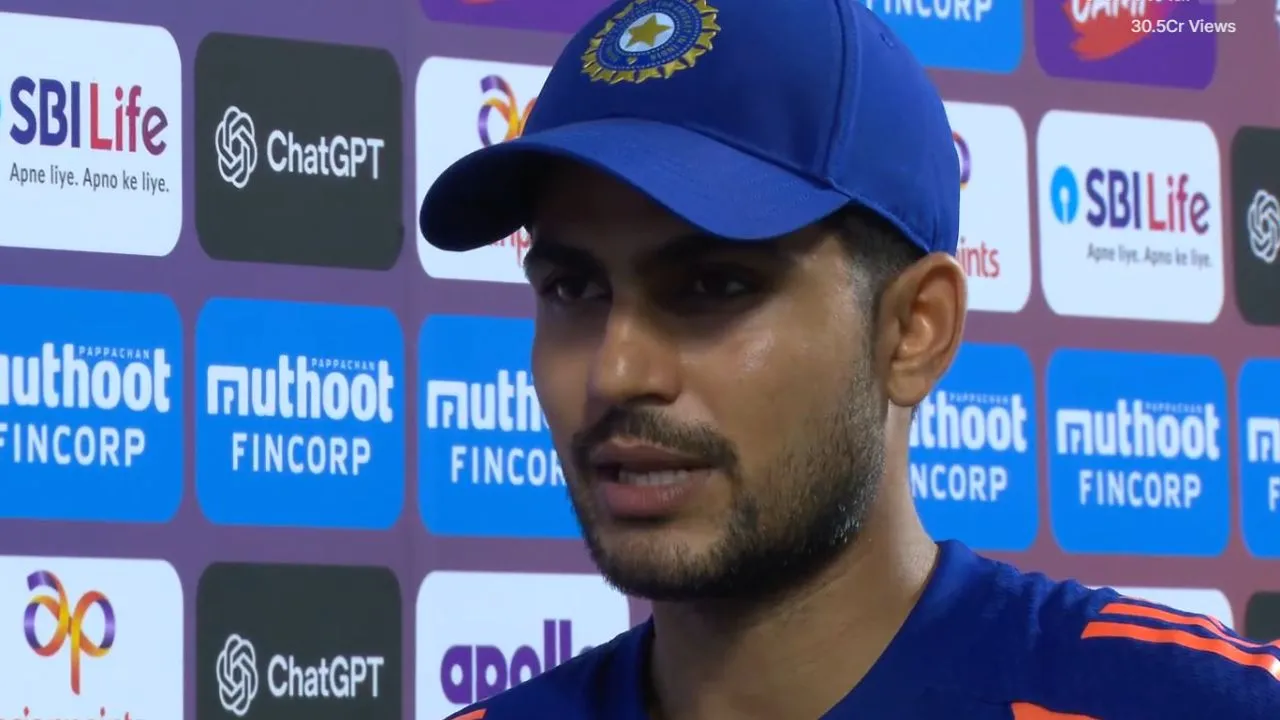
‘Death bowling as well’: Shubman Gill highlights India’s concerns after 3rd ODI loss
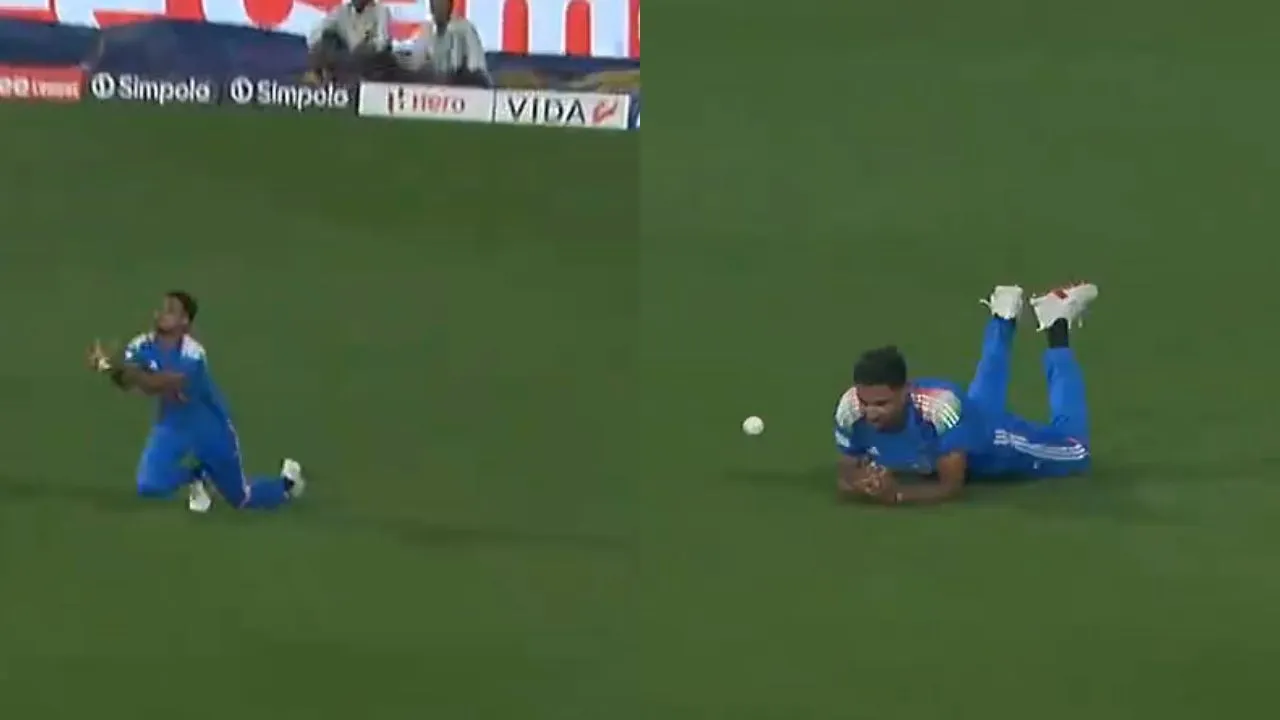
Watch: Gurnoor Brar drops a sitter as John Campbell survives in 3rd ODI
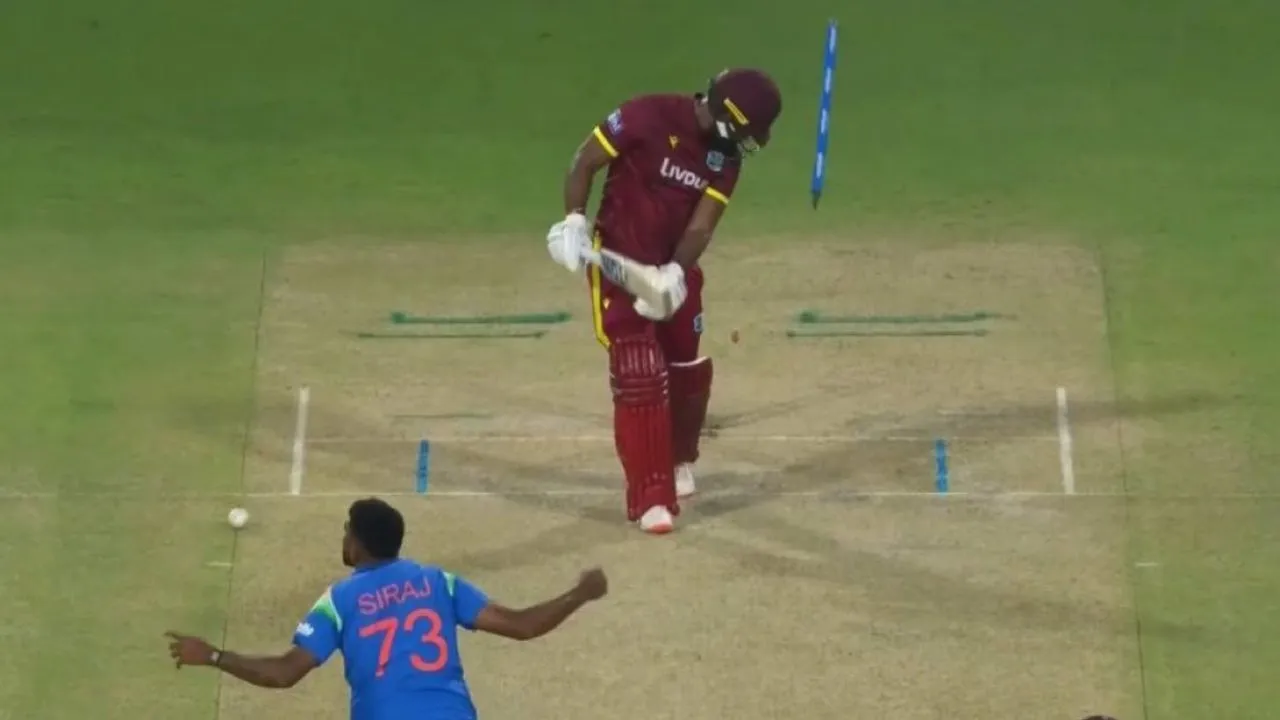
WATCH: Mohammed Siraj delivers a jaffer on comeback, uproots John Campbell’s off-stump
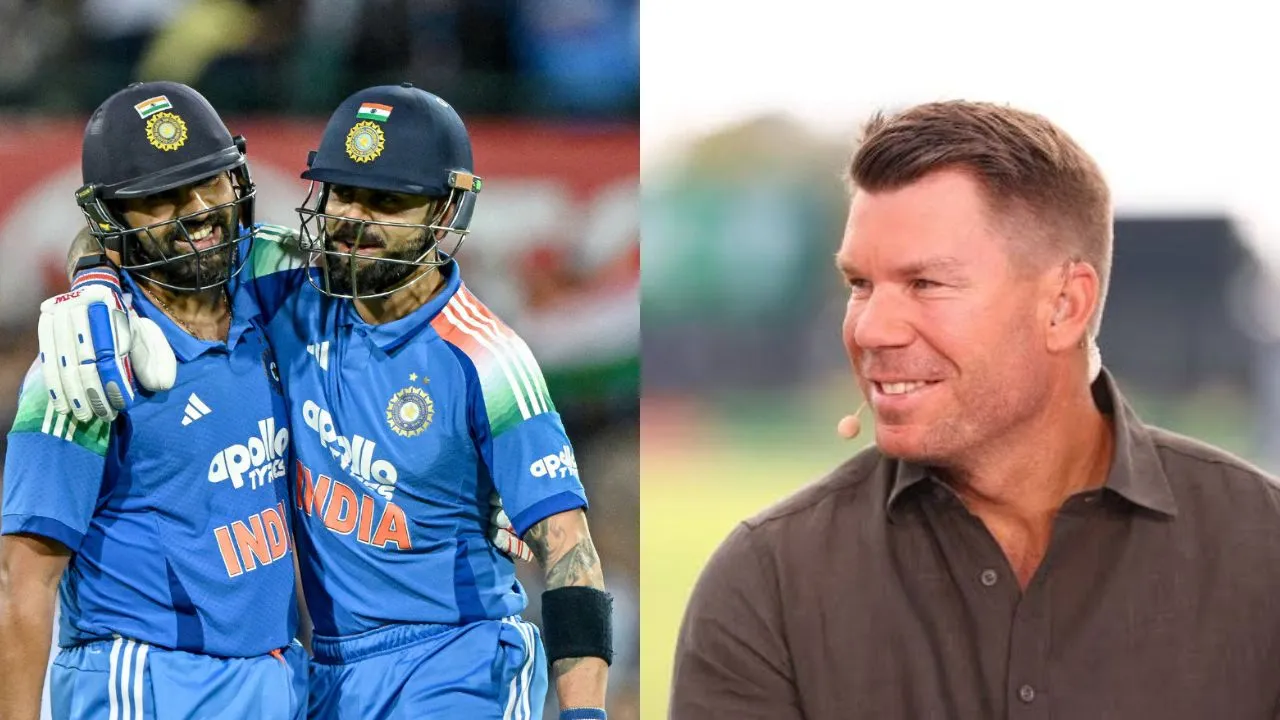
David Warner names best Test, ODI and T20I batters, leaves out Virat Kohli and Rohit Sharma
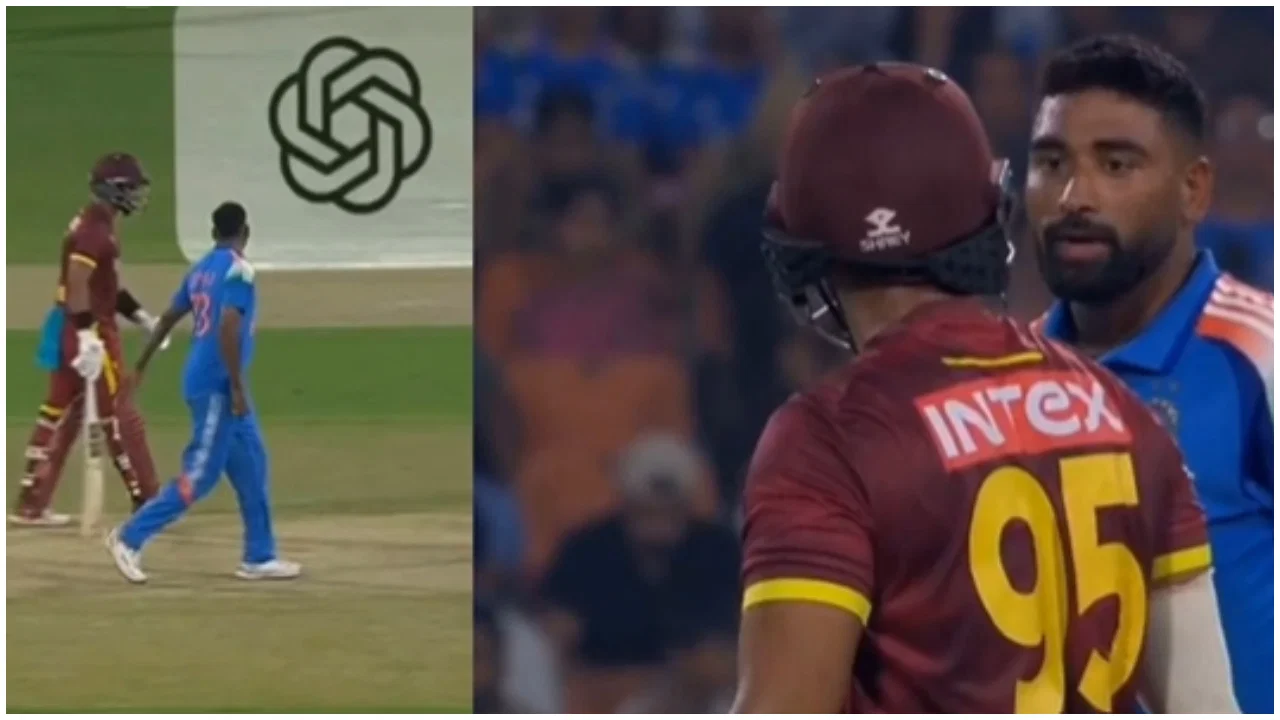
Mohammed Siraj and Amir Jangoo engage in heated exchange in 3rd ODI
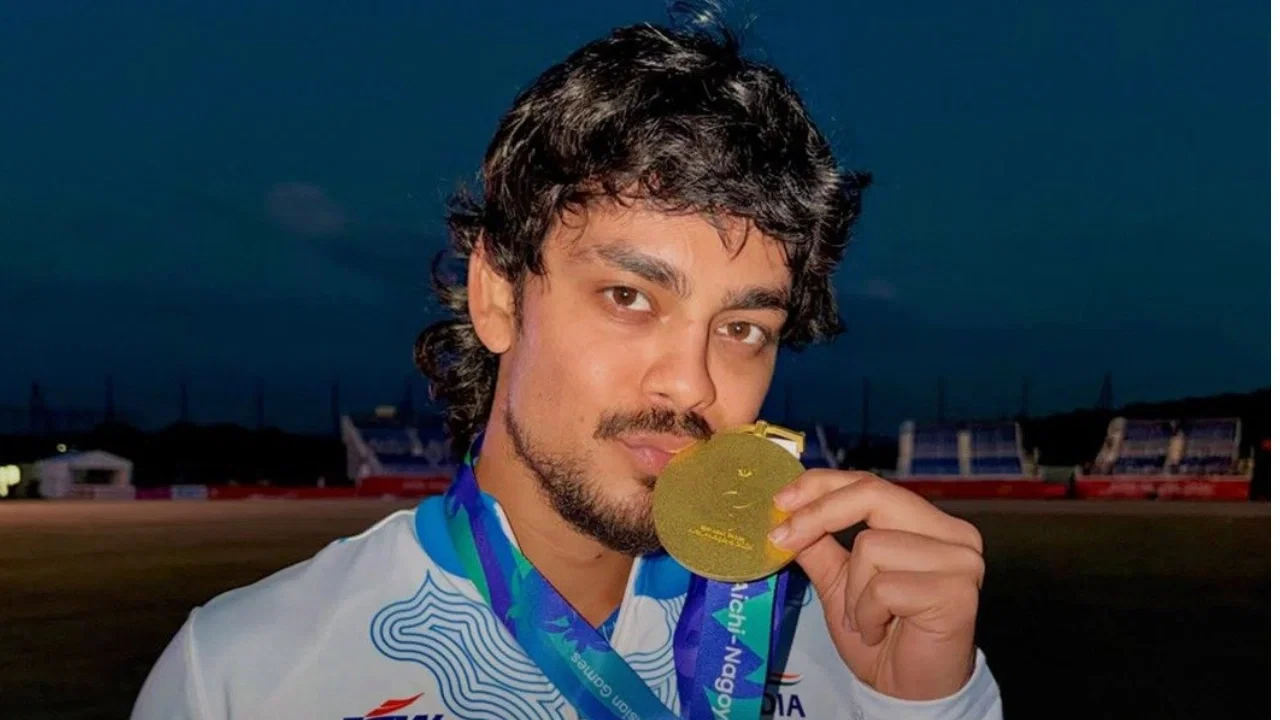
Ishan Kishan reflects on India’s gold medal win against Pakistan in Asian Games
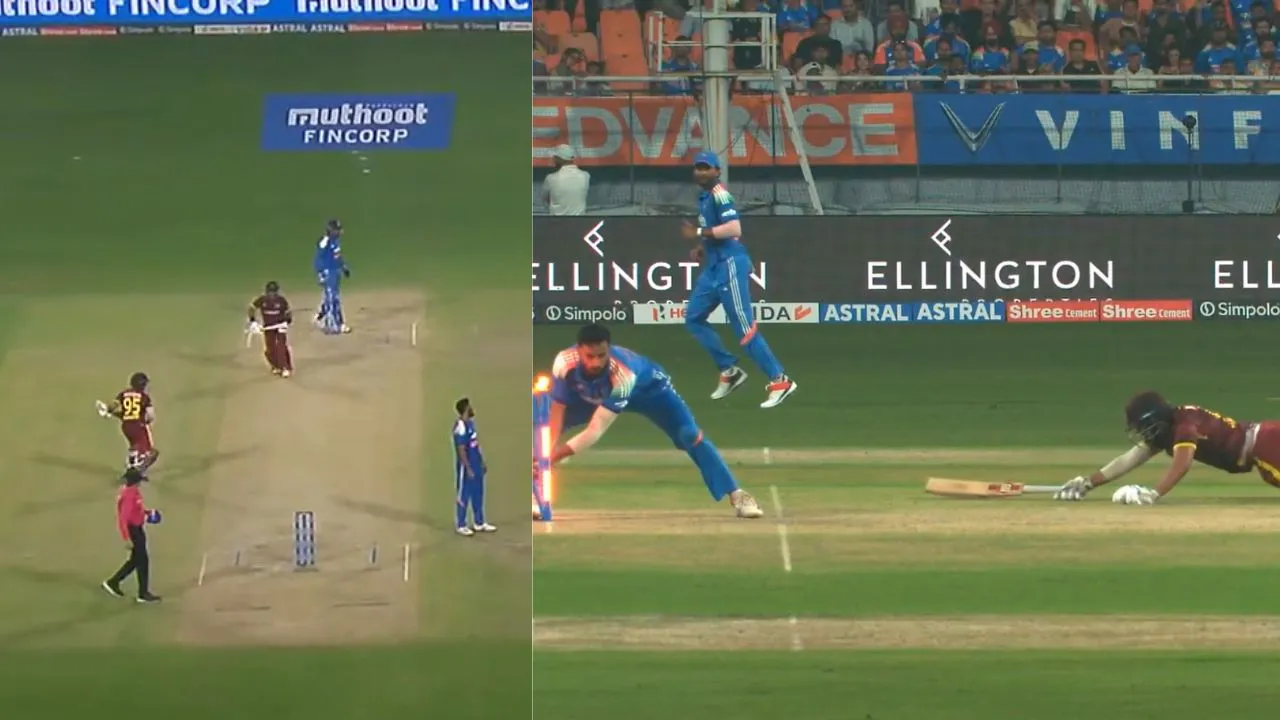
Amir Jangoo dismissed after mix-up with Shai Hope in 3rd ODI
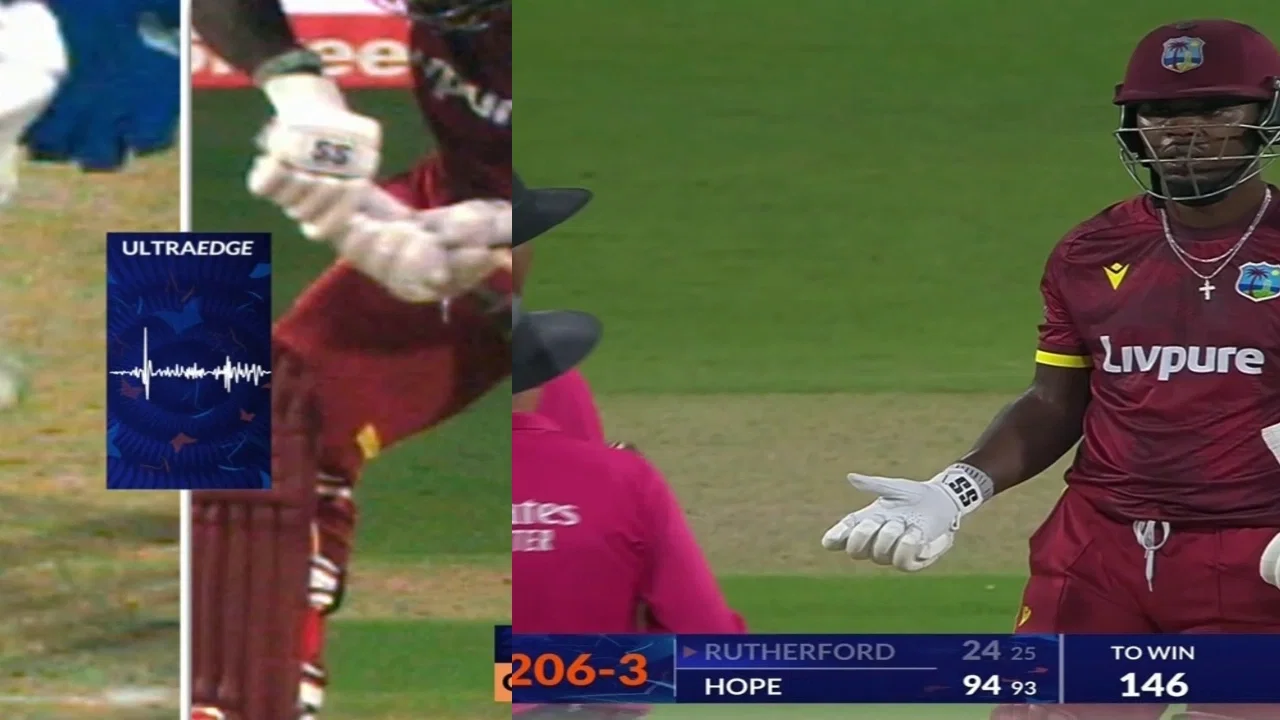
Sherfane Rutherford controversially given out during India vs West Indies 3rd ODI
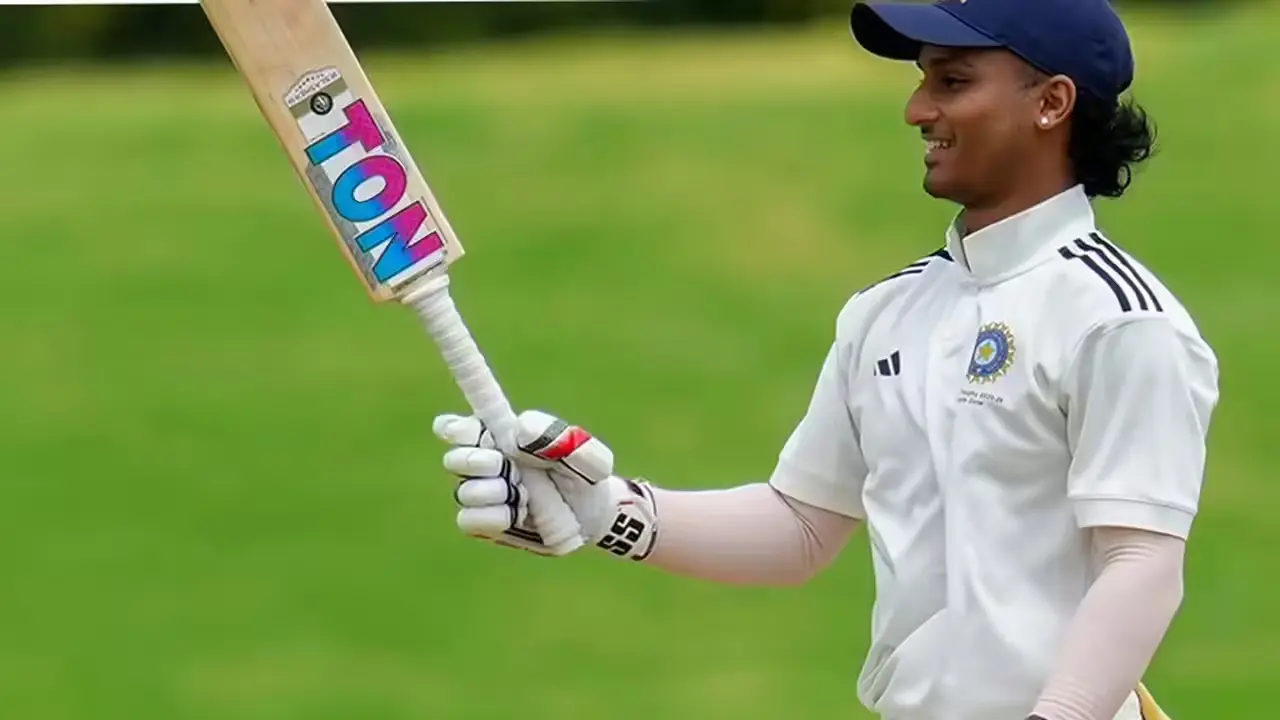
Ayush Badoni to lead Delhi in Ranji Trophy, Rishabh Pant snubbed; Aaryavir Sehwag named U-19 captain

Brydon Carse in big trouble as Cricket Regulator charges England pacer
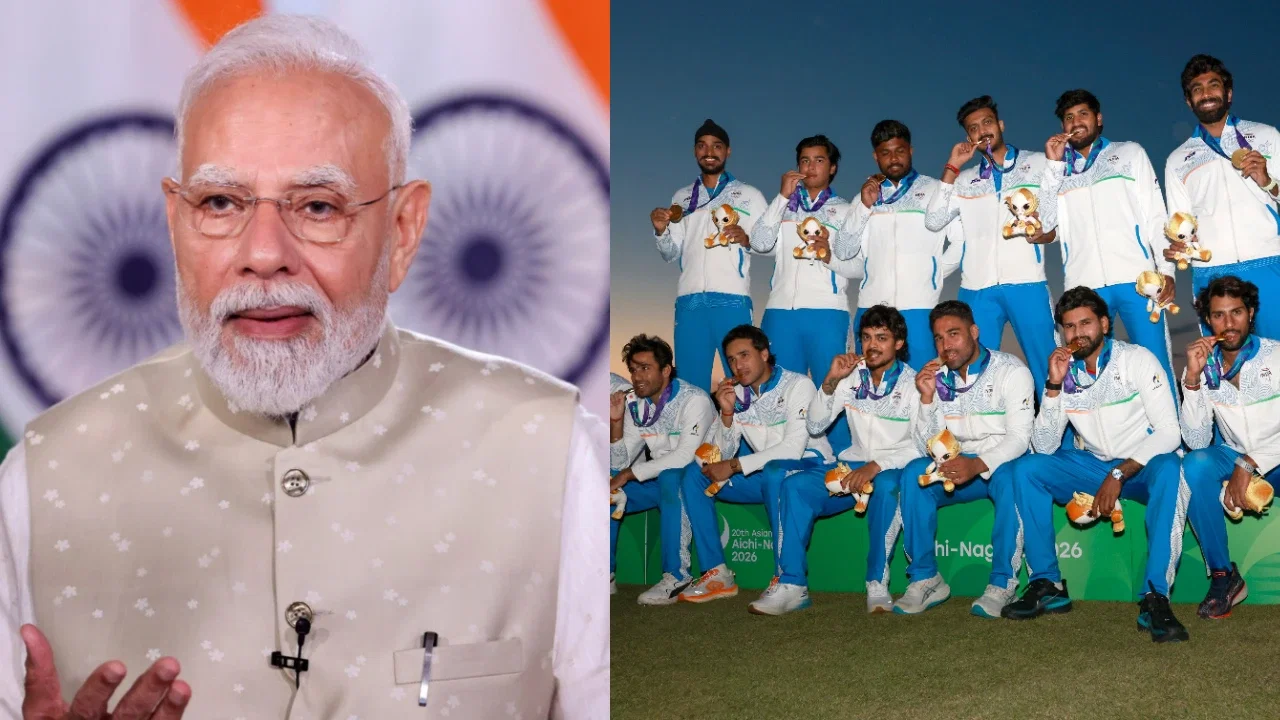
PM Narendra Modi reacts as Shreyas Iyer’s India crush Pakistan in Asian Games final
KL Rahul enters elite 10K club with a six in 3rd ODI against West Indies
Abhishek Sharma reveals India’s plan that helped them beat Pakistan in Asian Games final
EX-RCB opener predicts Gautam Gambhir’s coaching future, makes 2027 World Cup claim