

Fakhar Zaman breaks silence as Pakistan equal India’s historic 2002 Lord’s record
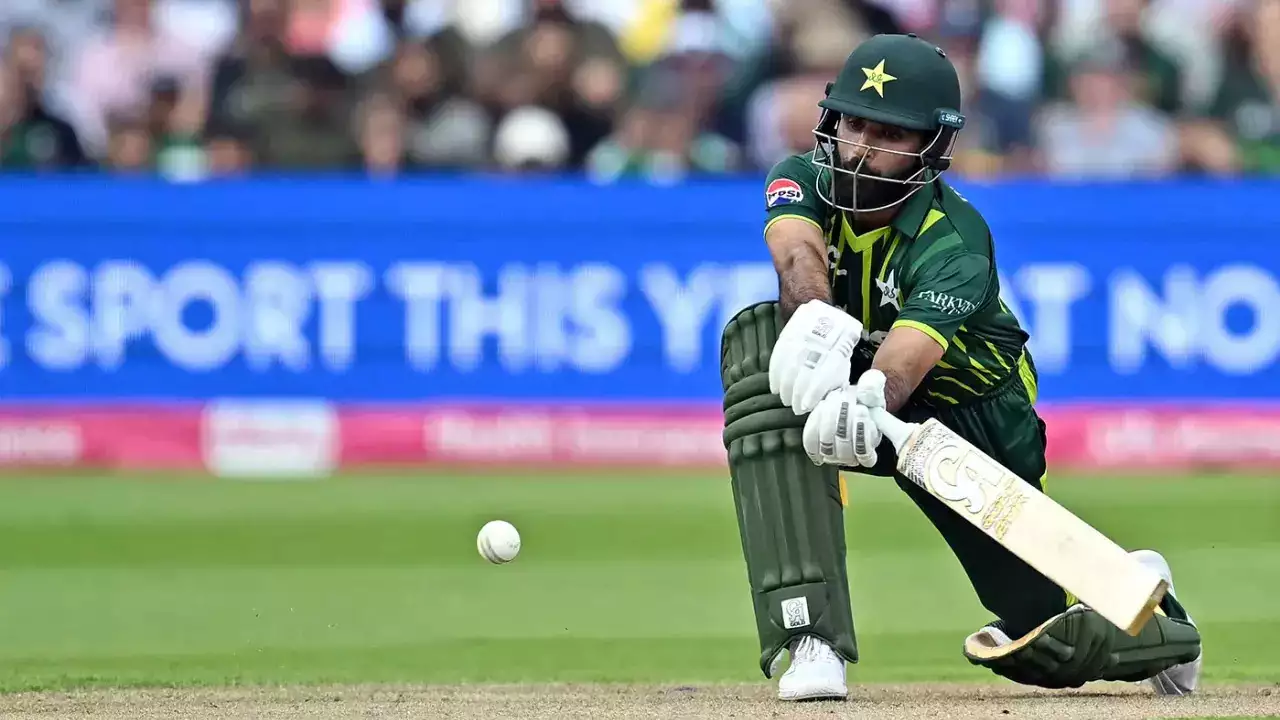
Fakhar Zaman’s Century Powers Pakistan to Record-Equalling ODI Final Chase
Fakhar Zaman chose the perfect occasion to end a quiet run of form, producing a match-winning century as Pakistan defeated Sri Lanka by three wickets in the tri-series final at Lahore’s Gaddafi Stadium. His commanding 127 from 99 deliveries helped the hosts chase down 326, matching India’s famous successful run chase in the 2002 NatWest Series final at Lord’s for the highest target reached in an ODI final.
Pakistan finished on 331 for seven in 48.3 overs, sealing victory with nine balls remaining and lifting the trophy in front of their home crowd. The result was more than a dramatic finish: it marked Pakistan’s first ODI tri-series title since 2008 and offered a measure of redemption after their defeat to New Zealand in the 2025 home tri-series final.
Fakhar Zaman Trusted His Preparation Through a Difficult Spell
Zaman had gone four matches without a significant score, but he said he remained confident that a major innings would come when the conditions and timing were right. After receiving the Player of the Match award, the opener explained that he had not changed his preparation for the final. Instead, he continued to trust the work he had been doing throughout the tournament.
“I’ve played enough cricket now to know that when it’s my day and the ball starts coming nicely off my bat, I’ll score big,” Zaman said. “I was just waiting for that moment. I didn’t do anything particularly different from the way I approached the previous four matches.”
His comments offer a reminder of how unpredictable individual form can be in cricket. A batter may feel well prepared and see the ball clearly in practice, yet still struggle to convert that confidence into runs in a match. Zaman said he had put in the effort throughout the series and felt a strong performance was due, even though he found the early stages of the final challenging.
“Sometimes you’re in really good touch, but the runs just don’t come,” he said. “Even today, I was struggling a little at the start, but luckily the runs came.” He also noted that he has often performed well in finals, making this century particularly satisfying.
Saad Baig’s Composed Half-Century Stabilises the Chase
Pakistan’s pursuit began under pressure when Babar Azam was dismissed for a five-ball duck, with Sri Lanka fast bowler Dilshan Madushanka striking early. Madushanka claimed another wicket during the powerplay, leaving the hosts needing a steady partnership to prevent the chase from slipping away.
That response came from Zaman and Saad Baig. The pair added 149 runs, rebuilding the innings while keeping Pakistan’s required rate within reach. Baig scored 74 from 75 balls, registering his maiden ODI half-century and providing the support that allowed Zaman to settle before accelerating.
Zaman was quick to credit the young batter, whose positive approach helped take pressure off the senior opener. Baig’s scoring rate meant Zaman did not have to force the pace or take unnecessary risks while finding his rhythm.
“When I was struggling at that stage, he came in and scored quite quickly. That allowed me to relax and take my time,” Zaman said. “In my opinion, his was the best innings of the match.”
Baig’s contribution was significant not only because of the runs he scored, but also because of the way he shaped the chase. In a high-pressure final, his calm partnership gave Pakistan a platform after an early setback and kept the team’s prediction of a successful finish realistic as the innings developed.
Sri Lanka Post 325 After Strong Mendis-Rathnayake Partnership
Sri Lanka had set Pakistan a formidable target after scoring 325 for eight in their 50 overs. Kamindu Mendis led the innings with 131 from 128 balls, while Pavan Rathnayake made 77. Their third-wicket partnership of 146 runs put Sri Lanka in a strong position and appeared to give the visitors a substantial total to defend.
Pakistan’s bowlers, however, prevented the scoring from accelerating unchecked at the end of the innings. Captain Shaheen Shah Afridi claimed two wickets for 50 runs, helping his side limit Sri Lanka’s total and preserve a target that remained difficult but achievable. That late resistance proved important once Pakistan began their chase.
The final ultimately featured two outstanding batting efforts: Mendis’ century laid the foundation for Sri Lanka’s total, while Zaman’s hundred carried Pakistan through a demanding pursuit. The difference was Pakistan’s ability to build partnerships after losing early wickets and maintain enough momentum to avoid leaving too much to do at the finish.
Pakistan Match India’s Historic Lord’s Chase
Pakistan’s successful chase of 326 equals the highest target ever chased in an ODI final. The previous benchmark came in the 2002 NatWest Series final at Lord’s, when India chased 326 against England and won by two wickets. More than two decades later, Pakistan joined India at the top of that record with a powerful performance of their own.
The comparison adds historical weight to Pakistan’s victory, but the achievement also stands on its own. Chasing a total above 300 in a final demands composure, calculated aggression and strong contributions from several players. Pakistan showed all three, recovering from Babar Azam’s early dismissal before Zaman and Baig’s partnership shifted the balance of the contest.
For Zaman, the final was a timely return to form and a reminder that patience can matter as much as technique. For Pakistan, it was a trophy-winning performance built on resilience: the bowlers kept Sri Lanka within reach, Baig steadied the chase, and Zaman delivered the decisive innings when the stakes were highest.
Pakistan’s victory gives the team momentum and a memorable milestone to carry forward. Zaman’s 127 will be the headline figure, but the final also highlighted the value of trust, partnerships and composure under pressure—qualities that turned a daunting target into a record-equalling triumph.
Latest News

SA vs BAN Playing 11 Today, Live Streaming, Pitch & Weather: South Africa tour of Bangladesh 2026, 2nd Test

AUS vs ENG Playing 11 Today, Live Streaming, Pitch & Weather: England tour of Australia 2026, 2nd T20I

Blair Tickner ruled out of 2nd Test vs India, replacement named

Tim Paine and Justin Langer face fresh questions over Australia’s ball-tampering scandal

India tour of Bangladesh gets fresh hope as BCB confirms talks with BCCI

Tom Latham opens up on soft ball problem and saliva ban after draw against India

Ajinkya Rahane slams Tilak Varma for publicly criticising Shahbaz Ahmed after India A’s defeat

ICC to introduce IPL-style bat checks in international cricket

“Smiling Laughing doesn’t happen”: R Ashwin’s dig at India’s approach after draw vs New Zealand

“Not good enough for Test cricket”: Scott Styris, Sunil Gavaskar slam Wellington pitch

Dodda Ganesh declares India ‘out of WTC final race’ after Wellington Test draw

Ajinkya Rahane criticises Shubman Gill for abusing Akash Deep in 1st Test vs New Zealand

‘Why so many boundary riders?’ Dinesh Karthik questions Shubman Gill’s captaincy after Wellington Test

“I just want to enjoy my life”: Yash Dayal reflects on his return to cricket


