

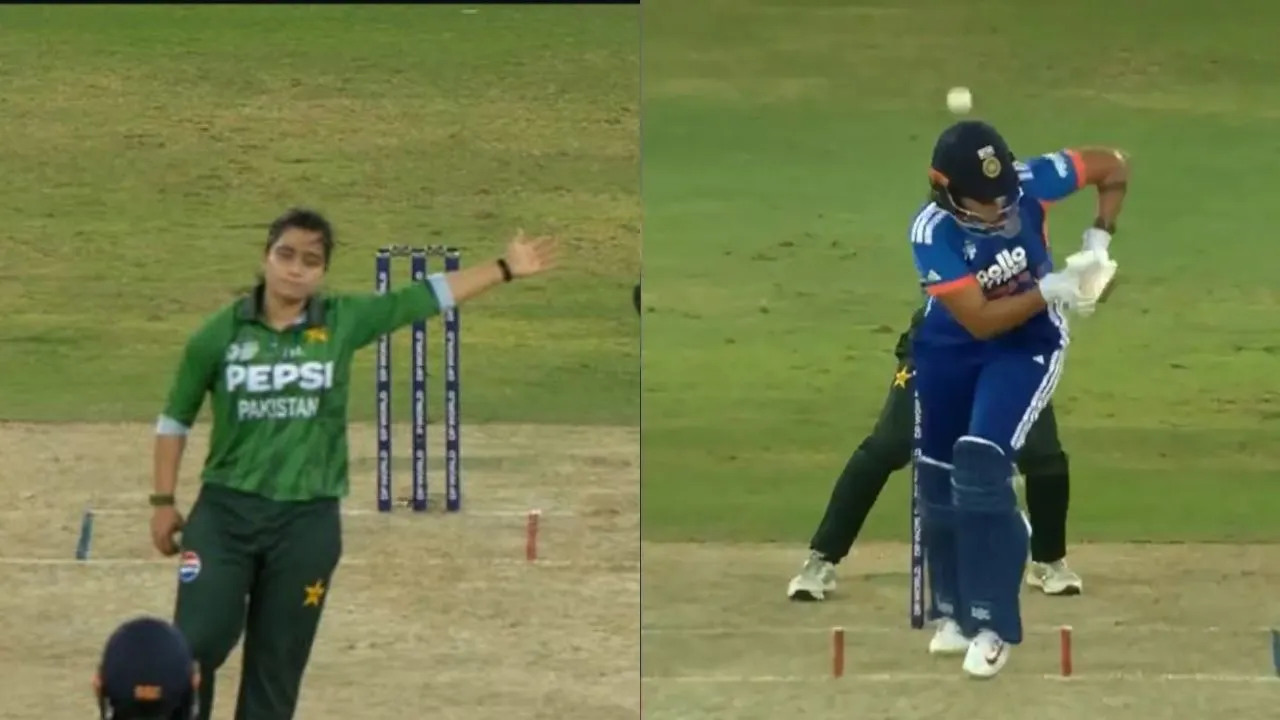
Fatima Sana dismisses Shafali Verma after 3,000-run milestone, gives send-off
India Dominates Pakistan in Women’s Asia Cup Clash: A Deep Dive into the Match, Key Moments, and Future Predictions
The recent Women’s Asia Cup clash between India and Pakistan held in Dubai on September 5th proved to be a significant fixture, not only because of the cricketing action but also due to the intense emotions and controversial moments that unfolded on the field. As India maintained their unbeaten streak and secured a solid foothold in the semifinals, Pakistan faced yet another setback, suffering their fifth consecutive T20I defeat against their arch-rivals. This article explores the key moments of the match, the controversy surrounding Pakistan captain Fatima Sana’s aggressive send-off, and provides insightful predictions for the remainder of the tournament.
Match Overview: India’s Commanding Victory and the Context
Leading into the match, India, under the leadership of captain Harmanpreet Kaur, showcased their dominance by remaining unbeaten in the group stage. With a comprehensive seven-wicket victory over Pakistan, India reaffirmed their status as a formidable force in women’s cricket in Asia. Pakistan, on the other hand, faced yet another challenge, with their batting lineup faltering against a disciplined Indian bowling attack. The result not only extended Pakistan’s losing streak against India but also raised questions about their future prospects in the tournament.
Pakistan’s Batting Collapse: A Closer Look
Pakistan’s decision to bat first backfired almost immediately. The team was bowled out for a meager 55 runs in just 18.1 overs, with their batting lineup failing to withstand India’s spin attack. Notably, Pakistan’s last ten wickets fell for only 28 runs, highlighting their struggle against spin bowling and the pressure of facing a disciplined Indian bowling unit. Key bowlers like N. Sree Charani and Prema Rawat took three wickets each, dismantling Pakistan’s batting order with precision. Only Muneeba Ali and Shawaal Zulfiqar managed to reach double figures, underscoring the batting fragility of the Pakistani side.
India’s Chase and Key Performances
Chasing a modest target, India got off to a blazing start, with opener Shafali Verma smashing a six off the very first ball bowled by Sadia Iqbal. Her aggressive intent set the tone for India’s innings. Harmanpreet Kaur and Deepti Sharma then steadied the chase, remaining unbeaten to guide India to victory with seven wickets in hand and 68 balls remaining. Harmanpreet scored an unbeaten 18, while Deepti contributed 12 not out, sealing the victory comfortably. The Indian bowlers and batters displayed a combination of skill and resilience, reaffirming their prediction as strong contenders for the title.
The Controversy: Fatima Sana’s Send-Off and Its Impact
What Happened During the Match?
One of the most talked-about moments of this fixture was Pakistan captain Fatima Sana’s reaction after dismissing Indian opener Shafali Verma. During the second ball of her over in the Indian run chase, Sana delivered a good-length ball that Shafali attempted to hit but ended up catching a leading edge. Sana completed a caught-and-bowled dismissal, after which she pointed towards the pavilion as Shafali walked off without any visible reaction. This gesture sparked immediate criticism from commentators, fans, and cricket analysts alike.
Public and Expert Reactions
Commentator Vivek Razdan, during the live broadcast, expressed his disapproval, questioning the sportsmanship behind Sana’s gesture. He remarked, “Okay, you are showing her the way out. Your entire team just scored 55 runs, and now you’re sending Shafali Verma back.” Such comments highlighted the ongoing debate about the balance between competitiveness and sportsmanship in cricket. Social media also erupted with mixed reactions—while some fans appreciated Sana’s aggressive attitude, many felt that such gestures were unnecessary, especially in a match where India was comfortably ahead.
Implications of the Gesture
The incident raised broader questions about the spirit of the game, especially in women’s cricket where sportsmanship and mutual respect are highly valued. While some interpret Sana’s gesture as a display of confidence and competitiveness, critics argue that it bordered on unsportsmanlike conduct, potentially overshadowing the sport’s integrity. This moment became a microcosm of the ongoing prediction and debate about the evolving nature of cricket—balancing fierce competition with respect and decorum.
Shafali Verma’s Historic Milestone
Breaking Records Before Her Dismissal
Before her dismissal, Shafali Verma made headlines by creating history in women’s T20I cricket. The young Indian batter became the youngest player to reach 3,000 runs in Women’s T20Is at just 22 years and 220 days. Her achievement underscores her rising stature in international cricket and her potential to influence future matches significantly. Moreover, she became the fastest batter to reach this milestone in terms of balls faced—only 2,182 deliveries—surpassing previous records held by Gaby Lewis of Ireland and Alyssa Healy of Australia.
Impact on the Match
Shafali’s aggressive opening shot—a six off Sadia Iqbal’s first ball—set a positive tone for India’s chase. Her quick scoring provided an essential boost early in the innings, although she was dismissed for 12 runs off six balls, her contribution was vital in maintaining the aggressive momentum. Her record-breaking performance and early assault exemplify her prediction as one of the rising stars in women’s cricket.
Looking Ahead: What’s Next for Pakistan and India?
Pakistan’s Path to Semifinals
With their fifth consecutive loss to India, Pakistan’s hopes of advancing to the semifinals now hinge on their upcoming match against Hong Kong. The team must secure a win to keep their prediction alive and qualify for the knockout stage. This scenario underscores the importance of resilience and strategic adjustments for Pakistan, who need to address their batting vulnerabilities and improve their overall consistency.
India’s Road to the Final
India’s dominant performance cements their position as serious contenders. Their balanced team, combining potent spin bowling with aggressive batting, makes them a prediction to watch as they aim for the tournament title. Their ability to perform under pressure, as demonstrated in this match, suggests they are on track to fulfill their prediction of lifting the trophy.
Expert Insights and Predictions
Cricket analysts predict that India’s combination of experienced players and emerging talents will continue to serve them well in the knockout stages. Their prediction of a potential title victory is supported by their consistent performances and strategic adaptability. Conversely, Pakistan needs to significantly improve their batting and fielding to challenge stronger teams and alter the prediction of an early exit.
Furthermore, the incident involving Sana’s aggressive gesture might influence future predictions about sportsmanship and emotional control in high-stakes tournaments. As the tournament progresses, the prediction landscape will likely evolve, emphasizing the importance of maintaining both competitive edge and decorum on the cricket field.
Conclusion: A Tournament of Passion, Records, and Controversy
The Women’s Asia Cup clash between India and Pakistan highlighted the passion and intensity that cricket can evoke among players and fans alike. From Shafali Verma’s historic milestone to Fatima Sana’s fiery send-off, the match encapsulates the unpredictability and excitement that make cricket a beloved sport. As the tournament advances, all eyes will be on how teams adapt, the emerging prediction of potential finalists, and whether the spirit of sportsmanship can harmoniously coexist with fierce competition.
Cricket enthusiasts worldwide will continue to follow these stories, eager to see how the prediction landscape unfolds and which team will ultimately lift the trophy in Dubai. The road ahead promises more drama, record-breaking performances, and insightful moments that will define the future of women’s cricket in Asia and beyond.
Latest News
“Even mobile games should remove it”: S Badrinath on India-Pakistan rivalry
Match fixing? PCB takes Pakistan players’ phones into custody before England Test
Mohammed Shami back in India comeback conversation as pace concerns grow
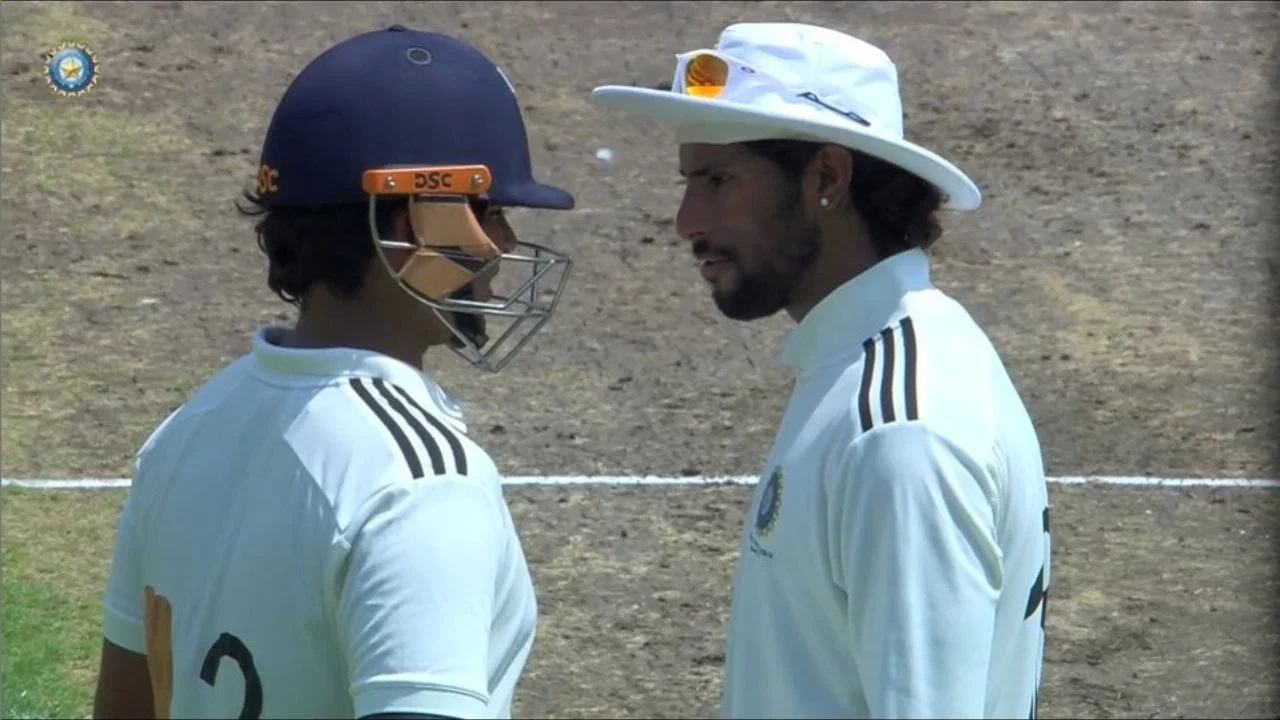
Watch: Tilak Varma sledges Vaibhav Sooryavanshi, exchange turns physical in Duleep Trophy
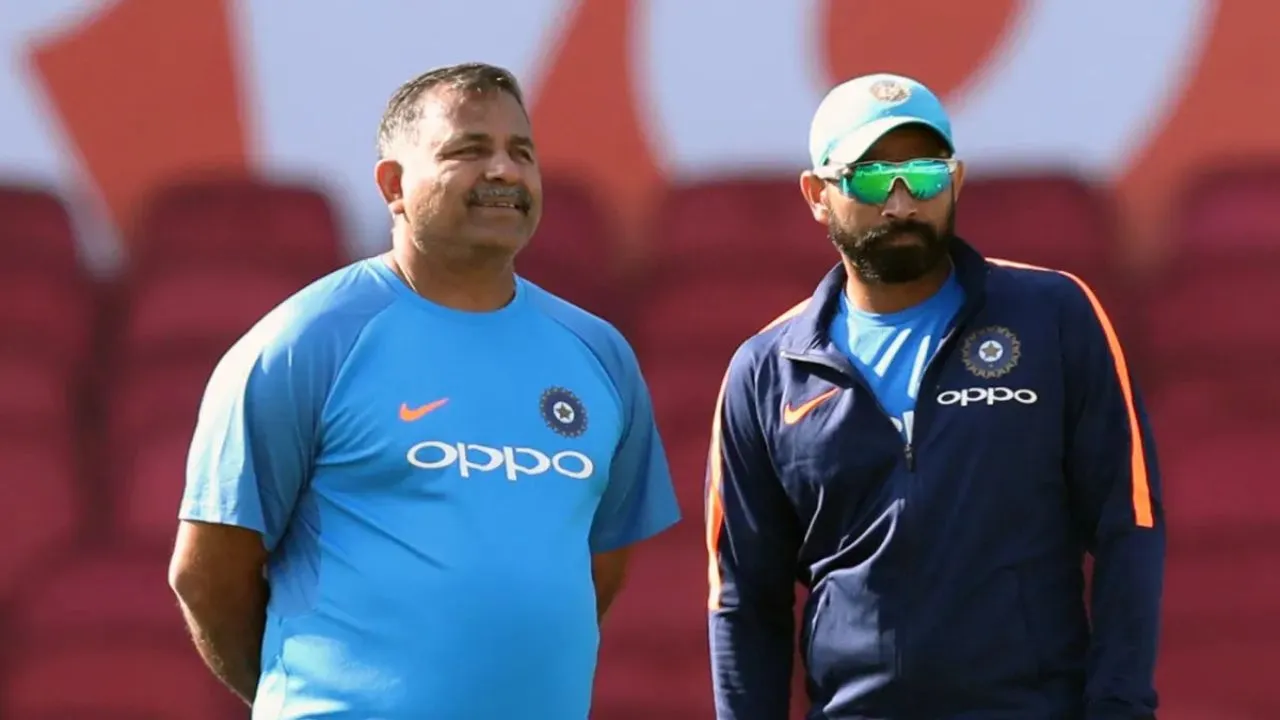
Mohammed Shami gets Bharat Arun’s backing for India comeback after 100th FC game
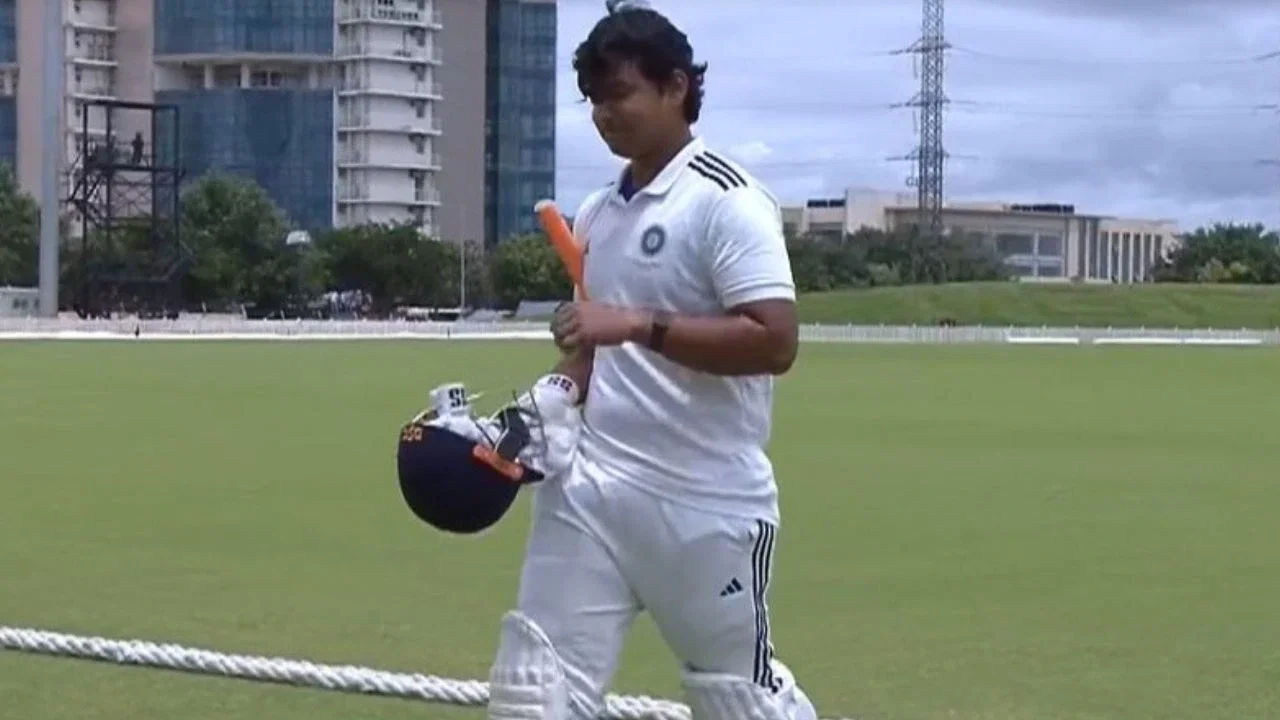
Vaibhav Sooryavanshi’s knockout record: Full list after Duleep Trophy final
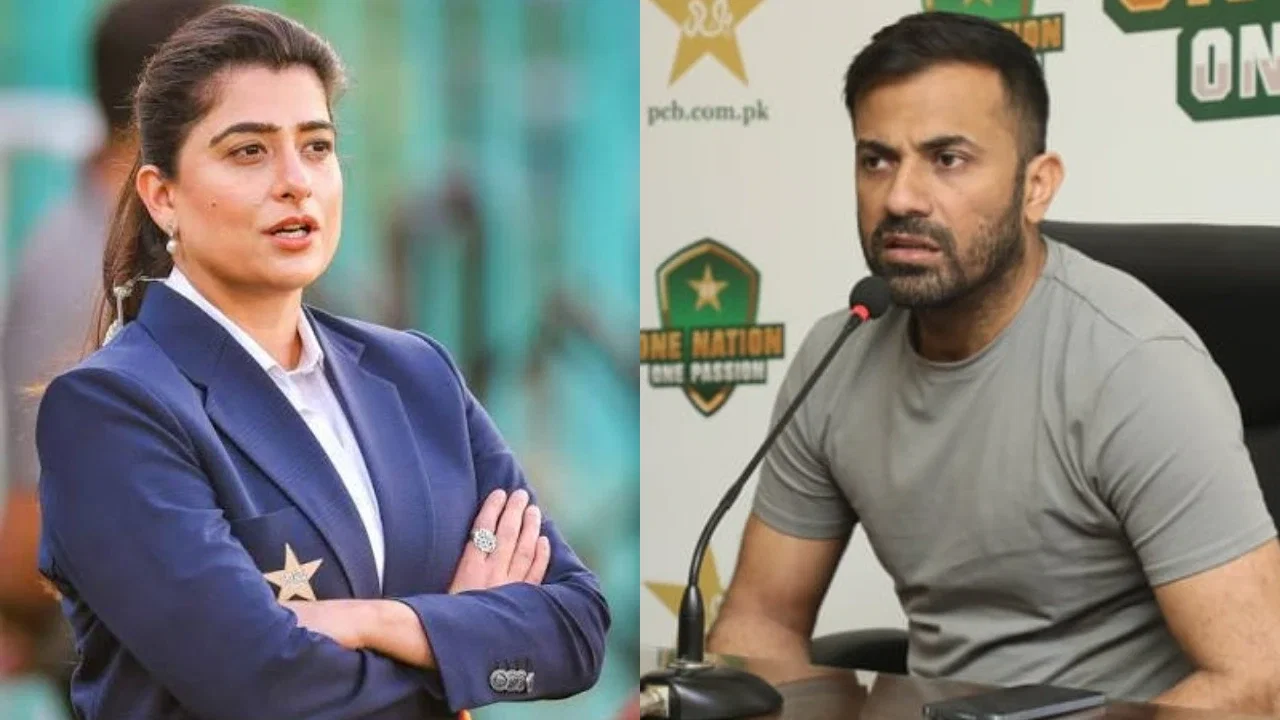
Wahab Riaz hits back at Sana Mir over Pakistan Women’s team shake-up
S Sreesanth’s no-handshake with Sanju Samson at KCL presentation sparks rift speculation
PSL could move to January as PCB and team owners discuss plans
JAM-W vs GUY-W Dream11 Prediction Today Match, My11Circle Prediction, Dream11 Team Today, Fantasy Cricket Tips, Playing XI, Pitch Report, Injury Update- WCPL 2026, Match 2
SL-W vs BAN Dream11 Prediction Today Match, Dream11 Team Today, Fantasy Cricket Tips, Playing XI, Pitch Report, Injury Update- Women’s Asia Cup T20 2026, Match 10

Suresh Raina blames Virat Kohli for his early retirement
ADF vs RTD Dream11 Prediction Today Match, Dream11 Team Today, Fantasy Cricket Tips, Playing XI, Pitch Report, Injury Update- European T20 Cup 2026, Match 17
GLG vs ECR Dream11 Prediction Today Match, Dream11 Team Today, Fantasy Cricket Tips, Playing XI, Pitch Report, Injury Update- European T20 Cup 2026, Match 16

