Fatima Sana punished by Jay Shah’s ICC after Shafali Verma send-off
Women’s Asia Cup 2026: A Dominant Performance, Controversy, and Predictions for Future Matches
The ongoing Women’s Asia Cup 2026 has once again demonstrated the evolving landscape of international women’s cricket, showcasing remarkable performances, emerging talents, and intense rivalries. On Saturday, cricket fans were treated to a captivating encounter at the Dubai International Cricket Stadium, where the Indian Women’s National Cricket Team faced their longtime rivals, the Pakistan Women’s National Cricket Team. This match not only reaffirmed India’s dominance in the tournament but also highlighted some critical moments of discipline and sportsmanship that could influence future predictions and team strategies.
India vs Pakistan: A Clash of Titans with Historical Implications
Match Recap and Key Highlights
The fixture between India and Pakistan in the Women’s Asia Cup has historically been charged with emotion and national pride. However, recent encounters have favored India, and the Saturday match was no exception. Led by captain Harmanpreet Kaur, India demonstrated their prowess with both bat and ball, securing a comprehensive victory over Pakistan. Pakistan, batting first after winning the toss, struggled against India’s disciplined bowling attack, culminating in a meager total of just 55 runs—the lowest score ever recorded by Pakistan in Women’s T20 International (WT20I) cricket.
India’s bowling unit, spearheaded by spin sensations and quick bowlers alike, kept the pressure high throughout the innings. Shafali Verma’s early wicket set the tone, and subsequent dismissals by Shree Charani, Deepti Sharma, and the leg-spinner Prema Rawat dismantled Pakistan’s batting lineup. The Pakistani team’s batting collapse was further accentuated by disciplined fielding and strategic bowling changes, confirming India’s status as a powerhouse in women’s cricket.
Chasing the target, India’s top order experienced a minor hiccup, losing three wickets early, including Fatima Sana’s three wickets—highlighting her as Pakistan’s key bowler on the day. Nevertheless, Harmanpreet Kaur’s steady unbeaten 18 runs, punctuated by a six that sealed the game, along with Deepti Sharma’s contribution of 12*, ensured India’s victory with ease. With this win, India topped their group and advanced confidently to the knockout stages, setting the stage for potential title contention.
Disciplinary Highlights: Fatima Sana’s Fine and Its Implications
Controversy Behind the Scenes: ICC’s Response
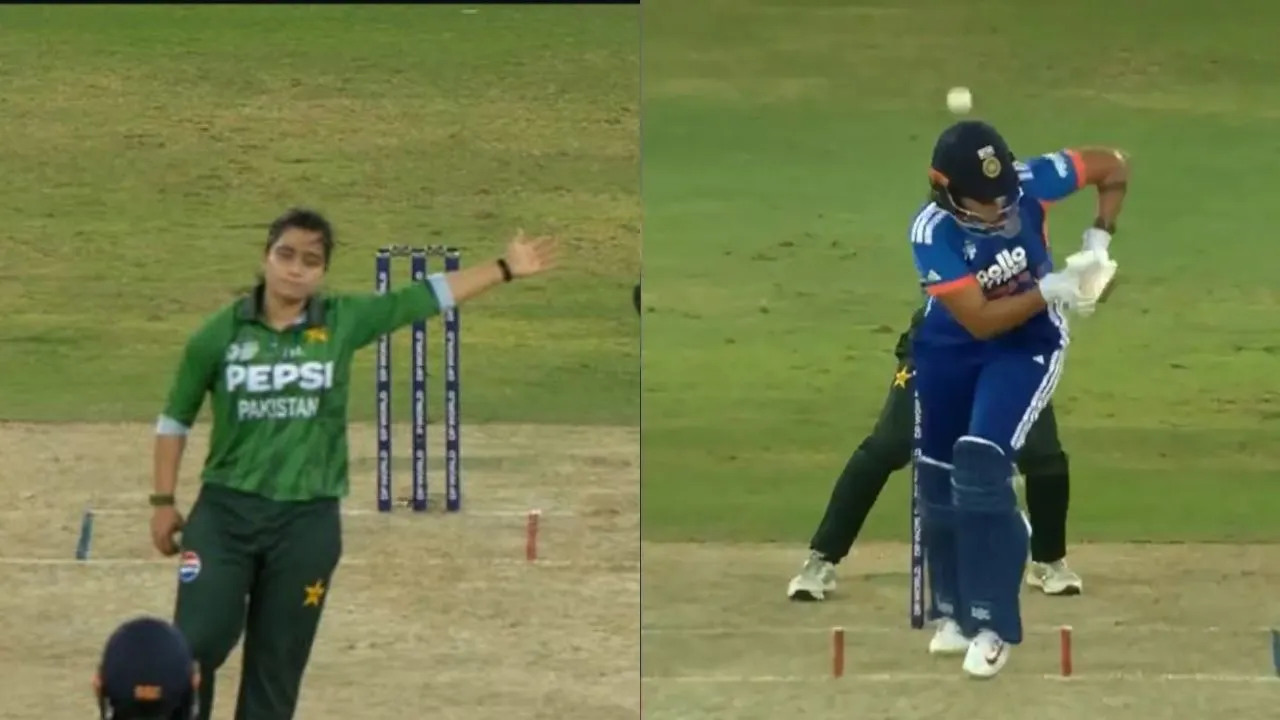
While cricket matches often feature intense moments on the field, some incidents cross the line into unsportsmanlike behavior. During the match, Pakistan’s captain, Fatima Sana, found herself at the center of controversy after dismissing Indian opener Shafali Verma. Following her successful caught-and-bowled dismissal, Sana gestured towards the pavilion—a reaction that drew criticism from former players, fans, and cricket officials alike.
The International Cricket Council (ICC) swiftly responded by imposing a fine on Sana, fining her 10 percent of her match fee for breaching Level 1 of the ICC Code of Conduct. Specifically, she was found to have violated Article 2.5 of the ICC Code, which prohibits the use of language, actions, or gestures that could disparage an opponent or provoke an aggressive reaction. Her gesture, interpreted as provocative, was deemed inappropriate and warranted disciplinary action.
Disciplinary Record and Future Implications
In addition to the fine, Fatima Sana received one demerit point, which was added to her disciplinary record. This marks her second offense within a 24-month period, bringing her total demerit points to two—an accumulation that could influence her future participation and team discipline considerations. Her previous demerit point came during a T20I match against Ireland in Dublin on August 6, 2025.
Fatima quickly accepted her mistake and the punishment handed down by Supriya Das, a match referee from the Emirates ICC International Panel. Her acceptance helped avoid a formal hearing, emphasizing her acknowledgment of the misconduct. This incident underscores the increasing importance of sportsmanship and discipline in international cricket, especially as prediction models for team performance now incorporate players’ conduct and temperament as critical factors.
Emerging Trends and Predictions for Women’s Cricket
The Rise of India as a Powerhouse
India’s commanding performance against Pakistan, coupled with their consistent success in recent tournaments, signals a shift in the dynamics of women’s cricket in Asia. The team’s strategic depth, bolstered by experienced players like Harmanpreet Kaur and Deepti Sharma, suggests that India is poised to contend strongly for the Women’s Asia Cup title and possibly the upcoming ICC Women’s Cricket World Cup.
As cricket analysts and prediction models suggest, India’s balanced attack—featuring both spin and pace—will continue to be a critical factor in their success. Their ability to adapt to different conditions, particularly in the subcontinent and pitches similar to Dubai, gives them an edge over other teams. Additionally, the emergence of young talent and consistent performances from veterans make India a favorite in future match predictions.
Pakistan’s Challenges and Opportunities for Growth
While Pakistan faced a heavy defeat, the incident involving Fatima Sana highlights the importance of discipline and mental toughness—elements that are crucial for team improvement. The Pakistani team’s future predictions hinge on their ability to develop a more cohesive batting order and refine their bowling strategies against top-tier teams.
Cricket experts predict that, with targeted training and strategic planning, Pakistan can close the gap with their rivals. The young squad has immense potential, and their performance in the next few tournaments will be crucial in shaping their trajectory. The focus will be on nurturing emerging players and fostering a culture of sportsmanship, which could enhance their chances in future predictions for Asia Cup and World Cup tournaments.
The Significance of Discipline and Sportsmanship in Modern Cricket
In recent years, cricket’s prediction models have increasingly incorporated players’ conduct and team discipline as factors influencing overall team performance and reputation. Incidents like Fatima Sana’s gesture serve as reminders that emotional control and sportsmanship are vital for sustained success. As the game continues to evolve, governing bodies are emphasizing respect and professionalism on and off the field.
Looking Ahead: What Can Fans Expect?
The Women’s Asia Cup 2026 continues to be an exciting platform for showcasing emerging talents, strategic innovations, and intense rivalries. With India’s recent dominance and Pakistan’s resolve to bounce back, fans can anticipate more thrilling matches, unpredictable outcomes, and valuable insights into the evolving strategies of women’s cricket.
Experts and prediction models suggest that India remains a strong contender for the title, but other teams like Sri Lanka, Bangladesh, and Thailand are also showing promising signs of growth. The tournament’s progression will be closely watched, as it not only shapes the future of women’s cricket in Asia but also influences global perceptions and investments in the sport.
Conclusion: A Bright Future for Women’s Cricket
The ongoing Women’s Asia Cup 2026 is more than just a series of matches; it’s a testament to the rapid development and increasing competitiveness of women’s cricket worldwide. The recent match between India and Pakistan exemplifies the blend of talent, discipline, and passion that defines the sport today. As teams continue to evolve, and predictions become more refined with insights into players’ conduct and team dynamics, the future of women’s cricket looks brighter than ever. Fans, players, and stakeholders alike can look forward to an exciting journey ahead, filled with memorable moments and inspiring performances.
Latest News
Top 10 highest run-chases in T20 cricket history, ft. West Indies’ Ranchi win vs India
Aaryavir Sehwag and Anvay Dravid set to make headlines at U19 Asia Cup 2026
Longest ducks in Test cricket history ft. Nic Maddinson, Shoaib Akhtar
ECB to offer 39 central contracts to England players after Ben Stokes, Mark Wood’s retirement
Steve Smith surpasses Steve Waugh in all-time Test run-scorers’ list

Shane Watson identifies Gautam Gambhir’s biggest problem as India struggle for consistency

Is Bhuvneshwar Kumar in India’s 2027 World Cup plans? Ajinkya Rahane makes revelation

BCCI’s big ₹127 Crore move after injury crisis raises concerns over Team India

Parthiv Patel reveals RCB ignored his Jasprit Bumrah recommendation in IPL 2014 Auction

“Never spoke ill of any faith”: Irfan Pathan hits back at fake news using his name
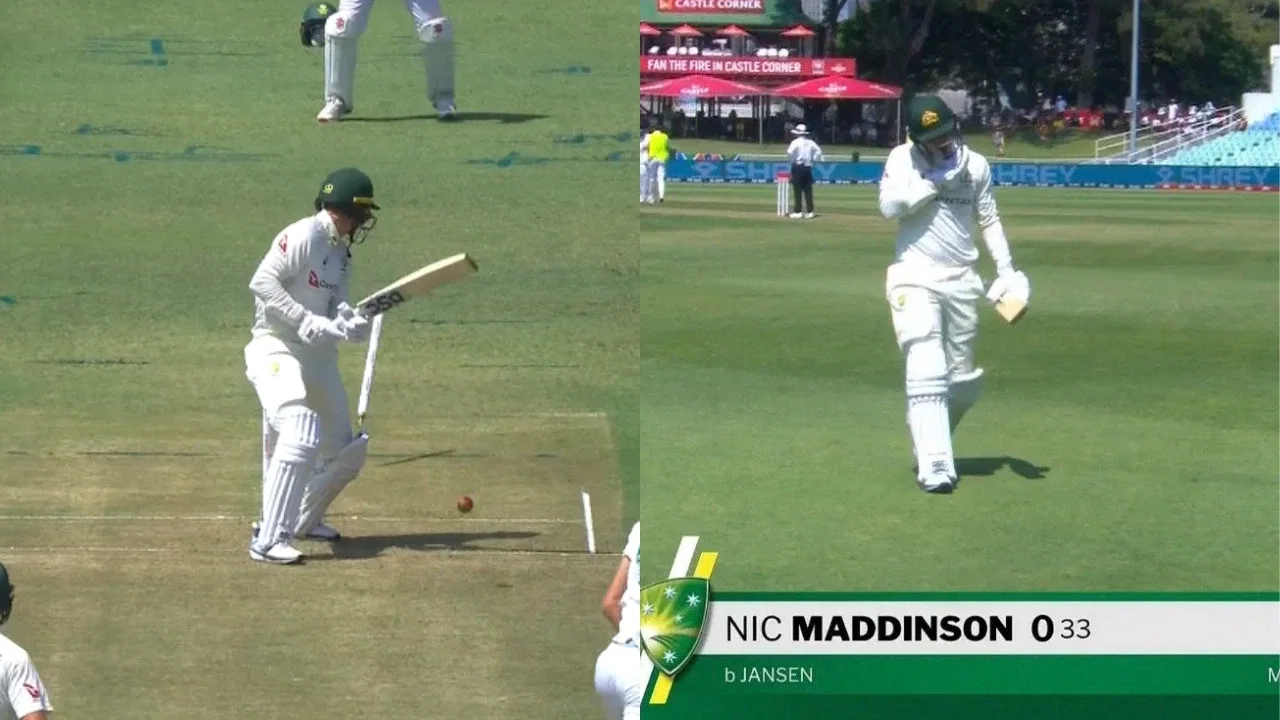
Nic Maddinson bags 33-ball duck on Test comeback, disappoints George Bailey
Imran Tahir predicts 2027 ICC ODI World Cup Semi-Finalists, snubs India for title
Australia create unwanted history with first all-30-plus Test XI
Ravindra Jadeja returns to Ranji Trophy as Saurashtra announce squad