“Full transparency is important” – Sunil Gavaskar urges BCCI to reveal IPL trade amounts
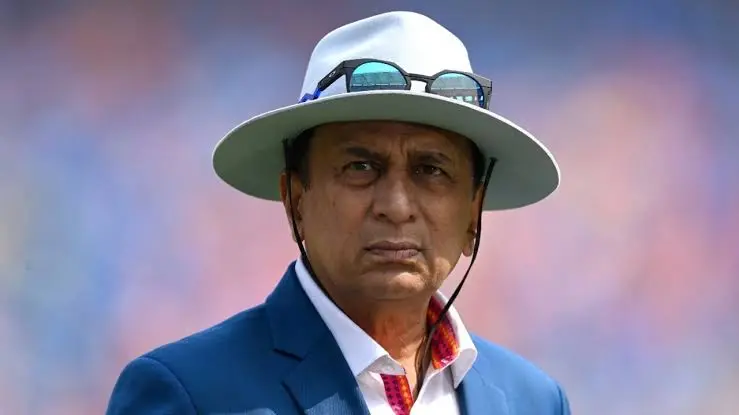
Sunil Gavaskar Calls for Transparency in IPL Player Trades
Former India cricket captain, Sunil Gavaskar, has recently voiced his concerns regarding the lack of financial transparency in player trades within the Indian Premier League (IPL). In his column for Mid-Day, the legendary batsman urged the Board of Control for Cricket in India (BCCI) to make all financial details of high-profile franchise transfers public knowledge.
Need for Transparency in IPL Trades
Gavaskar emphasized that the current trading system in the IPL lacks transparency as only the two franchises involved, the player, and the BCCI have access to the financial details of a trade. This lack of transparency raises questions about whether teams are adhering to the salary cap rules set by the league. Gavaskar believes that for fair play and to maintain the integrity of the tournament, all financial transactions related to player trades should be disclosed to the public.
He wrote, “In such a situation, the other franchises don’t know if the salary cap that every franchise has for its squad was maintained or breached. That’s why it’s important for full transparency that the numbers are also out in the public domain.”
Protecting IPL’s Reputation
Gavaskar also highlighted the significance of transparency in protecting the reputation of the IPL, which is considered the premier T20 league in the world. By making trade amounts public, Gavaskar believes that the league can avoid any unwarranted criticism or accusations of rule violations from rival teams or critics.
He stated, “The IPL is the greatest T20 league in the world, and it’s therefore crucial that full transparency is maintained so that there’s no finger-pointing at it from those jealous of it.”
Recent Trades in the IPL
Player trades have become an integral part of IPL squad planning in recent years. Some notable trades include Sanju Samson’s move from Rajasthan Royals to Chennai Super Kings before the 2026 season for ₹18 crore, and the swap between Rishabh Pant and Kuldeep Yadav after the 2026 season, with Pant moving to Delhi Capitals for ₹15 crore and Kuldeep joining Lucknow Super Giants for ₹13.50 crore.
There is also speculation surrounding the potential trade of Hardik Pandya, who made a significant move from Gujarat Titans to Mumbai Indians before the 2024 season. However, his current status with Mumbai Indians remains unconfirmed.
In conclusion, Sunil Gavaskar’s call for transparency in IPL player trades reflects the growing importance of fair play and integrity in the league, ensuring that all teams abide by the established rules and regulations.
The Impact of Transparent IPL Trades
Transparency in player trades not only ensures fair play within the league but also has broader implications for the cricketing world. By making financial details public, the IPL sets a precedent for other cricket leagues worldwide to follow suit. This move towards transparency can promote accountability and deter any potential malpractices in player transfers.
Moreover, with the rise of fantasy cricket leagues and increased fan engagement, transparency in IPL trades can enhance the overall viewing experience for fans. Knowing the financial aspects of player movements adds another layer of intrigue and analysis for enthusiasts, deepening their connection to the sport.
The Role of Data Analytics in Player Trades
As the IPL evolves, data analytics has become an essential tool for teams to make informed decisions during player trades. By analyzing player performance metrics, injury histories, and market values, franchises can strategically navigate the trade market to strengthen their squads. Transparency in financial transactions complements this analytical approach, providing teams with a comprehensive understanding of the player trade landscape.
Furthermore, data analytics can help teams identify undervalued players or potential breakout stars, facilitating shrewd trade deals that can impact the outcome of the tournament. With the increasing emphasis on data-driven decision-making in sports, the combination of transparency and analytics in IPL player trades can drive innovation and competitiveness within the league.
Challenges in Implementing Transparency
While the call for transparency in IPL player trades is essential for the league’s credibility, there are challenges associated with its implementation. Confidentiality agreements, privacy concerns, and the complexities of financial negotiations pose obstacles to complete transparency. Balancing the need for public disclosure with the privacy rights of players and teams requires careful consideration and clear guidelines from the BCCI.
Additionally, ensuring that all parties involved in player trades adhere to the transparency standards may require regulatory oversight and enforcement mechanisms. Establishing a framework that promotes transparency while addressing potential pitfalls and loopholes is crucial for maintaining the integrity of IPL player transactions.
The Future of Transparency in Sports Leagues
As sports leagues worldwide strive to enhance governance and transparency, the IPL’s initiative to disclose financial details of player trades sets a positive example for the industry. By championing transparency, the IPL not only upholds the principles of fairness and integrity but also paves the way for a more accountable and ethical sports ecosystem.
Looking ahead, the focus on transparency in player trades is likely to extend beyond cricket to other sports leagues, influencing how player movements are conducted and regulated globally. Embracing transparency as a cornerstone of sports governance can foster trust among stakeholders, elevate the fan experience, and elevate the standards of professionalism in the sporting world.
Sunil Gavaskar’s advocacy for transparency in IPL player trades underscores the critical role of openness and accountability in shaping the future of sports management and governance.
Latest News

Top 10 highest run-chases in T20 cricket history, ft. West Indies’ Ranchi win vs India

Aaryavir Sehwag and Anvay Dravid set to make headlines at U19 Asia Cup 2026

Longest ducks in Test cricket history ft. Nic Maddinson, Shoaib Akhtar

ECB to offer 39 central contracts to England players after Ben Stokes, Mark Wood’s retirement

Steve Smith surpasses Steve Waugh in all-time Test run-scorers’ list

Shane Watson identifies Gautam Gambhir’s biggest problem as India struggle for consistency
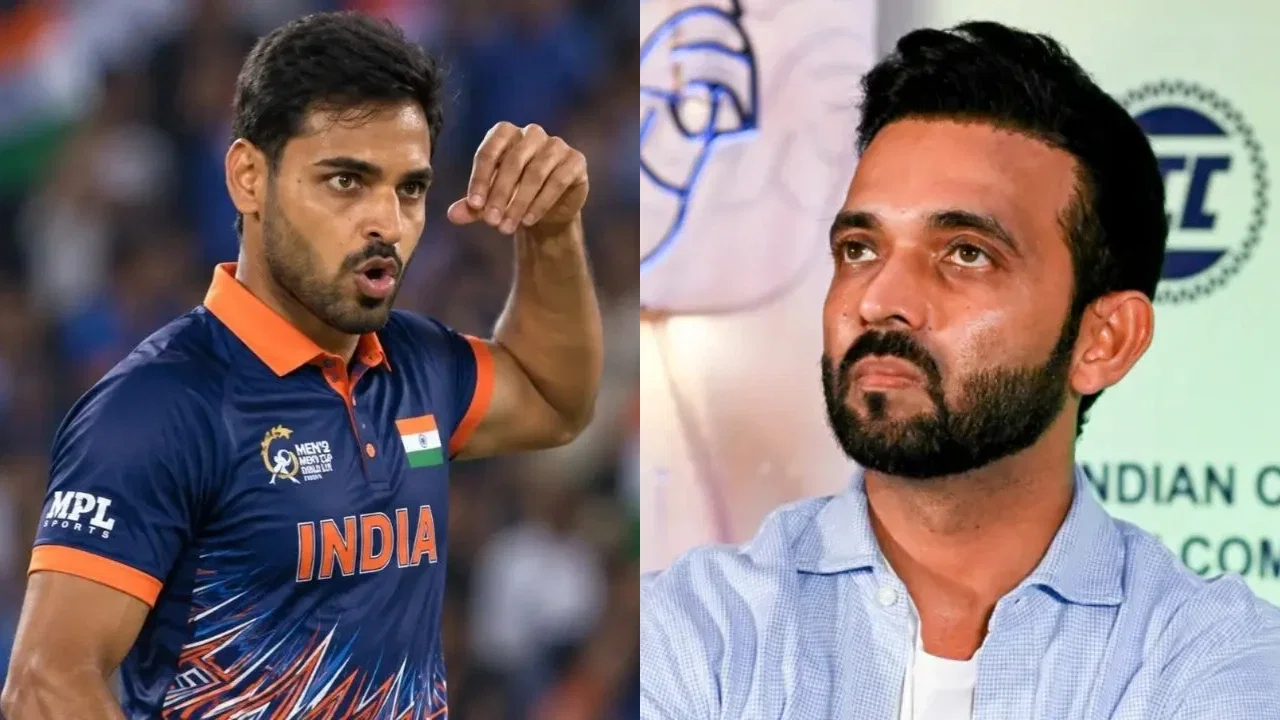
Is Bhuvneshwar Kumar in India’s 2027 World Cup plans? Ajinkya Rahane makes revelation
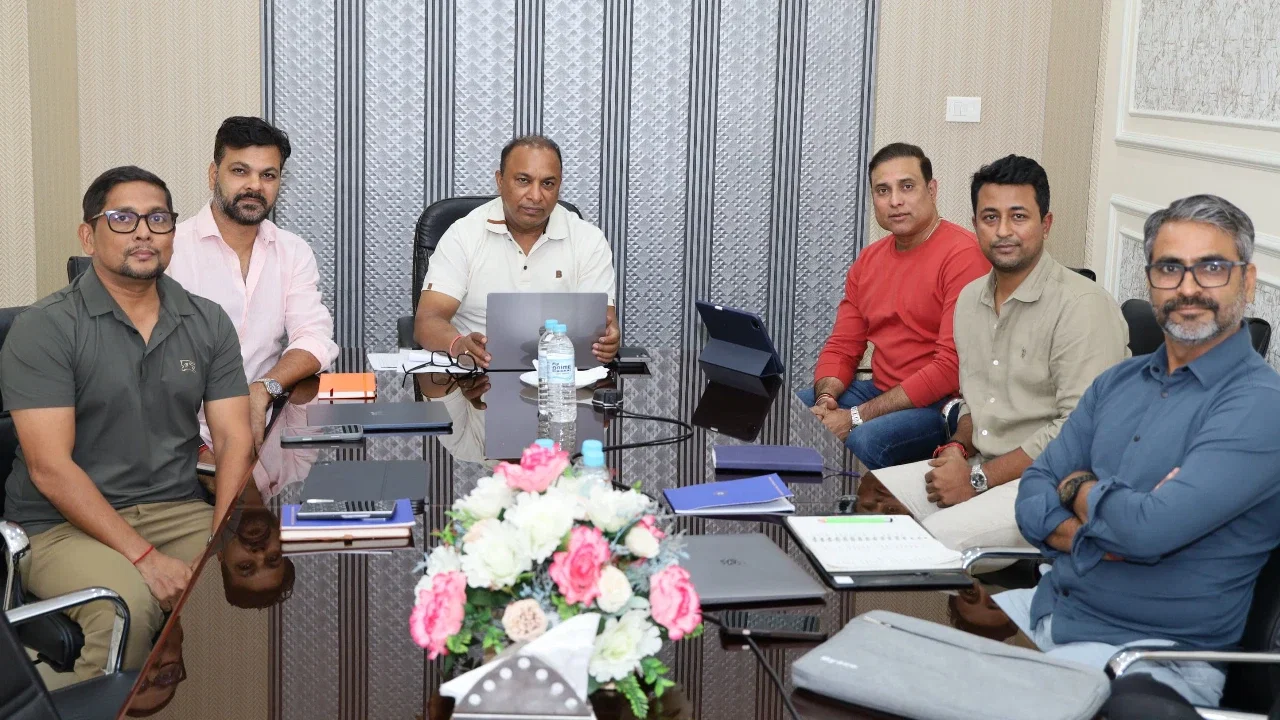
BCCI’s big ₹127 Crore move after injury crisis raises concerns over Team India
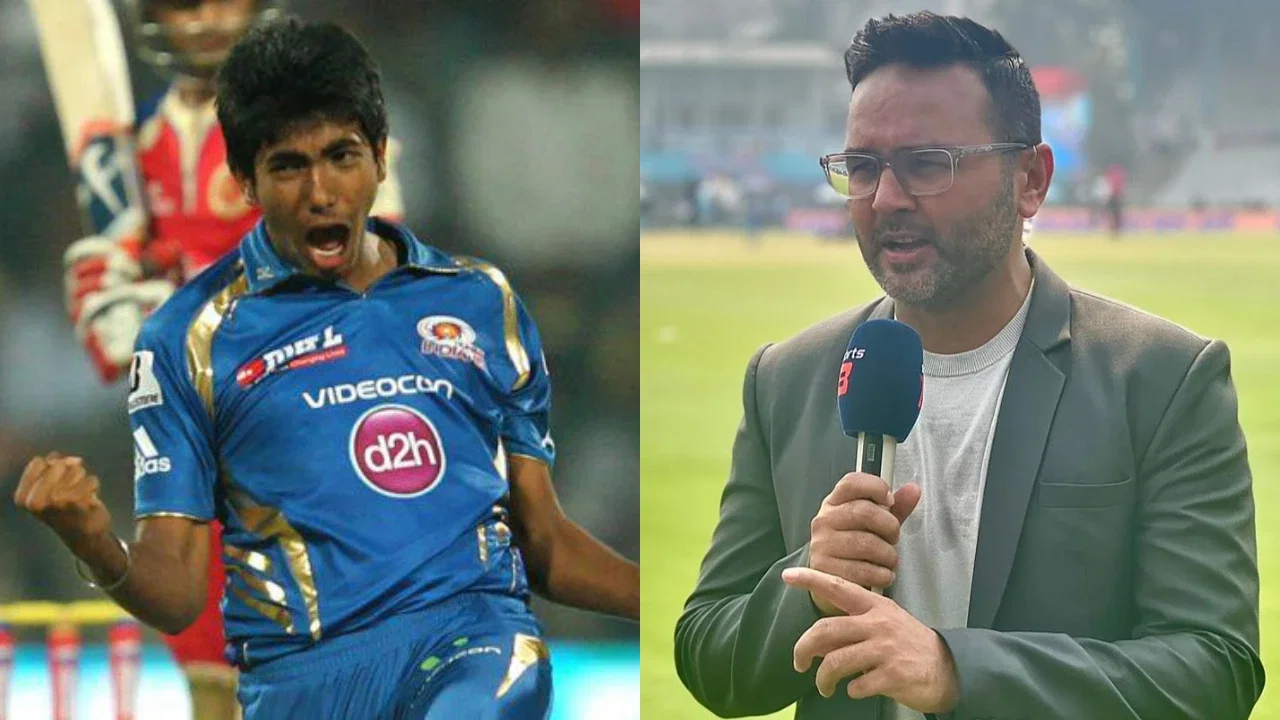
Parthiv Patel reveals RCB ignored his Jasprit Bumrah recommendation in IPL 2014 Auction
“Never spoke ill of any faith”: Irfan Pathan hits back at fake news using his name
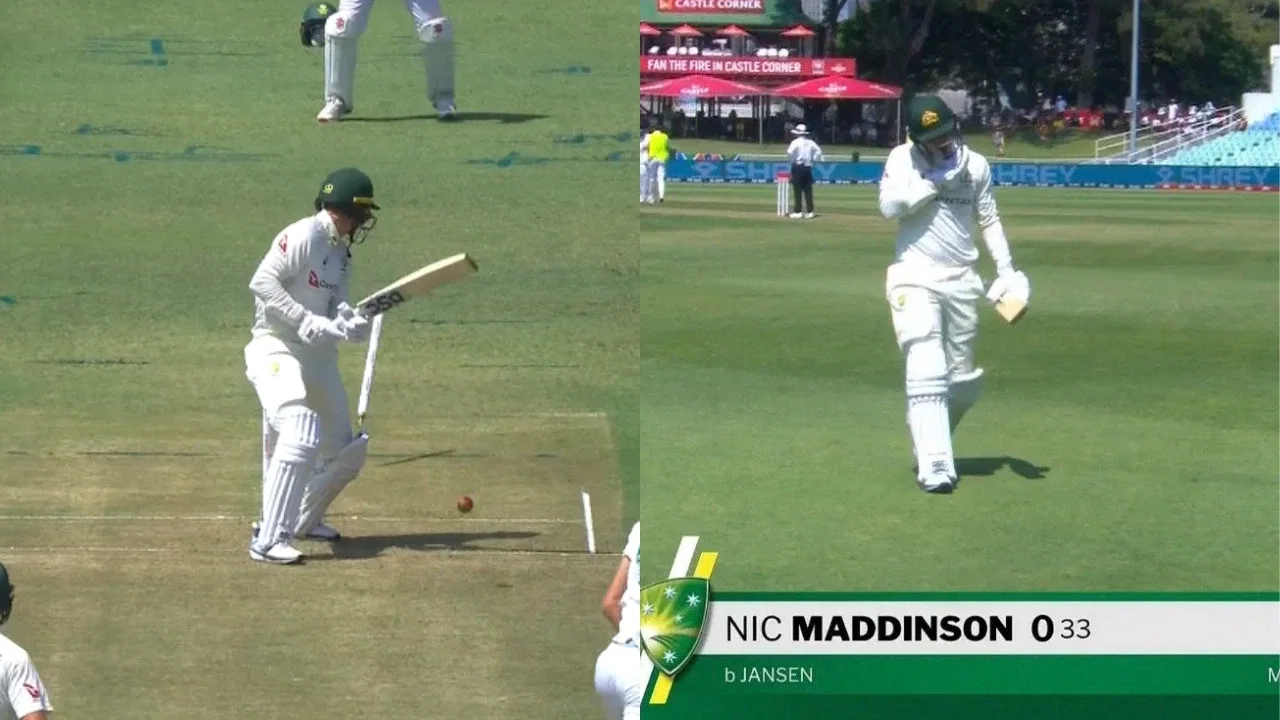
Nic Maddinson bags 33-ball duck on Test comeback, disappoints George Bailey
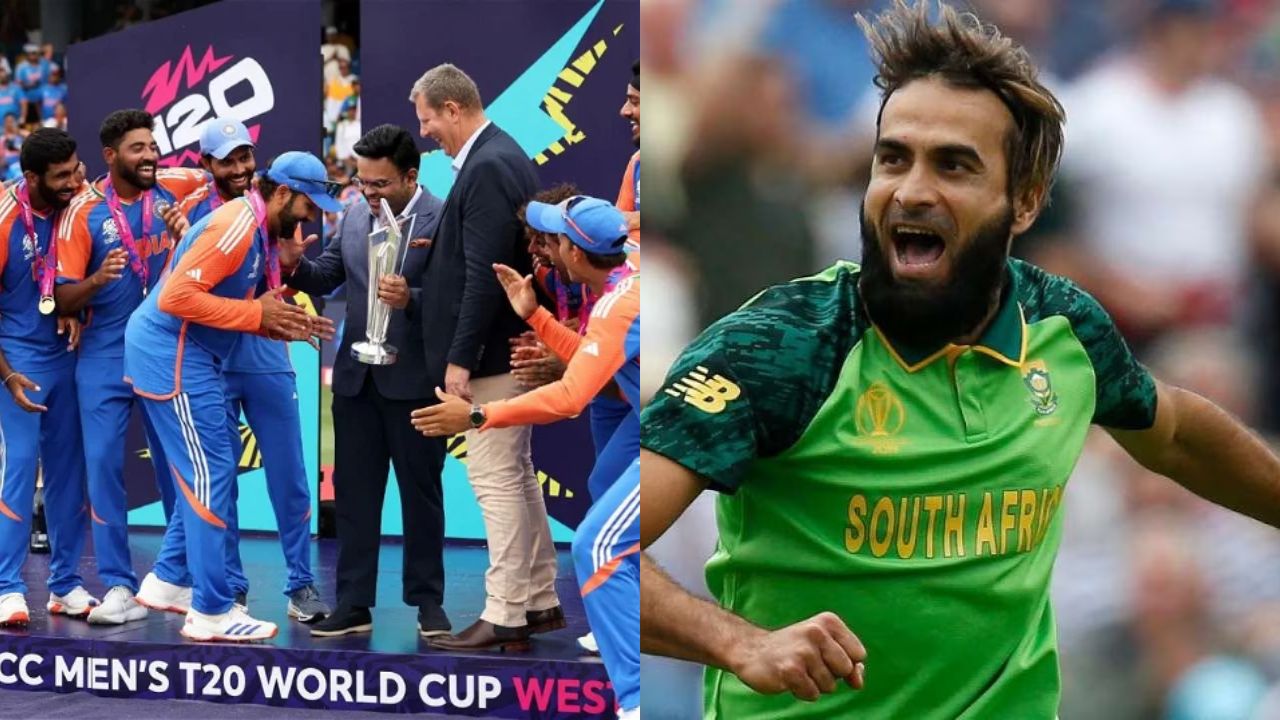
Imran Tahir predicts 2027 ICC ODI World Cup Semi-Finalists, snubs India for title
Australia create unwanted history with first all-30-plus Test XI
Ravindra Jadeja returns to Ranji Trophy as Saurashtra announce squad