Geoffrey Boycott warns Harry Brook despite calling him a rare talent
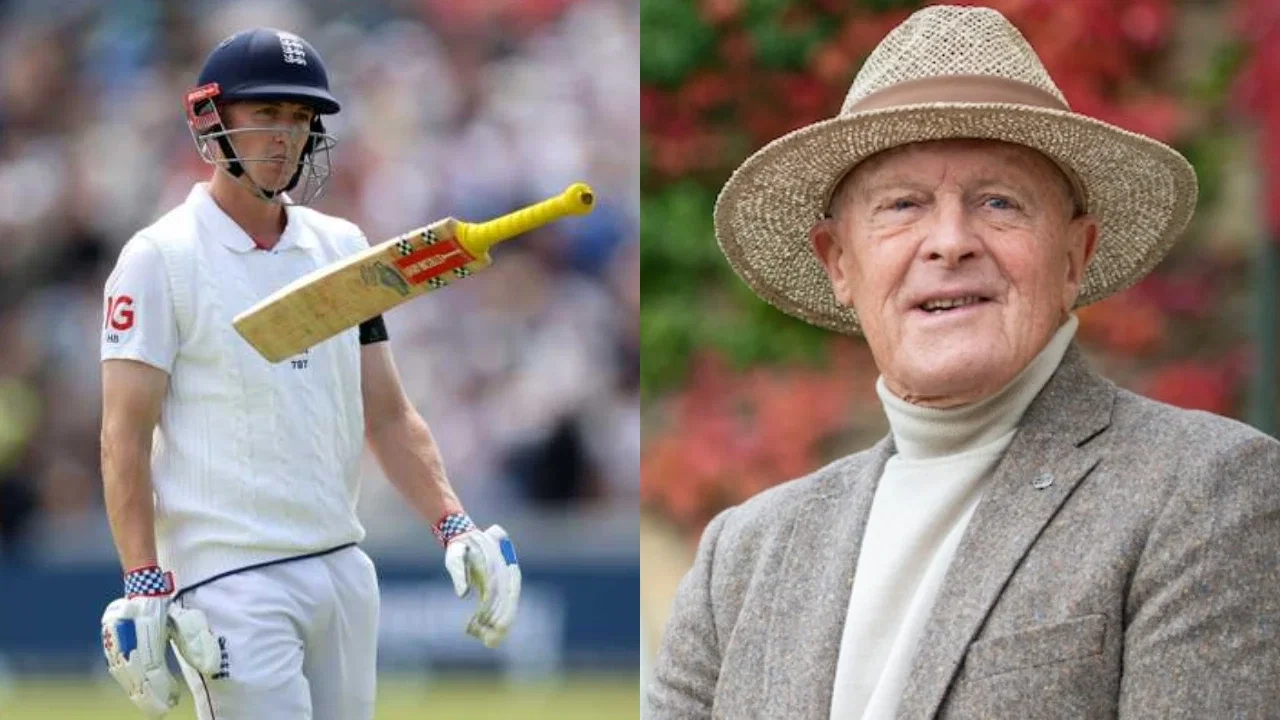
England’s Cricket Legend Geoffrey Boycott Offers Insightful Prediction on Harry Brook’s Future Potential
In the ever-evolving world of international cricket, few voices carry as much weight and historical significance as Geoffrey Boycott, the legendary former England batter. Recently, Boycott shared his candid assessment of young star Harry Brook, highlighting both his extraordinary talent and the areas where he must improve to reach the sport’s highest echelons. His prediction not only sheds light on Brook’s potential but also underscores the importance of strategic thinking and decision-making in modern cricket.
Boycott’s Praise for Harry Brook’s Natural Talent
During an engaging episode of the Geoffrey Boycott: An Extraordinary Innings podcast, the cricketing icon expressed admiration for Brook’s innate abilities. “I’ve seen a lot of players in my time, but I haven’t come across anyone with the raw talent Harry possesses for quite a while,” Boycott remarked. “His timing, shot selection, and natural reach—he’s tall, flexible, and makes batting look effortless. The skill set he brings to the crease is truly remarkable.”
Such praise highlights the rare combination of physical attributes and technical skill that Brook embodies. His aggressive batting style, especially in limited-overs formats, has earned him a reputation as a dynamic player capable of explosive innings. However, Boycott emphasizes that talent alone, without strategic maturity, can limit a player’s potential in the longer formats of the game.
Prediction: Can Harry Brook Reach the Stratosphere?
While Boycott lauds Brook’s natural abilities, he also issues a cautionary note about the importance of cricketing intelligence. “If Harry continues to play the way he does—attacking almost every ball—he might have a decent career, but he won’t reach the legendary status he’s capable of,” Boycott warned. “He has the potential to be in the same league as Sachin Tendulkar or Brian Lara, if he learns to control his aggressive instincts and develop sharper cricketing judgment.”
Boycott’s prediction is bold, but rooted in cricketing logic; the game has evolved to favor players who combine raw talent with strategic thinking. Tendulkar and Lara were renowned not only for their skill but also for their ability to adapt to different match situations, playing both aggressively and defensively as needed. Boycott suggests that Brook’s current approach, which often involves going hard at every delivery, may hinder his capacity to sustain performances over extended series or in high-pressure situations.
The Fine Line Between Aggression and Strategy
He elaborates, “If Harry doesn’t refine his shot selection and thinking, he risks becoming predictable, getting caught early at mid-off or mid-on—dumb dismissals that can be avoided with better judgment. His style is exciting, but it’s also risky. He needs to develop a more balanced approach that allows him to dominate when the opportunity arises, but also to consolidate and build innings when necessary.”
This insight resonates with many cricket analysts who argue that the most successful modern cricketers master both power and patience. The prediction that Brook could emulate cricketing greats like Tendulkar and Lara hinges on his ability to evolve beyond pure aggression into a more measured, strategic mindset.
Holistic Development: Beyond Talent
Boycott’s comments come at a time when England is seeking to bolster its batting lineup and secure its first home Test series victory in two years. Despite impressive performances in limited-overs cricket, Brook has yet to replicate his success consistently in Test matches. His last century in the format came over a year ago, and critics have pointed out that he tends to play one-day cricket at every delivery—an approach that doesn’t always translate well into Test cricket’s demanding environment.
He emphasized that talent is only part of the equation: “What Harry needs is to develop better cricketing intelligence—reading the game, assessing situations, and making smarter decisions. That’s the prediction I’d make for him: with improved thinking, he could become one of the all-time greats. Without it, he might just settle for a decent career.”
Behind the Scenes: Personal Connection and Mentorship
Interestingly, Boycott revealed that he was approached by Brook’s uncle last year, seeking his opinion on the young batter. “His uncle contacted me, asking if I could have a word with Harry,” Boycott explained. “I told him that Harry’s ability is extraordinary and rare. I offered to help him improve, but I never heard back. I gave him my number, hoping to guide him, but that’s cricket—sometimes young players aren’t ready to listen or seek help until they’re ready.”
This anecdote underscores the importance of mentorship and guidance in nurturing young talent. It also highlights how seasoned cricketers like Boycott can play a pivotal role in shaping future legends, provided the emerging players are open to advice and self-improvement.
Current Match Context and Future Outlook
In the present, England’s team is in a commanding position during the ongoing second Test at Lord’s. As Day 3 unfolds, England holds a strong lead of 261 runs with a score of 81/3. The hosts are well-placed to secure their first Test series victory at home in two years, with hopes pinned on their top-order batters, including Brook, to capitalize on the advantage.
As cricket fans and analysts watch with anticipation, the prediction surrounding Harry Brook’s future remains a central talking point. Will he adapt his game, embrace strategic thinking, and fulfill the immense potential that Boycott and others see in him? Or will he continue to rely on brute force, risking a career of fleeting successes?
Broader Implications for Cricket’s Next Generation
Boycott’s insights are not just about one player but reflect a broader trend in cricket: the ongoing evolution of batting techniques and the importance of mental acumen. As cricket becomes faster and more aggressive, the need for players to develop a balanced approach—combining power with intelligence—becomes ever more critical.
Prediction models in sports now increasingly focus on mental and tactical growth alongside physical talent. For young players like Harry Brook, the pathway to greatness depends on their ability to learn, adapt, and harness their natural instincts within a strategic framework. The echoes of past legends like Tendulkar and Lara serve as a blueprint—players who mastered the art of timing, patience, and shot selection, ultimately elevating their careers to legendary status.
Conclusion: A Bright Future with the Right Mindset
Geoffrey Boycott’s candid prediction underscores both the immense potential and the challenges facing Harry Brook. His talent is undeniable, but reaching the uppermost tier of international cricket requires more than raw ability—it demands strategic thinking, adaptability, and mental toughness. As the cricketing world watches, the hope remains that Brook will heed these insights and evolve into a player capable of shaping cricketing history.
In the end, the prediction is clear: with the right mindset and continued development, Harry Brook can become one of the greats—potentially surpassing even the legends of the game. The journey ahead is exciting, and the clock is ticking for this young talent to make his mark on cricket’s grand stage.
Latest News
Geoffrey Boycott warns Harry Brook despite calling him a rare talent
Test cricket in trouble? Michael Atherton warns over rise in 3-Day finishes
Shreyas Iyer, Ravindra Jadeja and Rishabh Pant among stars spotted during BCCI Fitness Tests
When Sanju Samson won Suryakumar Yadav’s trust and heart with one special gesture
Suryakumar Yadav opens up on losing India captaincy as he questions decision
Suryakumar Yadav makes honest admission about his ODI career
Hardik Pandya, Jasprit Bumrah injury update: No comeback timeline
Hardik Pandya, Jasprit Bumrah injury update: No comeback timeline
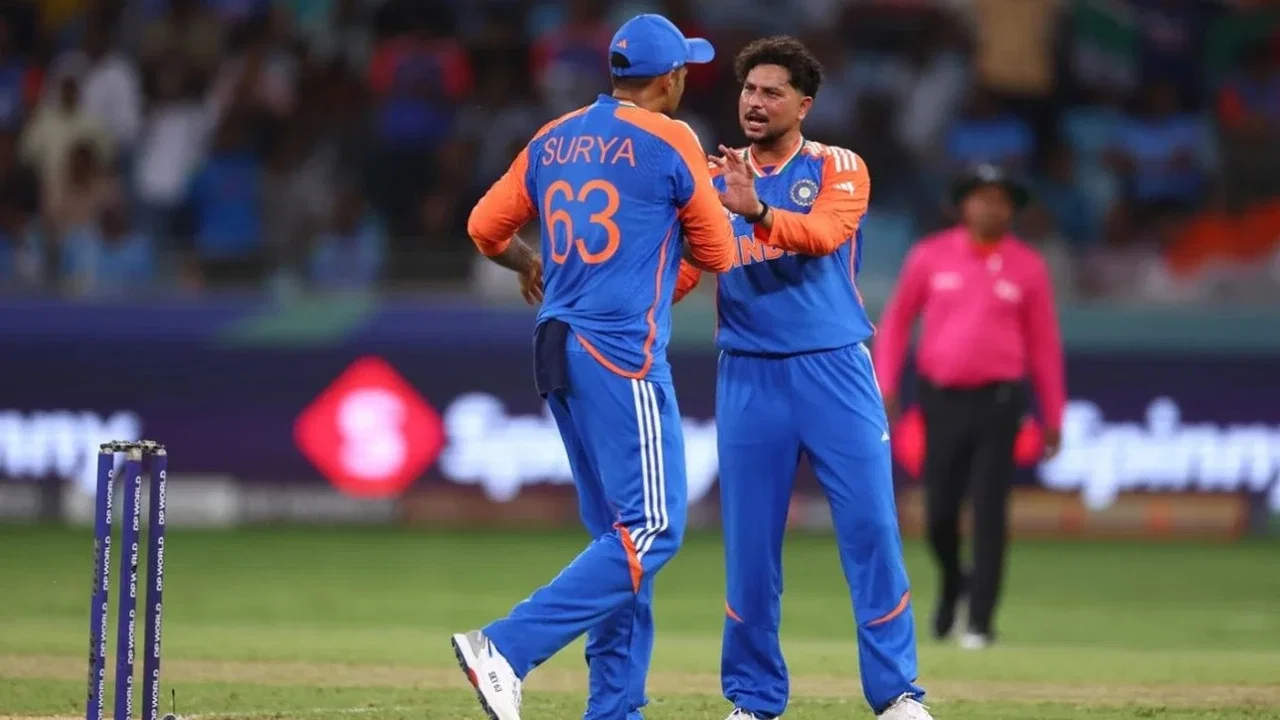
Suryakumar Yadav reveals why he got angry at Kuldeep Yadav during Pakistan clash
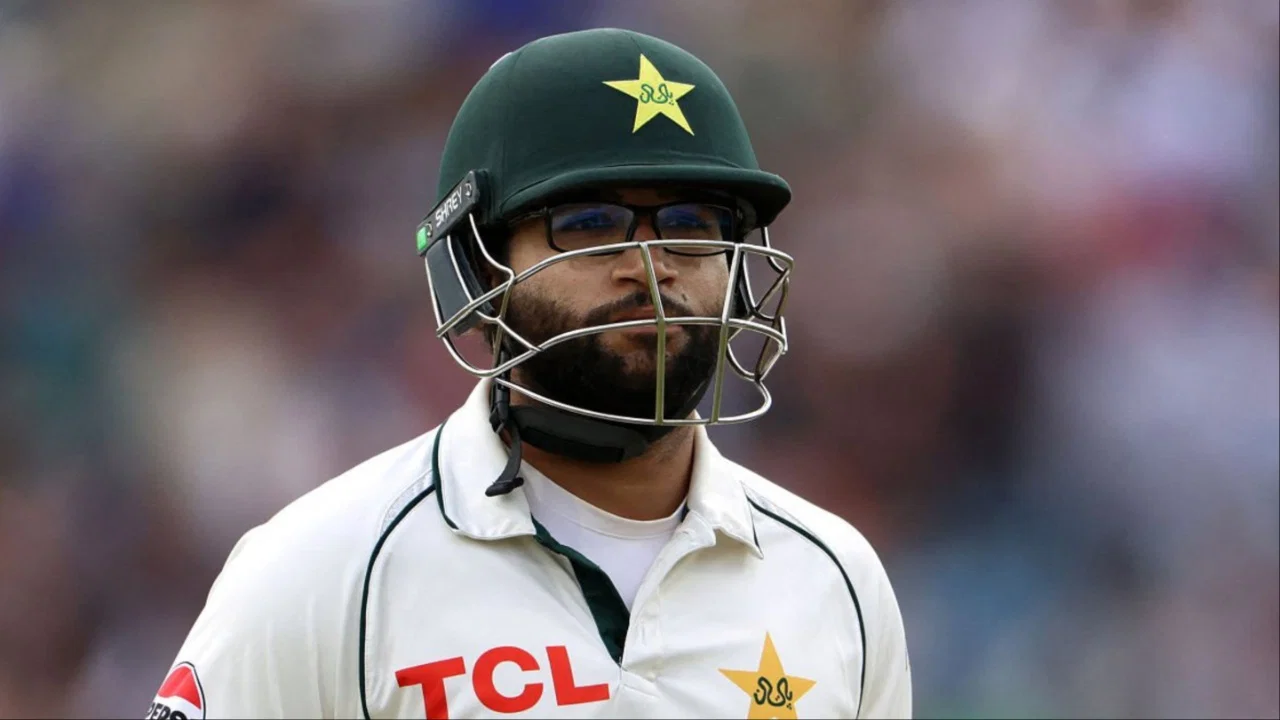
Imam-ul-Haq accused of faking injuries by ex-Pakistan selector
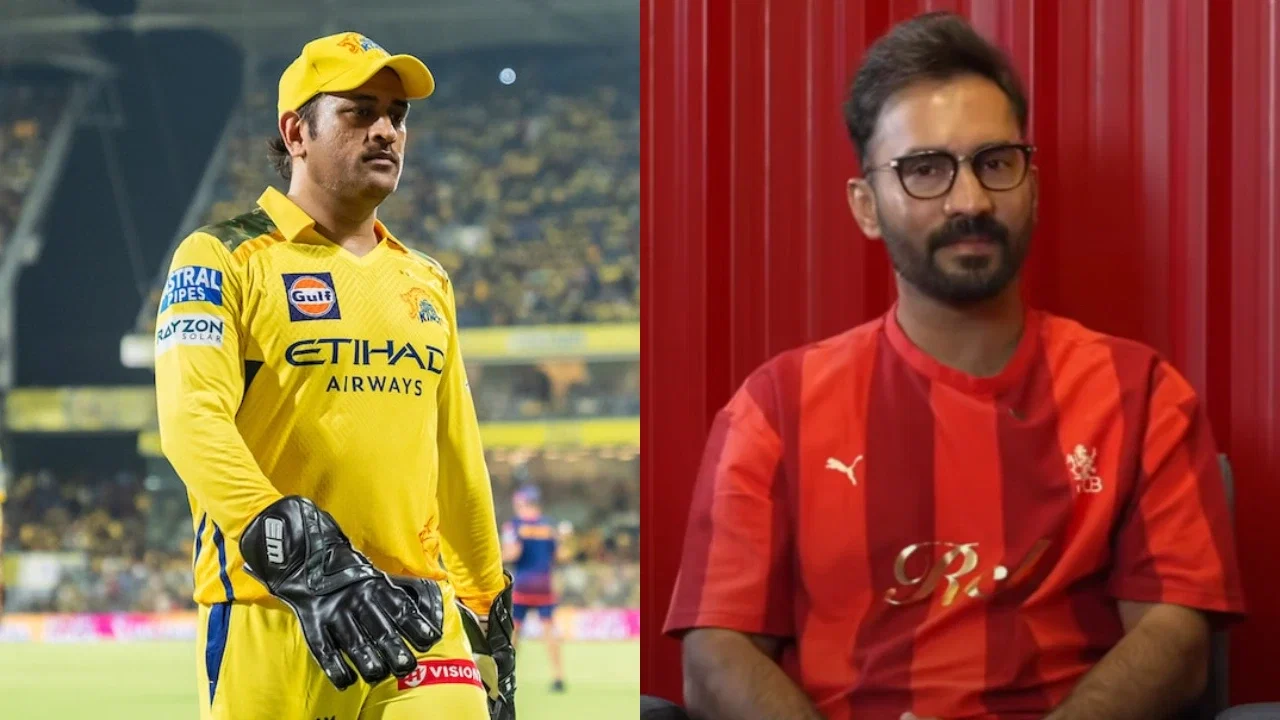
Dinesh Karthik advised to reject CSK head coach role
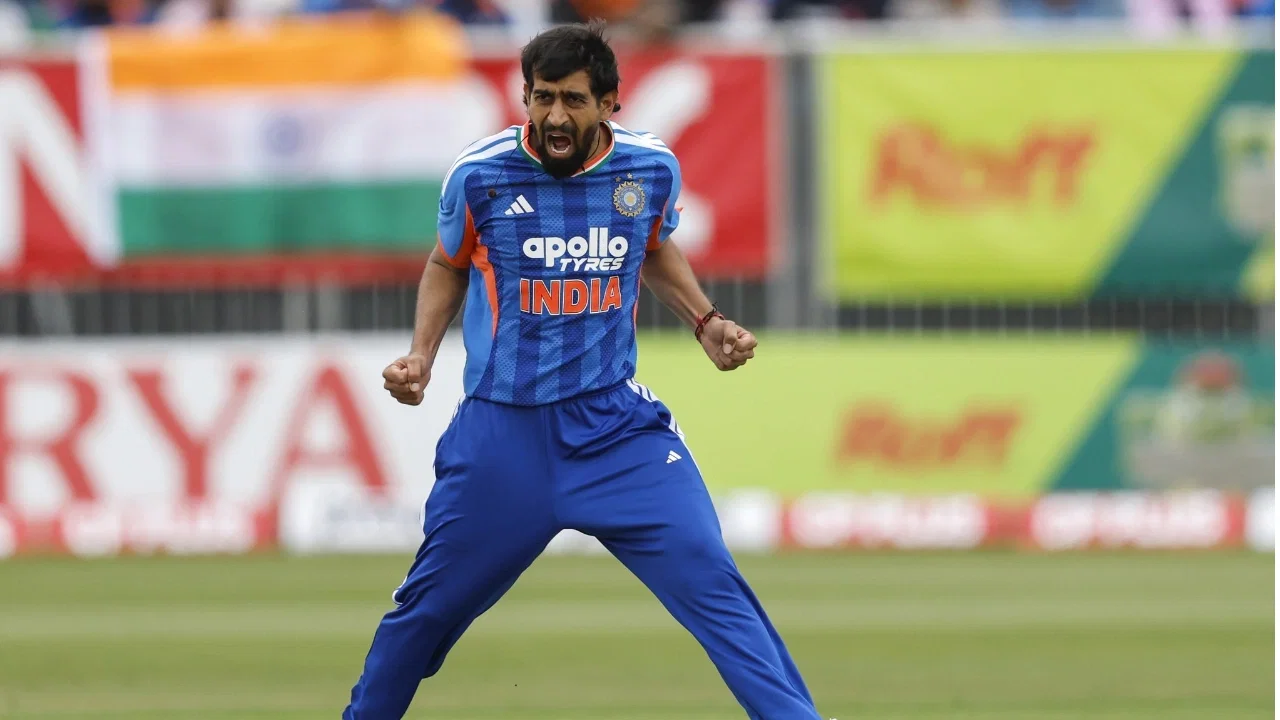
Prince Yadav clears fitness test ahead of Afghanistan series
MS Dhoni to join CSK as coach or mentor! Franchise puts pre-season plans on hold
Javed Miandad breaks down in tears while speaking about Imran Khan