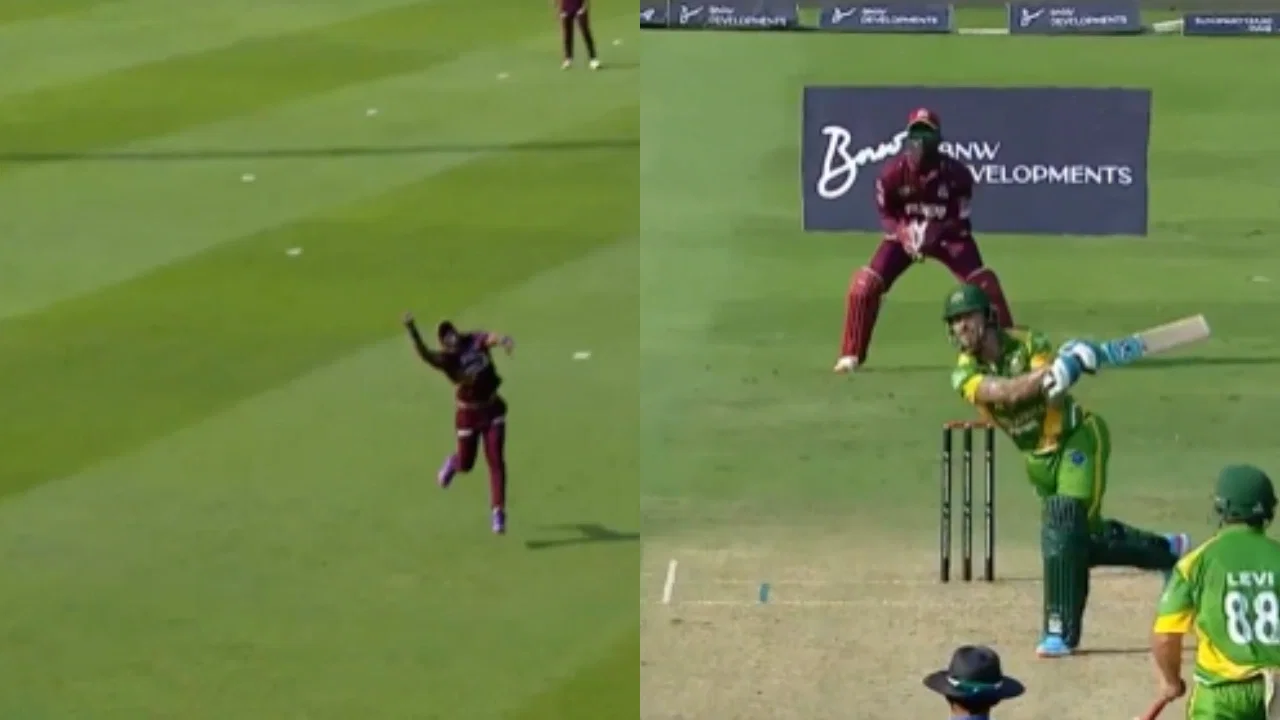
Gloucestershire pacer Craig Miles announces retirement, cites mental health struggles
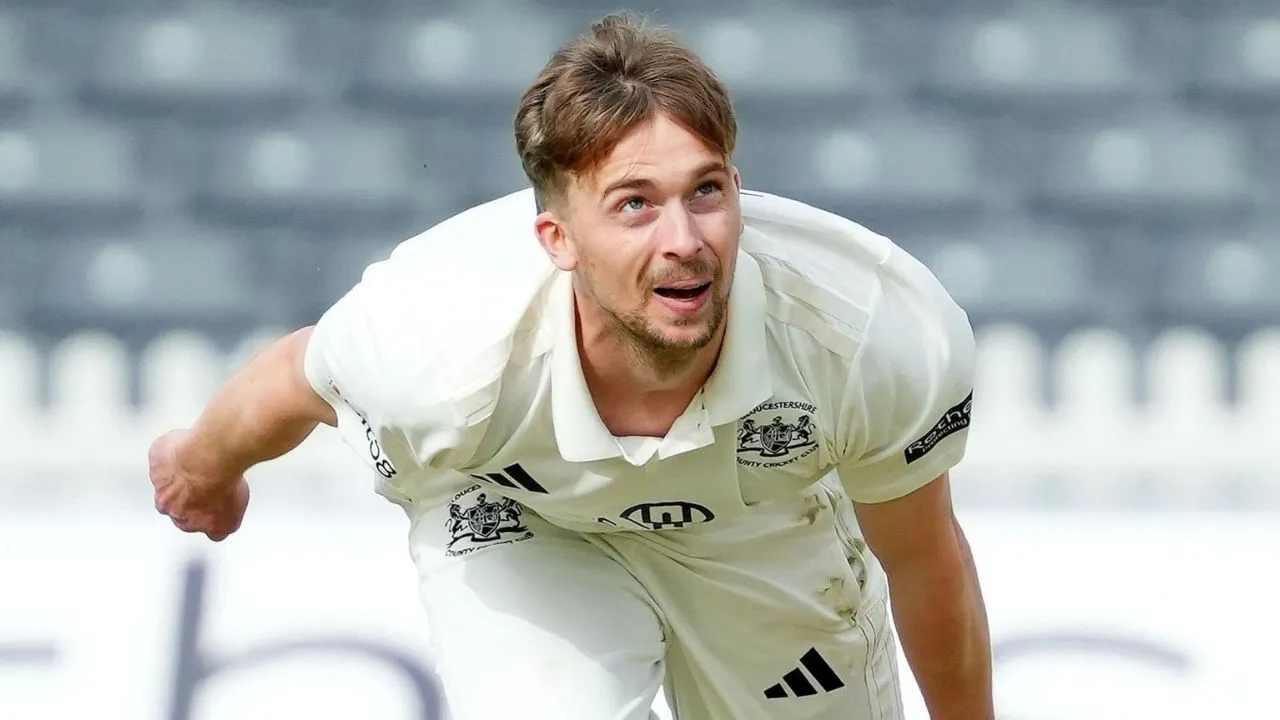
Craig Miles Announces Retirement from Professional Cricket to Prioritize Mental Health: A Reflection on the Growing Awareness of Player Well-being
In a heartfelt and candid statement, Gloucestershire pacer Craig Miles has announced his retirement from professional cricket, citing concerns for his mental health. This decision marks a significant moment in the ongoing conversation about mental health in sports, particularly in cricket, where the pressures of performance, public scrutiny, and personal expectations can take a toll on athletes’ well-being.
The Context: Mental Health Challenges in Modern Cricket
Over recent years, the sport of cricket has seen an increasing number of players stepping back from the game to focus on their mental health. While cricket has traditionally celebrated resilience and mental toughness, the reality for many athletes is far more complex. The intense scrutiny from media, fans, and selectors, coupled with the high stakes of competitive sport, has led to a growing recognition that mental health issues are a critical concern within the cricketing community.
This evolving awareness is reflected in high-profile cases involving well-known figures from the English cricket team, such as assistant coach Marcus Trescothick and fielding coach Sarah Taylor. Both have openly discussed their struggles with anxiety and depression, helping to destigmatize mental health challenges among athletes. Similarly, former international star Jonathan Trott took a hiatus from cricket, citing stress-related illness, and later retired, emphasizing the importance of prioritizing mental well-being over career ambitions.
Craig Miles’ Candid Reflection on Retirement and Mental Health
Through an emotional open letter shared on his social media platforms, Craig Miles explained his reasons for retiring, emphasizing that his decision was driven by a desire to safeguard his mental health. The 32-year-old pacer acknowledged the difficulty of making such a choice, recognizing the sacrifices and struggles he faced along the way.
“I’ve made this call in order to prioritize my mental well-being,” Miles stated. “It’s with sadness, but also with huge pride, that I can announce my retirement from professional cricket. Although this has by no means been an easy decision, given the struggles I’ve experienced with the game in recent times, I’ve made this call to preserve my mental health.”
Insights into the Emotional Toll of Professional Cricket
Reflecting on his career, Miles shared that his recent hiatus allowed him to gain valuable perspective on his relationship with the sport. He revealed that the pressures and high expectations he set for himself often led to periods of self-doubt and diminished confidence — feelings that, over time, became overwhelming.
He explained that the intense self-criticism and questioning of his abilities, compounded by the unpredictable nature of cricket, created an environment that was difficult to sustain. Miles likened these challenges to “bumps in the road,” which he believed he could navigate in his youth, buoyed by ambition and resilience. However, as he matured, he recognized that his capacity to endure these challenges had diminished.
The Impact of Pressure and Self-Doubt on Athletes
Craig Miles’ candid discussion sheds light on a universal issue faced by many athletes: the destructive cycle of self-doubt and pressure. As a professional cricketer, the expectations to perform consistently at a high level can be relentless. When performance dips or failure occurs, athletes often internalize these setbacks, which can lead to anxiety, depression, and burnout.
In Miles’ case, the emotional weight of these struggles became too much, prompting him to prioritize his mental health over his cricketing ambitions. His openness serves as a vital reminder that mental resilience is just as important as physical fitness in sports, and that acknowledging vulnerability is a sign of strength, not weakness.
The Highlights of Craig Miles’ Cricket Career
Despite the challenges, Craig Miles’ career was marked by notable achievements and promise. Born in Bristol, he rose through the ranks of county cricket to become a key player for Gloucestershire. Over his career, he accumulated an impressive 512 wickets across all formats, establishing himself as a reliable and talented fast bowler.
Miles’ journey reflects the typical path of many professional cricketers who dedicate years to honing their craft. His early promise was evident, and he was known for his pace and tenacity on the field. His career, however, was also punctuated by periods of inconsistency and injury, which further tested his mental resilience.
Looking Ahead: The Future of Mental Health in Cricket
Craig Miles’ decision to retire for mental health reasons underscores a broader shift within the sporting community. Cricket authorities, teams, and players are increasingly recognizing the importance of mental health initiatives, providing support systems such as counseling, mental health awareness programs, and open dialogues to encourage athletes to seek help without stigma.
The prediction for the future is optimistic: as more players share their mental health journeys, the sport is likely to become a more supportive environment where mental well-being is prioritized alongside physical performance. The emphasis on holistic athlete health is expected to foster a culture where players can perform at their best without sacrificing their mental stability.
The Significance of Open Conversations and Support Structures
The case of Craig Miles highlights the importance of open conversations about mental health in sports. By speaking out, athletes can inspire others to seek help and break down stigmas associated with mental health issues. Sports organizations are also increasingly investing in mental health resources, recognizing that a healthy athlete is a more effective and sustainable athlete.
Furthermore, prediction models and research suggest that early intervention and tailored mental health support can significantly improve athlete longevity and overall well-being. As the sports community continues to evolve, integrating mental health strategies into athlete development programs will likely become standard practice.
Final Thoughts: A Courageous Step Towards Change
Craig Miles’ retirement is more than just the end of a cricketing chapter; it is a courageous step towards normalizing mental health discussions within the sport. His honesty shines a light on the often-hidden struggles faced by athletes and emphasizes the need for compassion, understanding, and proactive support.
While his journey may have taken an unexpected turn, Miles’ decision paves the way for a healthier, more empathetic approach to professional cricket—one where mental health is given the attention it deserves. As the sport continues to evolve, the prediction is that more players will feel empowered to prioritize their well-being, leading to a more sustainable and inclusive cricketing community.
Conclusion
In summary, Craig Miles’ retirement due to mental health concerns marks a significant moment in the recognition of athlete well-being as a priority. His openness encourages ongoing dialogue, fosters understanding, and underscores the importance of comprehensive support systems for players facing mental health challenges. The prediction for cricket’s future is one of increased awareness, acceptance, and proactive care—ensuring that the sport not only celebrates athletic excellence but also safeguards the mental health of those who dedicate their lives to the game.
Latest News
Aakash Chopra hails Shivam Dube, reveals why he is crucial to India’s T20I setup
Shubman Gill sends special message to India’s Asian Games gold medal-winning teammates
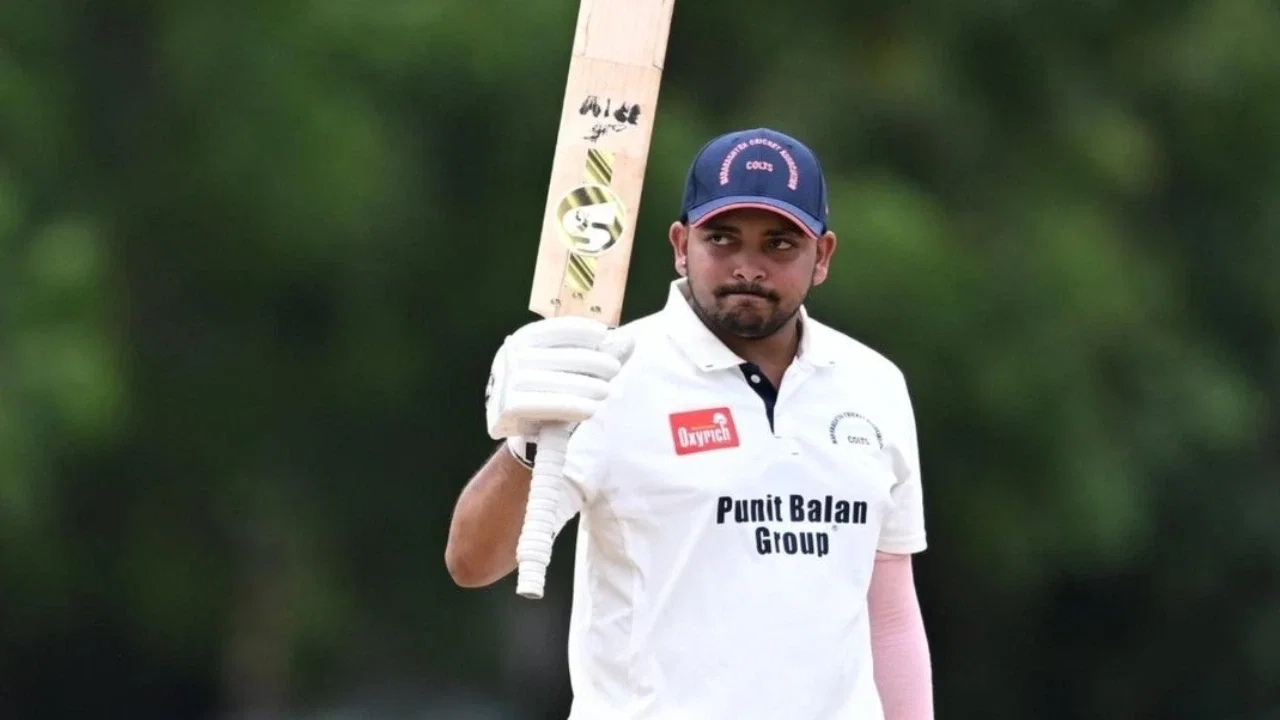
Prithvi Shaw gets leadership role ahead of Ranji Trophy 2026-27 season
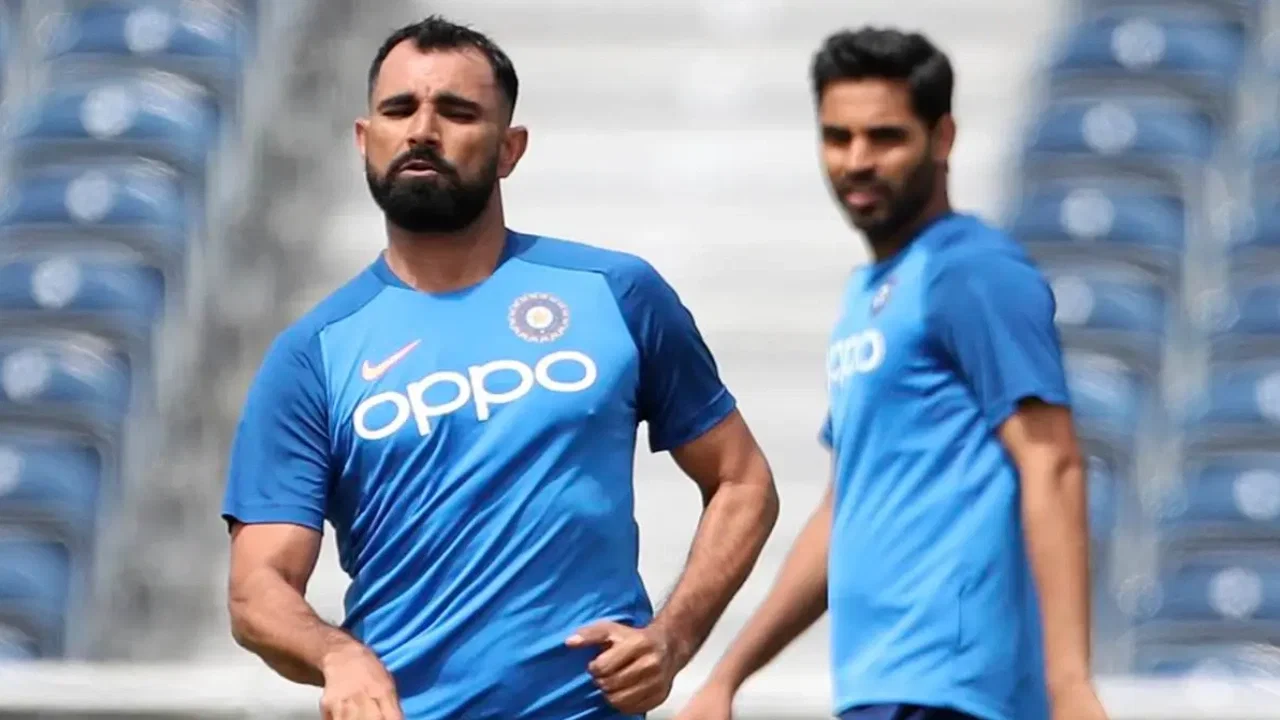
Ex-SRH batter urges India to bring back Bhuvneshwar Kumar, Mohammed Shami ahead of World Cup 2027
Gloucestershire pacer Craig Miles announces retirement, cites mental health struggles
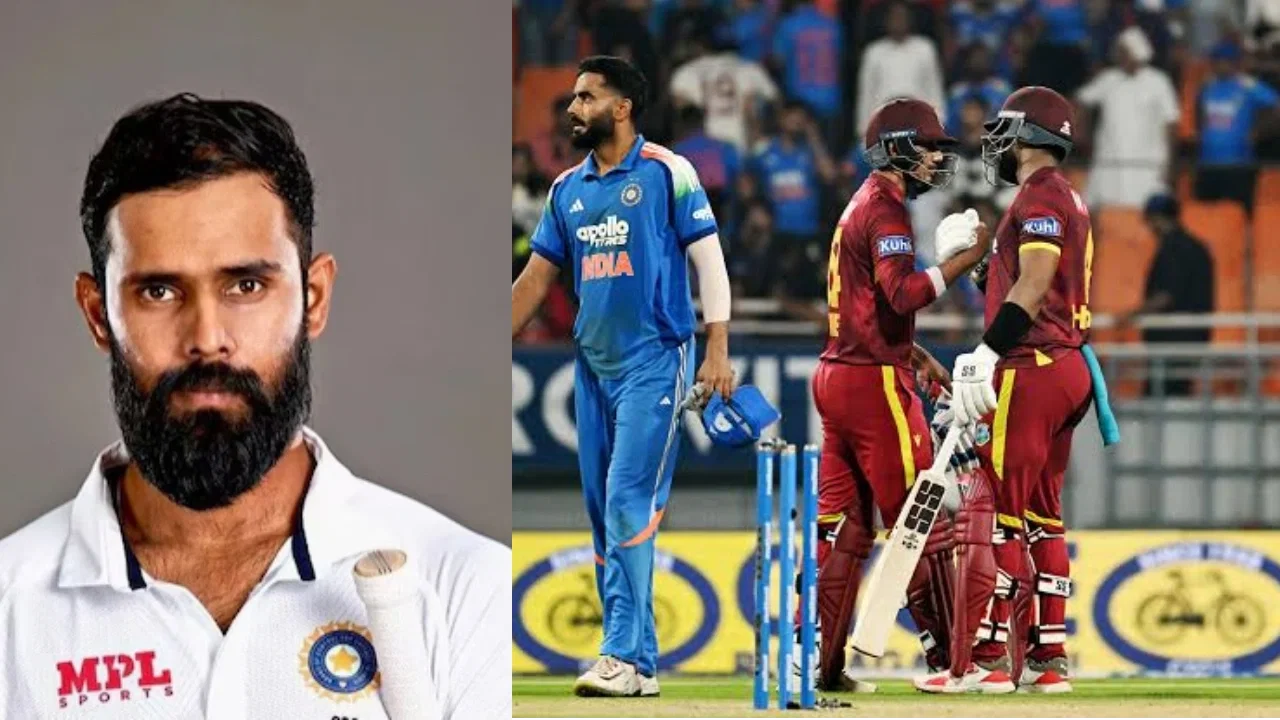
Hanuma Vihari sounds alarm over India’s bowling after 3rd ODI loss against West Indies
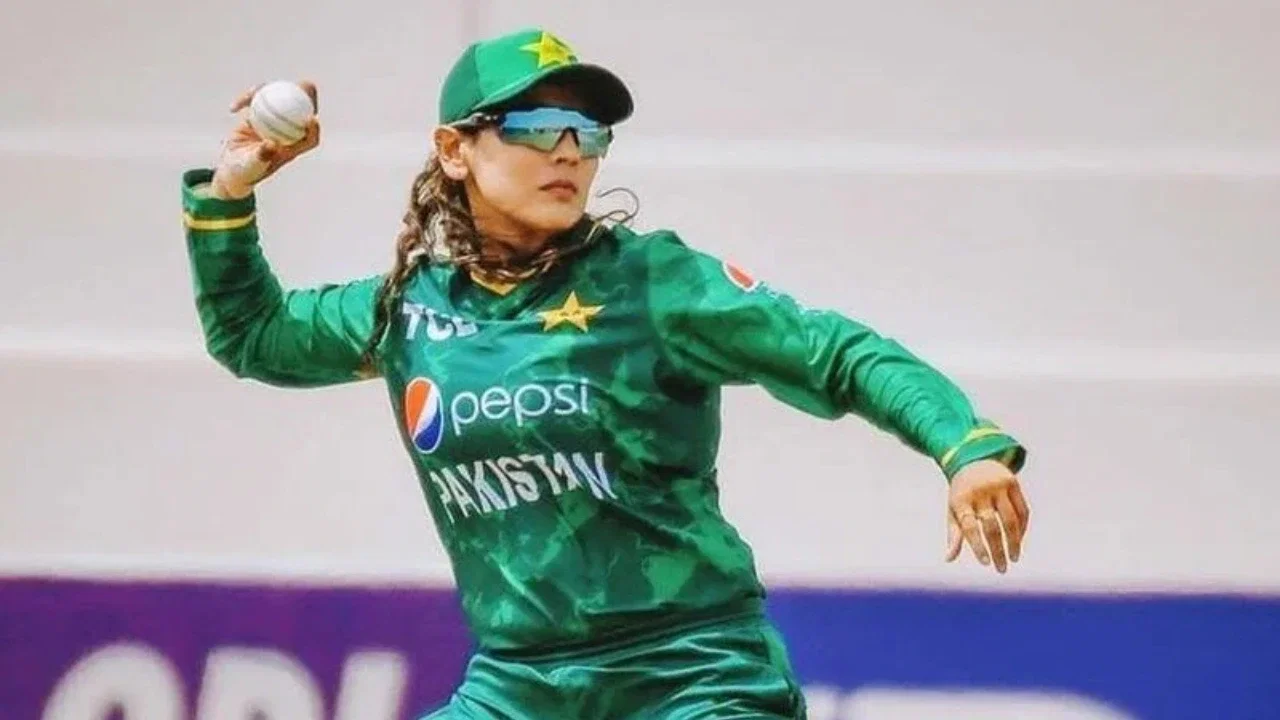
Pakistan pacer announces retirement after Asian Games, begins new career
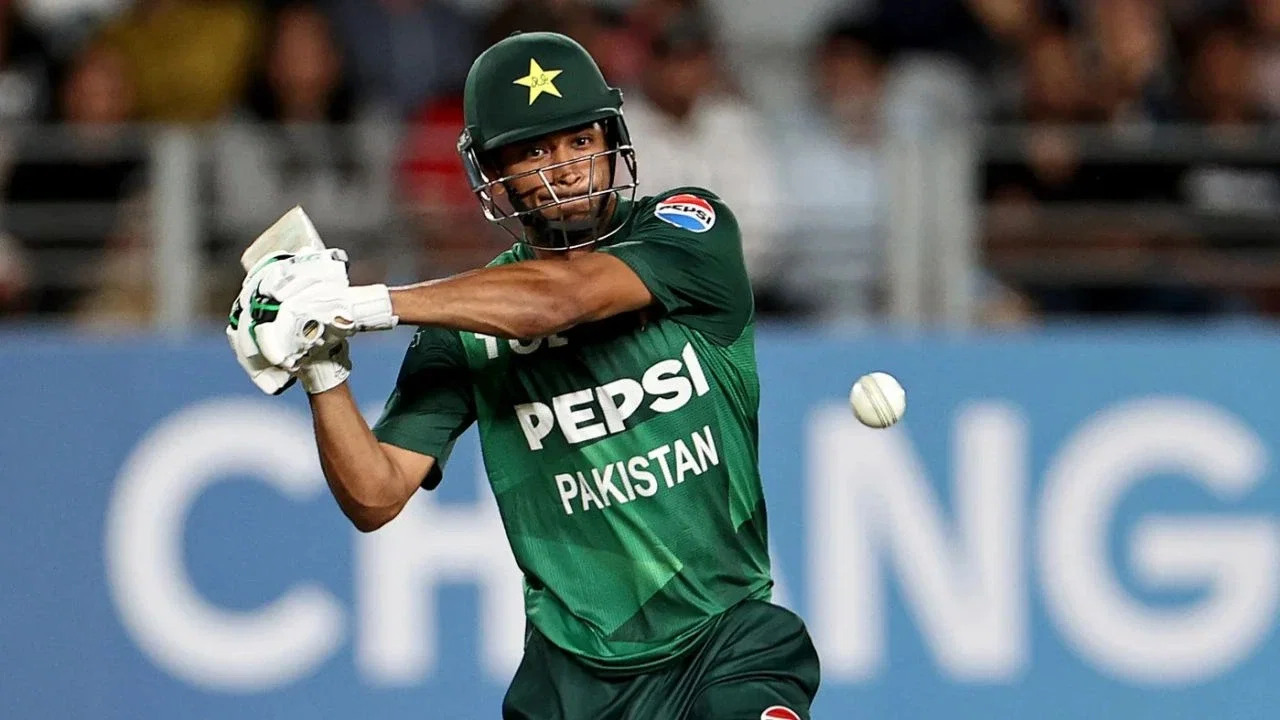
Hasan Nawaz’s “I hate every Indian bowler” remarks resurface after Pakistan’s Asian Games final loss
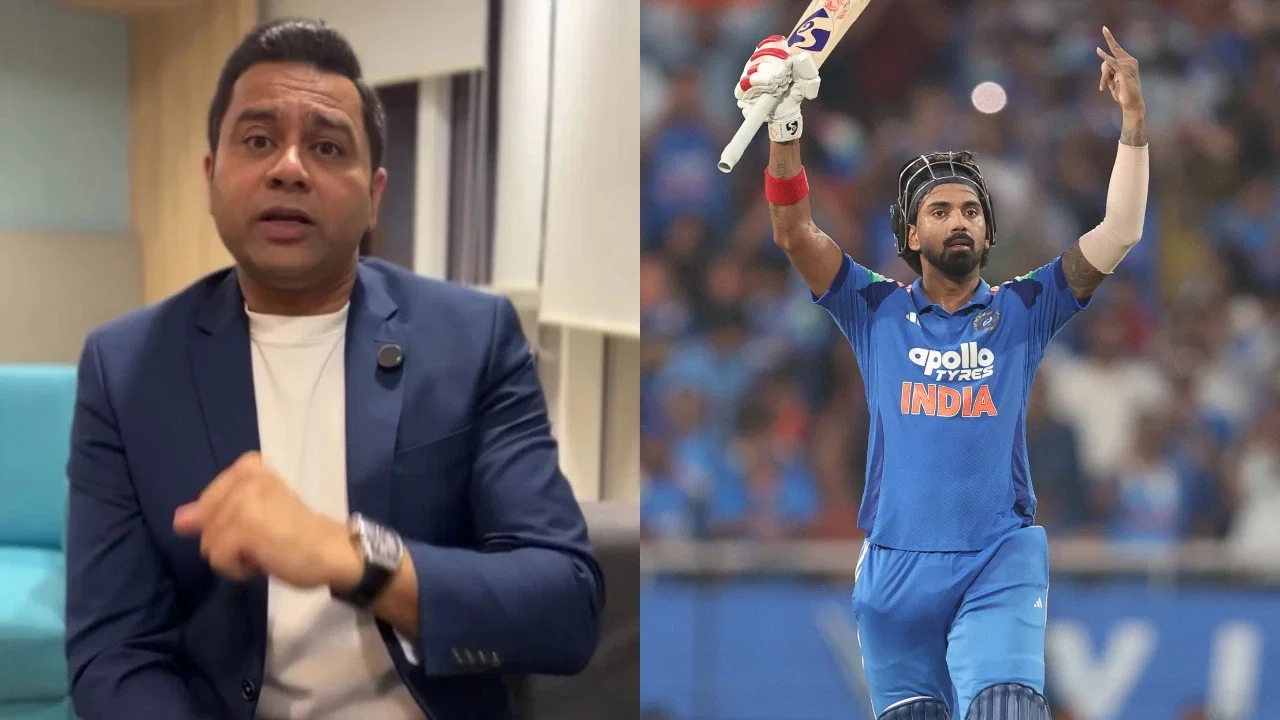
KL Rahul crowned “most versatile cricketer” by Aakash Chopra
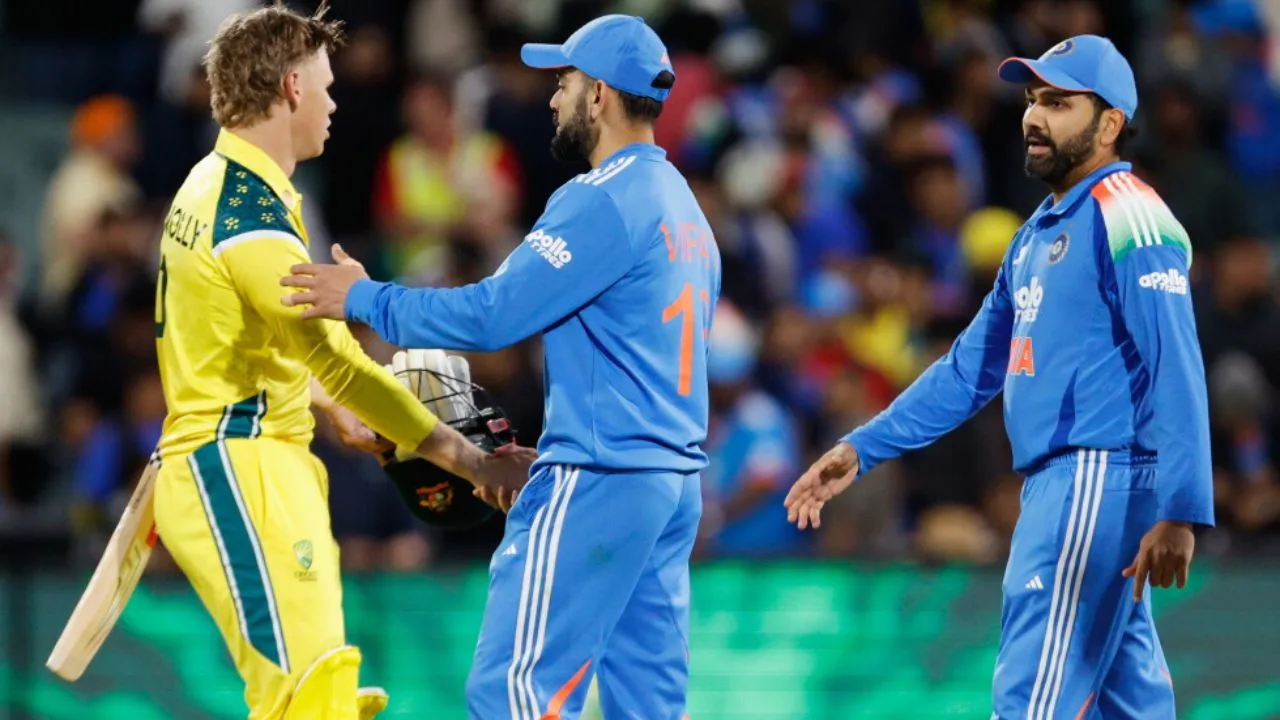
India A vs Australia A ODI Series: Schedule, Squads, Live Telecast, Streaming and Match Timings
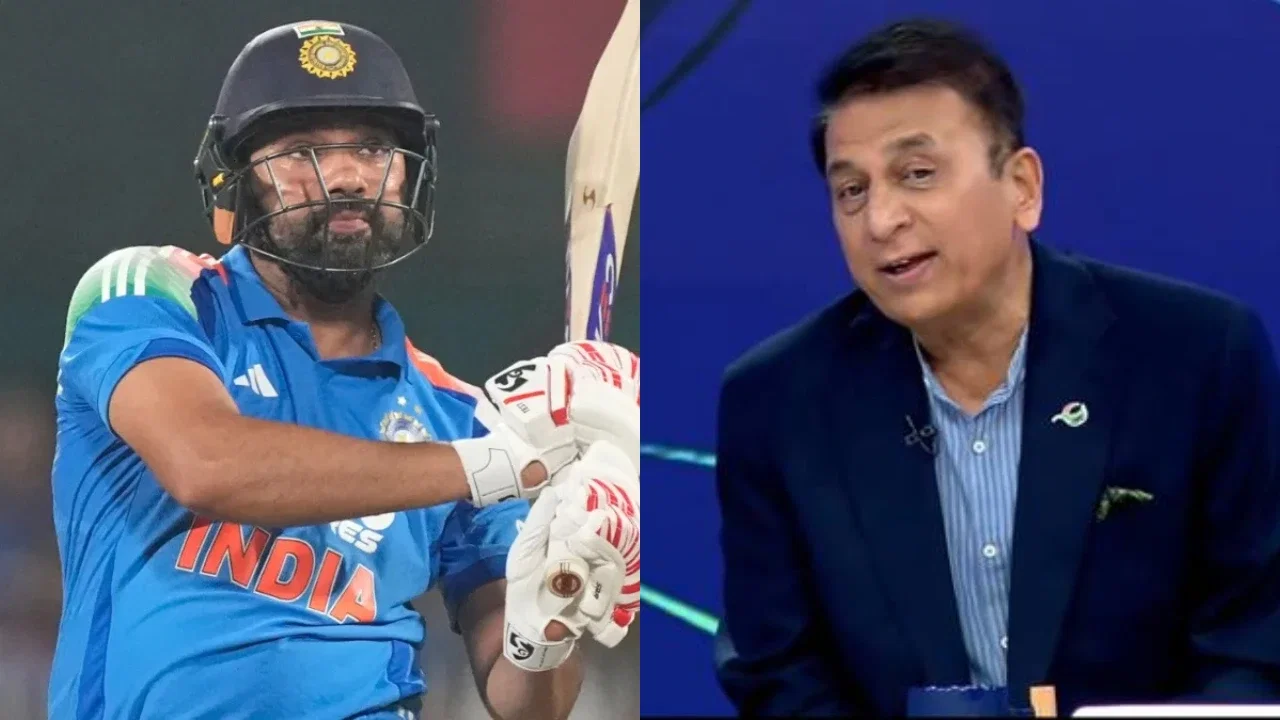
Sunil Gavaskar sets special century target for Rohit Sharma ahead of 2027 World Cup
Vaibhav Sooryavanshi dropped! Cheteshwar Pujara reveals his playing XI for 1st T20I vs West Indies
Revealed: Why Rishabh Pant has been snubbed from Delhi’s Ranji Trophy squad
Not Ruturaj Gaikwad! Tilak Varma identified as Virat Kohli’s successor as ODI No. 3