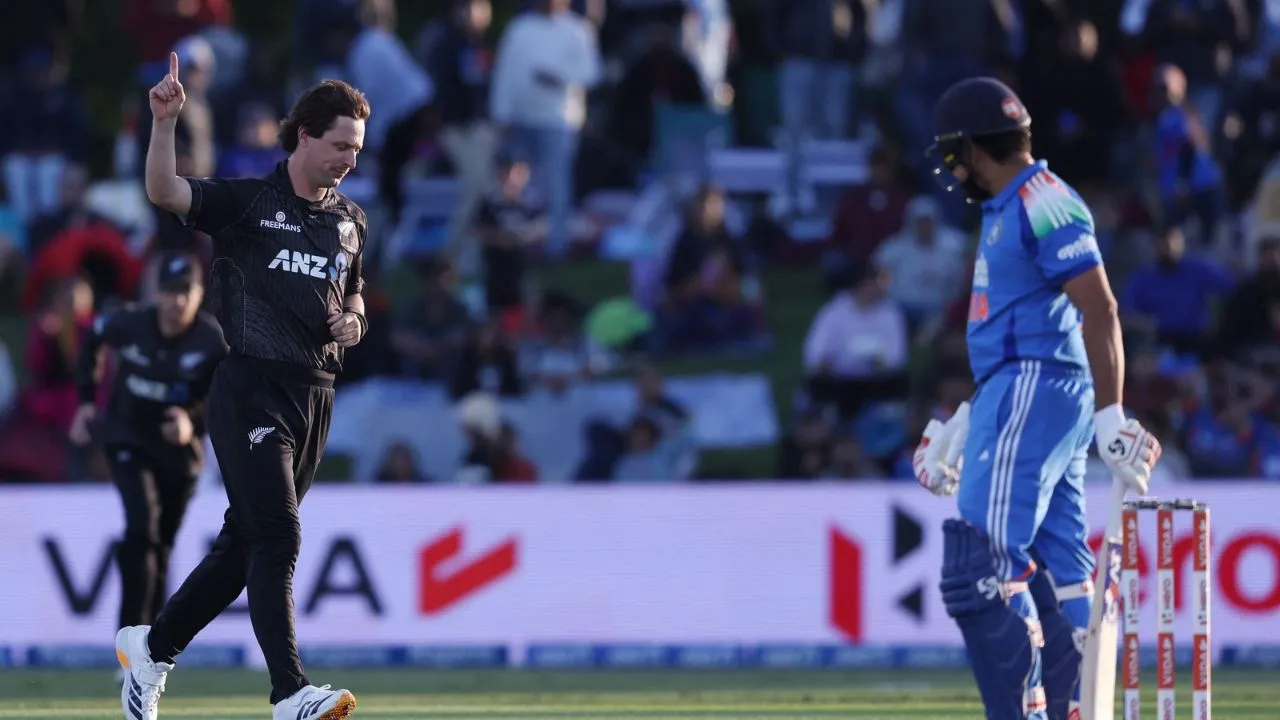
‘Had there been a follow-on’: Sunil Gavaskar takes cheeky dig at India’s batting collapse in 4th ODI
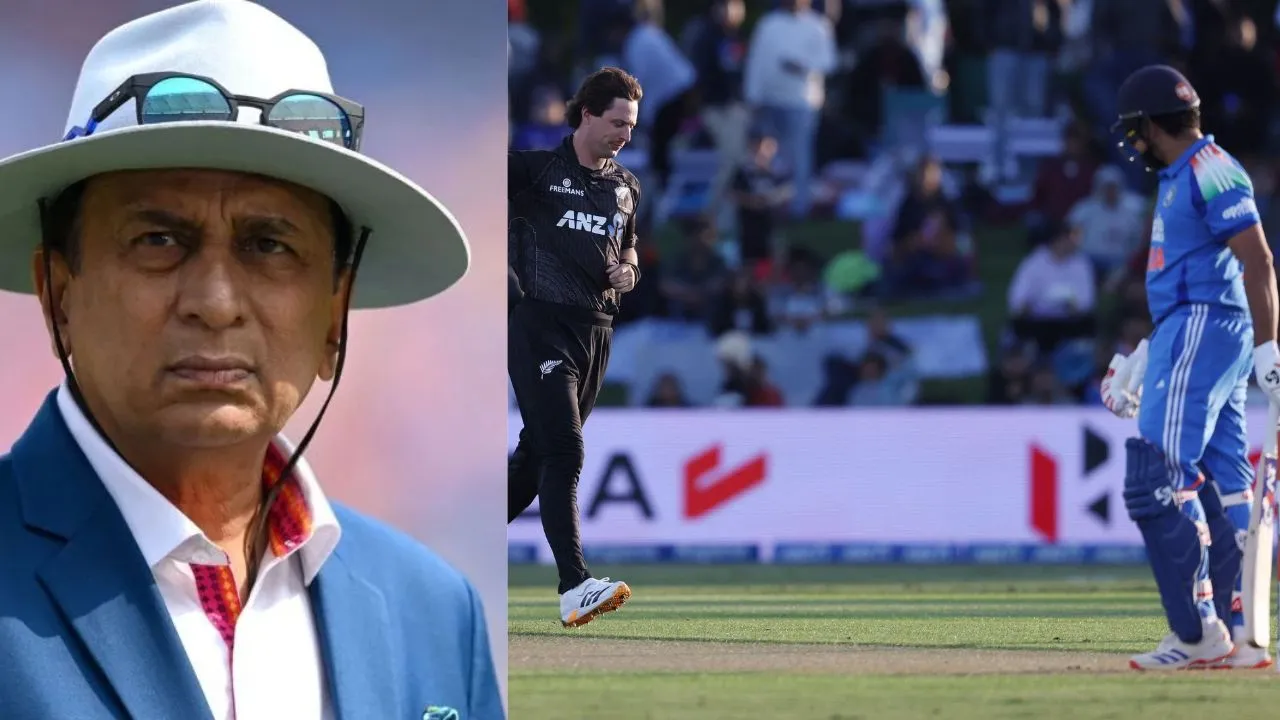
India vs New Zealand: Matt Henry’s six-wicket burst keeps ODI series alive
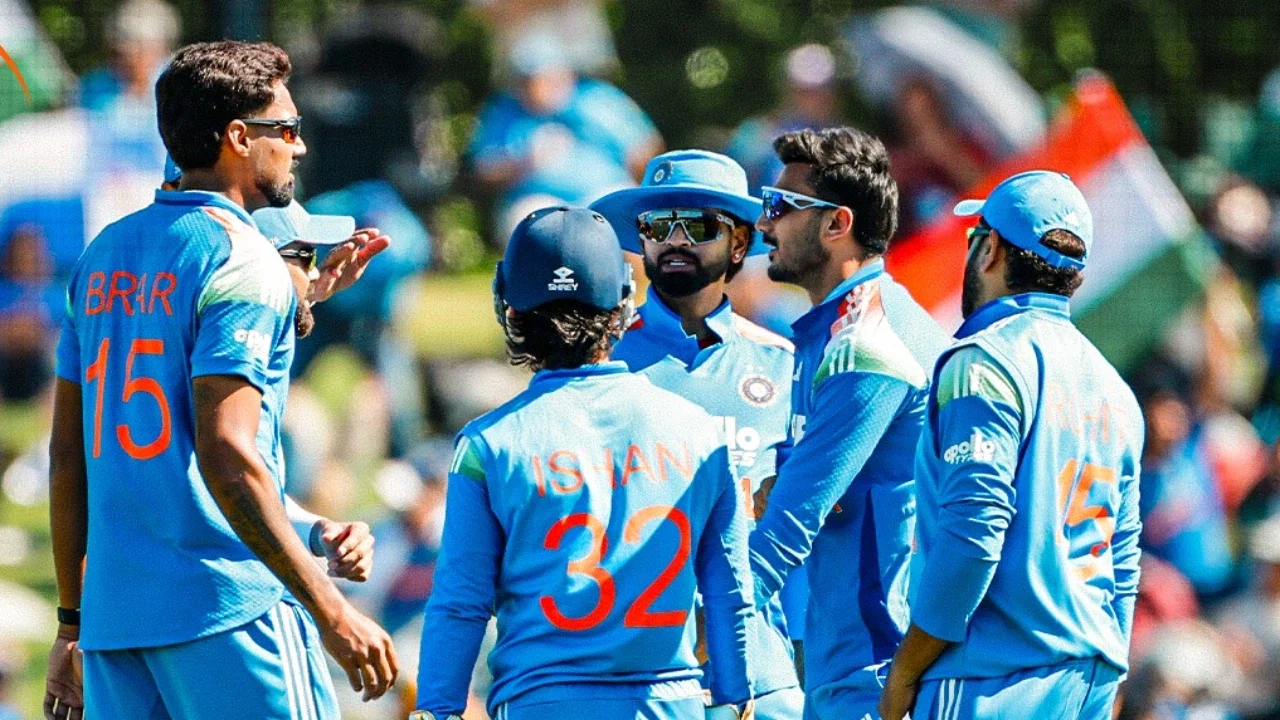
New Zealand delivered a commanding 244-run victory over India at Bay Oval in Mount Maunganui, cutting India’s lead in the ODI series to 2-1 and setting up a tense finish. The result was built on a fierce spell of swing bowling from Matt Henry, whose early strikes dismantled India’s top order and left the visitors with little chance of chasing the target.
Former India captain Sunil Gavaskar responded to the collapse with a wry remark on Sony Sports Network. He joked that a follow-on would have given fans another opportunity to watch Rohit Sharma and Virat Kohli bat. The quip landed against a difficult backdrop: both senior batters were dismissed for first-ball ducks as India were bowled out for just 89.
Gavaskar jokes about a follow-on after India’s batting collapse
Gavaskar acknowledged the scale of New Zealand’s win while reflecting on the mood among those watching the match. “They have won by 244 runs. It’s a massive win,” he said, adding that people had joked about a follow-on so they could see Rohit and Kohli return to the crease. He noted, however, that another match remained in the series.
The reference was humorous rather than a serious suggestion about the match situation. In a one-day international, a follow-on does not apply as it does in Test cricket. Gavaskar’s comment instead captured the disappointment of seeing two of India’s most recognisable batters gone almost immediately—and the hope that supporters would get another chance to see them play in the next game.
Rohit was caught behind for a golden duck on the first ball of India’s innings, while Kohli also failed to score, departing after four deliveries. It was Rohit’s second duck of the series, and the pair had both recorded ducks in the same match for the second time. Their dismissals left India under immediate pressure and gave New Zealand’s bowlers the confidence to attack the remaining lineup.
Matt Henry’s opening over changes the match
Henry was named Player of the Match after taking 6 wickets for 27 runs in 9.4 overs. His opening burst was particularly damaging: he removed Rohit, Kohli and Shreyas Iyer in a three-wicket maiden, giving India no time to settle into the chase. Henry combined disciplined line and length with movement off the pitch, while an occasional short ball kept the batters uncertain about how to respond.
Gavaskar praised the New Zealand seamer’s control and ability to make the ball move. He said the conditions and Henry’s accuracy made batting difficult, and pointed out that India’s wickets came from quality deliveries rather than careless shots. That distinction matters in assessing a heavy defeat: an aggressive bowling performance can expose even an experienced batting order when the ball is moving and the top order is forced to make decisions before it has adjusted.
Henry’s spell also demonstrated why early overs can be decisive in limited-overs cricket. With the new ball offering movement, the opening bowler can target the space between bat and pad, challenge the outside edge and force batters to commit before they have a clear read on the pitch. India’s early losses turned the chase into a recovery effort almost from the first delivery.
Gavaskar explains Rohit Sharma’s dismissal
Gavaskar described Rohit’s dismissal as the product of an exceptional delivery. Henry drew the right-hander into a defensive position, and the ball moved away enough to take the edge through to first slip, where Finn Allen completed a sharp catch. Rohit was squared up, leaving him little opportunity to control the shot.
To explain the difficulty, Gavaskar compared the movement to the kind of outswing Kapil Dev produced early in his career. He suggested that an opener might have a better chance to make small adjustments after facing several deliveries and gaining information about how the ball was behaving. On the first ball, however, there is no opportunity to test the conditions. When a delivery swings sharply straight away, even an experienced batter can be caught between playing and leaving.
That uncertainty is one of the defining challenges for opening batters in New Zealand. Conditions can favour seam movement, and a bowler who lands the ball consistently in a threatening area can make the first few overs especially demanding. Rohit’s dismissal was therefore not simply a case of poor footwork; it was also an illustration of how a high-quality ball can exploit the lack of information available to a batter at the start of an innings.
What the result means for the ODI series
The victory keeps New Zealand’s hopes alive, with India still leading the series 2-1. The remaining ODI is now crucial: India can secure the series with a win, while a New Zealand victory would level the contest and complete a strong recovery. A third match in the series ended without a result, making the final game particularly important to the overall outcome.
India had already won the T20I series and entered the ODI contest with momentum, but New Zealand’s performance at Bay Oval has shifted attention to how the visitors respond under pressure. India will want a more assured start with the bat, while New Zealand will aim to reproduce the accuracy and movement that made Henry so effective.
The teams are also scheduled to play a two-match Test series after the ODI campaign. That longer format will bring different tactical demands, but the lessons from Bay Oval are relevant: adapting to movement, protecting the top order and building partnerships will be essential against New Zealand’s seam attack.
Prediction: India favoured, but New Zealand have momentum
Any prediction for the final ODI must account for the contrasting positions of the teams. India remain in front in the series and have the experience to respond, but New Zealand will take confidence from a comprehensive win and Henry’s outstanding form. If the new ball swings again, India’s openers will need to show patience without becoming overly defensive. For New Zealand, early wickets could again be the key to controlling the match.
The Bay Oval result was more than a one-sided scoreline: it was a reminder of how quickly an ODI can turn when a bowling attack finds movement and attacks with precision. Gavaskar’s follow-on joke offered a lighter moment after a bruising defeat, but the focus now shifts to India’s response and whether New Zealand can carry their momentum into the series decider.
Latest News
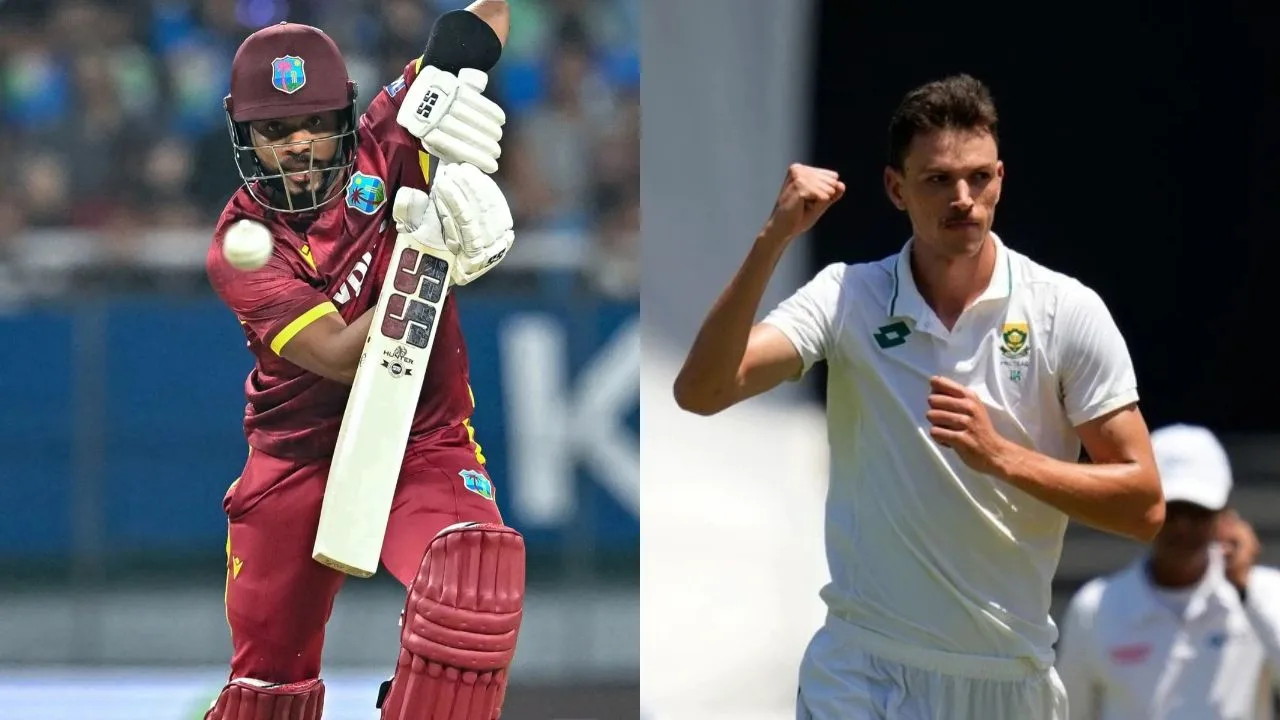
Marco Jansen beats Shai Hope to win ICC Player of the Month award
PSL 2027: RawalPindiz name Adam Voges as head coach ahead of new season

IPL 2027: Ares Management in talks to buy minority stake in KKR
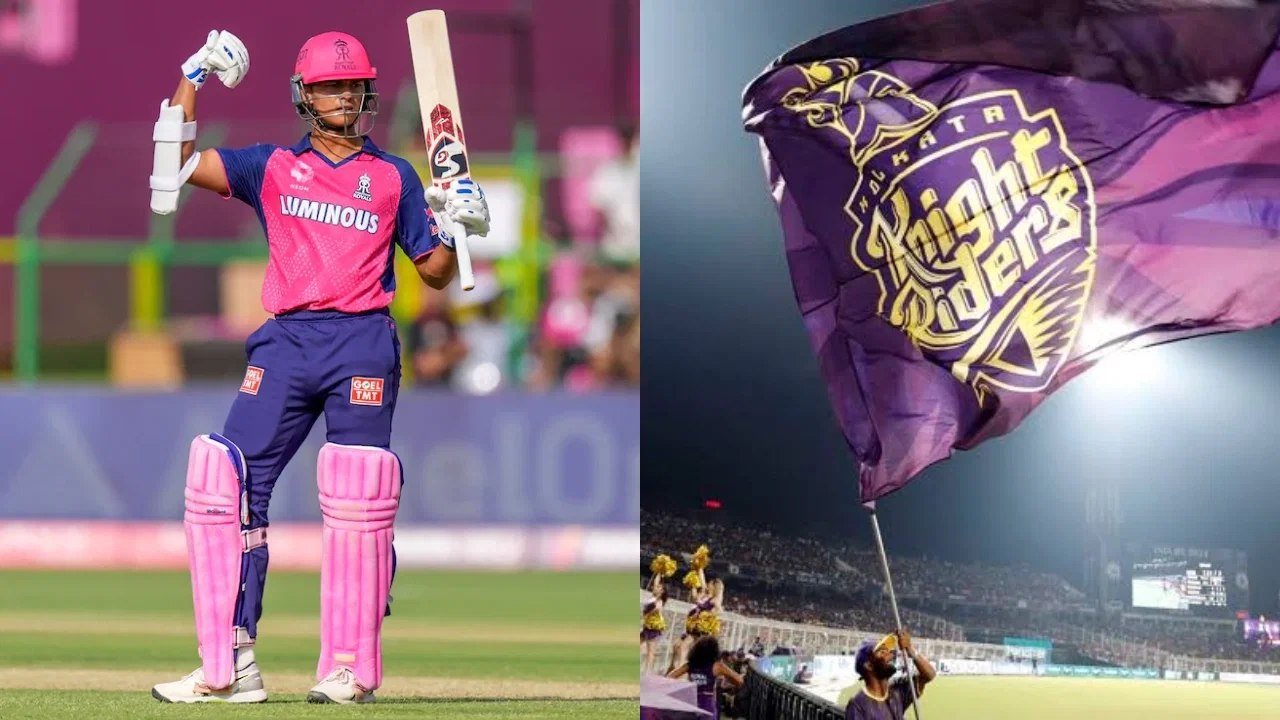
IPL 2027: KKR to sacrifice three players to sign Rajasthan Royals star Yashasvi Jaiswal
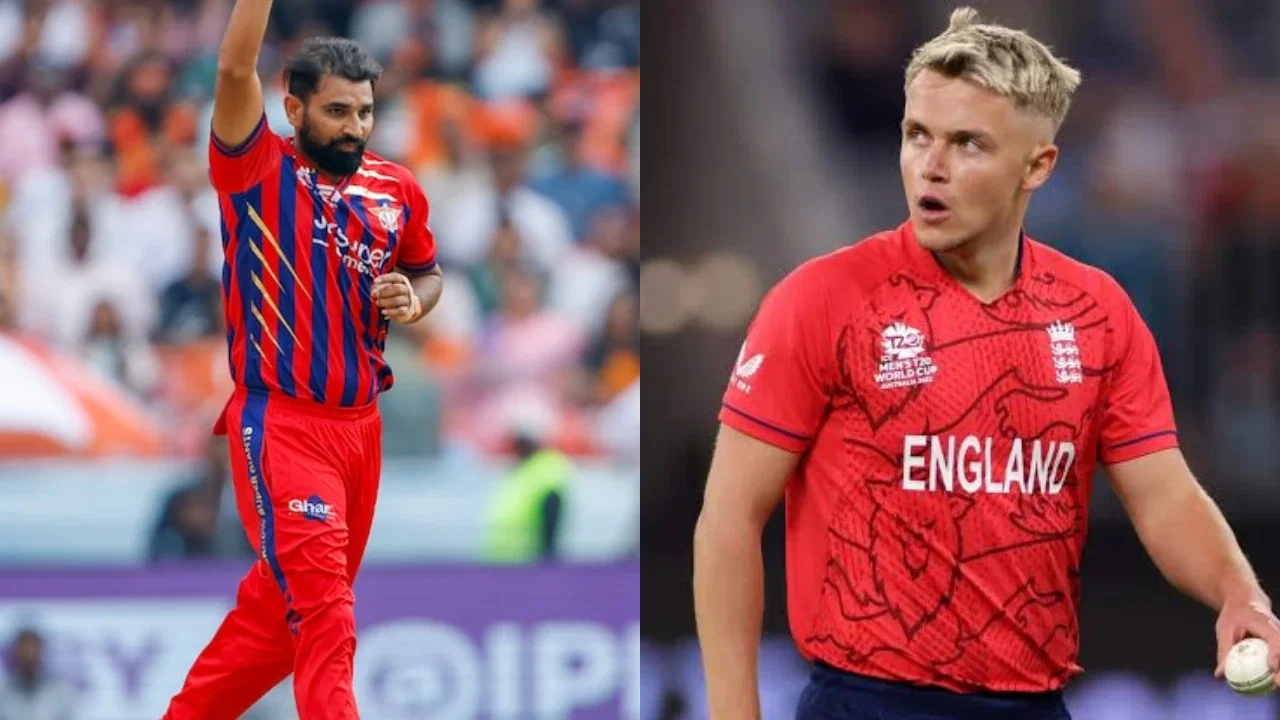
IPL 2027: Mohammed Shami and Sam Curran part of blockbuster trade between RR and LSG
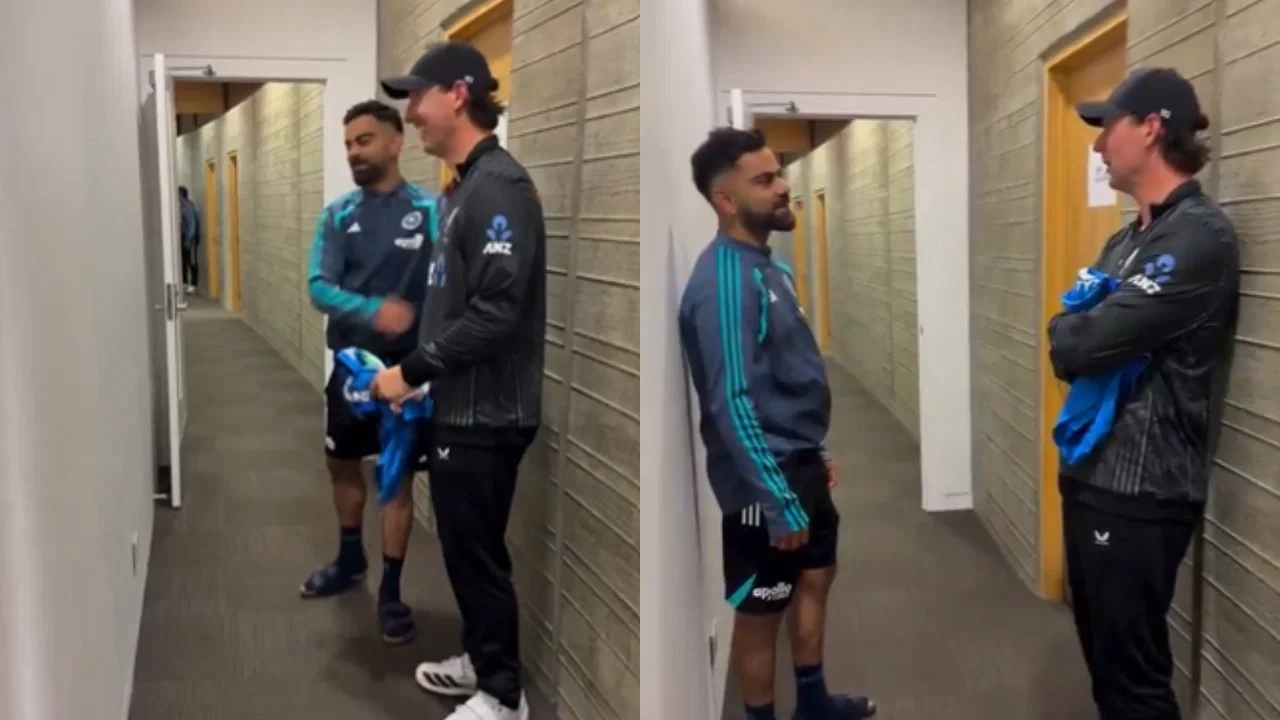
Virat Kohli wins hearts with special gesture towards Matt Henry after India’s heavy defeat

ICC plans six global tournaments between 2032 and 2035, new cricket calendar to be discussed
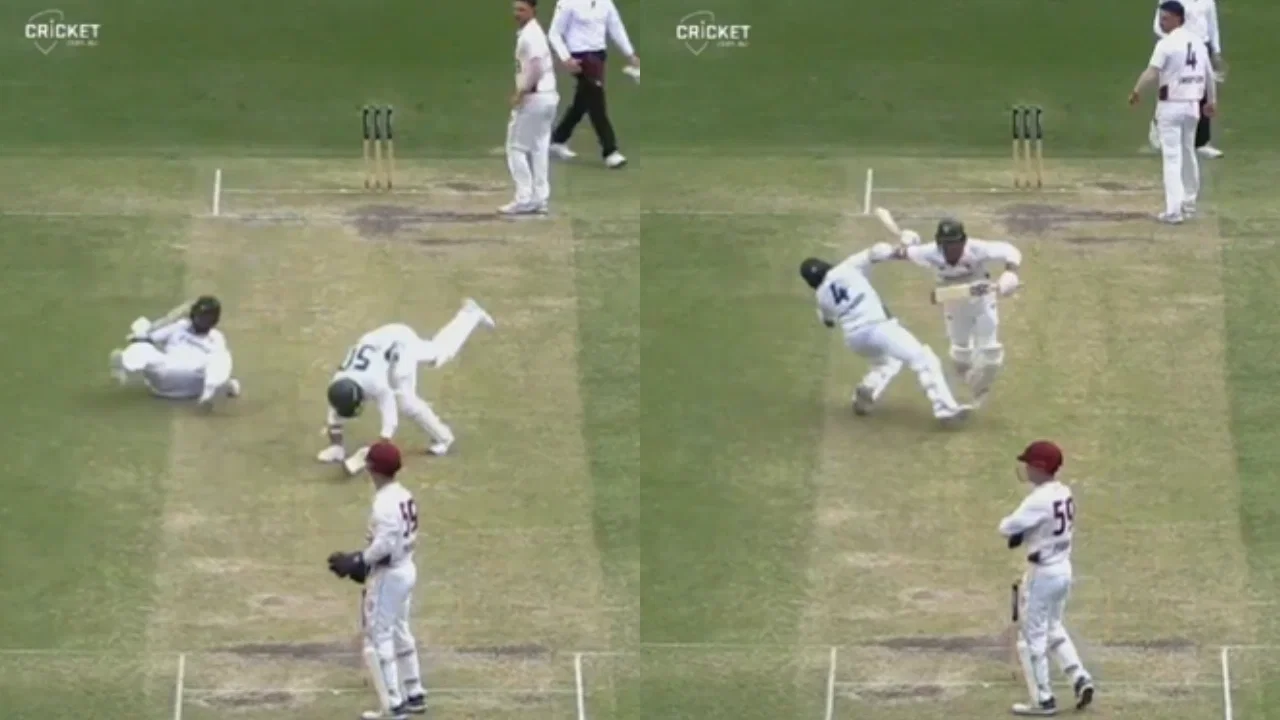
Watch: Nikhil Chaudhary and Matthew Kuhnemann involved in bizarre collision during Sheffield Shield match
WTC points table after Pakistan vs Sri Lanka 1st Test, 2026
‘Had there been a follow-on’: Sunil Gavaskar takes cheeky dig at India’s batting collapse in 4th ODI
‘Requires proper preparation’: Babar Azam turns down pink-ball Test idea after draw vs Sri Lanka
“You have to have evidence”: Pat Cummins hits back at Usman Khawaja’s racism allegation
List of Indian batters with most ODI ducks: Virat Kohli equals Sachin Tendulkar
India’s lowest ODI totals: Look at top 10 biggest batting collapses