‘Requires proper preparation’: Babar Azam turns down pink-ball Test idea after draw vs Sri Lanka
Pakistan vs Sri Lanka: Babar Azam Rejects Pink-Ball Test Ahead of Rawalpindi Rematch
Pakistan captain Babar Azam has ruled out a last-minute switch to a day-night Test for the second match against Sri Lanka, saying the team needs more time to prepare for the pink ball. His comments followed a drawn first Test in Rawalpindi, where poor light brought play to an early close and renewed debate about whether a floodlit format could help prevent similar interruptions.
The second and final Test of the series is scheduled to begin on November 17. It was originally set to be played in Lahore but has been moved to Rawalpindi amid concerns about daylight and match conditions. With only a short break between Tests, Babar said Pakistan would not be ready to make the transition from the traditional red ball to the pink ball.
Babar says Pakistan needs time to prepare
Asked whether Pakistan would consider playing the upcoming match under lights, Babar acknowledged that a day-night Test could be a practical response to fading light. However, he stressed that the format requires careful planning rather than a hurried decision.
Pakistan’s players spend most of the year preparing for red-ball cricket, he explained. Pink-ball Tests bring different demands, including changes in visibility, timing and how the ball behaves under lights. A team needs time to adjust its training and match preparation, particularly when the next Test is only days away.
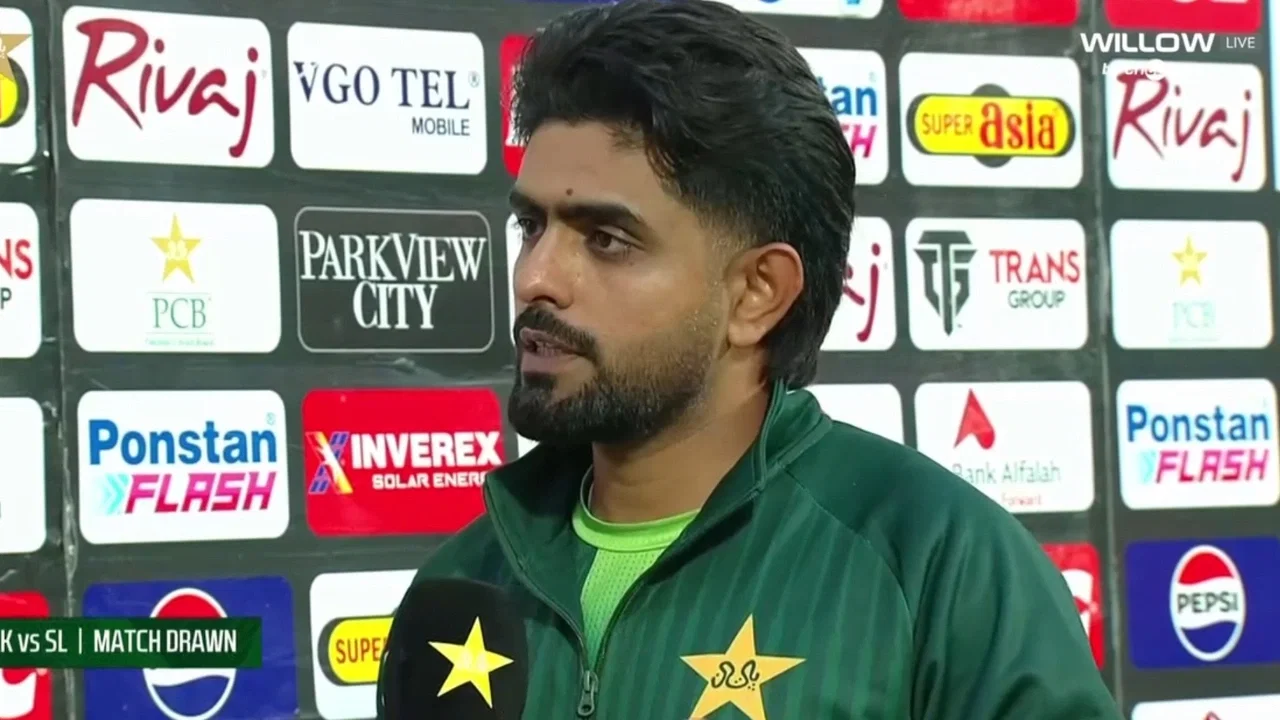
“I think it’s a good option, but it requires proper preparation,” Babar told the broadcaster. “We play with the red ball throughout the year, so suddenly switching to the pink ball within a couple of days doesn’t give a Test team enough time to prepare adequately. It is certainly an interesting option, and if we have more time to prepare for it, it could be a different ball game altogether.”
The captain’s response leaves the red-ball format as the expected choice for the Rawalpindi Test. It also highlights a broader scheduling challenge for international cricket: day-night matches may offer a way to extend playing hours, but teams and organisers need to agree on the format well in advance.
Low light shapes the prediction for the second Test
The first Test ended in a draw after the umpires called off play because of poor light. The interruption was particularly frustrating with the match still in progress on the final day, when Pakistan were attempting to build pressure in their second innings and Sri Lanka were seeking a result.
Moving the second Test to Rawalpindi does not, by itself, guarantee that light will not again become a factor. However, the decision keeps the series at a venue already used by both teams and avoids a late change in location. The key prediction for the final match will be whether the sides can make enough of the available playing time to force a result, especially if weather or fading light affects the schedule.
For Pakistan, the challenge will be to turn promising periods of play into sustained pressure. Sri Lanka, meanwhile, showed in the opener that its middle order can recover from early setbacks and take the game away from the hosts. That resilience could be decisive if the second Test becomes another closely balanced contest.
Pakistan post 434 after choosing to bat
Pakistan were asked to bat first after losing the toss and made 434 in their opening innings. Saud Shakeel led the scoring with a determined 97 from 199 deliveries, narrowly missing a century after spending a long period at the crease. Babar also contributed a half-century, helping the hosts establish a substantial total.
The innings gave Pakistan a strong platform, but Sri Lanka’s response prevented the home side from taking control of the match. The visitors lost two early wickets, placing their top order under immediate pressure, yet their middle-order batters steadied the innings and gradually shifted the momentum.
De Silva and Mendis lead Sri Lanka’s fightback
Centuries from Dhananjaya de Silva and captain Kusal Mendis helped Sri Lanka move past Pakistan’s first-innings score. Their partnership was central to the visitors’ recovery, combining patience with the ability to punish loose deliveries. Rather than allowing the early wickets to dictate the innings, Sri Lanka’s senior batters rebuilt and made Pakistan work for every breakthrough.
Their performances also underlined why the first Test remained competitive despite Pakistan’s sizeable total. Sri Lanka’s lower and middle order offered resistance, while the two hundreds gave the visitors the opportunity to claim a valuable first-innings advantage. The result was a match in which neither side could maintain control for long enough to secure victory.
Pakistan’s second innings leaves the contest open
In their second innings, Pakistan reached 284 for eight before the match ended in a draw. Babar added 34, but the hosts were unable to build the kind of commanding lead that might have created a realistic chance of forcing a result on the final day.
Sri Lanka’s bowlers produced timely spells and kept the innings from becoming an easy scoring opportunity. With wickets falling at intervals, Pakistan had to balance the need to set a target against the risk of being dismissed too quickly. The late loss of playing time to poor light further narrowed the window for either team to press for a win.
What to watch in the series finale
The second Test will test both teams’ ability to adapt quickly after a drawn opener. Pakistan will want greater consistency from its batting and a stronger return from its bowlers after Sri Lanka’s middle order dominated key passages. Sri Lanka will look to carry forward the confidence gained from its first-innings recovery while seeking more early breakthroughs.
Although a pink-ball match is not expected, the discussion around day-night cricket is likely to continue. Babar’s position is not a rejection of the format itself; rather, it is a reminder that teams need adequate preparation time before changing the conditions of a Test. For now, the focus shifts to the Rawalpindi rematch, where both sides will aim to settle the series and avoid another draw influenced by lost time.
Latest News

Marco Jansen beats Shai Hope to win ICC Player of the Month award

PSL 2027: RawalPindiz name Adam Voges as head coach ahead of new season

IPL 2027: Ares Management in talks to buy minority stake in KKR
IPL 2027: KKR to sacrifice three players to sign Rajasthan Royals star Yashasvi Jaiswal

IPL 2027: Mohammed Shami and Sam Curran part of blockbuster trade between RR and LSG

Virat Kohli wins hearts with special gesture towards Matt Henry after India’s heavy defeat

ICC plans six global tournaments between 2032 and 2035, new cricket calendar to be discussed
Watch: Nikhil Chaudhary and Matthew Kuhnemann involved in bizarre collision during Sheffield Shield match
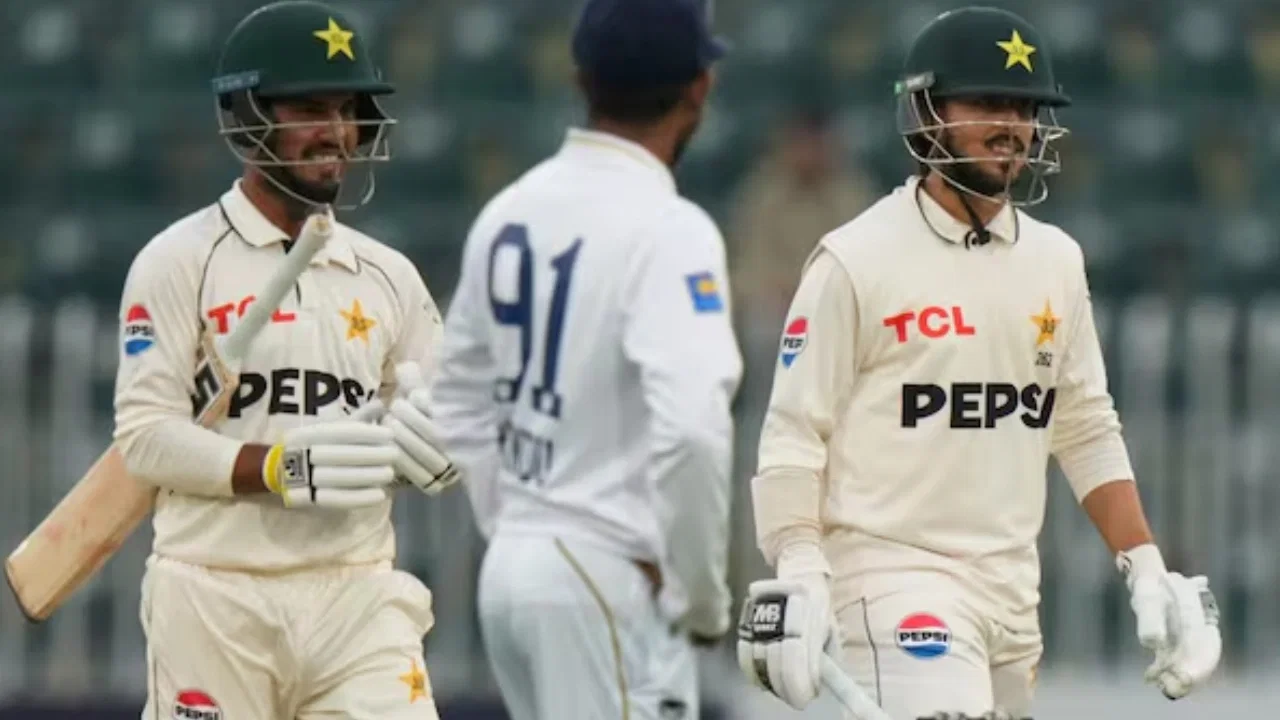
WTC points table after Pakistan vs Sri Lanka 1st Test, 2026
‘Had there been a follow-on’: Sunil Gavaskar takes cheeky dig at India’s batting collapse in 4th ODI
‘Requires proper preparation’: Babar Azam turns down pink-ball Test idea after draw vs Sri Lanka

“You have to have evidence”: Pat Cummins hits back at Usman Khawaja’s racism allegation
List of Indian batters with most ODI ducks: Virat Kohli equals Sachin Tendulkar
India’s lowest ODI totals: Look at top 10 biggest batting collapses