“You have to have evidence”: Pat Cummins hits back at Usman Khawaja’s racism allegation
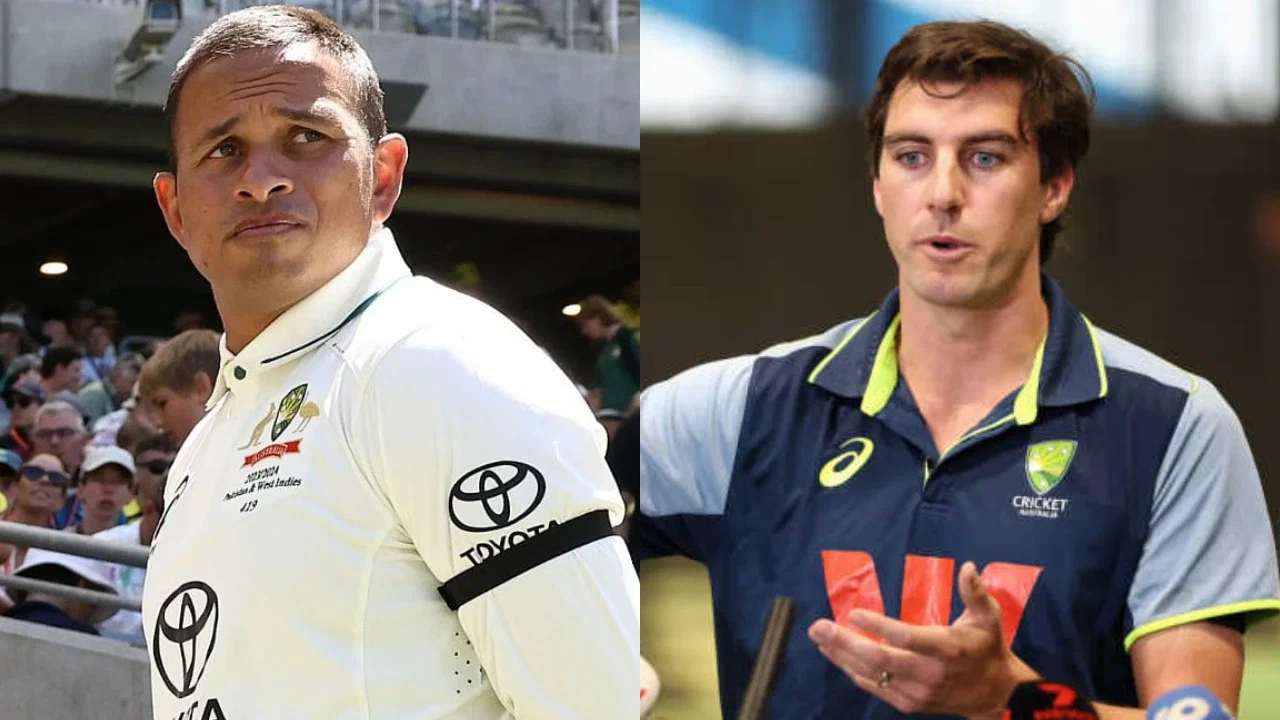
Pat Cummins Rejects Usman Khawaja’s Claim That Race Cost Him Australia Captaincy
Australia captain Pat Cummins has firmly rejected Usman Khawaja’s claim that race played a role in his being overlooked for the interim captaincy in 2018. Responding to the allegation at a media conference, Cummins called it a serious charge and said it should be supported by evidence. He added that he did not believe skin colour influenced the decision.
The disagreement has brought renewed attention to the leadership transition that followed Australia’s ball-tampering scandal in South Africa. Khawaja has revisited that period in his autobiography, Sabr, offering a personal account of why he believes he was not considered for the temporary role after Steve Smith was sent home.
What Khawaja Says About the 2018 Captaincy Decision
Smith was removed from the South Africa tour in 2018 after the ball-tampering incident, which led to major sanctions for Smith, David Warner and Cameron Bancroft. Wicketkeeper Tim Paine was appointed captain, later leading Australia before Cummins took over the Test captaincy in 2021.
In his book, Khawaja says he felt he was a natural candidate to serve as interim captain. At the time, he had experience leading Queensland and believed his cricketing background made him a credible option. He also suggested that his past involvement in disputes with Cricket Australia over player pay may have counted against him.
But Khawaja says he considers his heritage the more important factor. He argues that Australian cricket’s leadership culture was not ready to appoint a brown captain, even temporarily. His account is a personal interpretation of the decision, rather than proof that race was formally discussed or used as a selection criterion.
The claim has prompted a broader conversation about representation in Australian cricket: who is viewed as a leadership candidate, how those decisions are made, and whether players from culturally diverse backgrounds receive the same opportunities. Such questions can be difficult to resolve from public statements alone, particularly when the people involved may remember the process differently.
Cummins Calls the Allegation Serious and Requests Evidence
Cummins said he agreed with Khawaja on a number of issues but strongly disagreed with his explanation for missing out on the captaincy. He described the suggestion that the role was effectively closed to people because of their skin colour as a significant accusation.
“If you are going to say that, I think you have to have evidence,” Cummins said, adding that he did not believe race was the reason for the appointment. He also rejected the idea that Australia’s captain had to come from a particular racial background.
Asked whether he had witnessed conduct he considered racist since becoming captain, Cummins declined to expand on the subject. He said he could not recall anything of that nature during his time in the role and suggested Khawaja was better placed to discuss the experiences described in his book.
The exchange highlights the difference between disputing an allegation and dismissing the wider issue it raises. Khawaja’s account draws on his own experience of the 2018 decision, while Cummins has challenged the conclusion that race determined the outcome. The available public information does not settle that disagreement, and the captaincy decision remains a matter on which the two players hold opposing views.
Why the Debate Matters to Australian Cricket
Leadership appointments carry significance beyond the title itself. They can shape how players see their prospects, how the public understands inclusion in the sport, and whether cricket organisations are transparent about the qualities they value. Khawaja’s comments have therefore renewed scrutiny of the structures and assumptions that influence captaincy decisions.
At the same time, a fair assessment requires distinguishing between a player’s recollection, an interpretation of events and independently established evidence. The discussion is likely to continue as readers engage with Khawaja’s autobiography and as cricket authorities face questions about representation, selection and accountability.
Australia Open ODI Series With England Collapse in Perth
The captaincy debate unfolded on the same day Australia made a commanding start to its one-day international series against England at Optus Stadium in Perth. Cummins was rested for the match, with Australia winning the toss and choosing to bowl. England were dismissed for 131 after a dramatic collapse led by debutant Mahli Beardman.
England lost Ben Duckett early, caught at backward point off Spencer Johnson. Xavier Bartlett then removed Tom Banton, who made 25 from 27 deliveries, leaving the visitors at 38 for two. Beardman’s introduction changed the course of the innings.
The young fast bowler struck repeatedly, dismissing Harry Brook for one, Joe Root for 17 and Jordan Cox for two. He then removed Sam Curran and Liam Dawson without scoring, completing a five-wicket haul in only 4.4 overs. England slumped to 65 for eight as Australia’s attack took advantage of the pressure and the Perth conditions.
Will Jacks and Gus Atkinson briefly steadied the innings, adding 37 for the ninth wicket. Johnson broke the partnership by dismissing Jacks for 25, with wicketkeeper Josh Inglis taking his fifth catch of the innings. Atkinson stayed unbeaten on 29, while Jofra Archer contributed 11 before Beardman dismissed him to end England’s innings at 131.
Beardman finished with outstanding figures of six for 24, while Johnson took three for 42 and Bartlett claimed one for 46. The performance gave Australia a strong platform in the series and made the debutant an immediate talking point. His six-wicket return was a striking early prediction of the impact young fast bowlers can have when they combine pace, control and the confidence to attack.
Two Stories, One Day for Australian Cricket
Friday’s events offered a snapshot of the different conversations shaping Australian cricket. Off the field, Khawaja’s account has reopened questions about race, representation and the 2018 leadership transition. On it, Beardman’s remarkable debut gave Australia a major result against England and introduced a new name to follow.
The two stories will continue to draw attention for different reasons. The captaincy dispute raises questions that depend on personal testimony and the transparency of past decisions, while Beardman’s performance provides a clear sporting result. Together, they underline how cricket’s public narrative can move quickly between its institutional history and the next generation of players.
Latest News
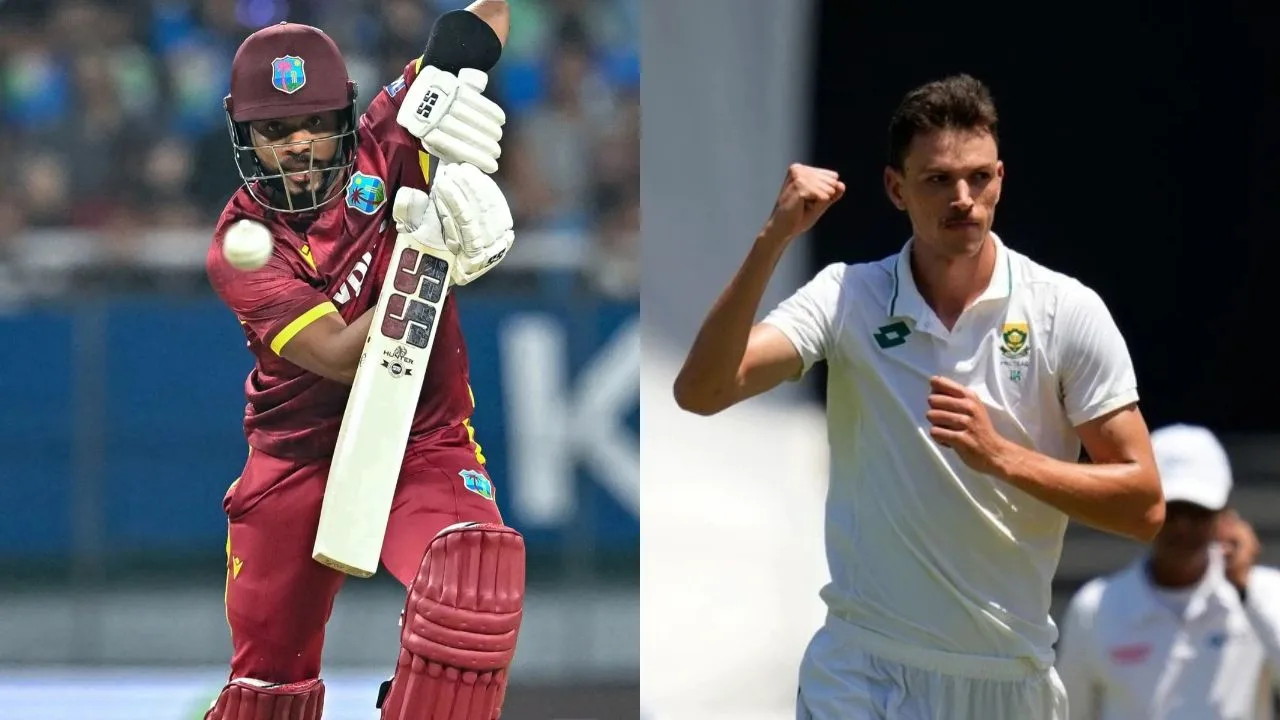
Marco Jansen beats Shai Hope to win ICC Player of the Month award

PSL 2027: RawalPindiz name Adam Voges as head coach ahead of new season

IPL 2027: Ares Management in talks to buy minority stake in KKR
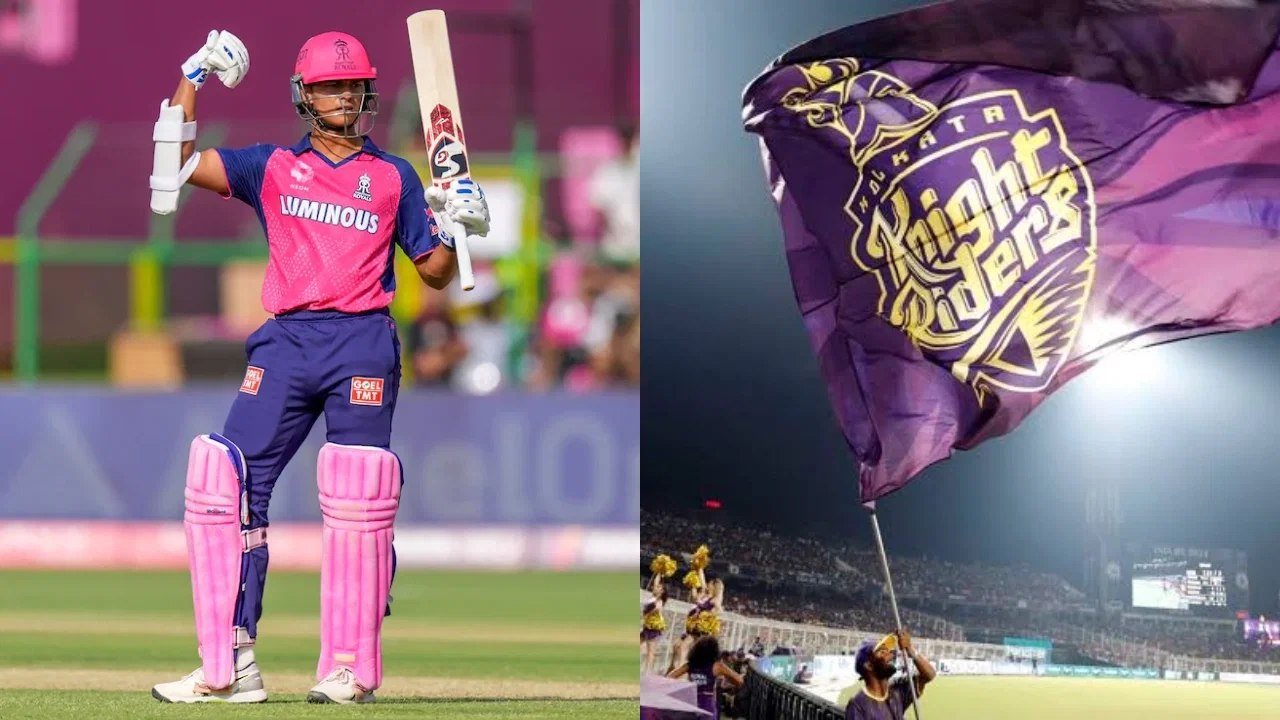
IPL 2027: KKR to sacrifice three players to sign Rajasthan Royals star Yashasvi Jaiswal
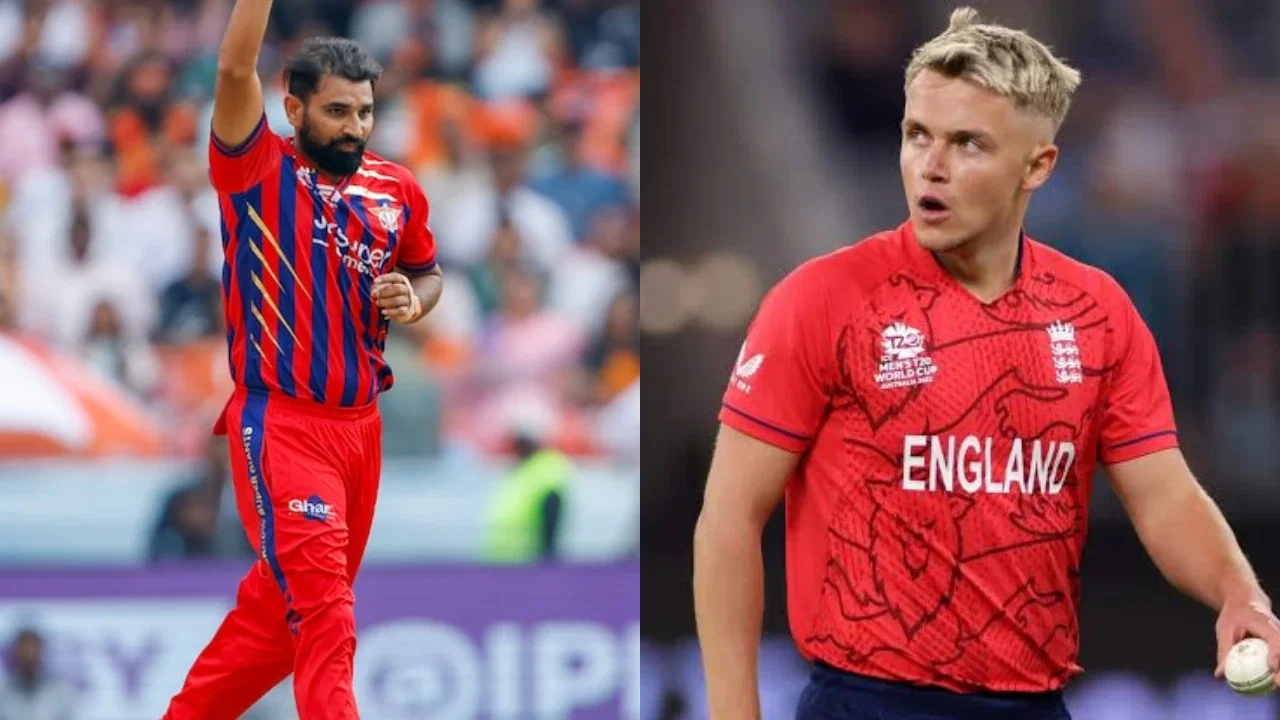
IPL 2027: Mohammed Shami and Sam Curran part of blockbuster trade between RR and LSG
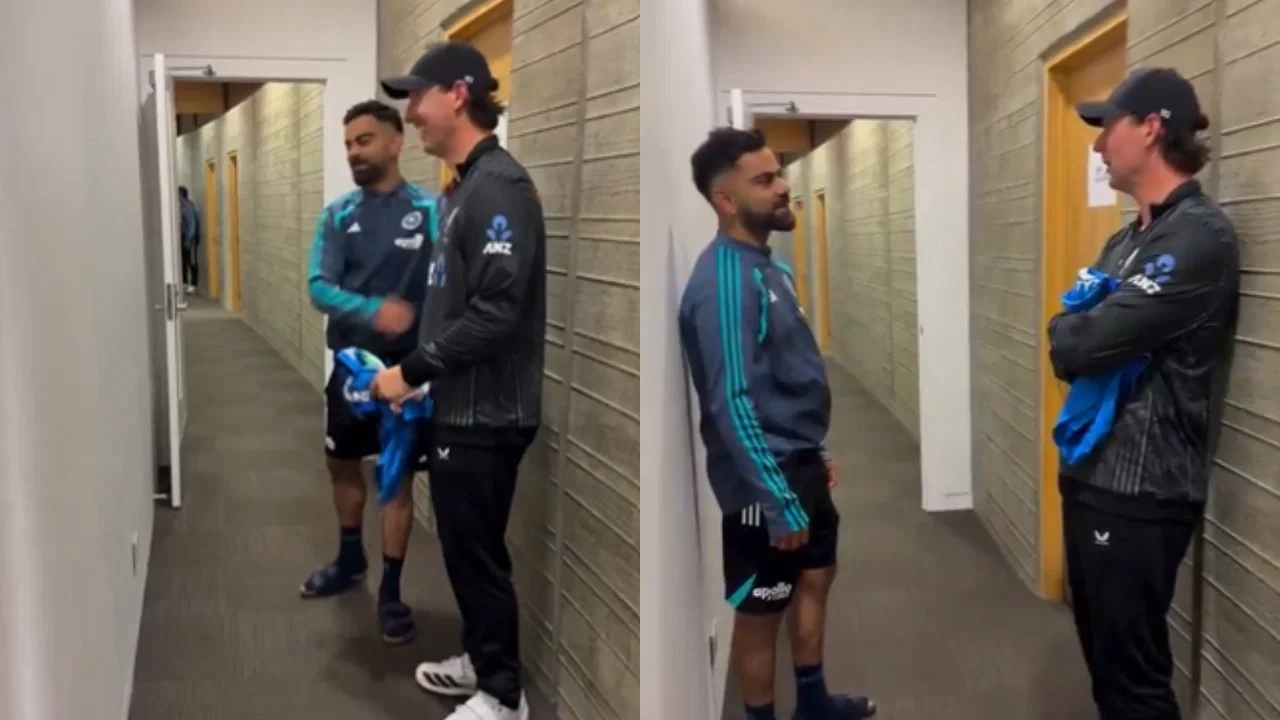
Virat Kohli wins hearts with special gesture towards Matt Henry after India’s heavy defeat
ICC plans six global tournaments between 2032 and 2035, new cricket calendar to be discussed
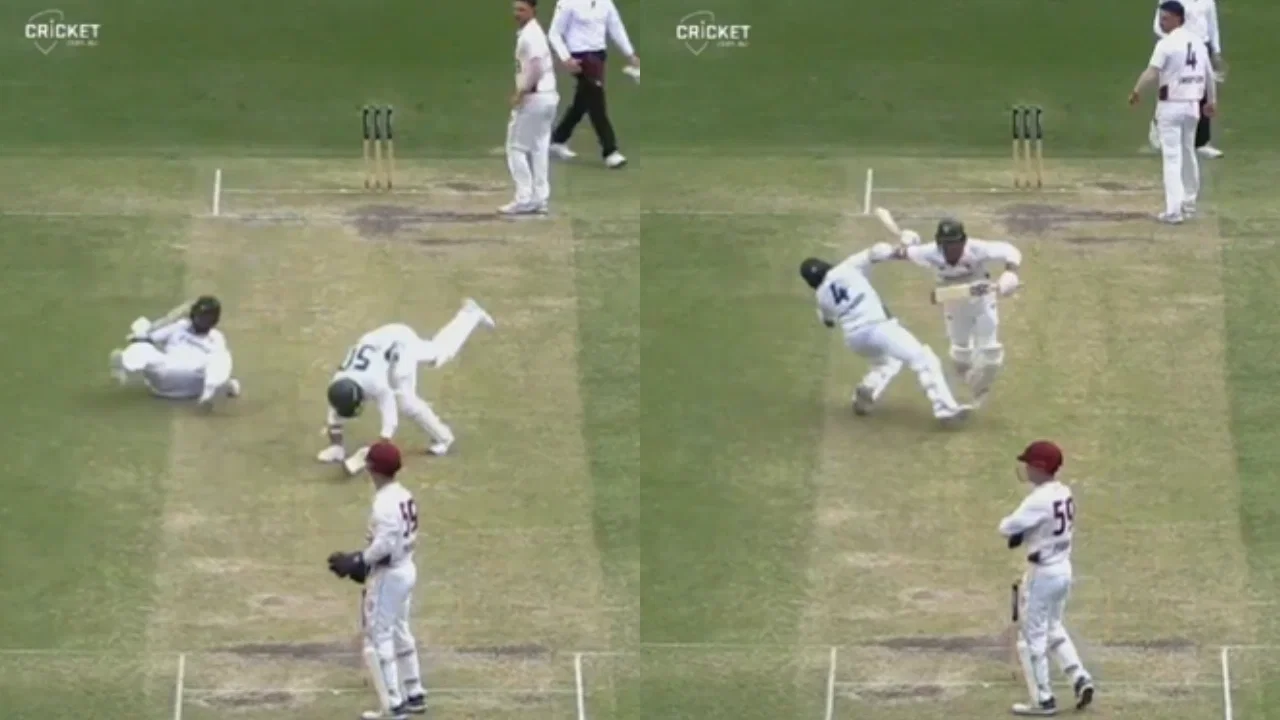
Watch: Nikhil Chaudhary and Matthew Kuhnemann involved in bizarre collision during Sheffield Shield match
WTC points table after Pakistan vs Sri Lanka 1st Test, 2026
‘Had there been a follow-on’: Sunil Gavaskar takes cheeky dig at India’s batting collapse in 4th ODI
‘Requires proper preparation’: Babar Azam turns down pink-ball Test idea after draw vs Sri Lanka
“You have to have evidence”: Pat Cummins hits back at Usman Khawaja’s racism allegation
List of Indian batters with most ODI ducks: Virat Kohli equals Sachin Tendulkar
India’s lowest ODI totals: Look at top 10 biggest batting collapses