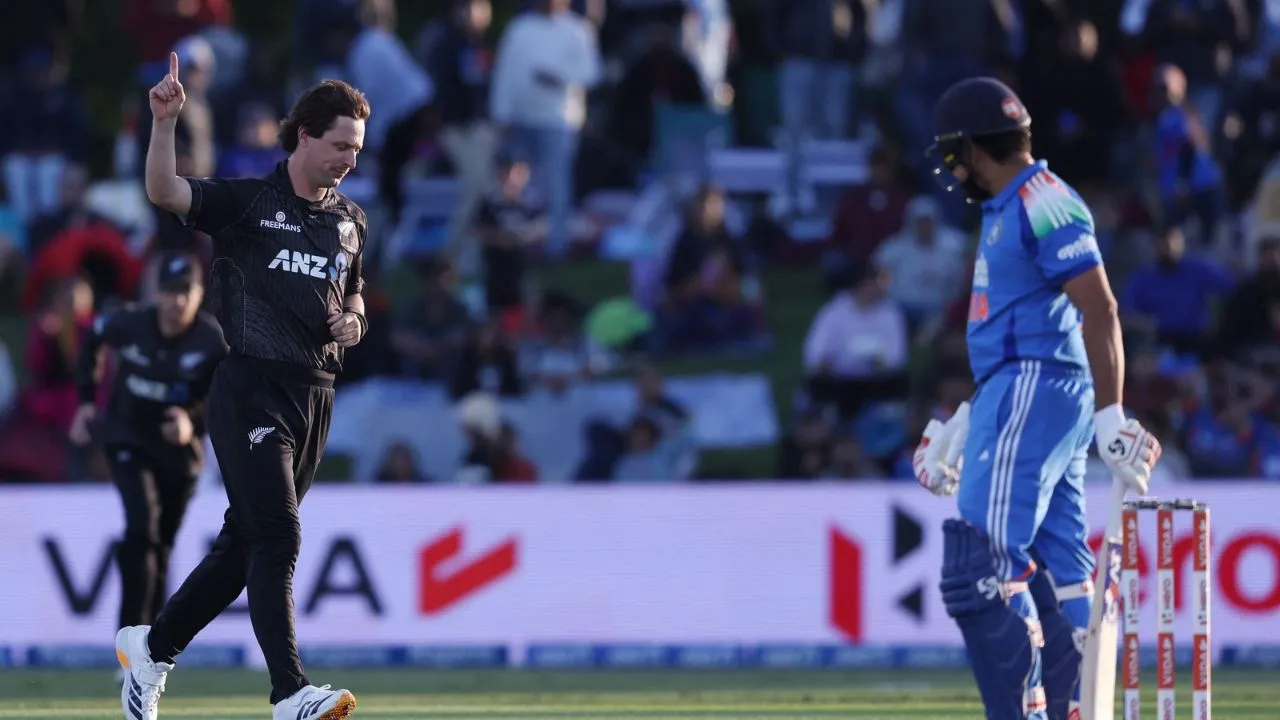
Virat Kohli wins hearts with special gesture towards Matt Henry after India’s heavy defeat
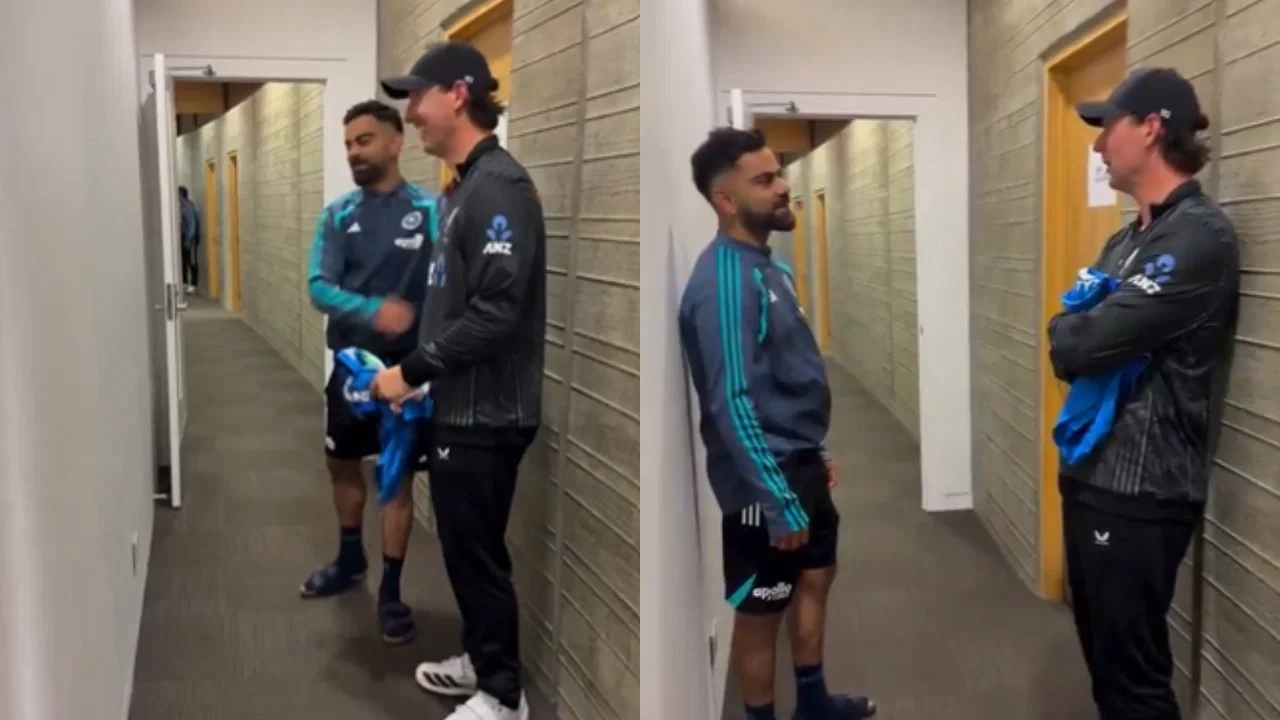
Virat Kohli Praises Matt Henry After New Zealand’s Record-Breaking Win Over India
Virat Kohli offered a gracious moment after a bruising day for India, congratulating New Zealand fast bowler Matt Henry on his match-winning performance in the fourth ODI in Tauranga on November 13, 2026. Kohli presented Henry with a personally signed India jersey, recognising a spell that helped send the visitors to one of their heaviest defeats in the format.
Henry was named Player of the Match after taking 6 wickets for 27 runs in 9.4 overs, including two maidens. His accuracy, movement and ability to extract extra bounce proved decisive as India were bowled out for just 89 while chasing New Zealand’s 334-run target. The hosts won by 244 runs, a margin that ranks among India’s biggest ODI defeats by runs.
Kohli’s Gesture Offers a Moment of Sportsmanship
Footage shared after the match showed Kohli meeting Henry in the stadium corridor. The former India captain congratulated the New Zealand quick and handed him a jersey bearing his signature. The exchange stood out amid an otherwise one-sided contest, reflecting the respect elite players can show for an opponent’s exceptional performance.
For Henry, the recognition came after a spell that transformed the match almost as soon as India began their reply. For Kohli, the gesture was a reminder that sporting respect can endure even after a difficult defeat. The moment quickly drew attention from cricket fans, many of whom praised the Indian batter’s gracious response to Henry’s achievement.
Will Young’s Century Sets Up New Zealand’s Big Total
New Zealand made the most of a promising batting surface, finishing on 333 for their allotted 50 overs. Openers Will Young and Tim Seifert gave the home side a strong start, putting pressure on India’s bowlers and creating the platform for a substantial total.
Seifert scored 58 from 48 balls, providing early momentum before his dismissal. Young remained at the crease and converted his start into a commanding century, making 125 from 108 deliveries. His innings included 14 fours and four sixes, combining steady accumulation with well-timed aggression.
Young’s innings was also shaped by missed opportunities in the field. India had chances to remove him earlier, but dropped catches allowed the New Zealand batter to continue. Rohit Sharma put down a chance at slip, while wicketkeeper Ishan Kishan was unable to hold a diving opportunity. Those reprieves proved costly: Young used them to build a match-defining score and keep New Zealand’s innings on course.
Finn Allen added further momentum in the middle order, scoring 41 from 30 balls. His brisk contribution helped New Zealand maintain pressure through the latter stages and push the total beyond 330—a target that demanded a strong start from India’s batting line-up.
Henry’s First Over Changes the Match
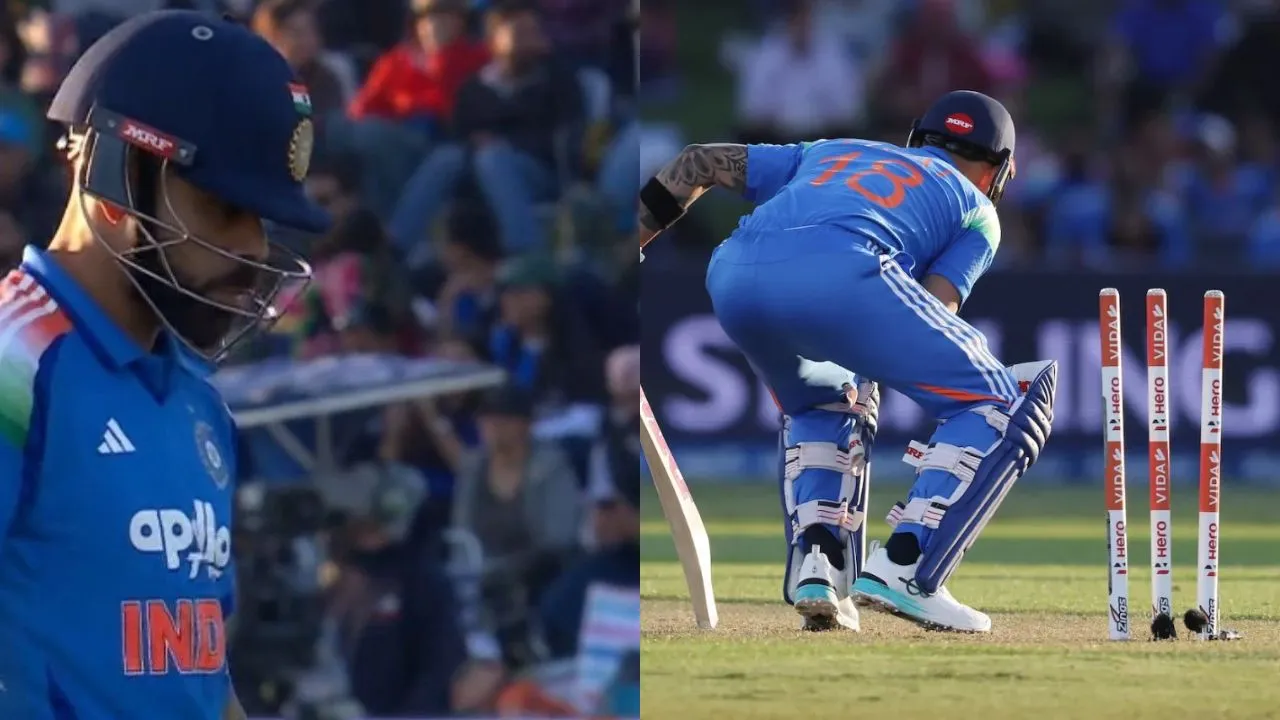
India’s chase began in extraordinary fashion. Henry struck three times in the opening over, leaving the visitors at 0 for 3 and immediately turning a difficult target into an uphill battle. Rohit Sharma, Virat Kohli and stand-in captain Shreyas Iyer were all dismissed for ducks.
The early collapse left India with virtually no room to rebuild. Ruturaj Gaikwad, who opened alongside Rohit in place of the absent Shubman Gill, fell before the end of the sixth over. With four wickets down in the powerplay, India were forced into damage-control mode while New Zealand’s bowlers continued to attack.
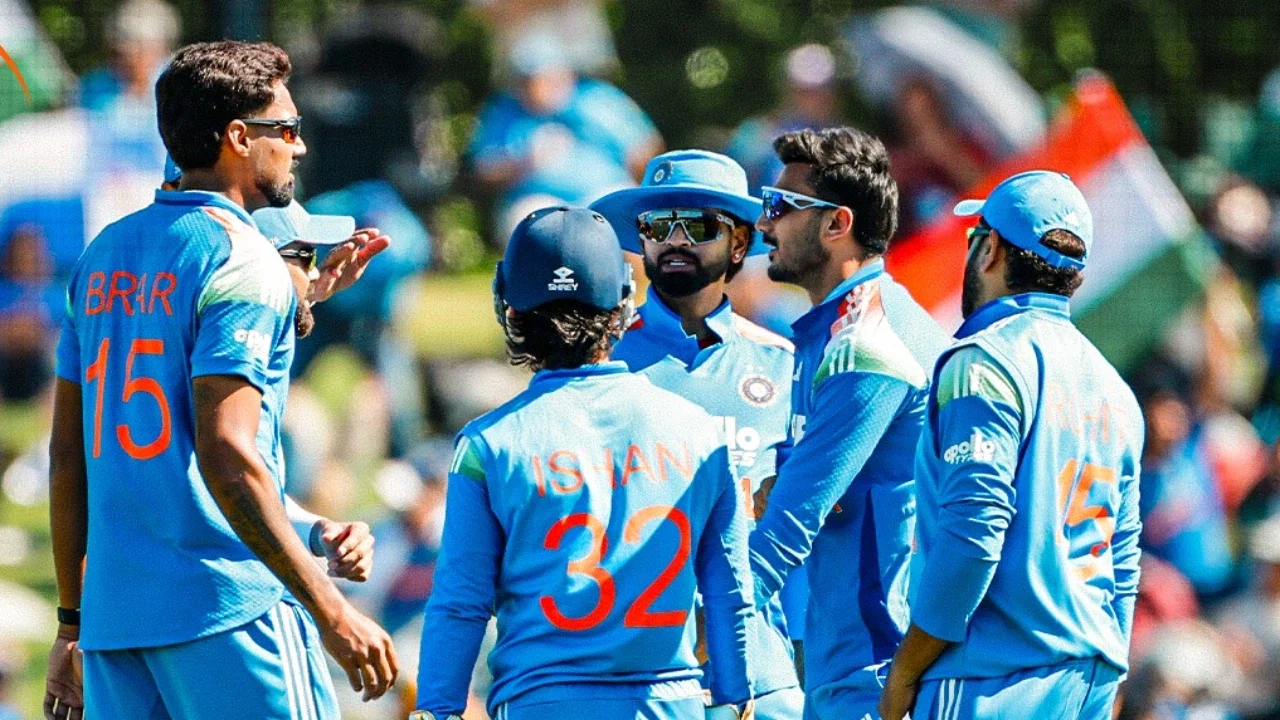
Henry’s figures of 6 for 27 were the centrepiece of the innings, but New Zealand’s supporting bowlers also contributed. Matthew Fisher claimed three wickets, while Kyle Jamieson took one, ensuring India could not recover from the opening burst. The visitors were dismissed in 26.4 overs, finishing 244 runs short of New Zealand’s total.
Why New Zealand’s Bowling Plan Worked
Henry’s success was not simply a matter of pace. He found movement and bounce from the surface, repeatedly challenging India’s batters with deliveries that were difficult to judge early in the innings. The opening over intensified the pressure, and New Zealand’s fielders and bowlers capitalised on India’s uncertainty.
The contrast between the two innings was stark. New Zealand’s batters built partnerships and took advantage of scoring opportunities, while India’s top order was dismantled before it could settle. Once the early wickets fell, the chase required a recovery effort that the lower order was unable to produce.
India’s dropped catches in the first innings also formed an important part of the match’s story. Young’s century gave New Zealand the foundation for a total of 333, and Henry’s opening-over burst then made that target feel even more imposing. Together, those moments created a decisive shift in the contest.
What the Result Means for the Series
The 244-run defeat will prompt questions for India about their fielding, opening approach and response to early pressure. A heavy loss can also affect confidence, particularly when the top order is removed without scoring. The team’s next challenge will be to assess what went wrong and make adjustments rather than allow one poor performance to define the series.
New Zealand, meanwhile, will take confidence from a complete team display: a century from Young, a fast start from Seifert, useful runs from Allen and a devastating bowling performance led by Henry. The result gives the Black Caps a significant boost heading into the next match, although team selection and player availability may still shape their plans.
Any prediction for the upcoming ODI will depend on how India respond to this setback and whether New Zealand can maintain the same level of intensity. The fourth match offered a clear lesson: on a surface that rewards disciplined fast bowling, early wickets can quickly outweigh even a competitive target. Henry’s spell made that point emphatically—and Kohli’s signed-jersey gesture provided a memorable note of respect after the damage was done.
Latest News
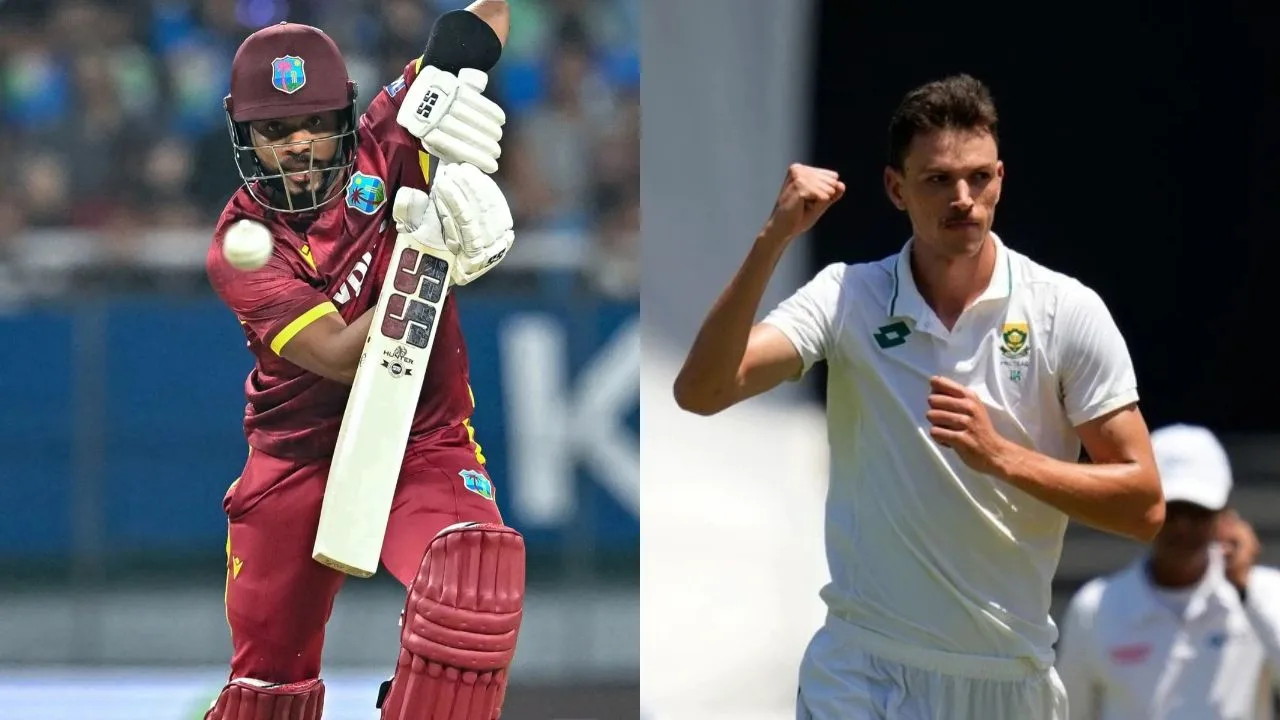
Marco Jansen beats Shai Hope to win ICC Player of the Month award
PSL 2027: RawalPindiz name Adam Voges as head coach ahead of new season

IPL 2027: Ares Management in talks to buy minority stake in KKR
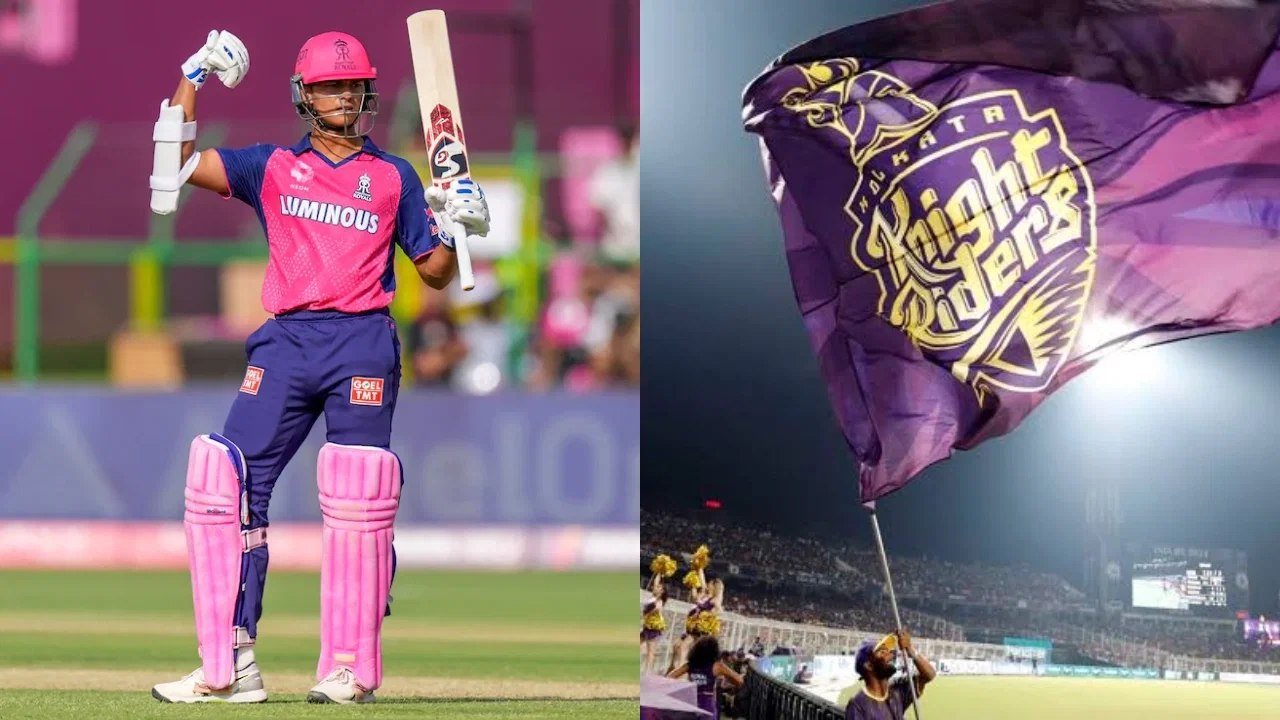
IPL 2027: KKR to sacrifice three players to sign Rajasthan Royals star Yashasvi Jaiswal
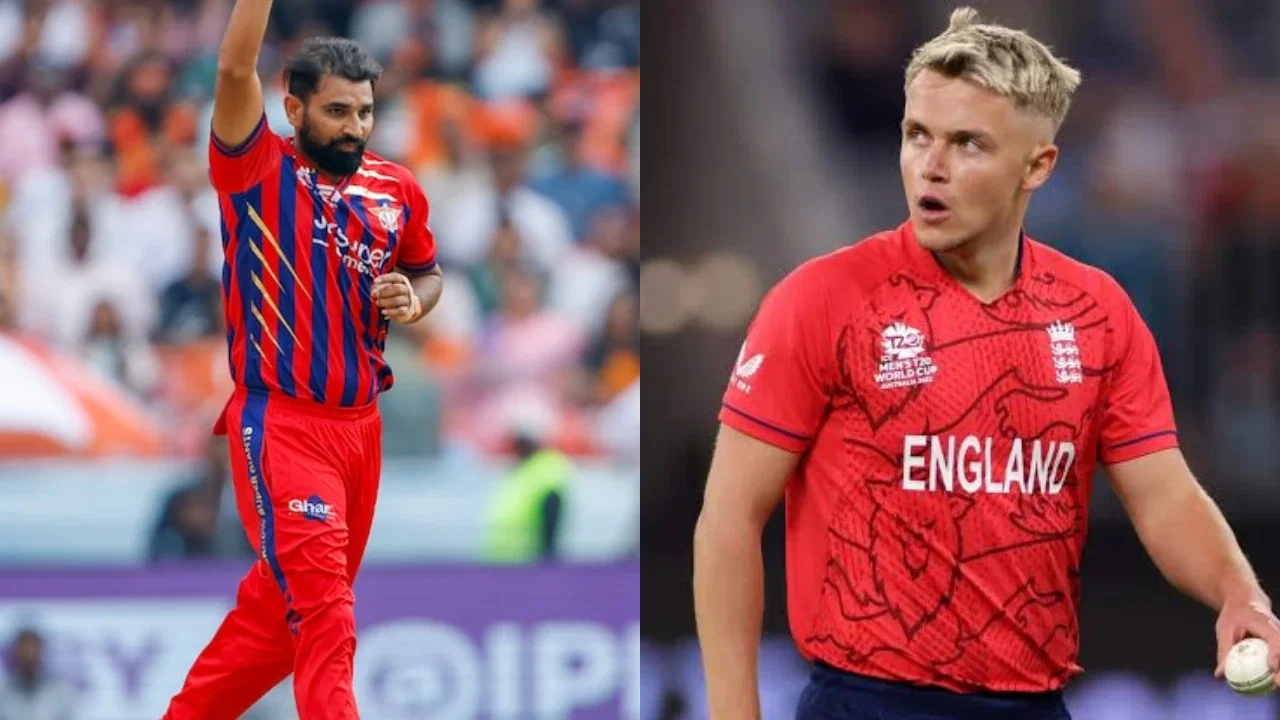
IPL 2027: Mohammed Shami and Sam Curran part of blockbuster trade between RR and LSG
Virat Kohli wins hearts with special gesture towards Matt Henry after India’s heavy defeat
ICC plans six global tournaments between 2032 and 2035, new cricket calendar to be discussed
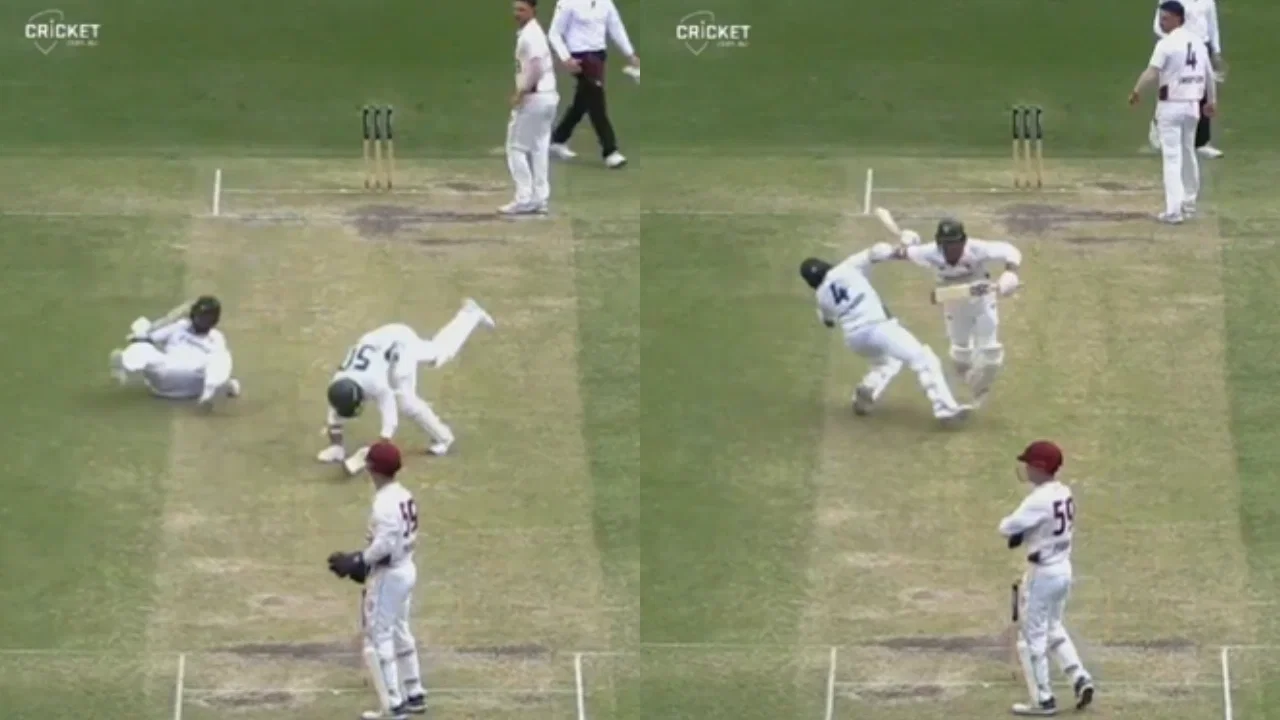
Watch: Nikhil Chaudhary and Matthew Kuhnemann involved in bizarre collision during Sheffield Shield match
WTC points table after Pakistan vs Sri Lanka 1st Test, 2026
‘Had there been a follow-on’: Sunil Gavaskar takes cheeky dig at India’s batting collapse in 4th ODI
‘Requires proper preparation’: Babar Azam turns down pink-ball Test idea after draw vs Sri Lanka
“You have to have evidence”: Pat Cummins hits back at Usman Khawaja’s racism allegation
List of Indian batters with most ODI ducks: Virat Kohli equals Sachin Tendulkar
India’s lowest ODI totals: Look at top 10 biggest batting collapses