

Matt Henry rules himself out of 5th ODI after dismantling India in Mount Maunganui
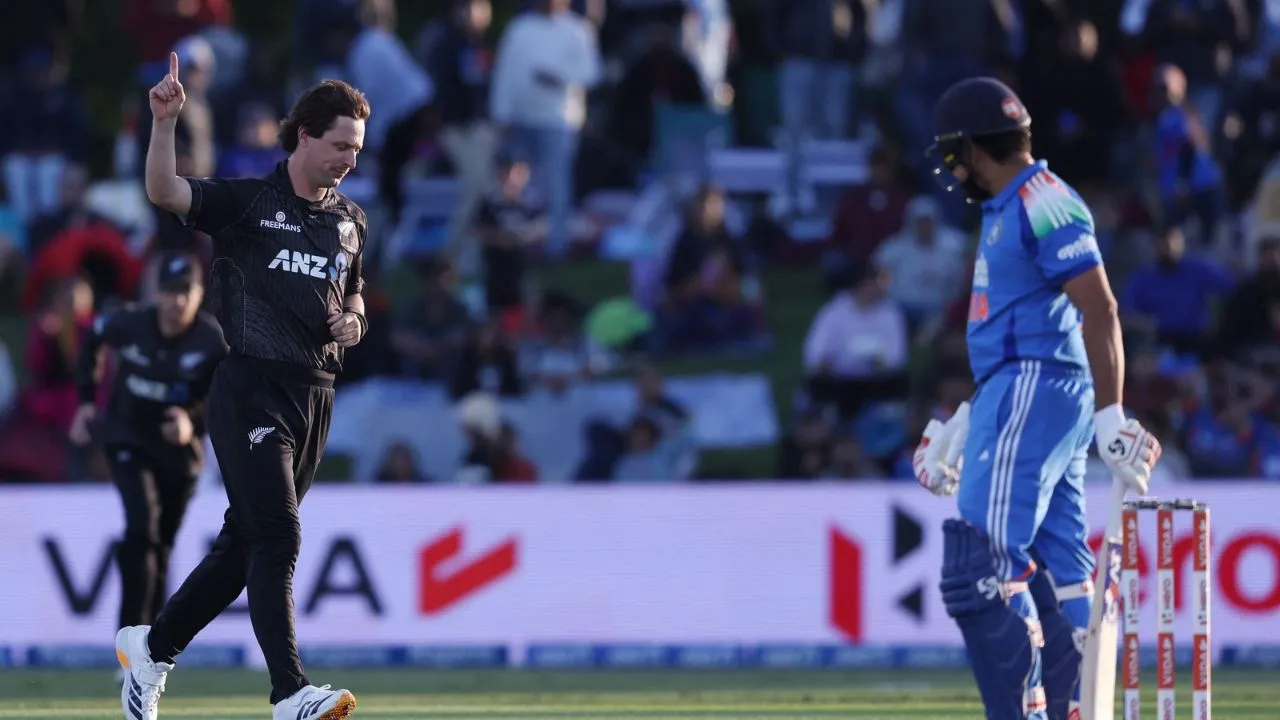
New Zealand Keep ODI Series Alive With 244-Run Win Over India
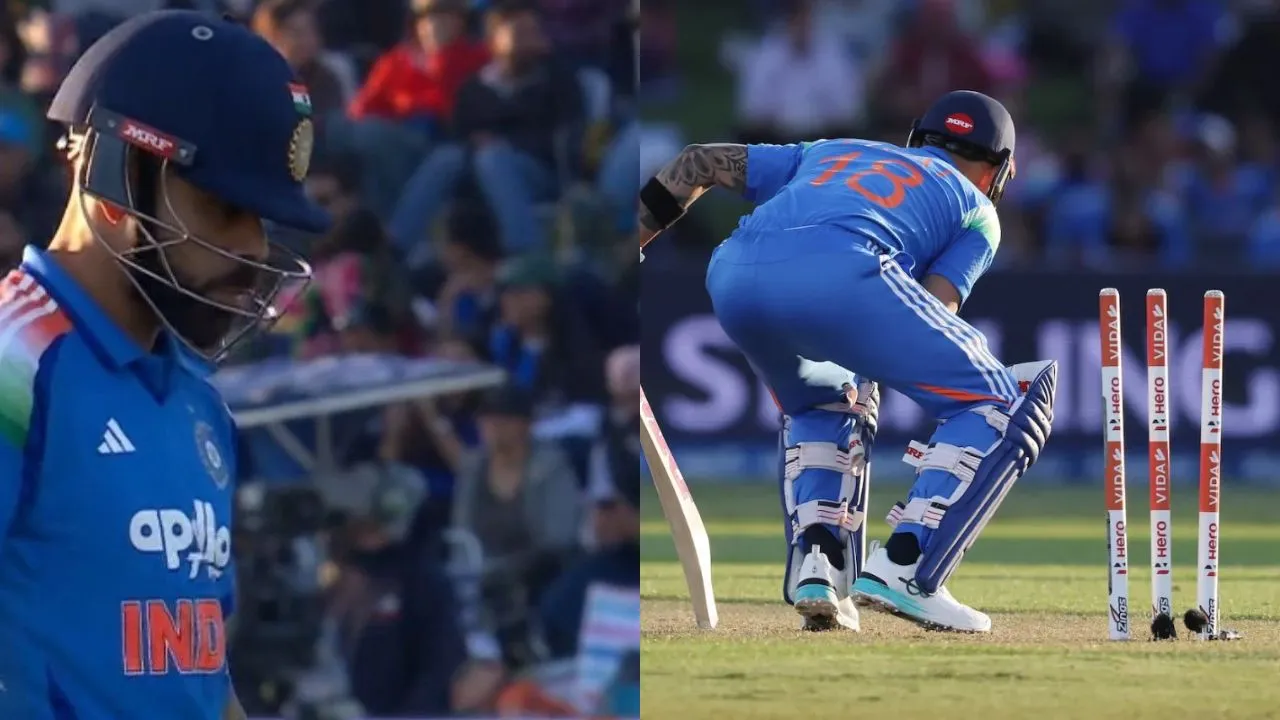
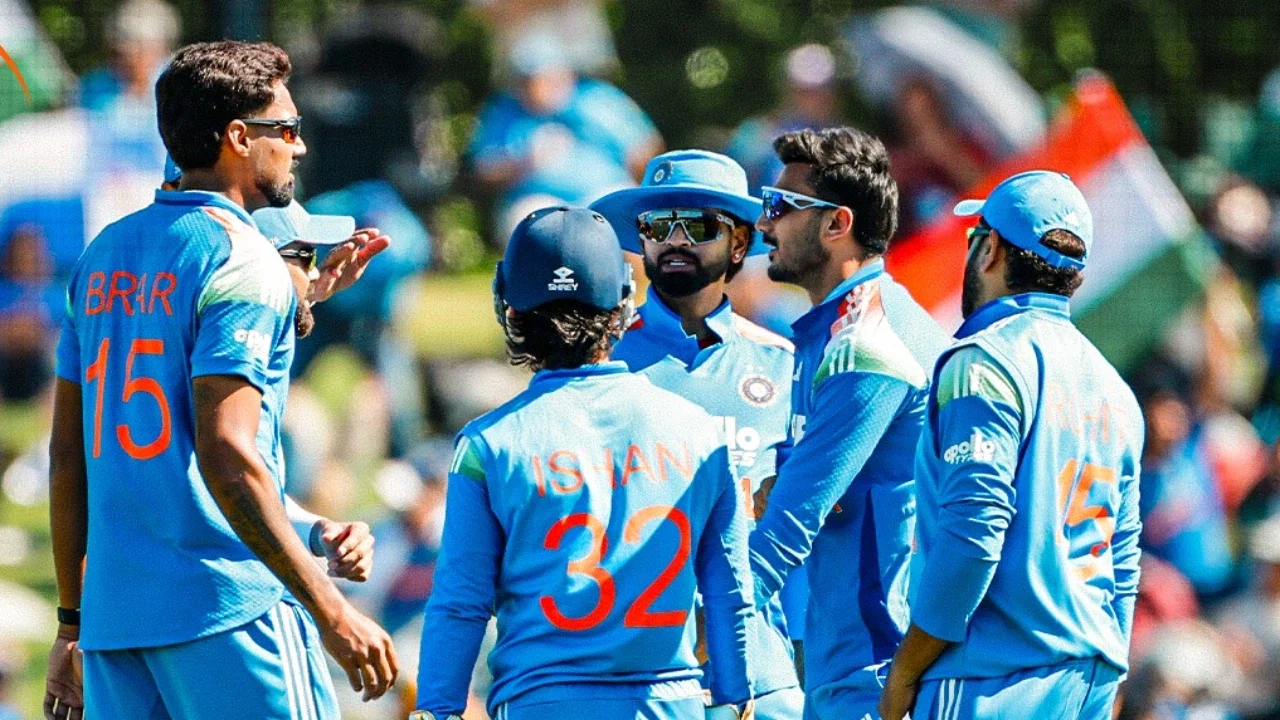
New Zealand delivered a commanding performance at Bay Oval in Mount Maunganui, defeating India by 244 runs in the fourth ODI and cutting the series deficit to 2-1. The emphatic victory gives the Black Caps a chance to level the series in Sunday’s final match, although India remain in control after building an early lead.
Fast bowler Matt Henry was named Player of the Match after making a decisive impact with the ball. His performance helped turn New Zealand’s substantial total into a daunting chase for India, whose innings never gathered enough momentum to threaten the target. The result also offered a timely boost for the hosts as they prepare for a demanding summer of international cricket.
Matt Henry to Miss the Fifth ODI as He Joins Test Preparations
Despite his standout display, Henry will not be available for the series finale. The experienced seamer is set to join New Zealand’s Test squad and begin preparations for the upcoming red-ball series, scheduled to start on November 19.
Speaking after the match, Henry explained that the next step is to get accustomed to the red ball and take part in the team’s training camp. “Join in with the Test squad. We’ve got a bit of a training camp, just get the red ball in hand and then just get ready for next week,” he said, as quoted by Cricbuzz.
Henry’s absence will be a significant consideration for New Zealand’s selection plans. His control, experience and ability to exploit movement make him a valuable option in one-day cricket. However, with the Test series approaching, managing his workload and ensuring he is ready for the longer format will be a priority. New Zealand will need another bowler to step up if they are to complete the comeback and draw the ODI series.
Comeback After Injury and Concussion
The fourth ODI marked an important return for Henry after a disrupted period. He had already been ruled out of the T20I series against India because of a low-grade tear in his right quadriceps. During his recovery, he suffered a concussion in a training-ground collision with teammate Devon Conway at Eden Park, forcing him to miss New Zealand’s first two matches of the ODI series.
Henry said he was pleased to be back playing, describing the year as an unusual one. “Great to be back. Obviously it’s been a funny, odd year. So, good to be back here with some one-day cricket,” he said.
He also acknowledged the collision with Conway, saying it was not an ideal setback and that he accepted some responsibility for the incident. Although the concussion delayed his return, Henry said he was grateful to be feeling well again. His comments underline the careful approach teams take after a head injury, when a player’s recovery must take precedence over a quick return to the field.
Workload Management a Priority for New Zealand
Henry stressed that managing his workload was essential after the concussion. A head knock requires particular caution, and the recovery process can affect a player’s schedule even when other injuries are improving. With a major home summer ahead, New Zealand will be keen to avoid rushing one of their leading fast bowlers back into action.
“Once you have a head knock like that, you just have to be really careful and it pushed things back a bit,” Henry said. He added that the fourth ODI was an important step as he looks ahead to the challenges of the coming weeks.
His decision to miss the final ODI reflects the balance international players must strike between competing in the present and preparing for upcoming commitments. For New Zealand, the immediate question is whether the attack can maintain its intensity without him. For Henry, the focus now shifts to building rhythm with the red ball and entering the Test series in the best possible condition.
Henry Reflects on His Three-Wicket Maiden
Henry’s influence in the fourth ODI was highlighted by a remarkable three-wicket maiden over. He described the spell as a mixture of a straightforward plan and fortunate conditions, noting that the strong wind played a role in shaping the delivery and the batters’ responses.
“The wind was so strong and it was keeping things pretty simple,” he said. Henry also joked that the conditions may have pushed him slightly off line, while one shot did not quite carry as expected. His modest explanation belied the importance of the over: taking three wickets without conceding a run can quickly transform a match, especially when a team is already under pressure chasing a large total.
What the Result Means for the Series
New Zealand’s 244-run victory keeps the contest alive, but the series situation still favours India. The third match was washed out, limiting the number of remaining opportunities for either side to change the overall outcome. A New Zealand win in the fifth ODI would draw the series, while India can protect their advantage by avoiding defeat in the finale.
The final match therefore carries different pressures for the two teams. New Zealand will be looking to build on the confidence gained at Bay Oval, while India will want a more disciplined response after a heavy loss. The hosts must also adjust to Henry’s absence, making team selection and the performance of their remaining bowlers key factors in any pre-match prediction.
For fans, the final ODI offers a compelling finish: New Zealand have momentum after a dominant display, but India have the opportunity to close out the series. Henry’s return to form is a major positive for the home side, even if his next assignment will be in Test cricket rather than the one-day finale.
Latest News
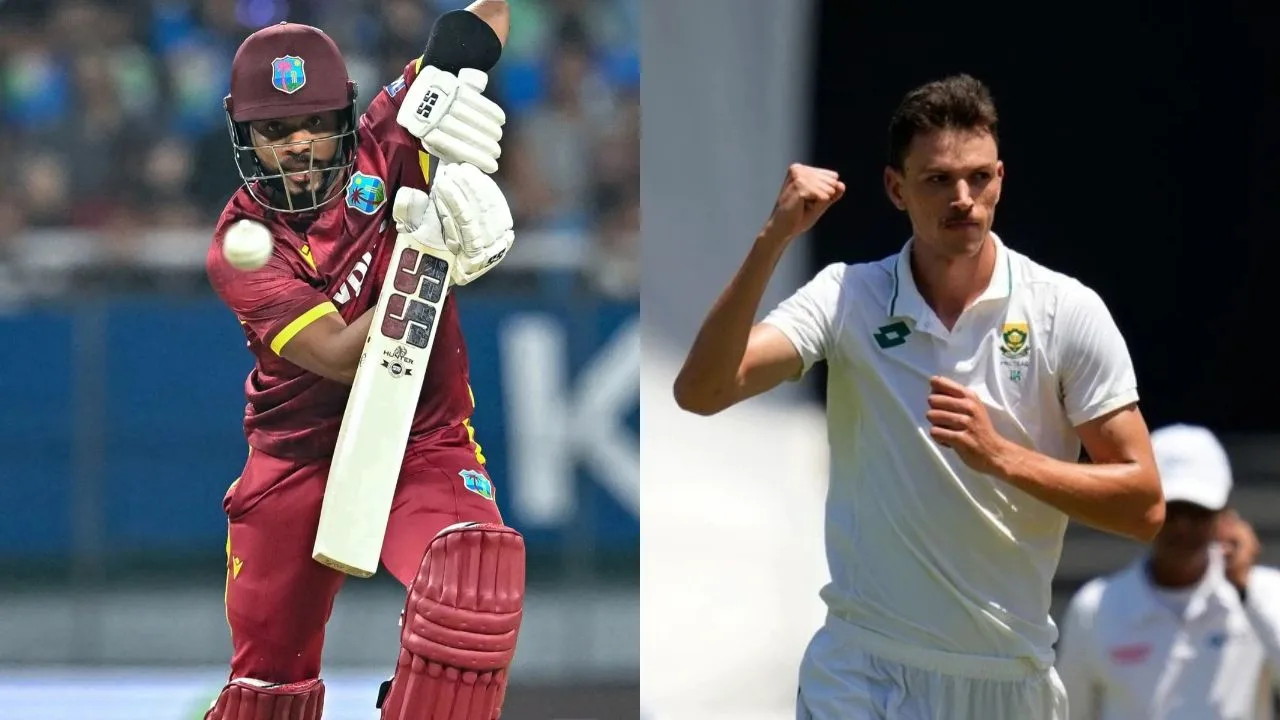
Marco Jansen beats Shai Hope to win ICC Player of the Month award
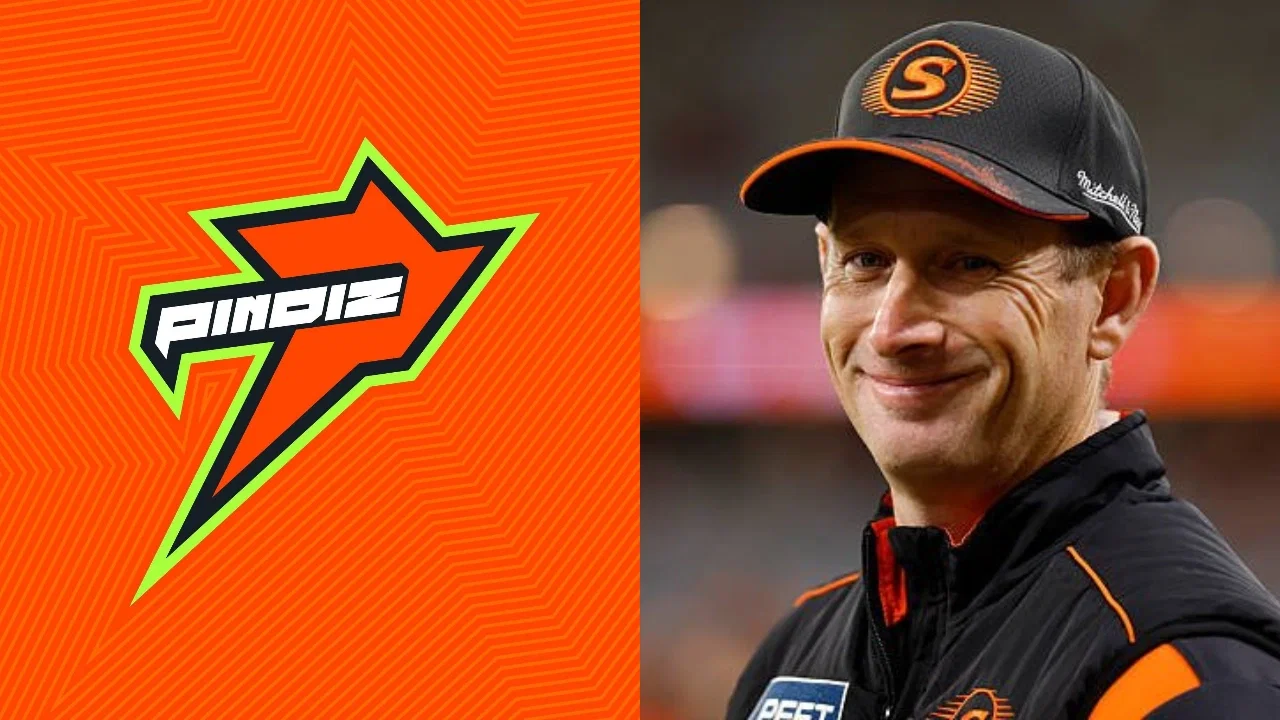
PSL 2027: RawalPindiz name Adam Voges as head coach ahead of new season

IPL 2027: Ares Management in talks to buy minority stake in KKR
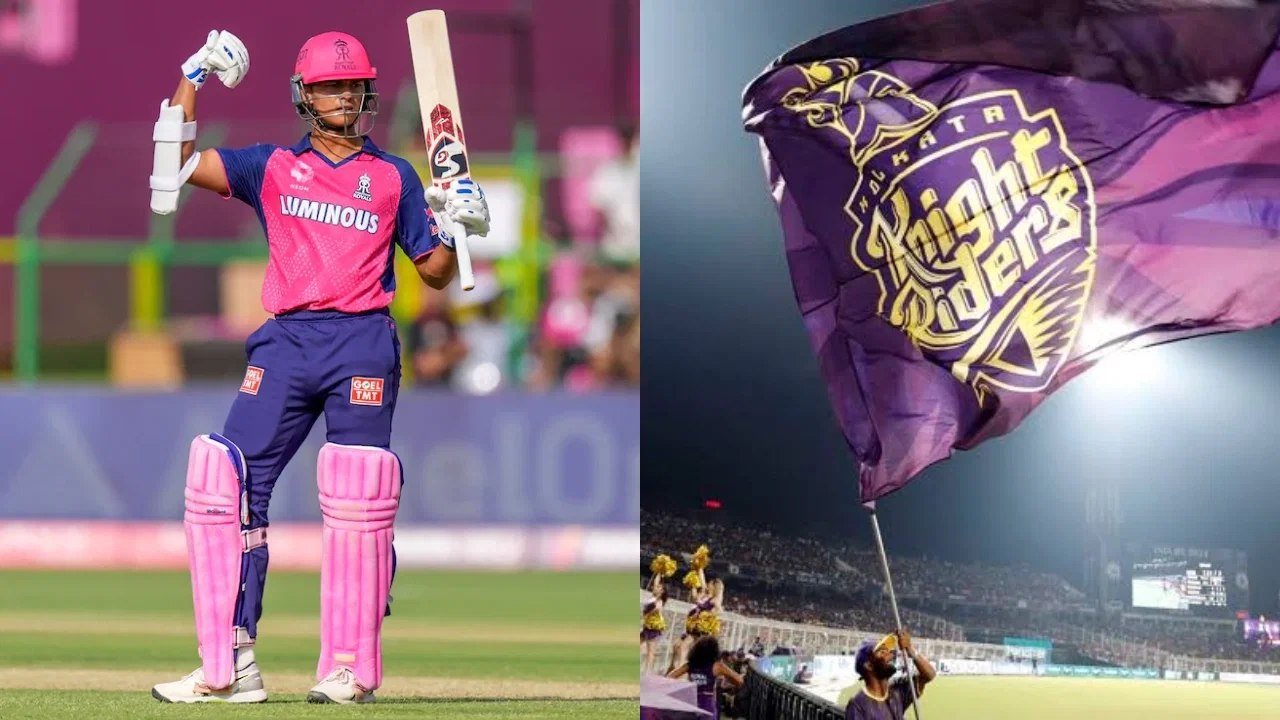
IPL 2027: KKR to sacrifice three players to sign Rajasthan Royals star Yashasvi Jaiswal
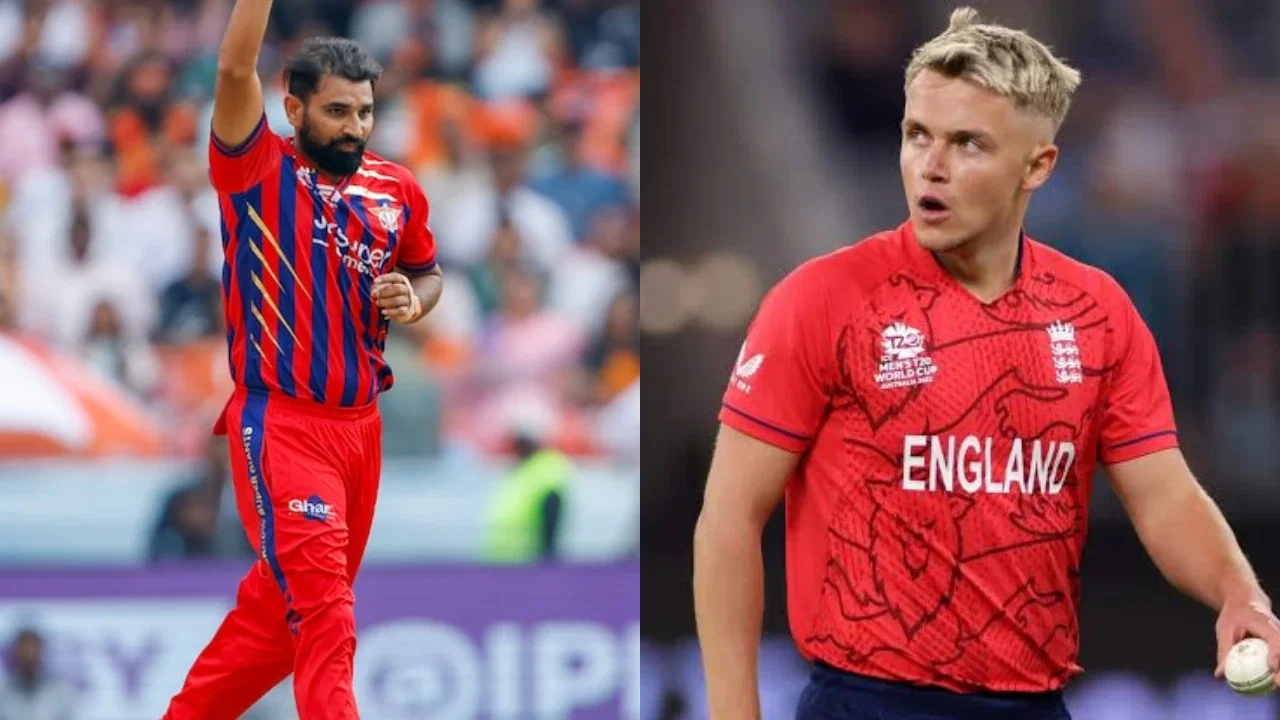
IPL 2027: Mohammed Shami and Sam Curran part of blockbuster trade between RR and LSG
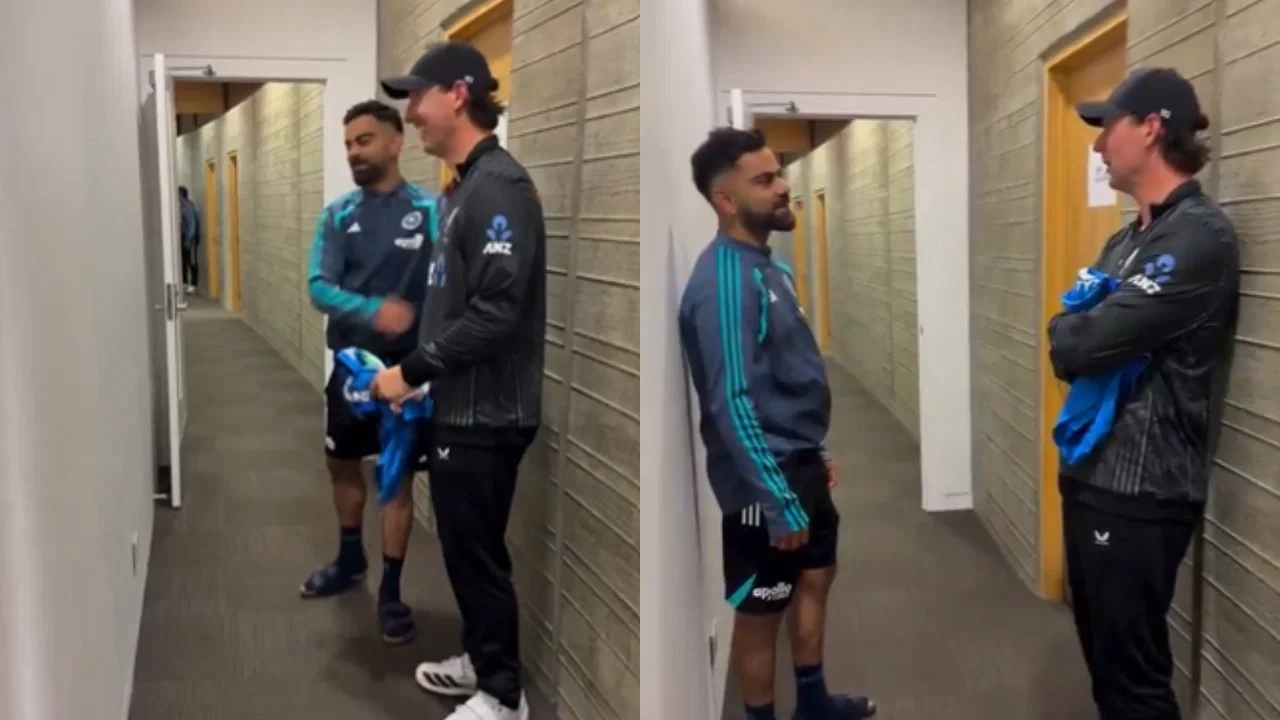
Virat Kohli wins hearts with special gesture towards Matt Henry after India’s heavy defeat
ICC plans six global tournaments between 2032 and 2035, new cricket calendar to be discussed
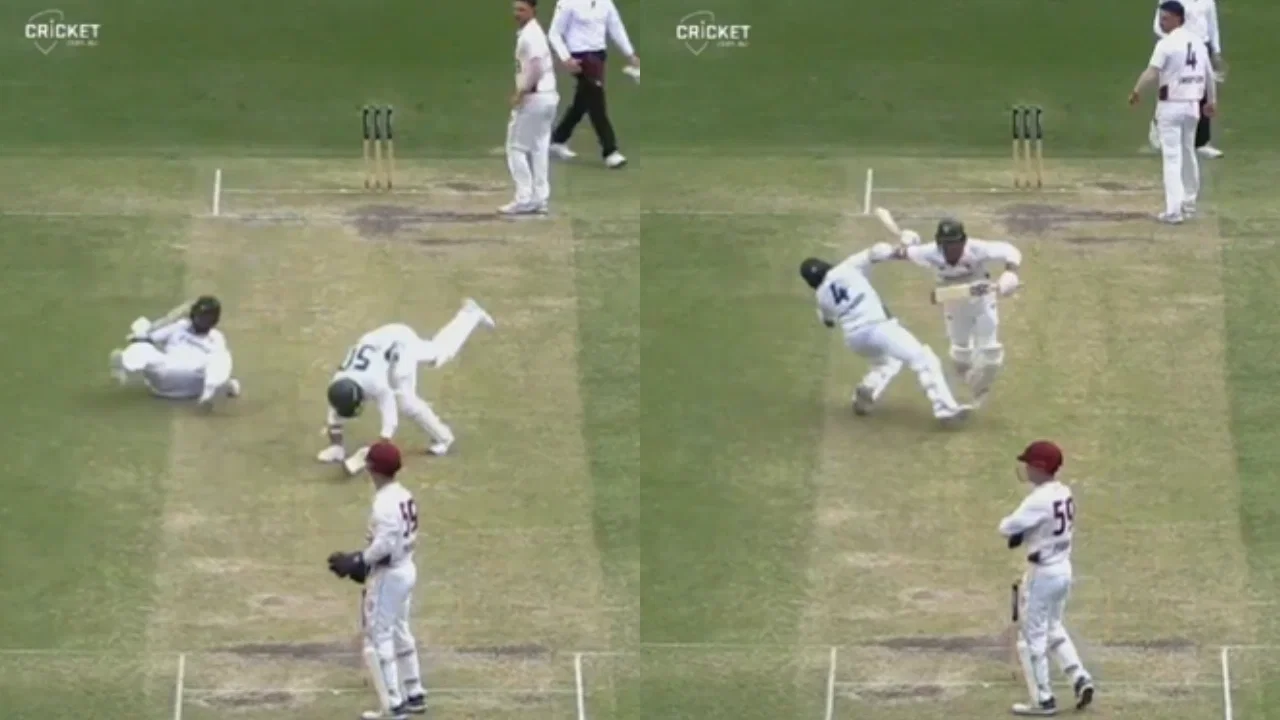
Watch: Nikhil Chaudhary and Matthew Kuhnemann involved in bizarre collision during Sheffield Shield match
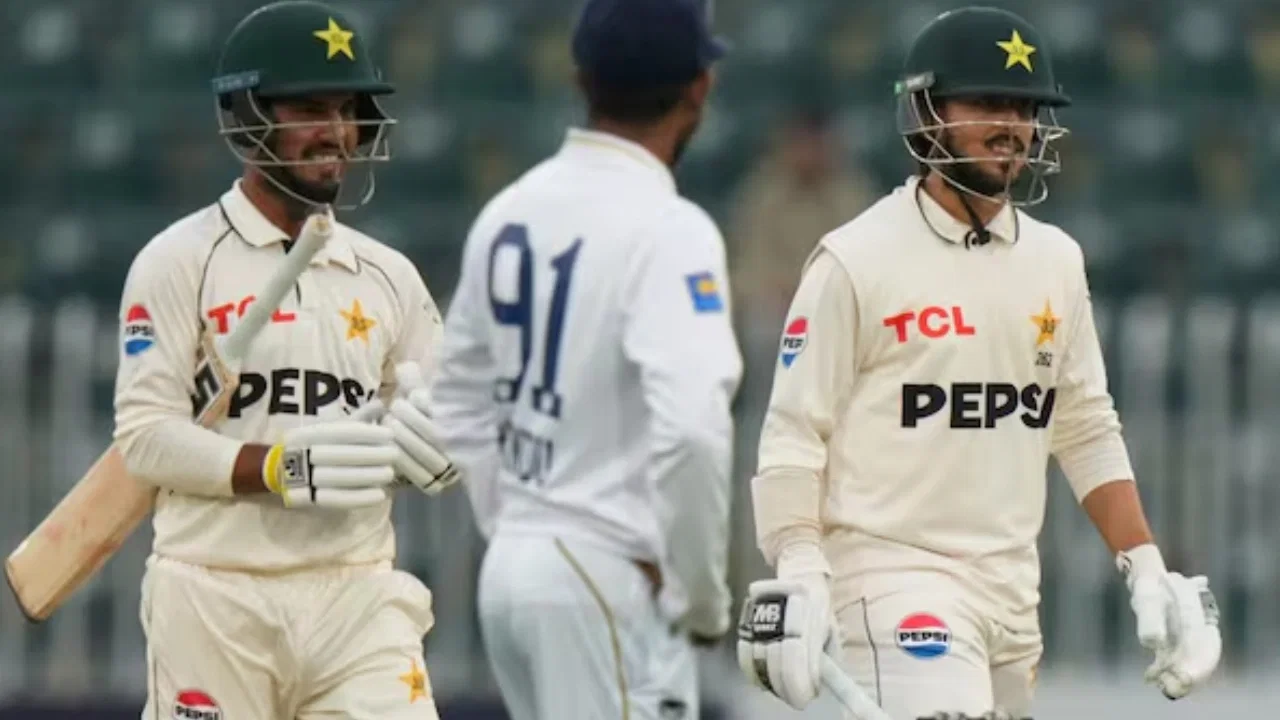
WTC points table after Pakistan vs Sri Lanka 1st Test, 2026
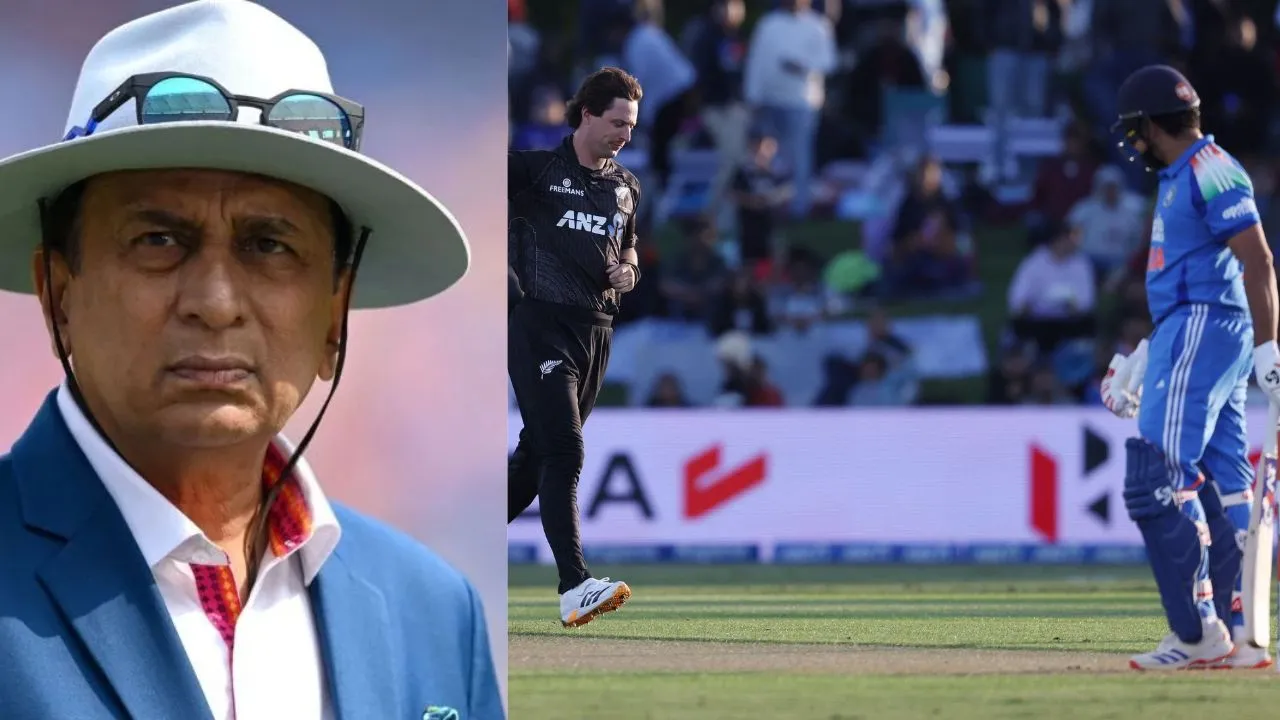
‘Had there been a follow-on’: Sunil Gavaskar takes cheeky dig at India’s batting collapse in 4th ODI
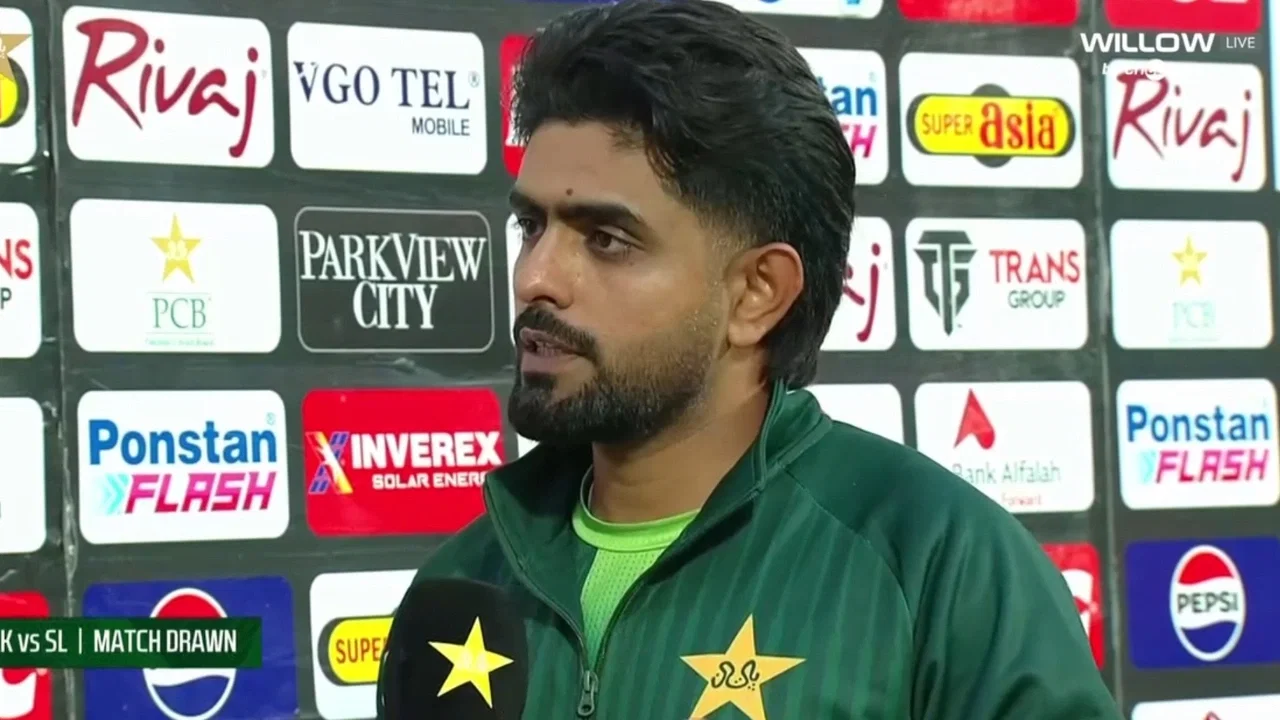
‘Requires proper preparation’: Babar Azam turns down pink-ball Test idea after draw vs Sri Lanka
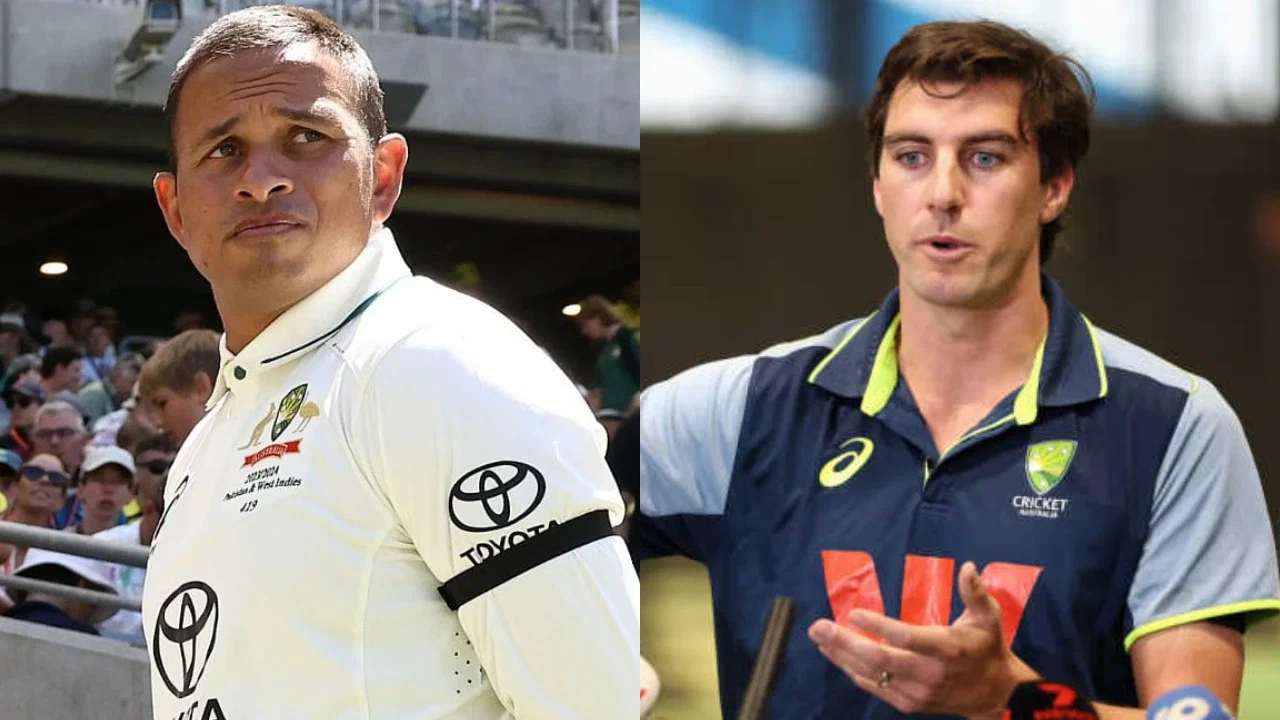
“You have to have evidence”: Pat Cummins hits back at Usman Khawaja’s racism allegation
List of Indian batters with most ODI ducks: Virat Kohli equals Sachin Tendulkar
India’s lowest ODI totals: Look at top 10 biggest batting collapses

