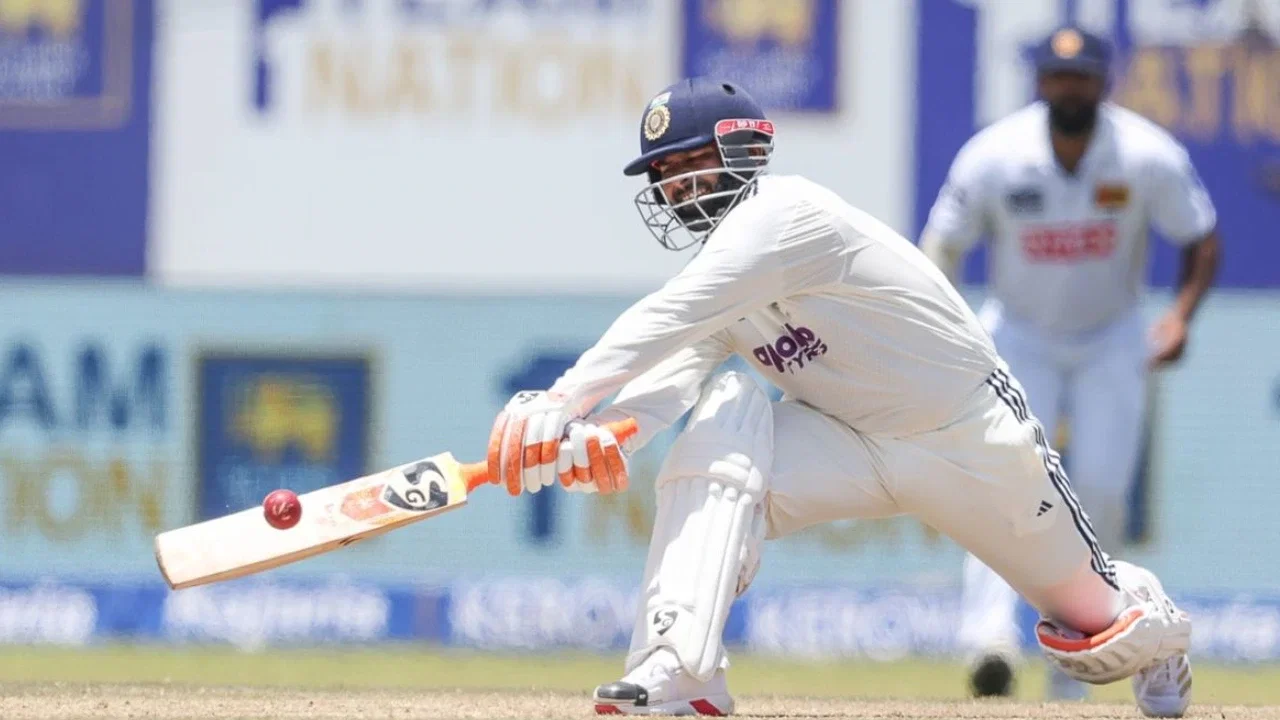
Hanuma Vihari sounds alarm over India’s bowling after 3rd ODI loss against West Indies
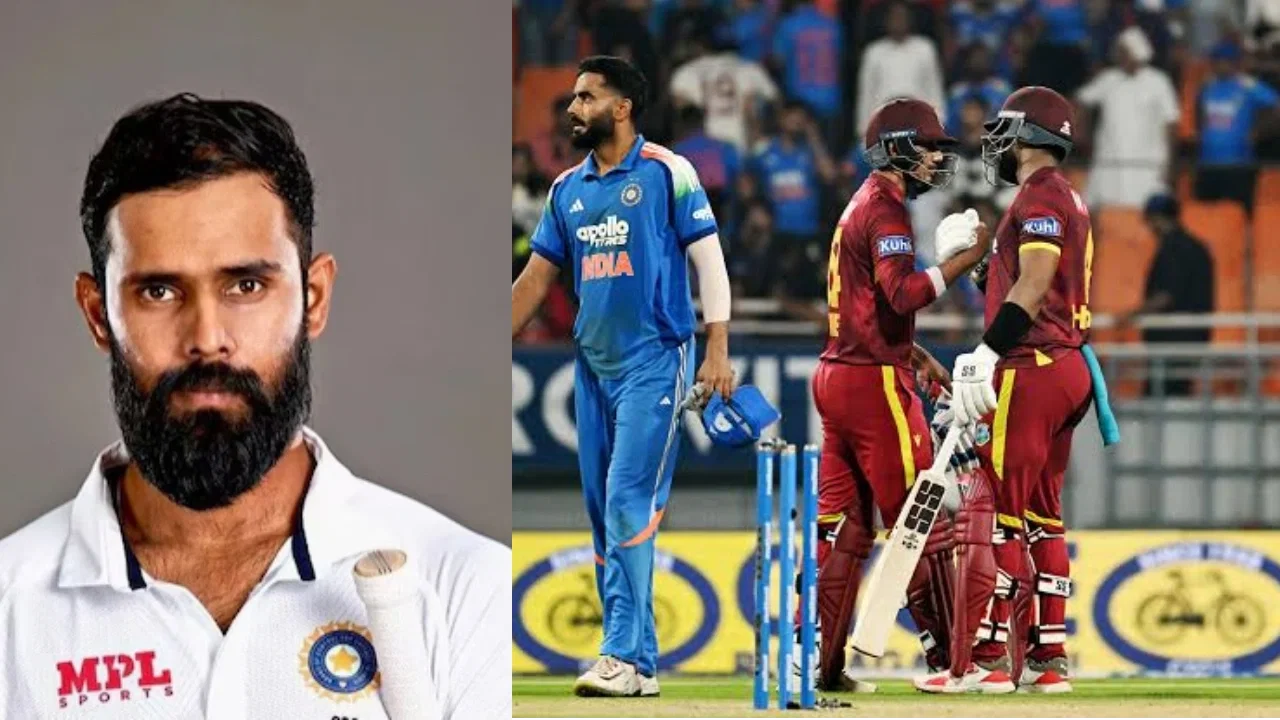
Prediction and Analysis: Hanuma Vihari’s Insight into India’s Bowling Woes After West Indies Series Loss
In a recent development that has sent ripples through cricketing circles, former Indian cricketer Hanuma Vihari has voiced critical concerns about the current state of India’s bowling attack following their defeat in the third ODI against the West Indies in New Chandigarh. Despite securing the series win, the Indian team missed the golden opportunity to complete a clean sweep, succumbing to a thrilling chase led by Shai Hope’s match-winning century. Vihari’s candid assessment, shared through his popular YouTube channel, raises pertinent questions about the team’s bowling strategies, talent pool, and preparation ahead of major tournaments like the 2027 ODI World Cup.
India’s Series Win Marred by Defensive Failures: A Wake-up Call?
The three-match series, which India ultimately clinched 2-1, was expected to serve as a confidence booster. However, the narrow loss in the final game exposed vulnerabilities that could have long-term repercussions. The hosts, who posted a formidable total of 350+ runs, failed to defend their score — a rare occurrence for a team renowned for its potent bowling lineup. The defeat, especially in a match where the Indian batsmen had set a competitive target, has prompted critics like Vihari to predict a looming challenge for India in upcoming international tournaments.
“We could not defend 350. Is this not a wake-up call?” Vihari questioned in his analysis. “This is a big blow. Such instances are rare for India, and it signals that the team could be going backwards. The bowling attack, in particular, needs serious assessment. They conceded 405 runs in the previous match, which indicates systemic issues.”
This statement underscores the importance of not only individual performances but also the collective effort required to maintain consistency in high-pressure situations. The prediction here hints at a possible strategic overhaul or at least a reassessment of current bowling options to ensure better resilience in future matches.
Dissecting the Bowling Attack: Who’s Falling Short?
Vihari’s detailed critique of the Indian bowlers reveals a nuanced understanding of the team’s current predicament. While some bowlers showed promise, none were able to perform at their peak, exposing the team’s fragility in defending large totals.
Performance Ratings of Indian Bowlers
“Gurnoor was okay, but there are fitness concerns with him,” Vihari noted. “Nitish was also decent, but not enough. Siraj was decent; however, I wouldn’t rate his performance as world-class. Kuldeep Yadav, who’s usually a key player, looked a bit off color. Naman, too, bowled decently, but with only five bowlers in the attack, defending 350+ runs becomes a challenge.”
According to Vihari, the absence of star bowlers Jasprit Bumrah and Hardik Pandya has been felt acutely. Their absence has left a gap in the team’s bowling arsenal, forcing the management to experiment with new options that currently lack the consistency required for international success.
The Role of Backup Bowlers and Emerging Talents
Vihari was particularly critical of the backup bowlers like Anshul Kamboj, suggesting that they are still finding their footing at the highest level. “Kamboj bowled at a better pace, which was good to see, but there’s still a long way to go,” he said. “Prasidh Krishna is expected to become a regular feature in the playing XI, and I believe he will be given more opportunities.”
He also mentioned that the team is trying different options, including Gurnoor, Auqib, and Nitish. “Siraj is returning to the side, and they’re exploring other young talents to fill the gaps. But it’s not an ideal situation to be in just a year before the World Cup,” Vihari added, emphasizing the urgency of stabilizing the bowling attack.
Implications for Future Predictions and Team Strategy
The insights shared by Vihari serve as a warning and a prediction for Indian cricket’s future trajectory. His assessment suggests that unless the team management addresses these bowling deficiencies, India may struggle to defend large totals against high-caliber teams, especially in knockout stages of global tournaments.
From a strategic perspective, the prediction is clear: India needs to invest in grooming emerging bowlers, enhance fitness levels, and perhaps re-evaluate their bowling combinations. The focus should be on building a versatile attack capable of adapting to different pitch conditions and match situations.
What Does This Mean for the 2027 ODI World Cup?
As India gears up for the 2027 ODI World Cup, this series loss and the associated bowling concerns serve as a crucial warning sign. Vihari’s prediction underscores that the team’s current trajectory could jeopardize their chances of lifting the trophy if these issues are not addressed promptly.
Experts believe that the upcoming months will be decisive for the team’s strategic planning. The prediction is that India must focus on nurturing young talent, improving tactical bowling, and ensuring that star players like Bumrah and Pandya are fit and firing. The pathway to success in global tournaments hinges on a balanced, well-rounded attack that can withstand pressure and adapt to diverse conditions.
Conclusion: A Call for Reflection and Reinvention
Hanuma Vihari’s candid critique and prediction about India’s bowling attack highlight the ongoing challenges faced by one of cricket’s powerhouse teams. While the series victory is commendable, the defeat in the final game reveals underlying issues that could threaten future ambitions.
As cricket fans and analysts digest these insights, the message is clear: India’s journey toward World Cup glory requires introspection, strategic reinvention, and a commitment to developing the next generation of fast and spin bowlers. The prediction here is not just about this series but about the broader vision for Indian cricket — a vision that aspires to maintain dominance and achieve sustained success on the global stage.
Stay tuned for more updates and expert analyses as India prepares to tackle upcoming international challenges with renewed focus and strategic planning.
Latest News
Ashutosh Sharma leaves Railways, joins Gujarat ahead of 2026-27 domestic season
Mohsin Naqvi humiliated as WCL rejects PCB’s apology, handshake demand from Indian players
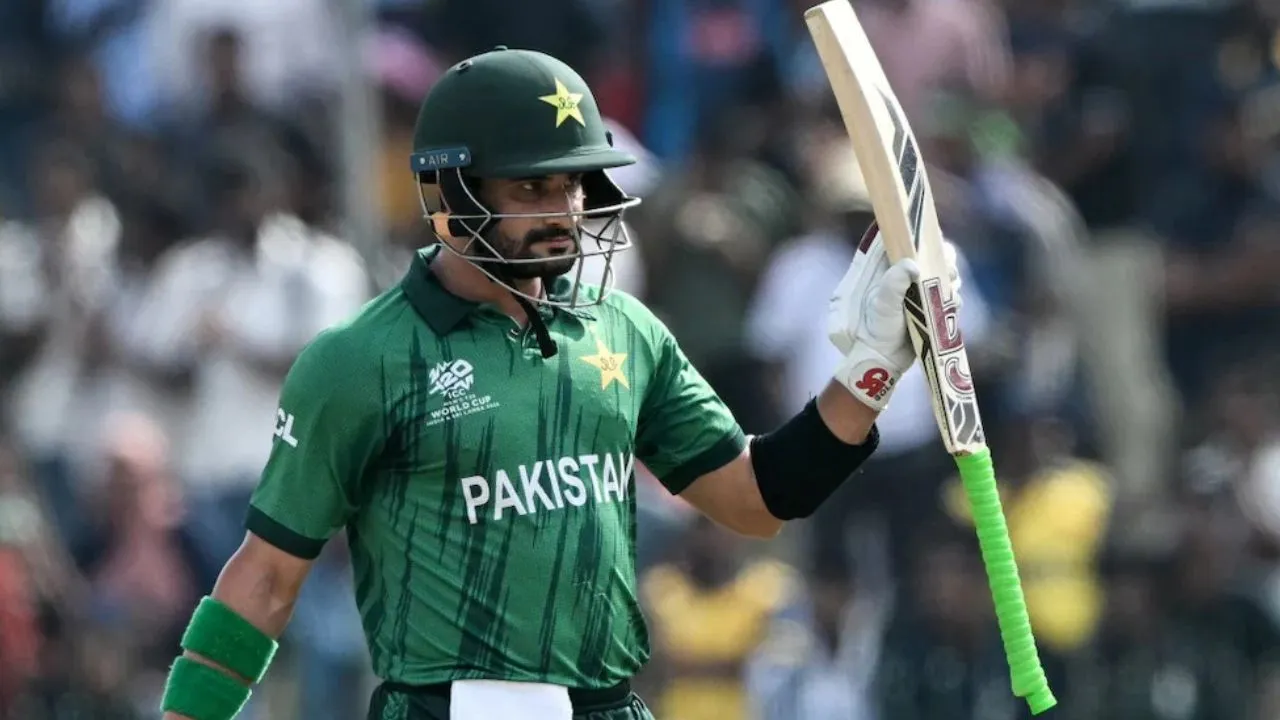
Sahibzada Farhan named as Pakistan captain, India basher included in ODIs and T20Is
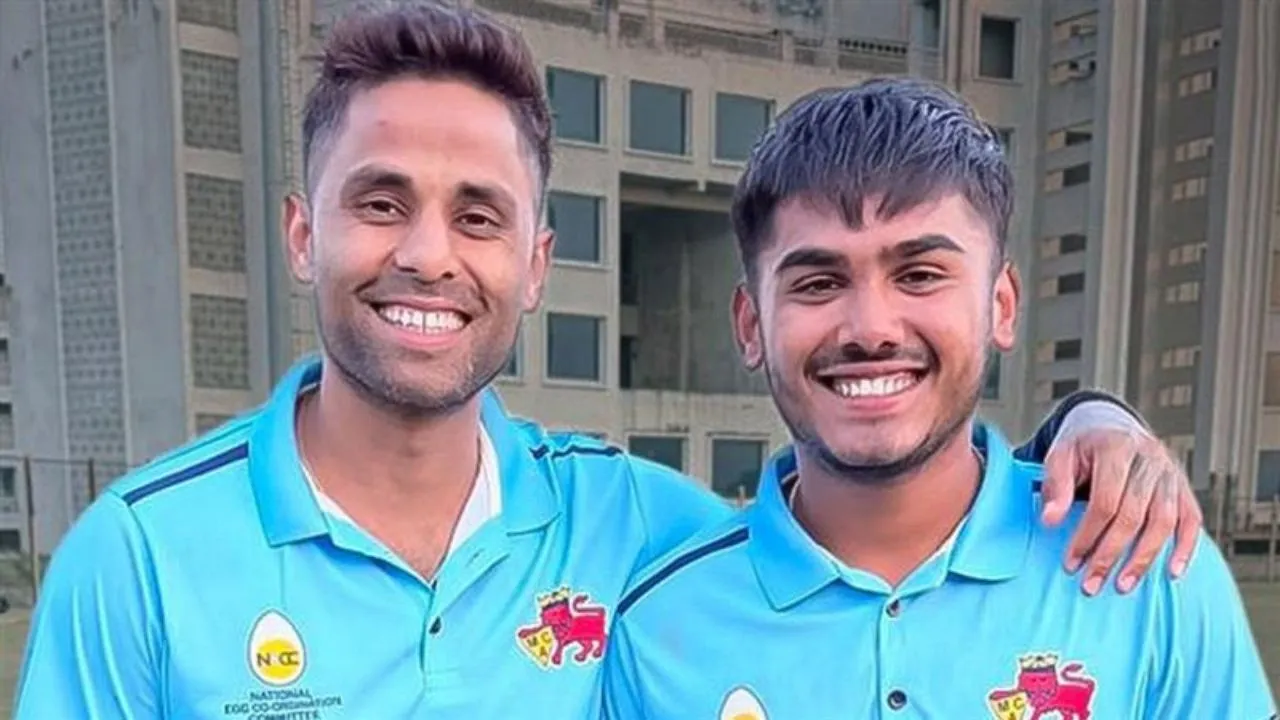
Mumbai name Ranji Trophy squad without Suryakumar Yadav, Ayush Mhatre gets leadership role

BCCI takes control of Bihar team selection, appoints special panel ahead of Ranji Trophy 2026-27
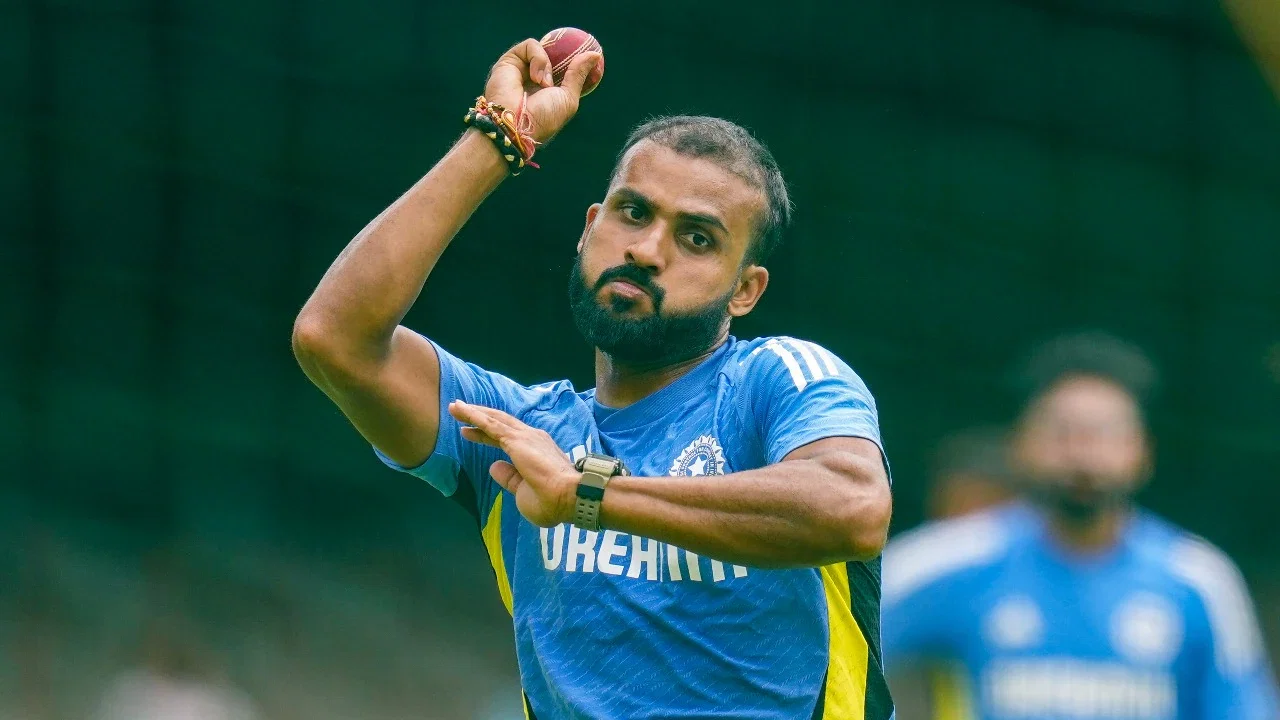
‘My career could last longer’: Akash Deep opens up on injury, workload management
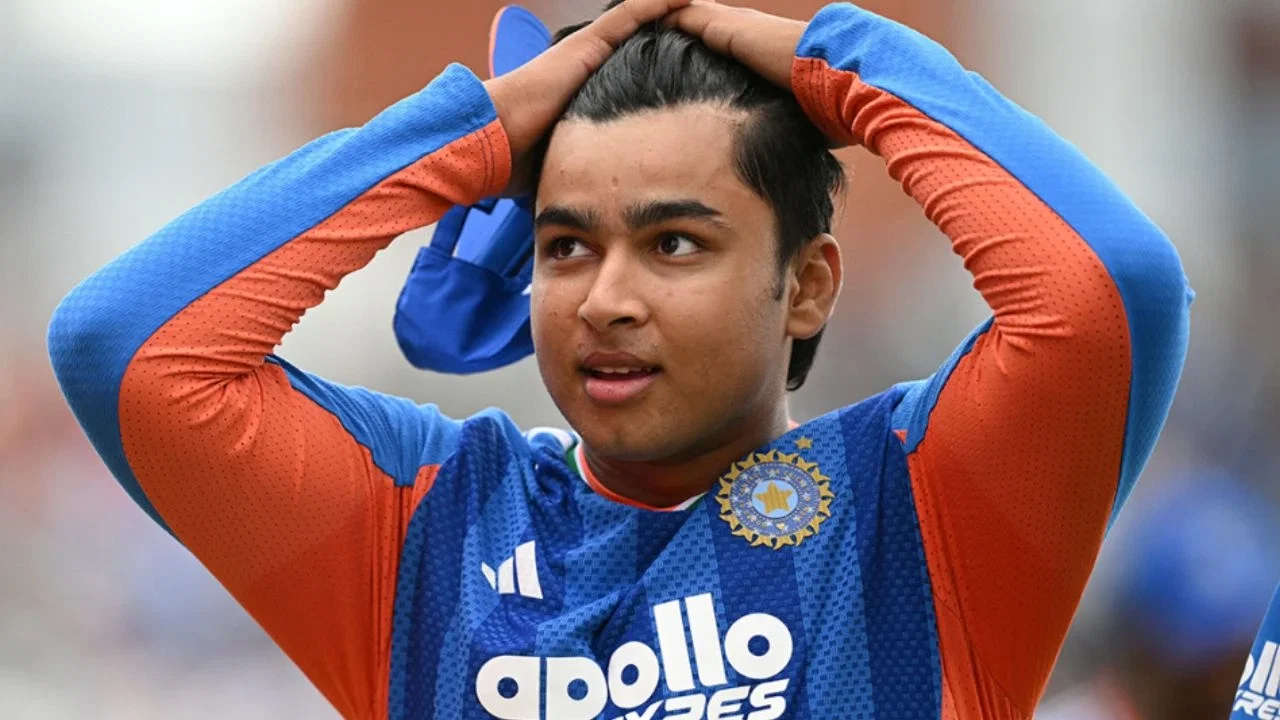
India coach reveals India’s plan for Vaibhav Sooryavanshi ahead of West Indies T20I
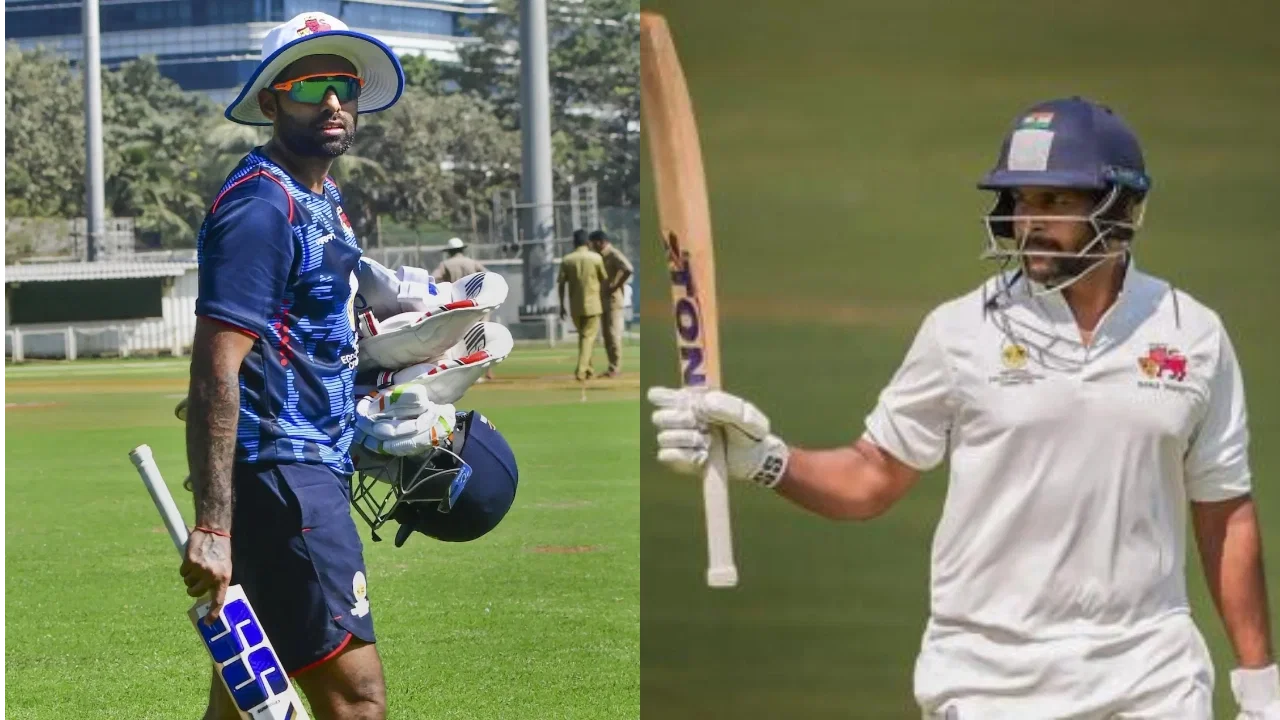
Revealed: Why Suryakumar Yadav and Shardul Thakur were excluded from Mumbai’s Ranji Trophy squad
ICC forced to shelve World Club Championship after India, Australia and England object
India vs Pakistan battle for Bangladesh ODI series in January 2027
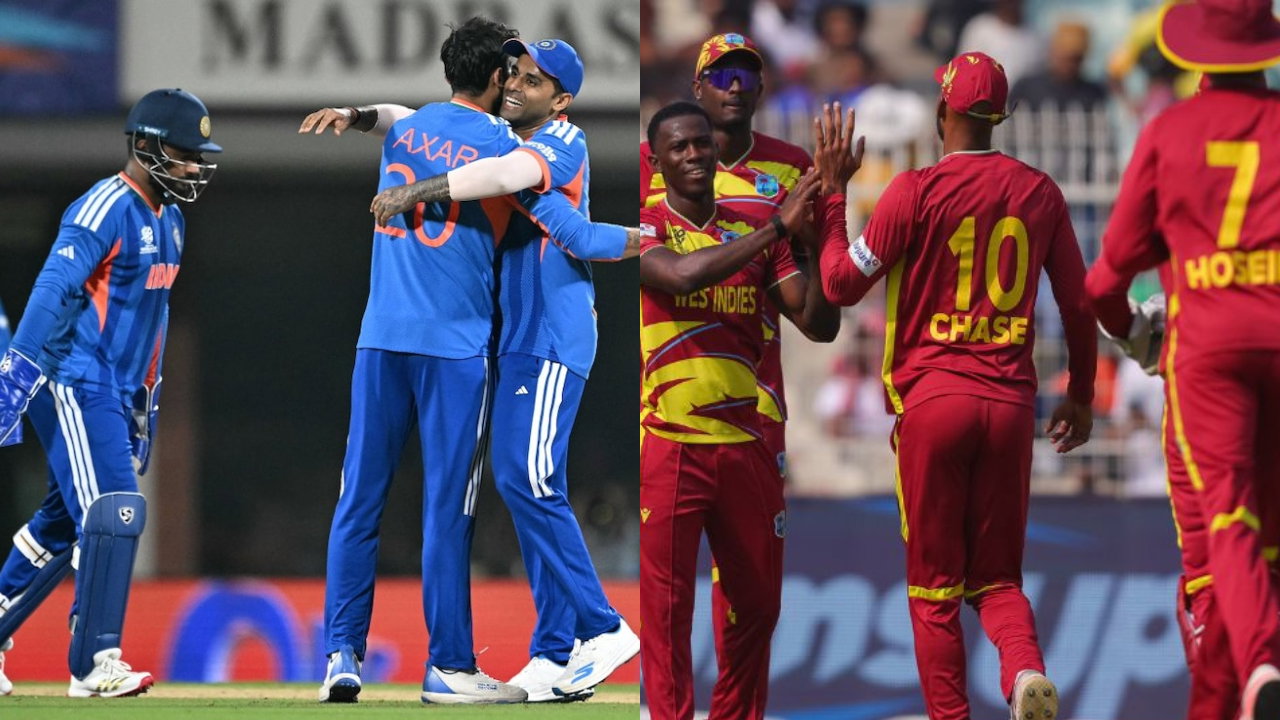
India to tour West Indies ahead of 2027 ODI World Cup: Report
IND vs WI Playing 11 Today, Live Streaming, Pitch & Weather: India vs West Indies 1st T20I, 2026
Hardik Pandya’s IPL 2027 trade saga takes new turn as franchise shows fresh interest
Gautam Gambhir reveals what he told Vaibhav Sooryavanshi over his axing