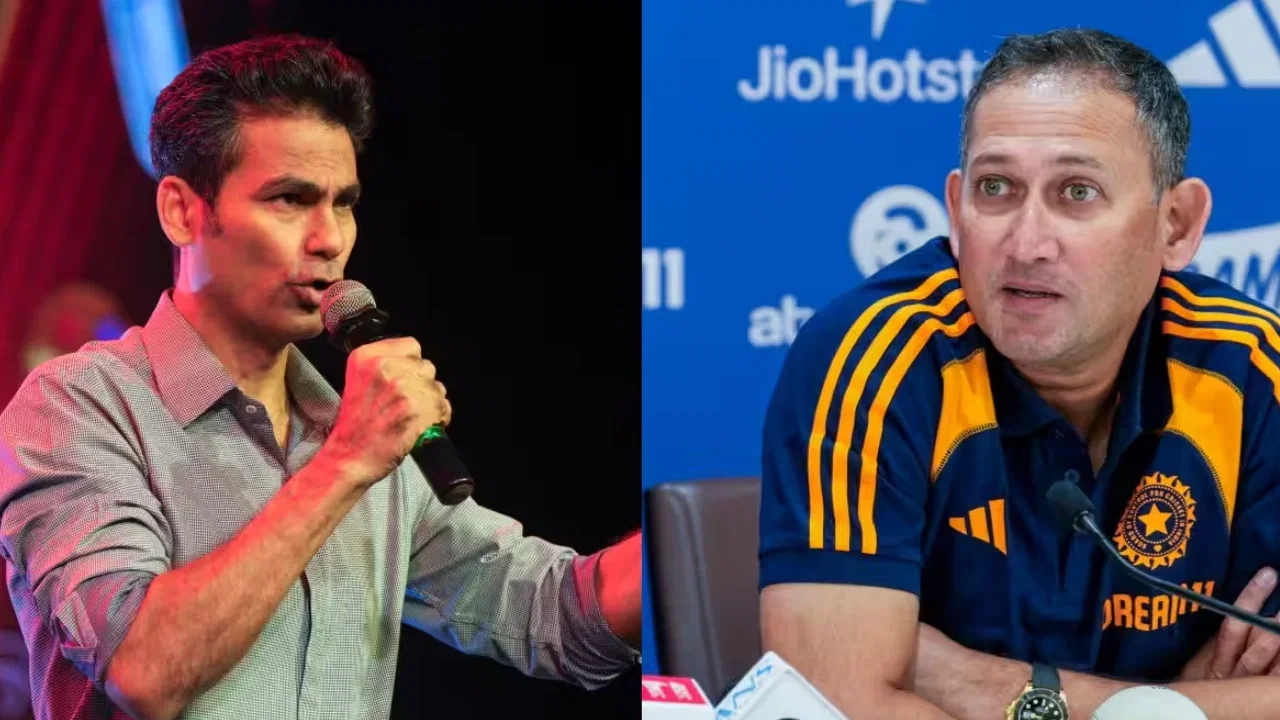
“He should be an integral part”: Dilip Vengsarkar backs Mohammed Shami for India return
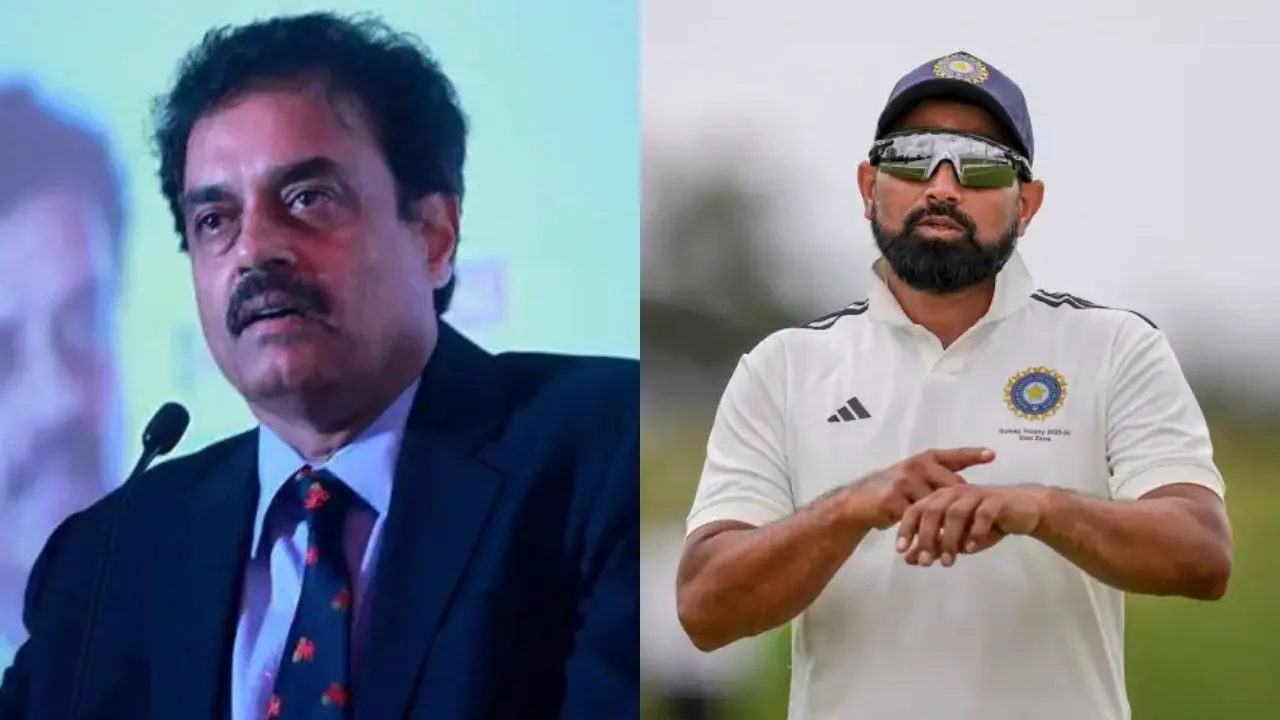
Prediction: Will Mohammed Shami Make a Comeback to the Indian Test Squad?
For cricket fans and analysts alike, the question of Mohammed Shami’s exclusion from the Indian national team continues to be a hot topic. Despite his impressive performances in domestic cricket and the Indian Premier League (IPL), the seasoned fast bowler has been absent from the national setup since the ICC Champions Trophy 2025 final. As the cricketing fraternity speculates about his future, a prominent voice in Indian cricket—former captain Dilip Vengsarkar—has publicly expressed his belief that Shami’s exclusion is unwarranted and that he should be a part of India’s Test squad for upcoming series, particularly against New Zealand.
Current Status: Mohammed Shami’s Absence and the Selection Dilemma
The Board of Control for Cricket in India (BCCI) officially announced the squads for the upcoming ODI and T20I series against the West Indies. Notably, Mohammed Shami’s name was once again missing from the list. The decision has raised eyebrows, especially considering Shami’s consistent domestic and international performances over recent years. The selectors, led by Chairman Ajit Agarkar, have seemingly overlooked the veteran pace bowler, despite his proven track record and match-winning capabilities.
In an exclusive interview with RevSportz, Dilip Vengsarkar openly questioned this decision, expressing his confusion and frustration. “I don’t know why he (Mohammed Shami) has been sidelined, to be honest with you,” Vengsarkar remarked. “He has done extremely well in domestic cricket as well as international cricket. He is a very good bowler, and he should be an integral part of the Indian team.”
The Case for Shami: Experience, Form, and Fitness
Shami’s absence from the team appears even more perplexing when considering his recent performances. In domestic cricket, especially during the IPL, Shami has maintained high standards, consistently showcasing his skill, pace, and ability to strike crucial blows. His experience in international cricket, including key spells in high-pressure situations, makes him a valuable asset for India’s Test lineup.
Vengsarkar emphasized that, in his view, the more a player bowls, the fitter and sharper they become. He expressed skepticism towards the current workload management strategies, arguing that continuous match practice is essential for maintaining peak performance. “If you want to be effective and match-fit, you have to play matches. You have to bowl in the nets as much as possible,” he said. This perspective underscores the importance of consistent match exposure for seasoned bowlers like Shami, especially when preparing for demanding overseas series.
Prediction: Shami’s Potential Inclusion in the New Zealand Series
Looking ahead, cricket experts widely predict that Mohammed Shami could be a strong candidate for the upcoming Test series against New Zealand. The Indian team management has historically valued his ability to swing the ball, generate pace, and take crucial wickets in overseas conditions. Given the current squad composition and the need for experienced fast bowlers, many believe that a resurgence of Shami in the Test team is imminent, pending selectors’ final decision.
Adding to the debate, Vengsarkar highlighted the importance of selecting players based on recent form and performances in domestic cricket. He pointed out that Auqib Nabi, a Jammu and Kashmir pacer, has been in excellent form, helping his team clinch their maiden Ranji Trophy title. Nabi’s impressive wicket tally—over 100 wickets in just two seasons—marks him as a player to watch, and Vengsarkar advocates for giving such talented bowlers opportunities at the national level.
Why Domestic Cricket Should be a Key Criterion for Selection
Vengsarkar’s criticism extends beyond individual players, targeting the broader selection policies of the Indian cricket authorities. He strongly advocates for domestic cricket, especially the Ranji Trophy, to serve as a vital criterion for national team selection. His stance is that performance in the country’s premier domestic tournament should directly influence selection decisions, rather than being overlooked in favor of other factors.
“If you feel that these domestic games are not criteria for selection to the Indian team, then scrap the Ranji Trophy,” Vengsarkar stated. “Don’t play the Ranji Trophy. Why do you want to play it? These players are working hard, winning matches, taking wickets. If they are not rewarded with an India cap, then it’s a waste of time.”
Impact of Ignoring Domestic Performance on Player Motivation
This perspective underscores a critical issue in Indian cricket: the potential demotivation among domestic players if their consistent performances do not lead to national recognition. The Ranji Trophy has historically been a breeding ground for future international stars, serving as an essential platform for talent identification. When players like Auqib Nabi excel and still remain on the fringes of the national team, questions about the selection process’s transparency and fairness naturally arise.
The Future of Indian Fast Bowling: Prediction and Expectations
As Indian cricket fans eagerly await the selectors’ final decision, the prediction remains that Mohammed Shami will eventually be recalled, especially with the upcoming overseas challenges. His experience in conditions similar to New Zealand’s—where movement and swing are critical—makes him an invaluable resource for the Indian attack. The prediction is that the combination of raw pace, swing, and match experience will tip the scales in his favor, leading to a much-anticipated return to the Test squad.
Moreover, the ongoing debate about workload management and player fitness continues to influence selection strategies. While the Indian team management aims to preserve players’ long-term health, critics argue that consistent match practice and exposure are more effective for maintaining sharpness, particularly for seasoned bowlers like Shami, who thrive on rhythm and confidence gained through playing regularly.
Conclusion: A Call for Fairness and Merit-Based Selection
The ongoing discussion surrounding Mohammed Shami’s exclusion highlights a larger issue within Indian cricket—balancing experience, form, and fairness in selection policies. As cricket experts, former players, and fans predict his potential comeback, the emphasis remains on meritocracy and the importance of domestic cricket as a stepping stone to international glory.
While the final decision rests with the selectors, the prediction that Shami will return to the Indian Test team appears strong, especially given his proven track record and the strategic needs of the team against formidable opponents like New Zealand. His comeback could serve as a reminder that consistent performance, combined with strategic selection, is key to maintaining India’s competitive edge in world cricket.
Ultimately, the prediction of Shami’s return is not just about one player—it reflects the broader need for transparent, performance-based selection policies that motivate domestic cricketers and uphold the integrity of Indian cricket’s talent pipeline.
Latest News
Umesh Yadav gets NOC from Vidarbha, set to join new state for Ranji Trophy 2026/27 season
Sanath Jayasuriya reveals secret behind Abhishek Sharma’s record-breaking century
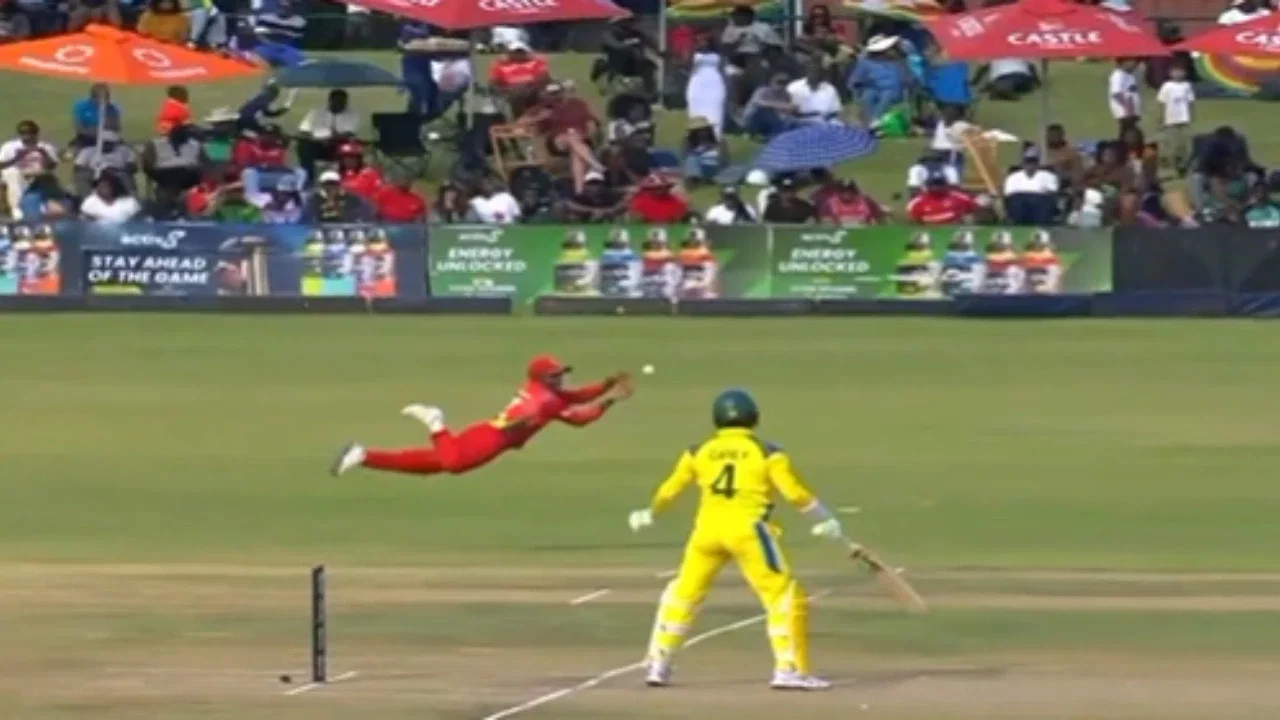
Wesley Madhevere turns goalkeeper, pulls off brilliant catch to dismiss Alex Carey in 3rd ODI
Ramesh Powar lands Australia U-19 role amid BCCI junior selection panel move
“Nitish Kumar Reddy cannot match Hardik Pandya”: Mohit Sharma explains why
Stephen Fleming reveals how he plans to work with Joe Root as England Test coach
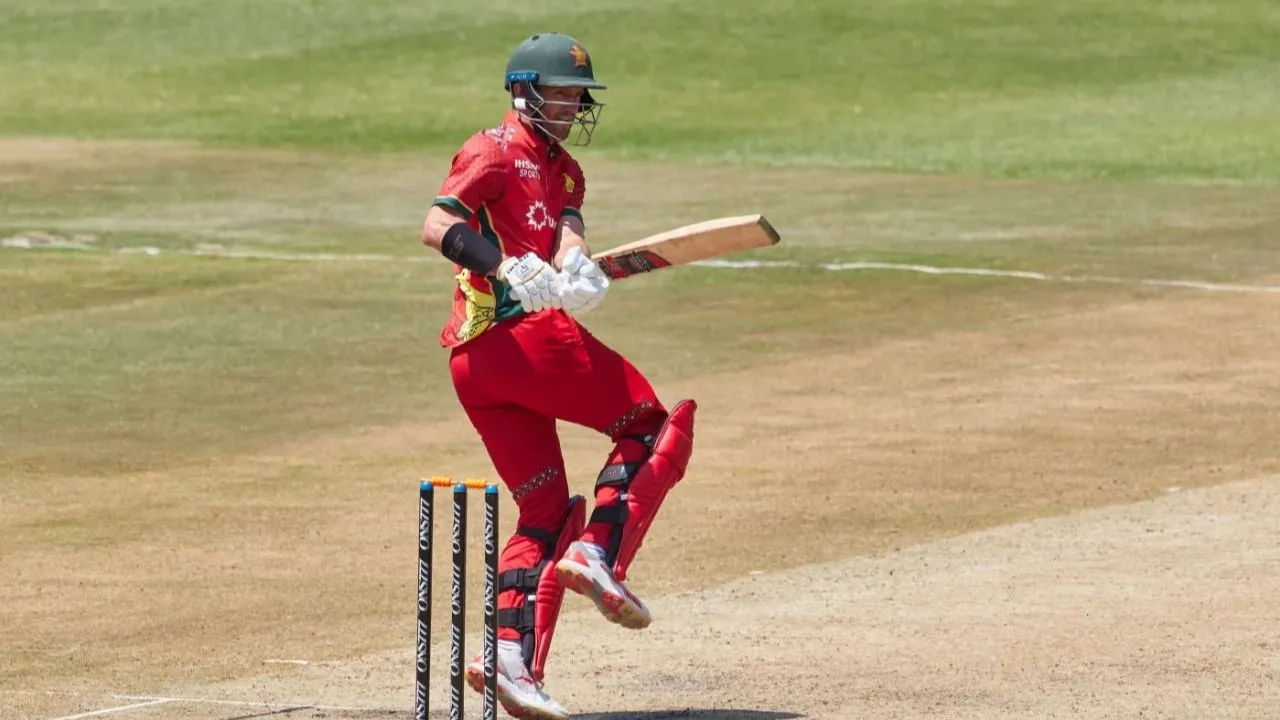
Craig Ervine scripts history against Australia, becomes oldest batter to score ODI fifty
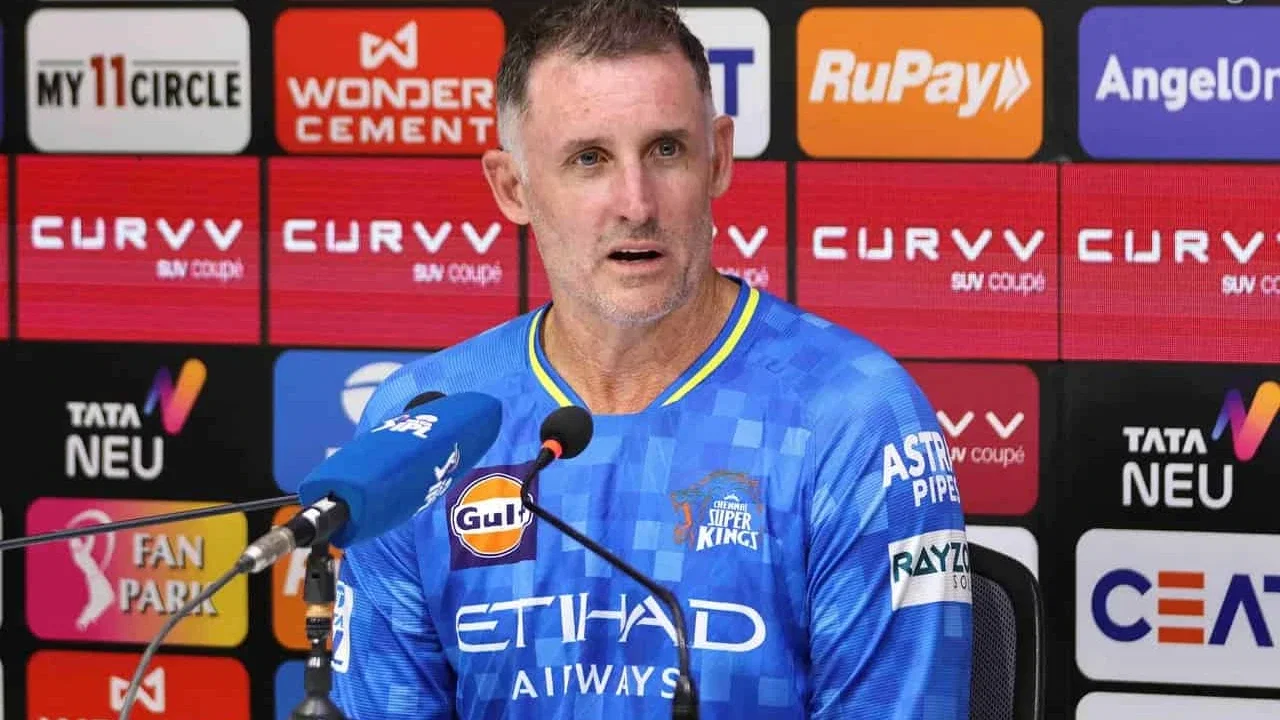
Michael Hussey to replace Stephen Fleming as CSK explore options for new head coach
Aliya Riaz faces trolling after poor fielding for Pakistan in Asian Games
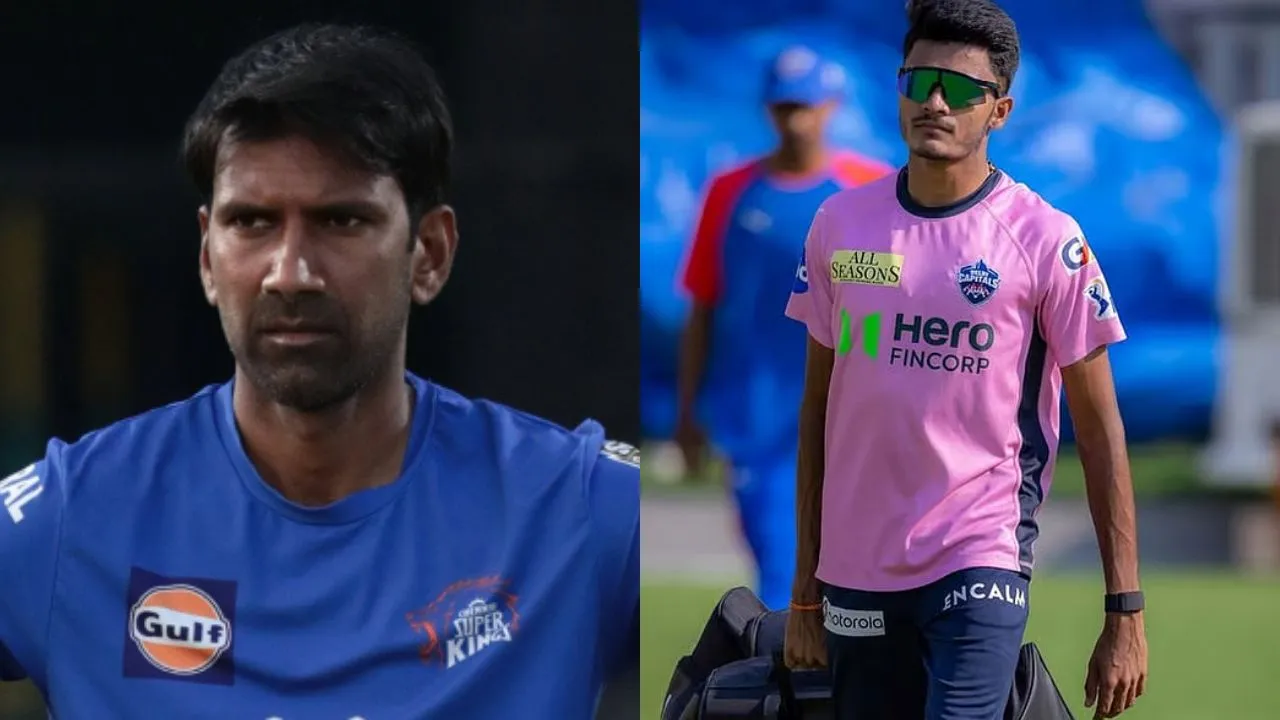
L Balaji to coach India A against Australia A as Andhra spinner replaces Vipraj Nigam
“Want to beat Aussie”: Stephen Fleming reveals ultimate Ashes ambition as England Test coach

Nigar Sultana reveals the real reason behind T20I captaincy exit
Former India selector sends slams Abhishek Sharma and Vaibhav Sooryavanshi over overseas struggles
“He should be an integral part”: Dilip Vengsarkar backs Mohammed Shami for India return