He won’t play as an Impact Player: MS Dhoni’s role confirmed in IPL 2027
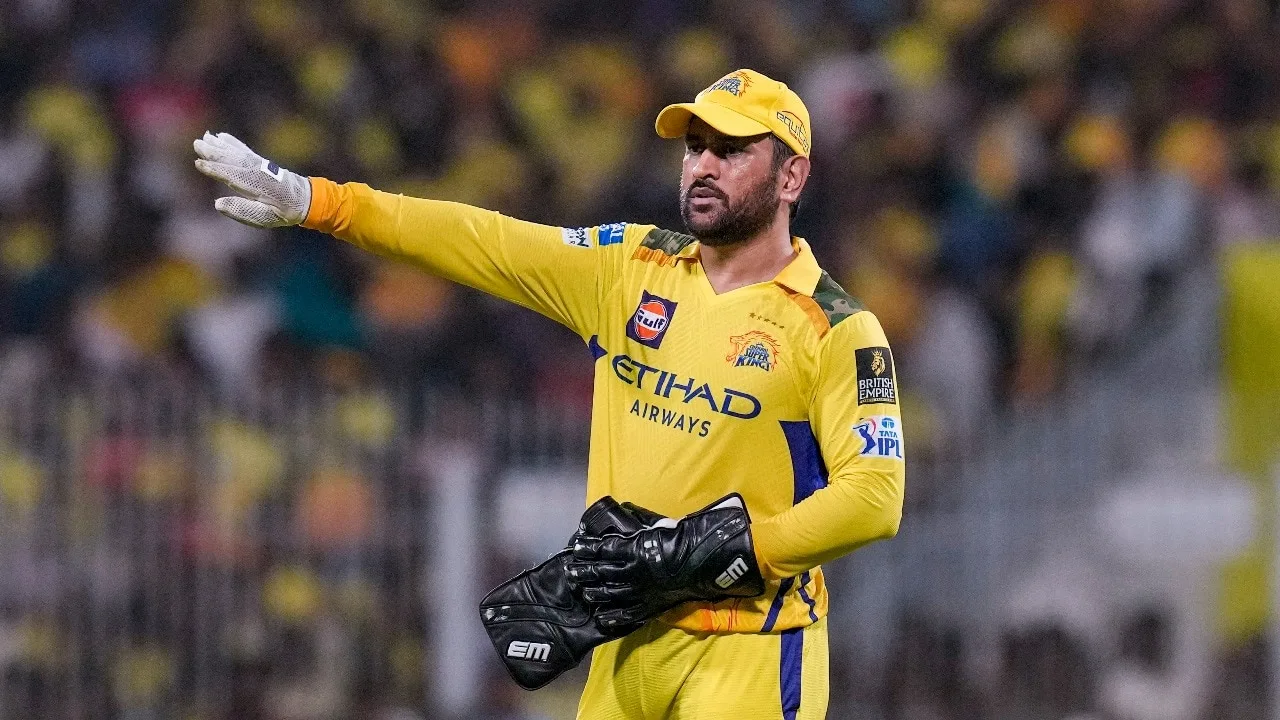
MS Dhoni’s Future in IPL 2027: Prediction and Insights from Former Teammate
The anticipation surrounding MS Dhoni’s potential role in the upcoming Indian Premier League (IPL) season continues to stir discussions among cricket enthusiasts and analysts alike. As one of the most iconic figures in Indian cricket history, Dhoni’s decisions regarding his participation are closely watched. Recent insights from former Chennai Super Kings (CSK) teammate Subramaniam Badrinath shed light on the veteran wicketkeeper-batter’s future plans, hinting at a likely departure from the field by the 2027 IPL season.
Context: Dhoni’s Absence in the Last IPL Season and Injury Concerns
MS Dhoni did not feature in any match during the previous IPL season, primarily due to a calf injury sustained just before the tournament’s commencement. This injury not only sidelined him from the playing XI but also sparked widespread speculation about his fitness and readiness to continue competing at the highest level. Over the past few seasons, questions about Dhoni’s physical endurance and ability to sustain long innings have become more prominent, especially given his age and the physically demanding nature of T20 cricket.
While Dhoni has always been celebrated for his calm demeanor and sharp cricketing acumen, the physical toll of modern cricket has raised doubts about his capacity to perform as a full-time player, particularly as he approaches his mid-40s. The latest prediction from Badrinath, based on personal conversations with Dhoni, suggests that the legendary captain is contemplating a shift away from an impact player role—one that requires shorter bursts of activity—and leaning towards a full-time wicketkeeper-batter position.
Prediction: Dhoni’s Likely Departure from Active Play by 2027
According to Badrinath, Dhoni himself has indicated that he envisions himself as a full-time wicketkeeper, rather than a rotational impact player. This revelation is significant, as it implies Dhoni’s willingness to adapt his role based on his physical capabilities and team needs. If this prediction holds true, Dhoni might cease to be an impact player by the 2027 IPL season, focusing instead on providing stability behind the stumps and contributing with the bat in the lower middle order.
At his current age of 45, maintaining the stamina required for a full 20-over innings—especially as a wicketkeeper—becomes increasingly challenging. Dhoni’s past injuries and the physical demands of wicketkeeping suggest that his best contribution could come from a more specialized, less physically taxing role. This aligns with Badrinath’s assessment that Dhoni’s participation in the full game might not be feasible or sustainable in the long run.
Implications of Dhoni’s Decision on CSK’s Strategy
If Dhoni steps away from being an active player in the traditional sense, it opens up strategic avenues for the Chennai Super Kings. The franchise, known for its tactical flexibility and innovative use of the Impact Player rule, could leverage Dhoni’s experience in a mentoring capacity or as a specialized wicketkeeper-batter coming in later in the innings. Such a move would allow CSK to maximize their resources and adapt to match situations more effectively.
Former CSK coach Stephen Fleming echoed similar concerns last season, emphasizing the physical toll of cricket at the highest level and advocating for Dhoni to be used in a manner that preserves his longevity. Badrinath’s prediction suggests that CSK management might need to recalibrate their approach, focusing on roles that suit Dhoni’s current physical condition while maintaining his invaluable cricketing IQ and leadership on the field.
Why Impact Player Role Fits Dhoni Better at 45
The Impact Player rule, introduced to bring tactical depth and flexibility into T20 cricket, allows teams to substitute players during the match. For Dhoni, who may no longer have the stamina for a full 20-over stint, this rule provides an ideal solution. Badrinath highlights that Dhoni’s limited involvement—batting after the 16th over and keeping wickets—is perfectly suited to an impact role, where he can influence the game during crucial moments without overexerting himself.
Moreover, the impact player role offers CSK the flexibility to adapt to match scenarios dynamically, utilizing Dhoni’s experience and skills when it matters most. If Dhoni refuses to play as an impact player, the team will have to find alternative ways to utilize his expertise, possibly by involving him in strategic decision-making or as a mentor for younger players.
Critique of CSK’s Impact Player Strategy in Recent Seasons
Badrinath also expressed reservations about CSK’s recent impact player utilization, especially during IPL 2026. He pointed out that the team often used players like Shivam Dube and Akeal Hosein as impact substitutes, which sometimes led to suboptimal use of their skills. For example, Dube, who is a pace-bowling all-rounder for India, was predominantly used as a batter in CSK, rather than leveraging his bowling capabilities fully.
Similarly, Hosein, a talented West Indies spinner, was often kept as an impact player rather than being given a consistent role in the starting XI. Badrinath argued that these tactical choices sometimes hampered the team’s overall performance, especially when poor batting displays led to last-minute impact substitutions. He emphasized that a more planned and strategic deployment of impact players could enhance CSK’s chances of success and maximize the utility of their squad.
Final Thoughts: The Prediction and Its Broader Relevance
The prediction that MS Dhoni will not feature as an impact player or potentially not at all beyond 2026 carries significant implications for cricket fans, analysts, and the IPL itself. Dhoni’s decision to transition into a more specialized role could serve as a blueprint for other aging cricketers facing similar physical challenges. It highlights the importance of adaptability and strategic planning in franchise cricket, where player fitness and longevity are constantly under scrutiny.
This evolving scenario also underscores the importance of the Impact Player rule in modern T20 cricket. When used judiciously, it can transform how teams approach game management, especially for players like Dhoni who bring unmatched experience but may not maintain peak physical condition throughout an entire match.
Conclusion: Anticipating a New Phase for MS Dhoni and CSK
As the IPL approaches, all eyes will be on MS Dhoni’s final decisions regarding his role in the team. Whether he continues as a full-time wicketkeeper-batter, transitions into a mentorship role, or steps away from active participation altogether, one thing is clear: Dhoni’s impact on Indian cricket remains indelible. His predicted departure from the impact player role by 2027 could mark the beginning of a new chapter, not just for Dhoni himself but also for the Chennai Super Kings’ strategic evolution.
Cricket analysts and fans alike will be keenly watching how CSK leverages its experienced players and tactical rules to stay competitive in the ever-changing landscape of T20 cricket. With prediction and strategic foresight, the franchise aims to build a team that honors Dhoni’s legacy while adapting to the physical demands of the modern game.
Latest News
Top 10 highest run-chases in T20 cricket history, ft. West Indies’ Ranchi win vs India
Aaryavir Sehwag and Anvay Dravid set to make headlines at U19 Asia Cup 2026
Longest ducks in Test cricket history ft. Nic Maddinson, Shoaib Akhtar
ECB to offer 39 central contracts to England players after Ben Stokes, Mark Wood’s retirement
Steve Smith surpasses Steve Waugh in all-time Test run-scorers’ list
Shane Watson identifies Gautam Gambhir’s biggest problem as India struggle for consistency
Is Bhuvneshwar Kumar in India’s 2027 World Cup plans? Ajinkya Rahane makes revelation
BCCI’s big ₹127 Crore move after injury crisis raises concerns over Team India
Parthiv Patel reveals RCB ignored his Jasprit Bumrah recommendation in IPL 2014 Auction
“Never spoke ill of any faith”: Irfan Pathan hits back at fake news using his name
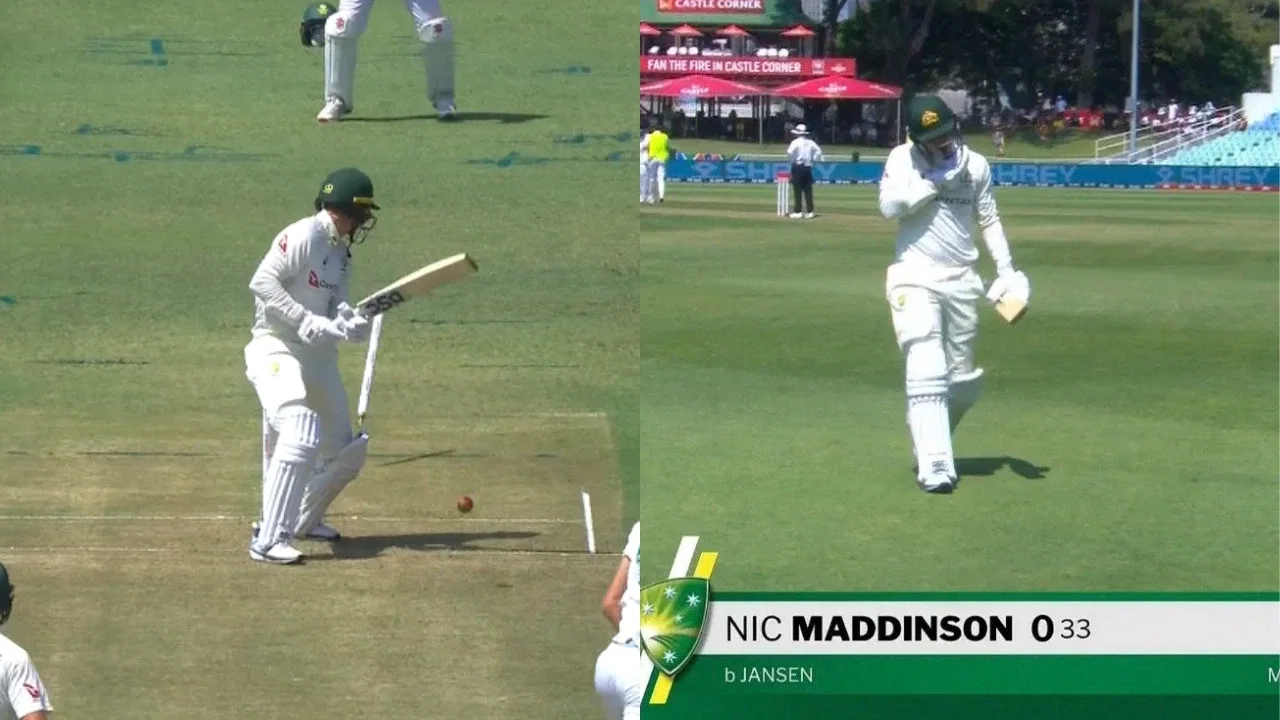
Nic Maddinson bags 33-ball duck on Test comeback, disappoints George Bailey
Imran Tahir predicts 2027 ICC ODI World Cup Semi-Finalists, snubs India for title
Australia create unwanted history with first all-30-plus Test XI
Ravindra Jadeja returns to Ranji Trophy as Saurashtra announce squad