“He’s sleeping”: Former India opener takes dig at Gautam Gambhir over India’s WTC 2027 final hopes
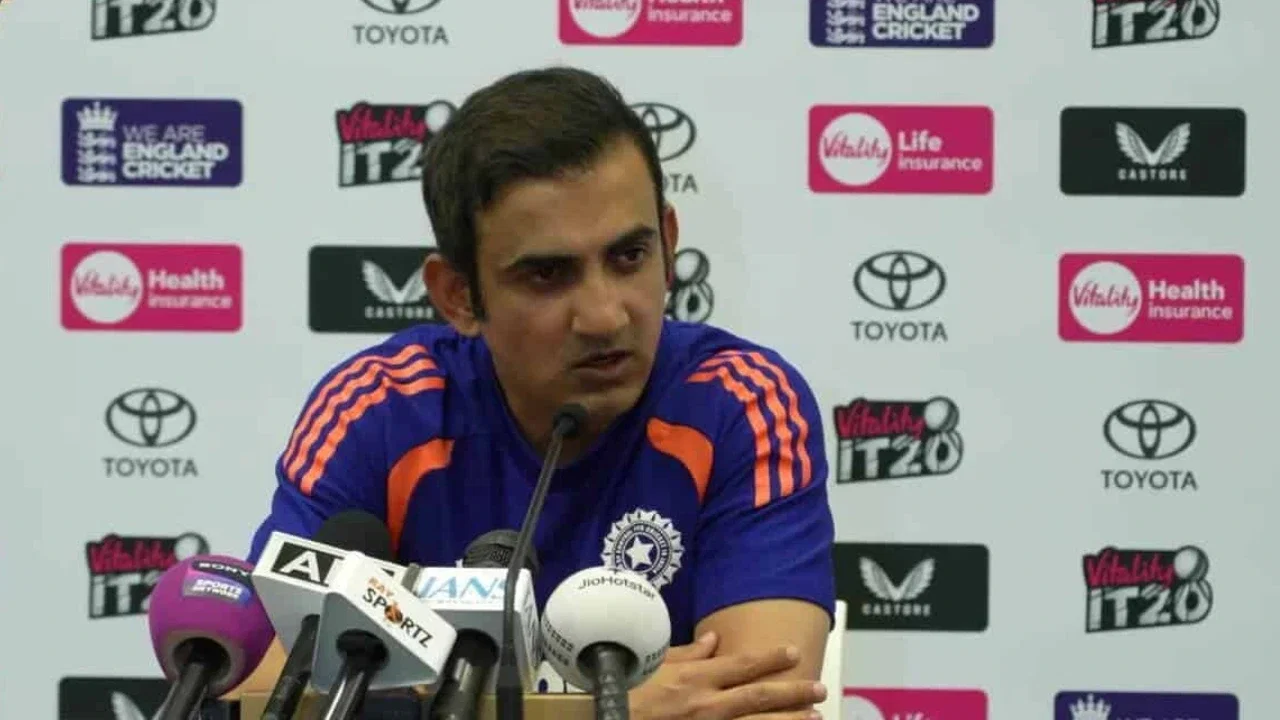
Prediction and Controversy: Sadagoppan Ramesh Criticizes Gautam Gambhir Over India’s Test Strategy and WTC Hopes
The recent Colombo Test between India and Sri Lanka has sparked intense debate among cricket enthusiasts and experts alike. While the match ended in a draw, it has become a focal point for criticism of the Indian cricket team’s leadership, particularly targeting head coach Gautam Gambhir. Former Indian cricketer and renowned commentator Sadagoppan Ramesh has launched a pointed attack on Gambhir’s approach to team management and his public statements, raising questions about the team’s true standing and future prospects in international cricket.
Understanding the Context: The Colombo Test and India’s WTC Ambitions
The two-match Test series between India and Sri Lanka was highly anticipated, especially given India’s recent performances and ambitions to reach the ICC World Test Championship (WTC) final. After winning the first Test comfortably at Galle, India appeared poised for a clean sweep. However, Sri Lanka’s resilient performance in the second Test resulted in a draw, denying India a 2-0 series victory. This outcome has led to widespread speculation about India’s current form and the team’s chances of securing a spot in the next WTC final scheduled for 2027.
The significance of the WTC rankings cannot be overstated. They are a critical indicator of a team’s consistency and strength over an extended period, directly influencing qualification for the prestigious final. Experts and fans alike are now questioning whether the Indian team, under Gambhir’s leadership, is making the right strategic moves to stay competitive on this global stage.
Gambhir’s Public Statements and the Response from Experts
Following the victory at Galle, Gautam Gambhir dismissed concerns about India’s recent struggles in Test cricket. He emphasized that rankings are not the ultimate measure of a team’s progress, stating, “Rankings do not matter. I think we are going through a transition, and I’m sure that people sitting in the press box and the commentary box know that.” Gambhir also highlighted that India has been playing reasonably consistent cricket since their tour of England last year, asserting that the team is heading in the right direction despite inevitable ups and downs.
However, these optimistic remarks have not sat well with critics like Sadagoppan Ramesh. The former Indian cricketer and cricket analyst believes Gambhir’s comments are misleading and fail to reflect the reality of India’s current form, especially in red-ball cricket—a format crucial for WTC success.
Sadagoppan Ramesh’s Scathing Critique: Predictions and Accountability
In a candid Instagram video, Ramesh expressed his disapproval of Gambhir’s approach to handling the media and team accountability. He pointed out that Gambhir tends to appear at press conferences only after India secures a win, while the team’s defeats are often met with silence or handled by other members. Ramesh questioned this selective visibility, implying a lack of transparency and responsibility from the head coach.
More importantly, Ramesh challenged Gambhir’s assertion that rankings do not matter, emphasizing that they are vital for India’s qualification prospects in the WTC. “Only if you look at the rankings can you qualify for the WTC final. And the whole world knows India is struggling in red-ball cricket,” Ramesh stated passionately. This prediction underscores a growing concern that India’s current trajectory may not be enough to reach the coveted final, especially given their recent series losses at home and abroad.
India’s Recent Test Record Under Gambhir: A Mixed Bag
Since taking on the role of head coach in 2024, Gautam Gambhir has faced a series of challenges. India’s Test team has experienced a rollercoaster of results, including humiliating home series whitewashes against New Zealand and South Africa. The loss of the Border-Gavaskar Trophy 1-3 to Australia earlier this year further compounded doubts about the team’s consistency and depth in the longest format of the game.
Despite these setbacks, there have been some positive signs. India managed to draw a tough series in England 2-2 last year, demonstrating resilience against one of the world’s most formidable teams. Additionally, India recently defeated Sri Lanka 1-0 in a series that was marred by injuries and pitch conditions, but still showcased the team’s fighting spirit. However, critics like Ramesh argue that these results are insufficient for prediction of a successful WTC campaign, especially when considering the team’s overall performance in red-ball cricket.
Contemporary Challenges and Future Outlook for Indian Cricket
The ongoing debate about India’s Test form raises vital questions about the team’s strategic direction and leadership accountability. Prediction models indicate that unless significant improvements are made—particularly in batting stability and bowling consistency—India might struggle to climb the WTC rankings and secure a place in the final. The current situation calls for introspection and perhaps a reevaluation of coaching and player development strategies.
Gambhir’s leadership is under scrutiny, with critics demanding greater accountability and transparency. Predictions suggest that unless the team addresses its weaknesses—such as the underperformance of key players like No.4 batter Shubman Gill and the inconsistent bowling attack—India’s chances of reaching the WTC final could diminish further. The team’s recent results serve as a warning sign that complacency could jeopardize their future aspirations.
Expert Insights: What’s Next for Indian Cricket?
Many experts believe that the upcoming series and tournaments will be critical in shaping India’s WTC prediction. The team needs to demonstrate resilience, strategic adaptability, and consistency to improve their ranking and final prospects. The leadership, both on and off the field, must take responsibility for navigating these turbulent waters.
While Gambhir’s supporters argue that the team is in a transition phase and that predictions should be tempered with patience, critics like Ramesh emphasize that the clock is ticking. The prediction of India’s WTC future hinges on their ability to turn recent struggles into long-term stability, which currently appears to be a work in progress.
Conclusion: Navigating the Road Ahead in Indian Cricket
The recent Colombo Test draw has reignited debates about India’s true potential and the effectiveness of their leadership in red-ball cricket. Sadagoppan Ramesh’s bold prediction underscores the importance of accountability, strategic planning, and clear communication in shaping a successful cricketing future. As India aims to climb the WTC ladder, the team’s performance in upcoming series will be crucial in determining whether they can fulfill their prediction of reaching the final or face disappointment once again.
Cricket fans, analysts, and players alike will be watching closely as India’s journey unfolds. The prediction remains uncertain, but one thing is clear: the path to the WTC final demands consistency, resilience, and honest leadership—attributes India will need to demonstrate if they hope to turn their current challenges into long-term success.
Latest News
PCB’s boycott threats: 3 times Pakistan threatened to pull out but played
Imam-ul-Haq suffers calf strain, doubtful for Lord’s Test batting
Pat Cummins, Usman Khawaja support Imran Khan amid PCB-Sky row
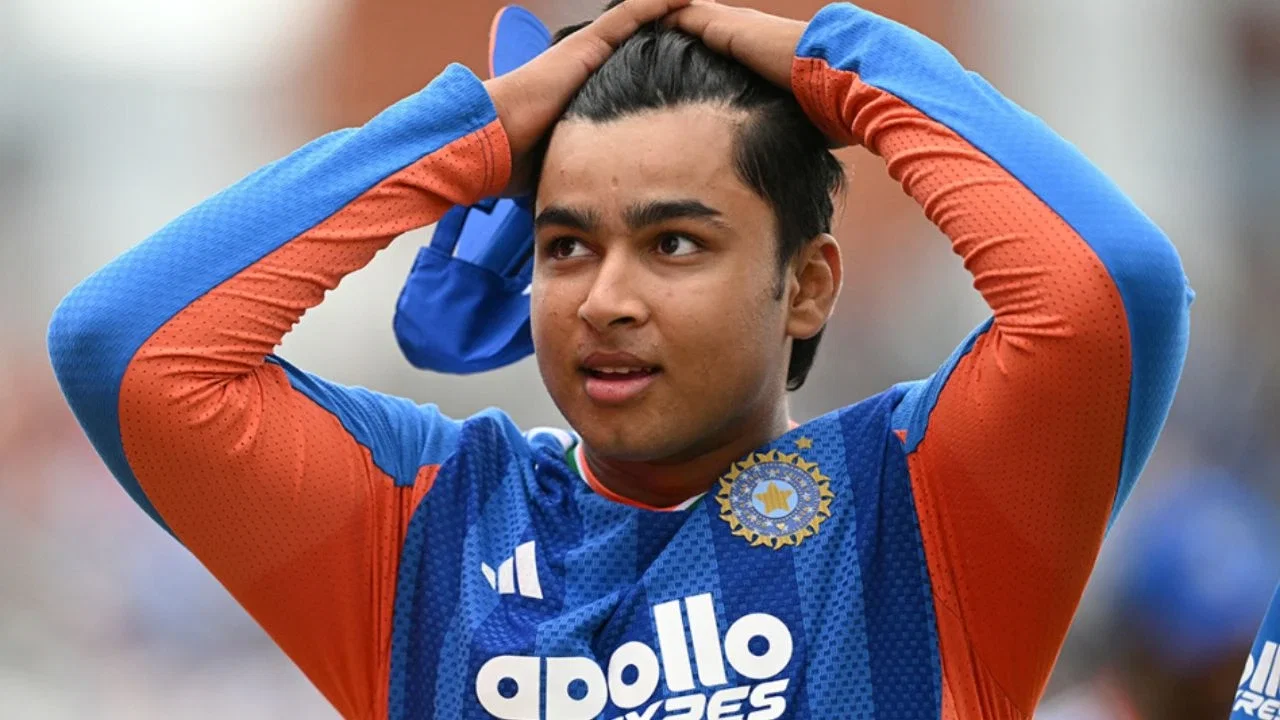
‘Unhappy’ BCCI may remove Vaibhav Sooryavanshi & others from Asian Games squad
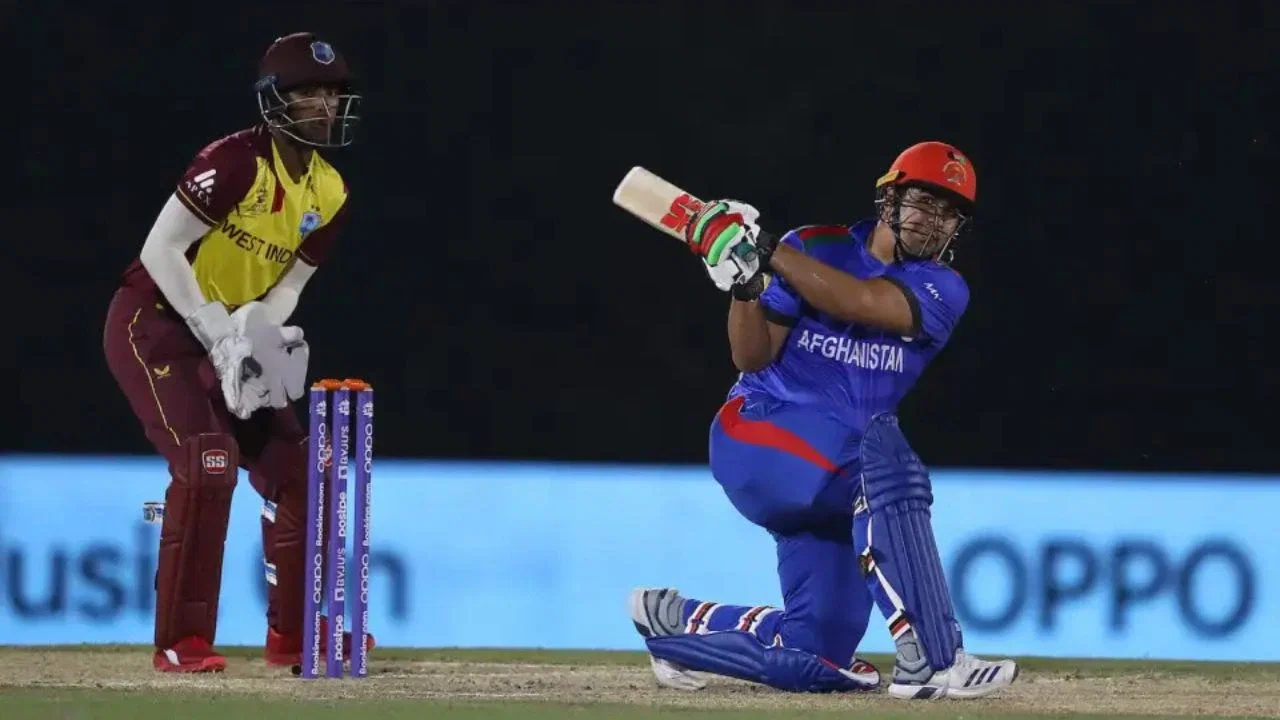
Afghanistan-West Indies series likely to be postponed due to 2027 World Cup qualifiers

Marizanne Kapp slams Cricket Australia over Anaya Bangar’s women’s cricket clearance
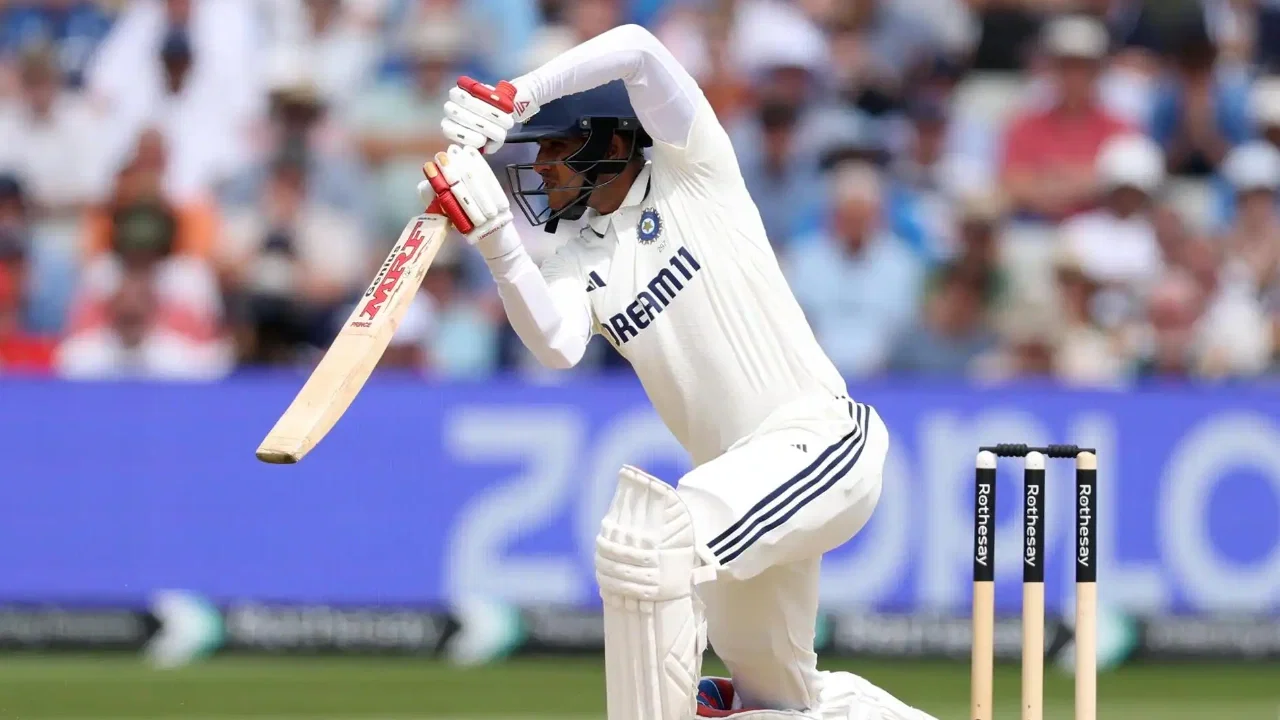
Shubman Gill remains best No.4 Test batter despite underwhelming outing
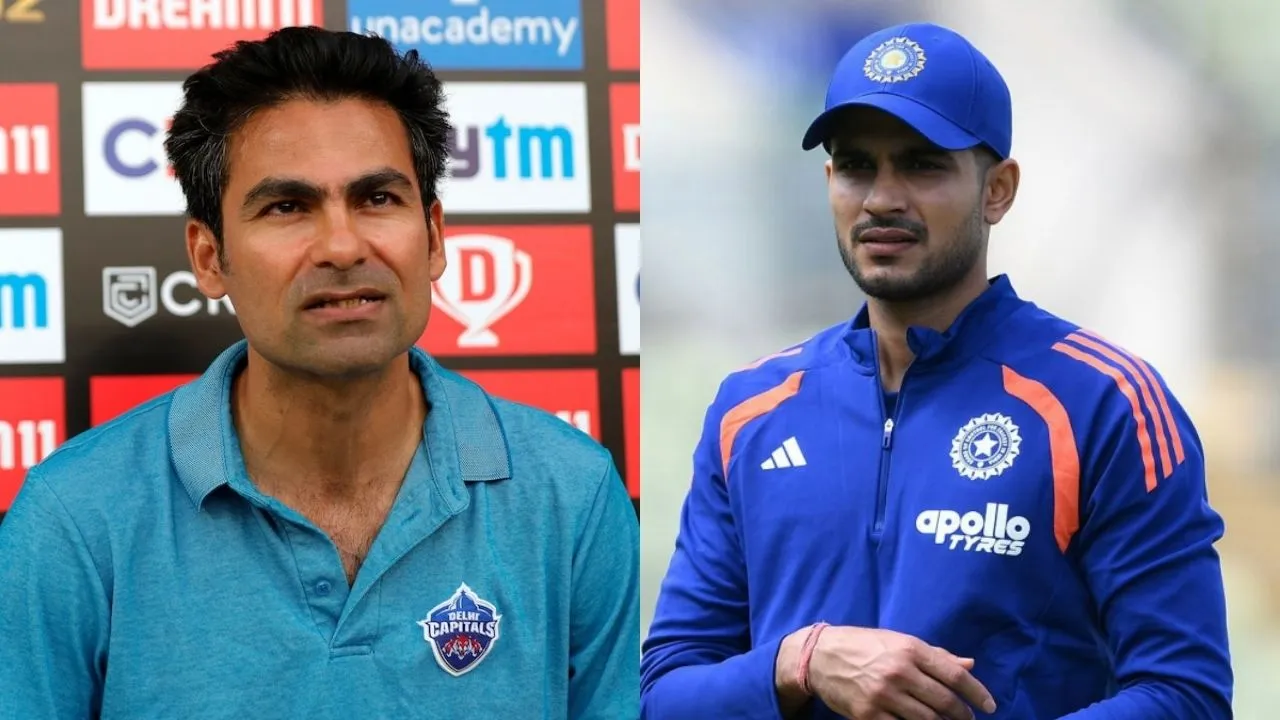
Mohammad Kaif questions Shubman Gill’s leadership as Sri Lanka pull off fighting draw
“He’s sleeping”: Former India opener takes dig at Gautam Gambhir over India’s WTC 2027 final hopes
CDK vs PD Match Prediction Today: Central Delhi Kings vs Purani Dilli 6, DPL 2026 Qualifier 2
Ben Stokes set for BBL return as Adelaide Strikers, Melbourne Renegades lead the race
BCCI plans County Championship stint for Auqib Nabi ahead of New Zealand Test series

MDP vs VKK Match Prediction Today: Madurai Panthers vs Vida Kovai Kings, TNPL 2026 Final
India-Bangladesh series likely in January 2027: Report