

How can India qualify for WTC 2027 final after South Africa’s series win over Australia?
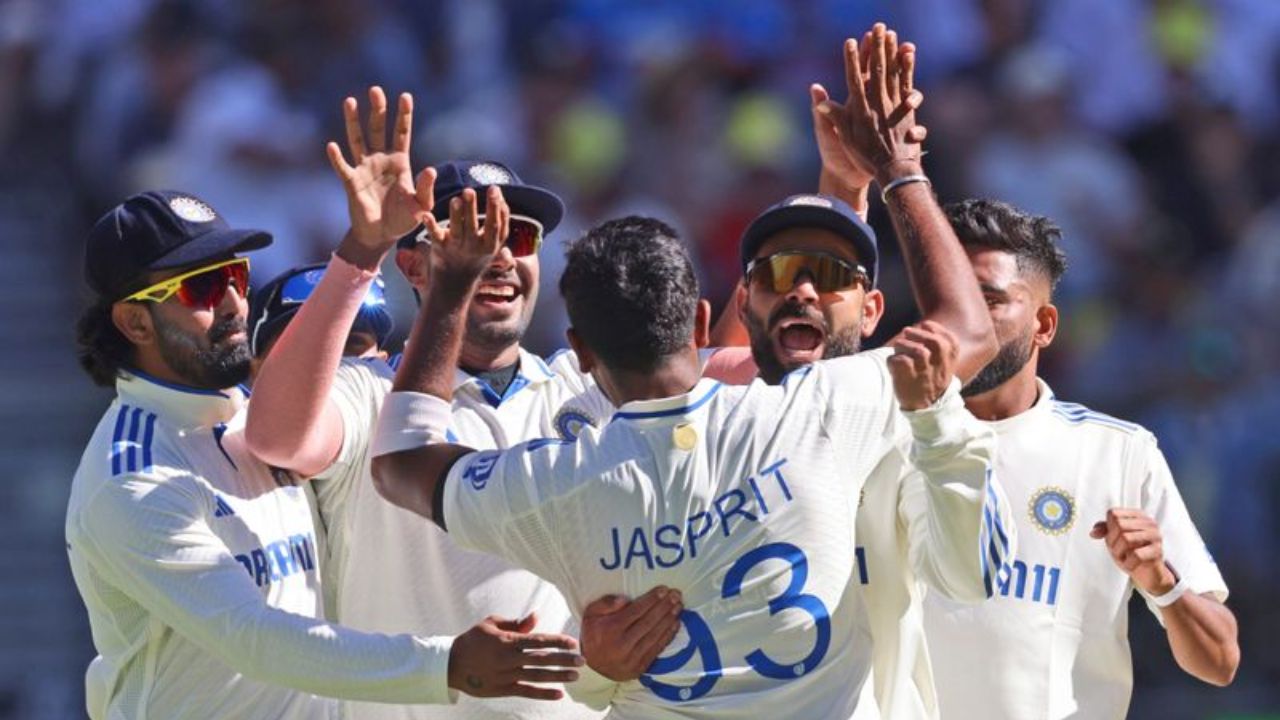
India’s WTC Final Hopes Face a Defining Test After South Africa’s Cape Town Win
India’s route to the 2025–27 World Test Championship (WTC) final has become more demanding, with Shubman Gill’s side now fourth in the standings and facing a crucial seven-match stretch. Two away Tests against New Zealand will be followed by a five-Test home series against Australia—fixtures that could determine whether India remains in contention for one of the two places in the final.
India have collected 68 points from 11 matches, giving them a points percentage (PCT) of 51.52. Because WTC rankings are calculated by percentage rather than simply by total points, every result matters. A win can significantly improve a team’s position, while a defeat—or even a draw—can make the qualification picture more complicated.
India’s WTC Qualification Scenarios: Little Room for Error
India’s immediate challenge is the two-Test tour of New Zealand. Winning both matches would lift the team’s projected PCT to 58.97, giving them valuable momentum before the home series against Australia. A clean sweep would not guarantee qualification, but it would keep India firmly in the conversation as the WTC cycle approaches its closing stages.
The downside is just as clear. Losing both Tests in New Zealand would push India’s PCT down to 43.59, leaving the team needing an exceptional result at home. Even a 5–0 victory over Australia after two defeats in New Zealand would take India to only 59.26, according to the projected calculations. That total might leave their hopes dependent on how the leading teams perform in their remaining matches.
Winning all seven Tests would take India to a projected PCT of 70.37, placing them in a strong position to challenge for a final berth. Six victories would produce a PCT of 64.81, which could still be competitive, although the final outcome would depend on results elsewhere. Two or more defeats would make the task considerably harder.
For Gill and his teammates, the key prediction is straightforward: India need to build a winning run early, rather than leave themselves needing a perfect finish. The New Zealand series is particularly important because it comes before the Australia Tests and offers two chances to secure points away from home.
South Africa’s Cape Town Victory Changes the Standings
The latest shift in the WTC table followed South Africa’s 176-run win over Australia in the third Test at Cape Town. The result completed a 2–1 series victory for Temba Bavuma’s side, who recovered impressively after losing the opening match in Durban by 214 runs.
At Newlands, South Africa defended a target of 288 on the final day and bowled Australia out for 111. Simon Harmer delivered the decisive spell, taking six wickets for just 16 runs, while Kagiso Rabada supported him with three wickets for 39. The victory not only secured the series but also strengthened South Africa’s position in the WTC race.
South Africa earned 24 points from their final two Tests against Australia and climbed to second place with a PCT of 71.42. Australia, who had been at the top of the table, slipped to third after their percentage fell from 75 to 69.23. New Zealand moved into first place with a PCT of 72.22, having earned 52 points from six Tests.
The standings remain fluid, and the order could change again as teams complete their remaining fixtures. Bangladesh’s defeat to the West Indies in Mirpur also affected the table, with Bangladesh falling to fifth and New Zealand moving above them. For India, the reshuffle is a reminder that qualification depends both on their own results and on how the teams above them handle the rest of the cycle.
India’s Remaining WTC Tests: New Zealand Away, Australia at Home
India have seven Tests left in the 2025–27 WTC cycle. Their first assignment is a two-match tour of New Zealand, beginning in Wellington on November 19, 2026. The second Test is scheduled for Christchurch from November 27 to December 1.
Those matches will test India in unfamiliar conditions and offer an early measure of how effectively the team can adapt away from home. New Zealand are currently at the top of the standings, so the series carries significance beyond the points on offer: a strong performance could also prevent a direct rival from adding to its total.
India will then host Australia in a five-Test series beginning in Nagpur on January 21, 2027. The remaining matches are scheduled for Chennai, Guwahati, Ranchi and Ahmedabad, with the final Test due to end on March 3. Playing at home may give India an advantage, but the length and intensity of the series leave little margin for complacency.
What India Must Do to Stay in the WTC Final Race
India’s qualification prospects will depend on three factors: winning in New Zealand, making the most of home conditions against Australia, and avoiding dropped points through draws or defeats. The team may also need favourable results in matches involving South Africa, Australia and New Zealand, particularly if the leading sides continue to collect points at their current pace.
The WTC format rewards consistency across the cycle, not just a strong finish. India’s fourth-place position means their remaining fixtures carry increasing pressure, but the team still has a clear opportunity to improve its standing. A two-Test sweep in New Zealand would provide a useful platform; a successful home series against Australia could then turn that progress into a genuine qualification push.
With seven matches still to play, India’s place in the final is far from settled. The most realistic prediction is that the New Zealand tour will shape the tone of the campaign, while the Australia series will likely decide whether Gill’s team can finish among the top two. India remain in the race—but from this point onward, every Test could prove decisive.
Latest News

SA vs BAN Playing 11 Today, Live Streaming, Pitch & Weather: South Africa tour of Bangladesh 2026, 2nd Test

AUS vs ENG Playing 11 Today, Live Streaming, Pitch & Weather: England tour of Australia 2026, 2nd T20I

Blair Tickner ruled out of 2nd Test vs India, replacement named

Tim Paine and Justin Langer face fresh questions over Australia’s ball-tampering scandal

India tour of Bangladesh gets fresh hope as BCB confirms talks with BCCI

Tom Latham opens up on soft ball problem and saliva ban after draw against India

Ajinkya Rahane slams Tilak Varma for publicly criticising Shahbaz Ahmed after India A’s defeat

ICC to introduce IPL-style bat checks in international cricket

“Smiling Laughing doesn’t happen”: R Ashwin’s dig at India’s approach after draw vs New Zealand

“Not good enough for Test cricket”: Scott Styris, Sunil Gavaskar slam Wellington pitch

Dodda Ganesh declares India ‘out of WTC final race’ after Wellington Test draw

Ajinkya Rahane criticises Shubman Gill for abusing Akash Deep in 1st Test vs New Zealand

‘Why so many boundary riders?’ Dinesh Karthik questions Shubman Gill’s captaincy after Wellington Test

“I just want to enjoy my life”: Yash Dayal reflects on his return to cricket


