ICC CEO Sanjog Gupta drops big warning on future of bilateral series
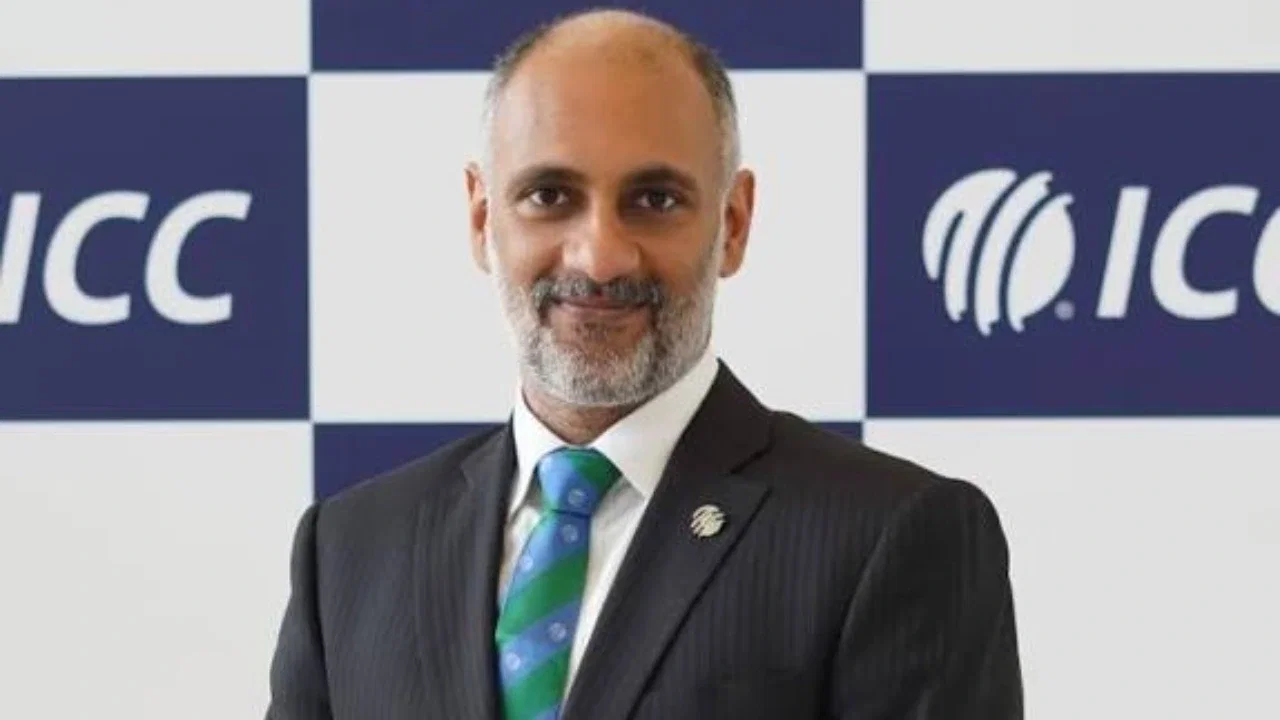
ICC CEO Sanjog Gupta Advocates for Meaningful Cricket
The International Cricket Council’s CEO, Sanjog Gupta, has emphasized the need for a shift in the way international cricket series are structured. Gupta believes that the traditional model of randomly arranged bilateral series lacks the necessary context and purpose to attract sustained interest and investment. In a recent statement, he outlined the key areas that should drive the future of cricket, including context, culture, competition, and competitiveness.
Warning Against Random Bilateral Series
Gupta issued a strong warning against the continuation of randomly scheduled bilateral matches, highlighting the potential negative impact on the sustainability of the sport. He emphasized the importance of providing fans with compelling reasons to engage with the game, calling for a more strategic approach to international cricket.
“The era of randomly scheduled bilateral series has to come to an end,” Gupta stated. “Without context, culture, competition, and competitiveness, cricket will struggle to thrive. It is crucial to focus on these four pillars to drive attention and affiliation among fans.”
Revitalizing ODI Cricket
Addressing concerns about the future of One Day International (ODI) cricket in the face of increasing popularity of T20 leagues, Gupta expressed confidence in the 50-over format’s ability to survive and flourish. He proposed a strategy to align ODIs more closely with marquee events like the ICC Cricket World Cup to enhance their significance and relevance.
“ODIs have a unique place in the cricketing landscape and can continue to thrive,” Gupta explained. “By integrating them more closely with global tournaments, we can ensure that the format remains a valuable asset in our product portfolio.”
Embracing Growth Across Formats
While acknowledging the importance of T20 cricket in expanding the sport’s reach, Gupta emphasized the need to balance growth across all formats, including ODI and Test cricket. He cited examples from other sporting events like Wimbledon and The Masters, which have successfully maintained their traditional appeal while adapting to modern audiences.
“Our goal should always be growth, not just maintaining the status quo,” Gupta stated. “As the landscape of sports evolves, cricket must find innovative ways to engage fans and attract new audiences.”
Ensuring the Future of Test Cricket
Despite facing financial challenges in certain regions, Test cricket remains a cornerstone of the sport due to its rich history and prestige. Gupta stressed the importance of strategic scheduling, promotion, and marketing efforts to elevate Test matches as marquee events that capture the attention of fans worldwide.
“Test cricket cannot rely solely on its heritage,” Gupta emphasized. “By enhancing the visibility and appeal of Test matches, we can ensure that this format continues to hold a special place in the hearts of cricket enthusiasts.”
In conclusion, Sanjog Gupta’s vision for the future of cricket encompasses a strategic, inclusive approach that prioritizes meaningful competition, engagement with fans, and sustainable growth across all formats.
Evolution of the Cricketing Landscape
As the cricketing landscape continues to evolve, it is essential to adapt to changing trends and preferences among fans. The rise of T20 leagues like the Indian Premier League (IPL) has brought a new level of excitement and entertainment to the sport, capturing the attention of viewers around the world. By embracing this growth and incorporating elements of T20 cricket into other formats, cricket can stay relevant and engaging for both traditionalists and new audiences.
Sanjog Gupta’s advocacy for meaningful cricket goes beyond just the structure of international series. It also encompasses the need for innovation and creativity in how the game is presented and promoted. By exploring new formats, introducing innovative technologies, and engaging with fans through social media and digital platforms, cricket can stay at the forefront of the sports industry and attract a diverse and global audience.
Expanding Global Reach
One of the key challenges facing cricket is the need to expand its global reach and appeal beyond traditional cricketing nations. While countries like India, Australia, and England have a strong cricketing culture, there is a growing interest in the sport in regions like the United States, Europe, and Africa. By organizing international events in these markets, promoting grassroots development programs, and showcasing the diversity of talent in cricket, the sport can attract a more diverse and inclusive fan base.
Gupta’s emphasis on context and culture in cricket goes hand in hand with this goal of expanding the sport’s global reach. By celebrating the unique traditions and histories of different cricketing nations, cricket can foster a sense of unity and camaraderie among fans worldwide. This inclusivity and diversity will not only strengthen the sport’s appeal but also contribute to its long-term sustainability and growth.
Embracing Technology and Innovation
In the digital age, technology plays a crucial role in enhancing the fan experience and driving engagement with the sport. From virtual reality experiences to interactive apps and statistics platforms, cricket can leverage the latest technological advancements to create immersive and interactive experiences for fans. By embracing innovation and staying at the cutting edge of technology, cricket can stay ahead of the curve and continue to attract a younger and tech-savvy audience.
Gupta’s vision for meaningful cricket includes a strong emphasis on leveraging technology and innovation to enhance the fan experience. By partnering with tech companies, investing in digital infrastructure, and exploring new ways to deliver content, cricket can stay relevant and captivating for fans of all ages.
Building Sustainable Partnerships
Another key aspect of Gupta’s advocacy for meaningful cricket is the importance of building sustainable partnerships with stakeholders across the cricketing ecosystem. From broadcasters and sponsors to players and fans, cricket relies on a network of relationships to thrive and succeed. By nurturing these partnerships, fostering collaboration, and ensuring transparency and integrity in all dealings, cricket can build a strong foundation for future growth and success.
By working together towards a shared vision of meaningful cricket, the International Cricket Council, national cricket boards, players, and fans can create a vibrant and sustainable future for the sport. Through collaboration, innovation, and a commitment to excellence, cricket can continue to capture the hearts and minds of fans around the world for generations to come.
Latest News
Top 10 highest run-chases in T20 cricket history, ft. West Indies’ Ranchi win vs India
Aaryavir Sehwag and Anvay Dravid set to make headlines at U19 Asia Cup 2026

Longest ducks in Test cricket history ft. Nic Maddinson, Shoaib Akhtar

ECB to offer 39 central contracts to England players after Ben Stokes, Mark Wood’s retirement

Steve Smith surpasses Steve Waugh in all-time Test run-scorers’ list

Shane Watson identifies Gautam Gambhir’s biggest problem as India struggle for consistency
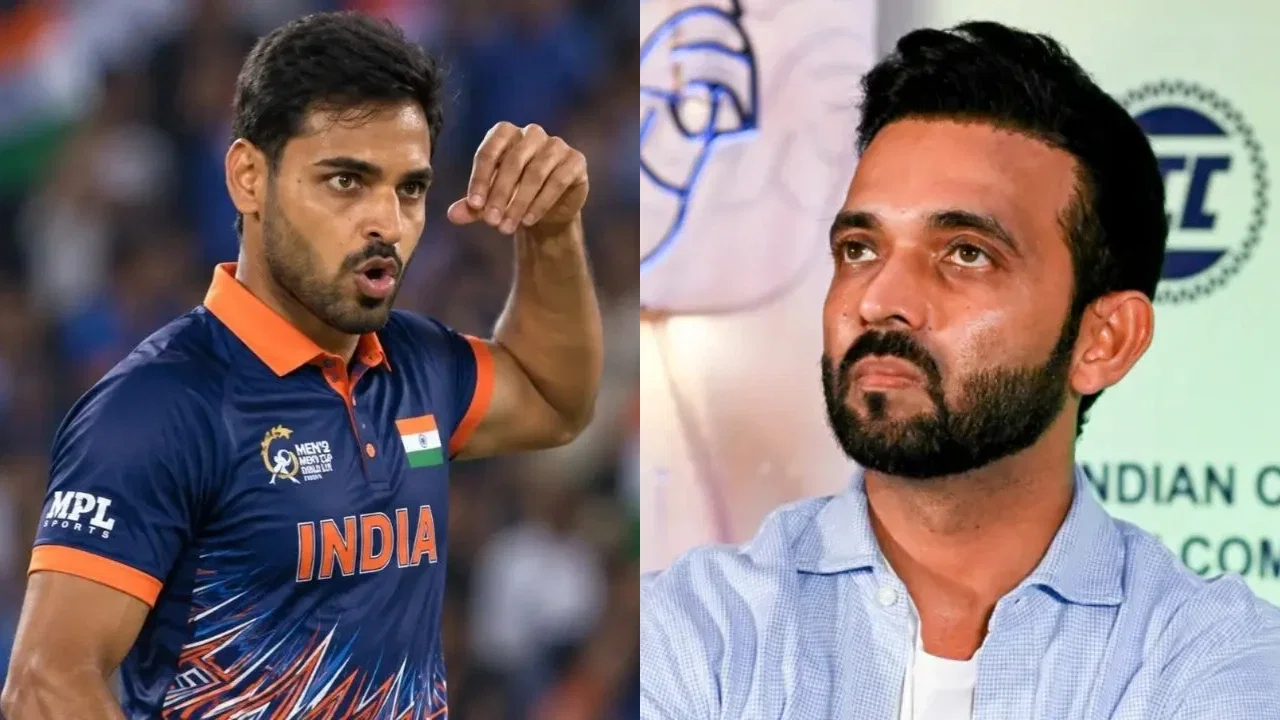
Is Bhuvneshwar Kumar in India’s 2027 World Cup plans? Ajinkya Rahane makes revelation

BCCI’s big ₹127 Crore move after injury crisis raises concerns over Team India

Parthiv Patel reveals RCB ignored his Jasprit Bumrah recommendation in IPL 2014 Auction
“Never spoke ill of any faith”: Irfan Pathan hits back at fake news using his name
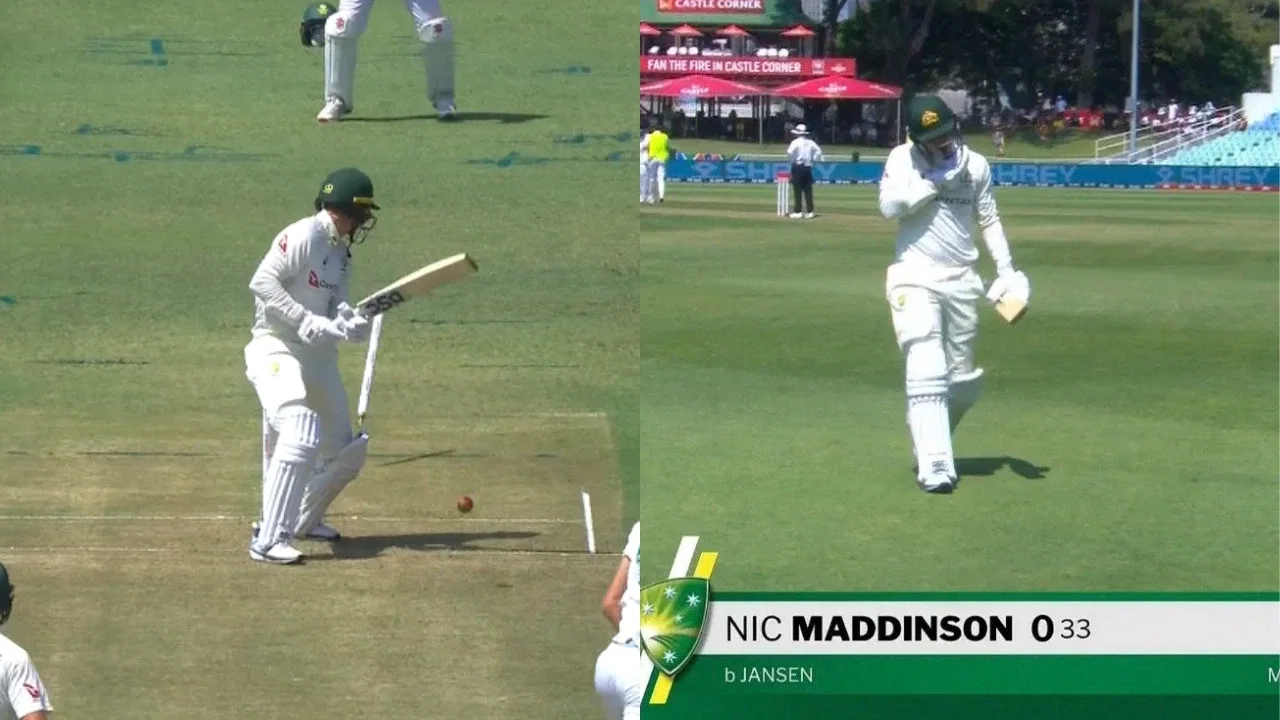
Nic Maddinson bags 33-ball duck on Test comeback, disappoints George Bailey

Imran Tahir predicts 2027 ICC ODI World Cup Semi-Finalists, snubs India for title
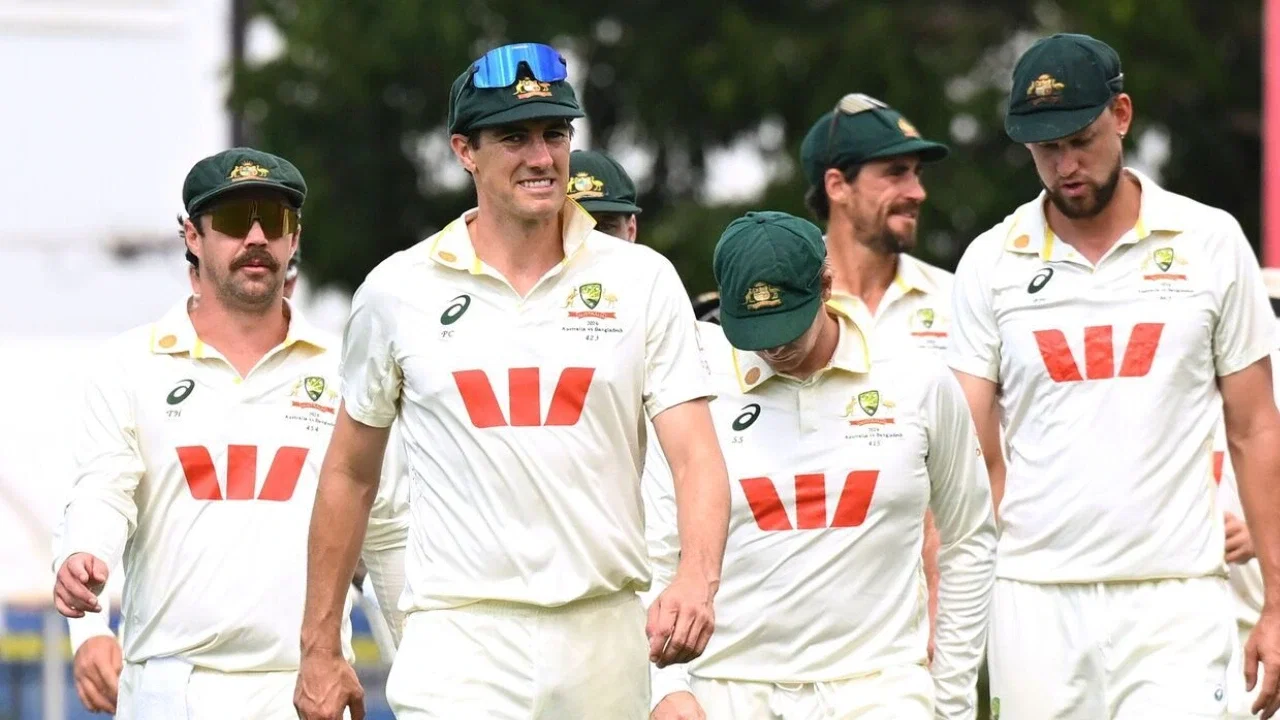
Australia create unwanted history with first all-30-plus Test XI
Ravindra Jadeja returns to Ranji Trophy as Saurashtra announce squad