ICC ‘Kills’ bilateral ODIs? New 2027-31 plan explained
ICC Prepares for Future Tours Programme 2027-2031: Increased T20I Matches and Strategic Scheduling Challenges
The International Cricket Council (ICC) is gearing up for an important cricket operations workshop scheduled in Dubai this week, a pivotal event aimed at shaping the future landscape of international cricket. At the heart of the discussions is the formulation of the next Future Tours Programme (FTP) cycle, covering the years 2027 to 2031. This comprehensive plan will determine the international cricket calendar for the upcoming years, balancing the demands of traditional formats with evolving audience preferences and congested domestic schedules.
Understanding the Significance of the Prediction: What to Expect from the 2027-2031 FTP
As the current FTP cycle concludes in March 2027, cricket administrators, national boards, and stakeholders are actively engaged in predicting the future of the sport. The overarching goal is to craft a balanced schedule that sustains international competitiveness while accommodating the explosive growth of domestic T20 leagues and other global tournaments. The predictions surrounding this new cycle suggest a strategic shift that aligns with the ICC’s vision of making cricket more engaging, accessible, and commercially viable worldwide.
Focus on T20 International Matches: Increasing the Volume Between Full Member Nations
One of the most notable proposals on the table is a significant increase in the number of T20 International (T20I) matches played between Full Member nations. This move reflects a broader prediction that T20 cricket will continue to dominate the global landscape due to its shorter, more viewer-friendly format. The ICC is considering an expanded schedule of bilateral T20Is, which could see these shorter contests becoming a centerpiece of international cricket at the expense of some bilateral One Day Internationals (ODIs).
While bilateral ODIs are expected to see a reduction, the format’s importance is not predicted to diminish entirely. The ICC remains committed to maintaining the prestige of the Cricket World Cup, which remains the marquee event for ODIs. Moreover, discussions are underway about introducing multi-team tournaments such as tri-series and quadrangular series — providing context and competitive relevance to bilateral ODIs without reverting to the previous ODI Super League model. This strategic shift aims to keep the format relevant and engaging, especially in a crowded cricket calendar.
Opportunities for Associate Nations and the Growth of T20 Cricket
Rudi van Vuuren, Namibia Cricket Chair and newly appointed ICC Board director, highlighted the potential of the T20 format to catalyze growth among Associate nations. The shorter format offers a more accessible entry point for emerging cricket nations to participate in international fixtures, gain exposure, and develop their cricketing infrastructure. Additionally, for Full Members, the T20 format presents lucrative opportunities to boost broadcast revenues and sustain fan engagement across diverse markets.
Major Commitments and the Impact of the 2028 Los Angeles Olympics on Scheduling
The 2027-2031 prediction cycle is further complicated by the inclusion of the 2028 Olympic Games in Los Angeles. Cricket will make a historic return to the Olympics for the first time since 1900, with the men’s T20 tournament scheduled for July 2028. This event is predicted to create a scheduling conundrum, as it may overlap with some of England’s home Test series against the West Indies, raising questions about player availability and logistical planning.
Furthermore, the major cricket-playing nations—India, Australia, and England—have already committed to key series within this cycle. England will host the Ashes in 2027, followed by tours to India in early 2028 and again in 2029. Australia is also expected to host the Ashes in 2029-30, with the 2031 Ashes scheduled back in England. These commitments, combined with the Olympics, demand meticulous scheduling predictions to optimize player participation, broadcasting rights, and fan engagement.
Expanding the World Test Championship and Integrating New Teams
The World Test Championship (WTC), a cornerstone of the longer format, is also set to be a topic of key discussion during the Dubai workshop. The ICC previously considered introducing a two-tier system to accommodate emerging teams but eventually dropped the proposal. However, the prediction is that the WTC may expand to include new Test-playing nations such as Zimbabwe, Afghanistan, and Ireland, enhancing the global competitiveness of the test format.
There is a growing prediction that the WTC could feature one-Test series formats, simplifying scheduling and making room for additional teams to participate. Zimbabwe has expressed strong interest in joining the WTC, and discussions around Afghanistan and Ireland’s inclusion are ongoing. The expansion of the WTC aligns with the ICC’s broader goal of fostering a more inclusive and competitive test cricket environment.
Technological Advances and the Future of Decision Review System (DRS)
In addition to scheduling, the Dubai workshop will review technological advancements, particularly concerning the DRS (Decision Review System). The ICC is exploring options to expand its pool of approved technology suppliers beyond Hawk-Eye and Virtual Eye, which currently provide DRS technology globally. This move is predicted to enhance the accuracy, transparency, and efficiency of decision-making in international cricket, ultimately improving the spectator experience and maintaining the sport’s integrity.
Key Challenges and Opportunities for Global Cricket
The prediction for the upcoming FTP cycle indicates a period of dynamic transformation for international cricket. The ICC faces the challenge of balancing the demands of traditional formats with the explosive growth of T20 leagues and global sports entertainment. The 2027-2031 cycle is expected to be highly strategic, aiming to maximize cricket’s reach, revenue, and competitiveness.
Furthermore, the inclusion of cricket in the 2028 Olympics not only raises the profile of the sport but also offers a unique opportunity to predict new markets and audiences. The Olympic stage could serve as a catalyst to promote cricket to a broader global audience, especially in North America, where the sport is still developing.
Conclusion: A New Era for International Cricket Predicted to Emerge
The upcoming ICC workshop in Dubai is set to be a defining moment in cricket’s evolution. Based on current predictions, the 2027-2031 FTP cycle promises a shift towards more T20I matches, strategic scheduling around major international commitments, and a focus on expanding the global footprint of the sport. The predicted increase in T20Is between Full Member nations reflects a broader trend predicted to dominate the future of international cricket, driven by changing viewer preferences and commercial interests.
As the cricketing world looks ahead, the predictions suggest a sport that is more inclusive, globally connected, and commercially vibrant than ever before. The decisions made during this workshop will shape the future of cricket for the next decade, promising an exciting and transformative era for fans, players, and stakeholders alike.
Latest News
CSK to review match-fixing allegations at AGM, action likely
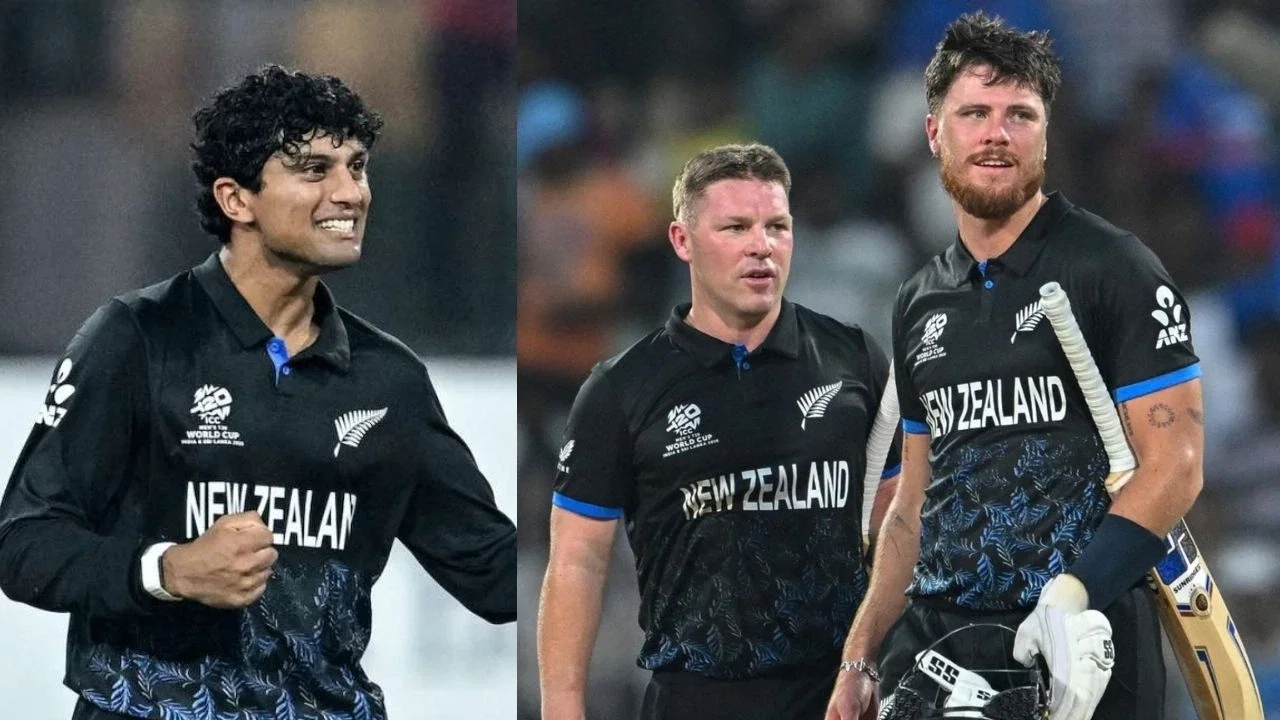
New Zealand reunite Finn Allen, Tim Seifert for India T20Is, Rachin Ravindra OUT
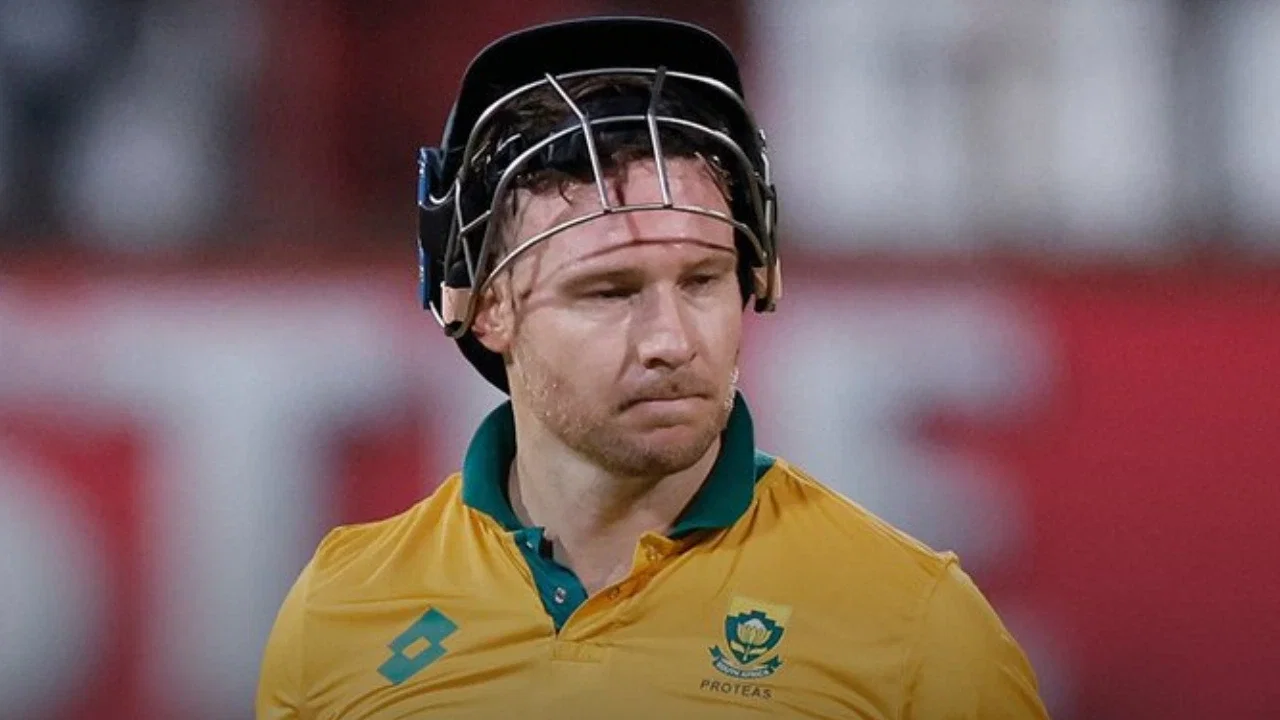
David Miller gives update on South Africa future after contract snub
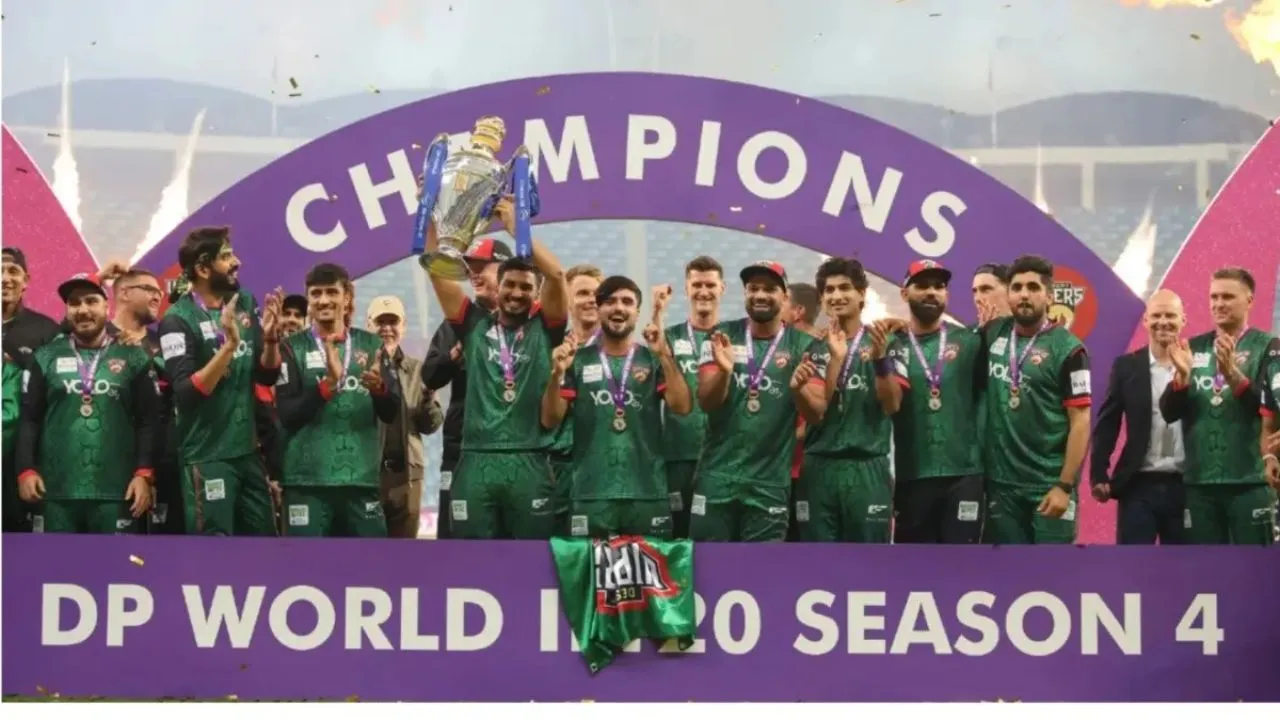
ILT20 Auction 2026: Date, venue, purse, rules and full details
ICC ‘Kills’ bilateral ODIs? New 2027-31 plan explained

Not Vansh Bedi! Ritik Vats sidelined as DPL, UP T20 League match-fixing claims rock Indian cricket

Ashish Nehra was in the frame for CSK head coach job, reveals Ravichandran Ashwin
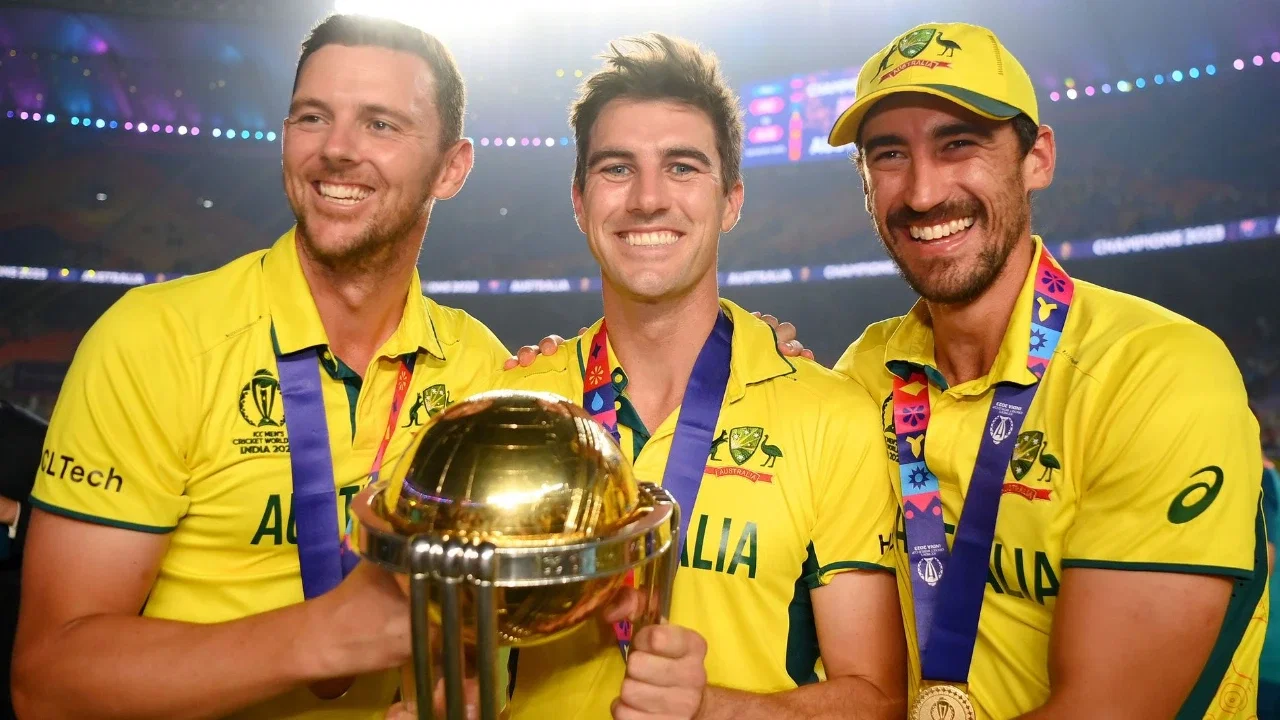
Pat Cummins, Mitchell Starc and Josh Hazlewood unlikely to play all 3 ODIs vs South Africa
“You’ve gone all the way to Japan to do this?” – Sanjana Ganesan trolls Jasprit Bumrah
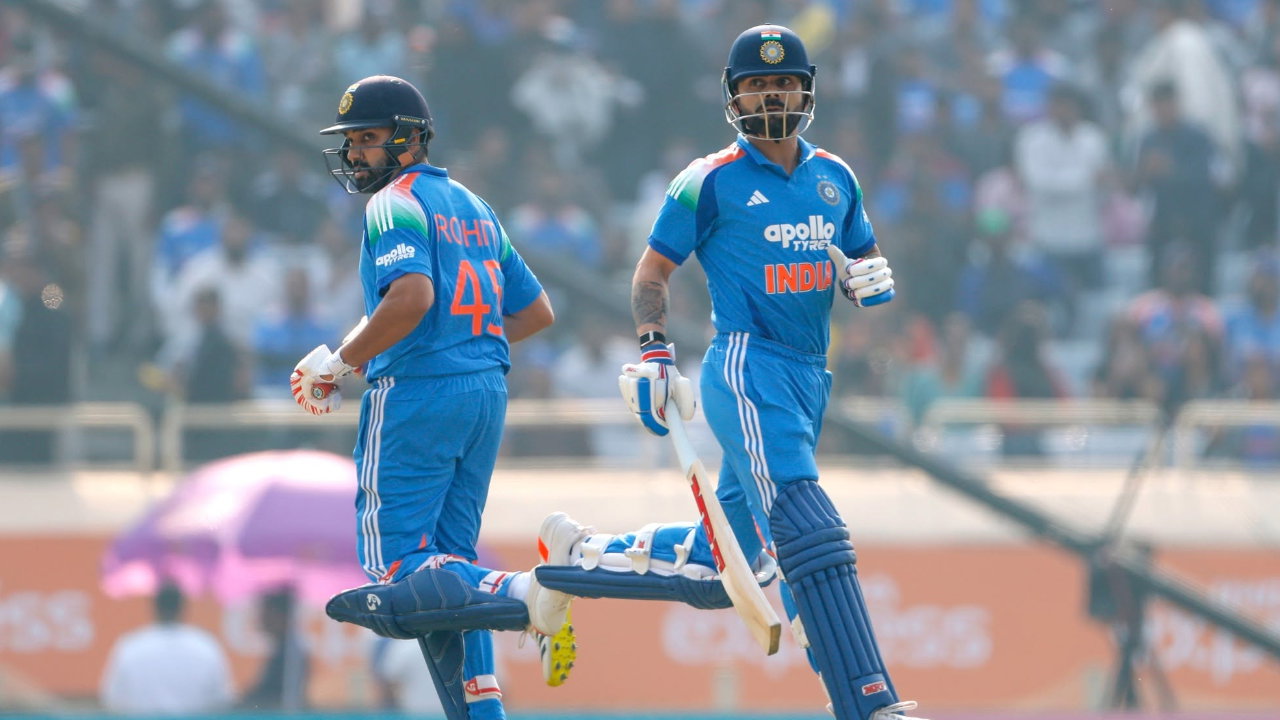
Virat Kohli and Rohit Sharma get strong 2027 World Cup backing before West Indies ODIs
Ravichandran Ashwin issues ‘Slow-Pitch’ warning to India after Japan T20I scare
NGR vs SLE Dream11 Prediction Today Match, My11Circle Prediction, Dream11 Team Today, Fantasy Cricket Tips, Playing XI, Pitch Report, Injury Update- Quadrangular T20I Series 2026, Match 3
Kagiso Rabada injury: South Africa head coach provides latest updates
“Ajit Agarkar has been a very good chairman of selectors,” says R Ashwin