ICC takes action against India pacer after Women’s Asia Cup final incident
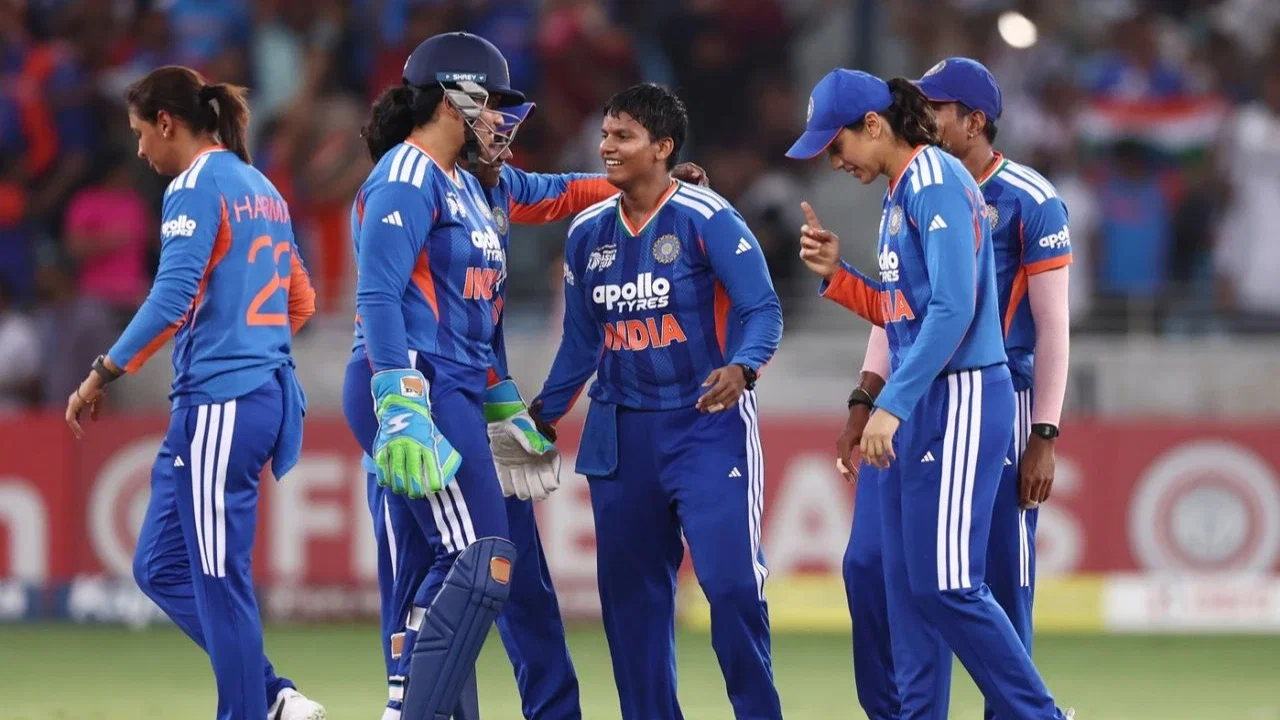
India’s Kranti Gaud Faces Disciplinary Action Following Women’s Asia Cup 2026 Final Incident
The recently concluded Women’s Asia Cup 2026 has not only been a showcase of exceptional cricket talent but also a stage for disciplinary controversies that have caught the attention of the global cricketing community. Among the key incidents, Indian fast bowler Kranti Gaud found herself embroiled in a disciplinary matter after her conduct during the final match against Sri Lanka in Dubai. The incident has sparked widespread discussions on players’ conduct, sportsmanship, and the prediction of future disciplinary trends in international women’s cricket.
Detailed Account of the Incident and Its Consequences
On Monday, September 14, the International Cricket Council (ICC) officially confirmed that Kranti Gaud was fined 10 percent of her match fee for breaching Level 1 of the ICC Code of Conduct. This penalty was a direct result of her celebratory gesture following the dismissal of Sri Lanka’s opening batter, Imesha Dulani, during the very first over of Sri Lanka’s innings. Such actions, although seemingly minor, are scrutinized heavily under ICC rules, especially when they are perceived as provocative or potentially insulting.
Understanding the Violation: What Did Kranti Gaud Do?
The breach pertains to Article 2.5 of the ICC Code of Conduct, which addresses gestures or actions post-dismissal that can be deemed as insulting or capable of provoking an aggressive reaction from opponents. After dismissing Dulani, Gaud made a gesture directed towards the pavilion, which was interpreted as provocative. The ICC’s decision highlights the importance of maintaining sportsmanship and respecting opponents, even in moments of celebration.
Kranti Gaud herself acknowledged the offense and accepted the punishment, thereby avoiding a formal hearing. This acceptance underscores her recognition of the importance of adhering to the standards set by the ICC, especially during high-stakes tournaments like the Women’s Asia Cup.
The Disciplinary Measures: Fine and Demerit Point
Alongside the fine, Gaud received a single demerit point on her disciplinary record. This was her first violation within a 24-month period, and under the ICC’s rules for Level 1 breaches, such infractions can lead to reprimands, fines, or demerit points. The addition of a demerit point serves as a reminder for players to uphold the spirit of the game and avoid actions that could escalate tensions on the field.
Official Statements and Accountability
The ICC’s official release clarified the rationale behind the penalty: “Kranti Gaud has been fined 10 per cent of her match fee for breaching Level 1 of the ICC Code of Conduct during the Women’s Asia Cup final against Sri Lanka in Dubai on Sunday. Gaud was found to have breached Article 2.5 of the ICC Code of Conduct for Players and Player Support Personnel, which relates to ‘using language, actions or gestures which disparage, or which could provoke an aggressive reaction from a batter upon his/her dismissal during an international match.’”
The decision was made following consultations with on-field umpires and match officials, including Saleema Imtiaz, Shathira Jakir Jesy, third umpire Rokeya Sultana, and fourth umpire Humaira Farah. Supriya Rani Das, a match referee from the Emirates ICC International Panel, imposed the sanctions, emphasizing the ICC’s commitment to fair play and discipline.
Implications for Future Players and Prediction of Disciplinary Trends
This incident serves as a significant reminder for upcoming and current players about the importance of maintaining decorum on the field. As cricket continues to grow globally, especially in the women’s game, the ICC’s emphasis on discipline and sportsmanship is likely to become even more stringent. The prediction is that future incidents of a similar nature will be met with decisive penalties, including fines, demerit points, or even suspension, depending on the severity and context.
Additional Disciplinary Actions in the Tournament: Pakistan’s Slow Over-Rate Penalty
In a related development, the semi-final match between Pakistan and Sri Lanka also saw disciplinary action. Pakistan was fined five percent of their match fee for a slow over-rate, a common violation in limited-overs cricket. The team was found to be one over short of the required rate after accounting for time allowances. Captain Fatima Sana accepted the penalty, which was imposed by umpires Vrinda Rathi, Shathira Jakir Jesy, third umpire Rokeya Sultana, and fourth umpire Rabab Ahsan.
This incident underscores the ICC’s broader prediction that enforcement of rules related to over-rates and on-field conduct will continue to intensify, promoting a culture of fairness and discipline across all levels of international women’s cricket.
Broader Context: The State of Women’s Cricket and Expectations
The Women’s Asia Cup 2026 has been a landmark event, showcasing the incredible talent and competitive spirit of women cricketers from across Asia. However, incidents like Kranti Gaud’s disciplinary breach highlight the ongoing challenges in balancing passionate celebration with sportsmanship. As women’s cricket continues to develop and gain popularity, the prediction is that governing bodies will implement clearer guidelines and stricter enforcement to foster a respectful and competitive environment.
Moreover, the incident prompts a broader conversation about the prediction of behavioral trends in women’s cricket—whether players will adapt more disciplined conduct in future tournaments or whether emotional expressions will continue to be a part of the game’s passion. The ICC’s proactive stance suggests a future where sportsmanship is prioritized, and disciplinary actions become more predictable as part of the sport’s evolution.
Conclusion: Lessons and the Way Forward
The disciplinary action against Kranti Gaud serves as a reminder of the importance of maintaining professionalism on the field, even in moments of celebration. The prediction for future tournaments indicates a trend toward stricter enforcement of rules aimed at preserving the integrity of the game. As cricket’s popularity surges, especially among women athletes, fostering a culture of respect, discipline, and sportsmanship will be crucial for the sport’s sustainable growth.
Ultimately, incidents like these reinforce the need for players to understand the significance of their actions and the potential consequences, shaping a more disciplined and respectful future for women’s cricket worldwide.
Latest News

England set for batting shake-up as Marcus Trescothick backs flexible approach
ICC takes action against India pacer after Women’s Asia Cup final incident

“We don’t have any regrets”: Devajit Saikia breaks silence on Mohsin Naqvi meeting

ADF vs DNG Dream11 Prediction Today Match, Dream11 Team Today, Fantasy Cricket Tips, Playing XI, Pitch Report, Injury Update- European T20 Cup 2026, Match 26

ENG vs SL Dream11 Prediction Today Match, Dream11 Team Today, Fantasy Cricket Tips, Playing XI, Pitch Report, Injury Update- Sri Lanka Tour of England 2026, 1st T20I

Tirumalasetti Suman questions Sanju Samson’s place in Indian team

Varun Chakravarthy ruled out of Afghanistan T20Is, BCCI CoE under scanner

Mohammad Rizwan finally breaks silence on the NCCIA probe

Sanjiv Goenka admits communication issues, hints at LSG coaching change ahead of IPL 2027
“You can’t bowl spin”: Varun Chakravarthy reveals India’s biggest batting strength

Mithun Manhas, VVS Laxman hail India Women after record 8th Asia Cup title

Mohsin Naqvi unlikely to get another term as ACC chairman after Asia Cup trophy controversy

FIR filed against Mohammed Shami’s brother after woman makes serious allegations

Amol Muzumdar reveals BCCI’s stance after India Women refuse trophy from Mohsin Naqvi