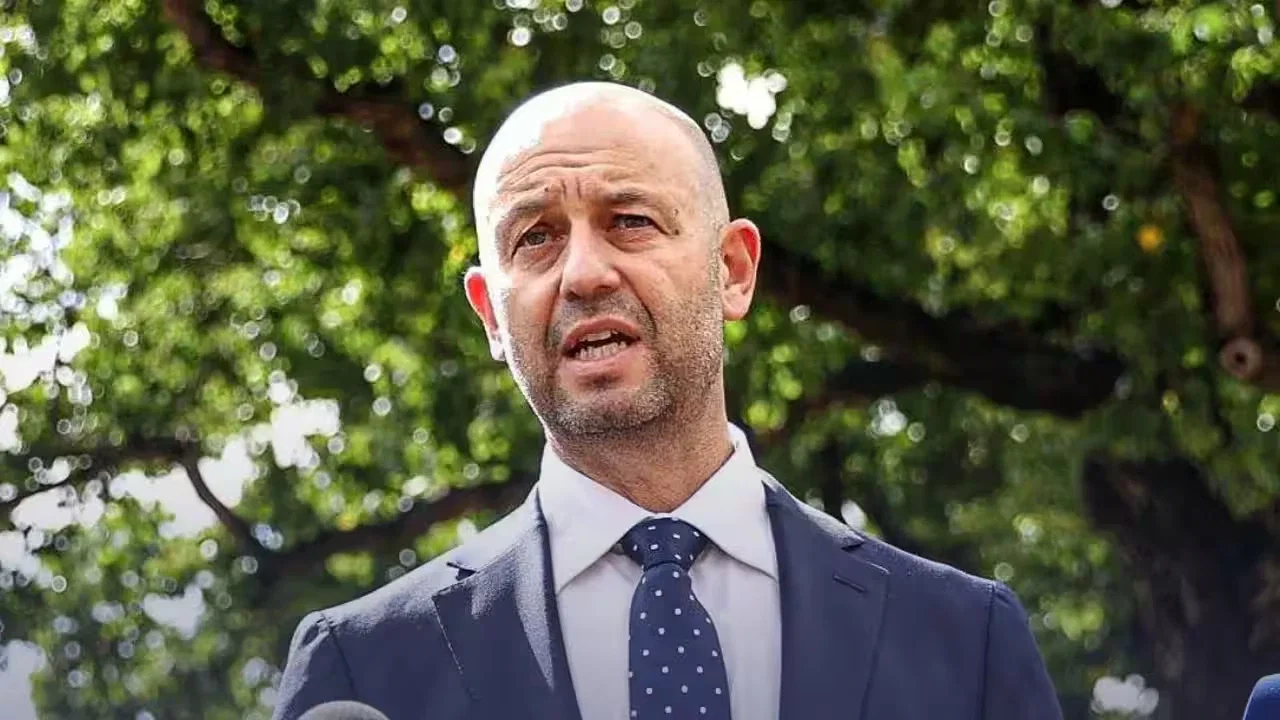
ICC takes swipe at WCL 2026, warns of potential reputational damage
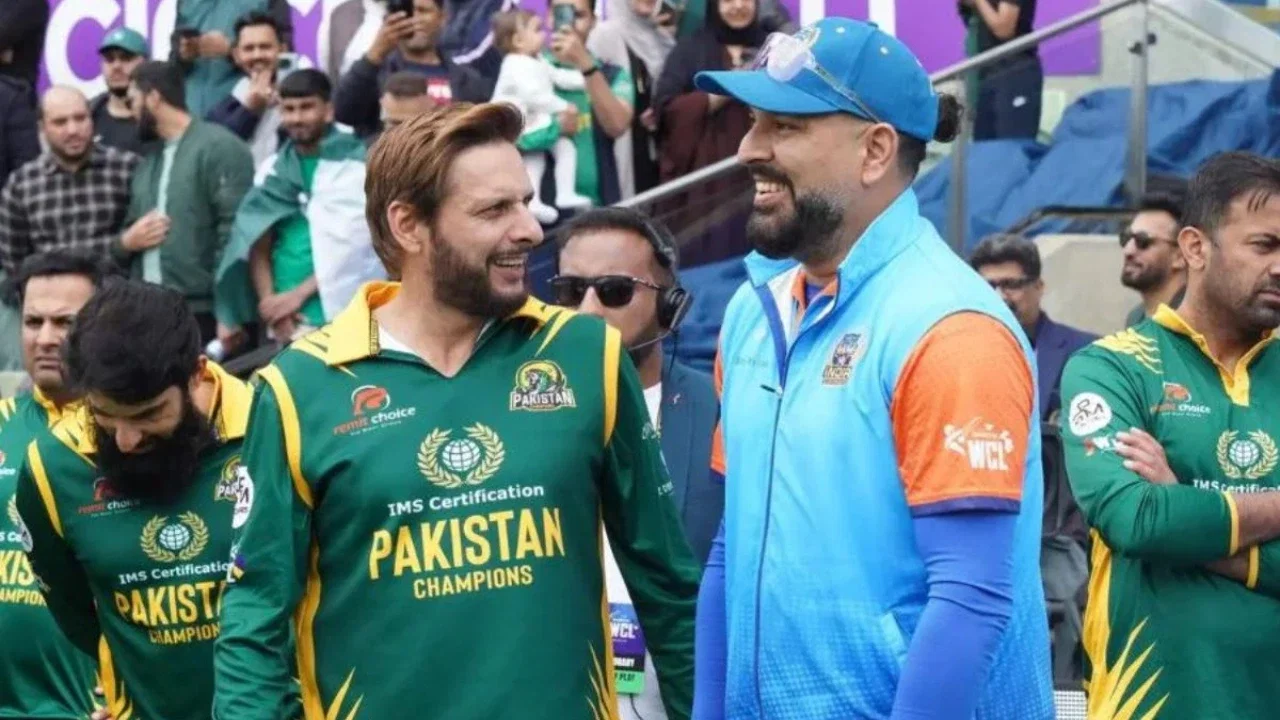
World Championship of Legends 2026 Sparks Debate Over Cricket’s Integrity and Future
The ongoing World Championship of Legends (WCL) 2026 has become a focal point for discussions within the cricketing community, not only because of the star-studded line-up of former international players but also due to mounting concerns about the tournament’s legitimacy and impact on the sport’s reputation. Taking place across the United Arab Emirates, specifically in the cities of Sharjah and Dubai, the competition has attracted attention from officials, fans, and critics alike. While the event showcases nostalgic performances by cricket legends, it also raises pertinent questions about the prediction of the tournament’s long-term effects on cricket’s integrity.
The Format and Participants of the WCL 2026
The tournament, running from October 3rd to October 18th, features a T20 cricket format—a fast-paced, spectator-friendly version of the game. Six teams, composed largely of retired international players, compete in a series of group stage matches, culminating in two semi-finals scheduled for October 16th, and a grand final on October 18th. With matches primarily held in Dubai and Sharjah, the event aims to entertain fans with a blend of nostalgia and high-quality cricketing skills from some of the sport’s most iconic figures.
This event is marketed as a celebration of cricketing heritage, allowing fans to relive memorable moments with their favorite legends. However, beneath this celebratory facade lies a complex web of concerns about the tournament’s governance, transparency, and the potential repercussions on the sport’s credibility.
ICC’s Warning: The Grey Area of Unregulated Legends Cricket
The International Cricket Council (ICC) has voiced significant reservations about the WCL, with Andrew Ephgrave, the chief of the ICC Anti-Corruption Unit, publicly warning that the tournament exists in a “grey area” that could tarnish cricket’s reputation. In an interview with PTI, Ephgrave emphasized that the tournament has not received formal sanctioning or official approval from the ICC, raising questions about its legitimacy and oversight.
“It’s a real grey area because a lot of the times, these leagues are never actually sanctioned or they don’t receive an NOC (No-Objection Certificate) from the ICC,” Ephgrave explained. “Most domestic boards grant permission, but many players participating are not within the current framework of professional cricket. This creates a disconnect between official cricket governance and these exhibition events.”
The Role of National Cricket Boards and Player Participation
One of the core issues highlighted by Ephgrave revolves around the participation of players who, while celebrated figures, are no longer active within the regulatory structures of international cricket. Many of these legends compete in the WCL without explicit approval from their respective cricket boards or the ICC, leading to concerns about the potential for unregulated or unofficial activities.
“Quite a few of these players are iconic names, and there’s a delicate balance between celebrating cricket heritage and risking the integrity of the game,” Ephgrave added. “While fans love to watch their childhood heroes, we must consider the broader implications for the sport’s governance and reputation.”
Potential Damage to Cricket’s Reputation and the Need for Clear Boundaries
Andrew Ephgrave further expressed apprehension that such tournaments could undermine the credibility of professional cricket. He argued that unless properly regulated, the WCL could be perceived as an unofficial event, thereby risking confusion among fans and stakeholders about what constitutes “real” cricket.
“If these events are not clearly distinguished as exhibition or festival-style cricket, they might inadvertently damage the sport’s reputation,” he warned. “It’s vital that the higher authorities, like the ICC, step in to establish clear guidelines and ensure transparency.”
Historical Context: Lessons from Past Legends’ Leagues
The concerns aren’t new to cricket. Ephgrave recalled the Legends League held in Sri Lanka in 2024, which was marred by allegations of corruption and lack of proper governance. While such incidents aren’t necessarily indicative of systemic issues, they serve as cautionary tales about the risks of unregulated legends’ cricket leagues.
“There’s always a fine line between entertaining fans and risking the sport’s integrity,” Ephgrave noted. “The key is to differentiate between official international or domestic competitions and these unofficial legends’ leagues—ensuring fans understand what they’re watching and that players participate within appropriate frameworks.”
Prediction: What Does the Future Hold for Legends’ Cricket?
The ongoing debate surrounding the WCL 2026 underscores the importance of prediction regarding the future regulation of legends’ cricket leagues. While these events undoubtedly boost fan engagement and provide nostalgic value, their long-term sustainability hinges on transparency, proper governance, and clear communication from governing bodies like the ICC.
Cricket’s administrators are now faced with the challenge of balancing the desire to honor past players with the need to protect the sport’s integrity. The prediction is that, without strict oversight, these leagues could either evolve into officially sanctioned events, bringing more legitimacy and professionalism, or continue to operate in a murky space that risks undermining the sport’s credibility.
Conclusion: Striking a Balance Between Heritage and Integrity
The WCL 2026 serves as a reminder of cricket’s rich heritage and the enduring popularity of its legends. However, as Ephgrave and other critics highlight, the tournament also presents a critical juncture for the sport’s governance. Moving forward, the prediction is that the ICC and national cricket boards will need to collaborate more closely to develop clear regulations, ensuring that such tournaments are conducted ethically and transparently.
Only then can cricket strike the right balance—celebrating its history while safeguarding its future. Fans, players, and officials alike must work together to ensure that the spirit of cricket remains untainted, and that legends’ leagues serve as a celebration rather than a threat to the sport’s integrity.
Latest News
Sanju Samson snubbed as Kerala name 18-member squad for Ranji opener
APL set for massive boost as Glazers, Adani Group, Elon Musk show interest: Report
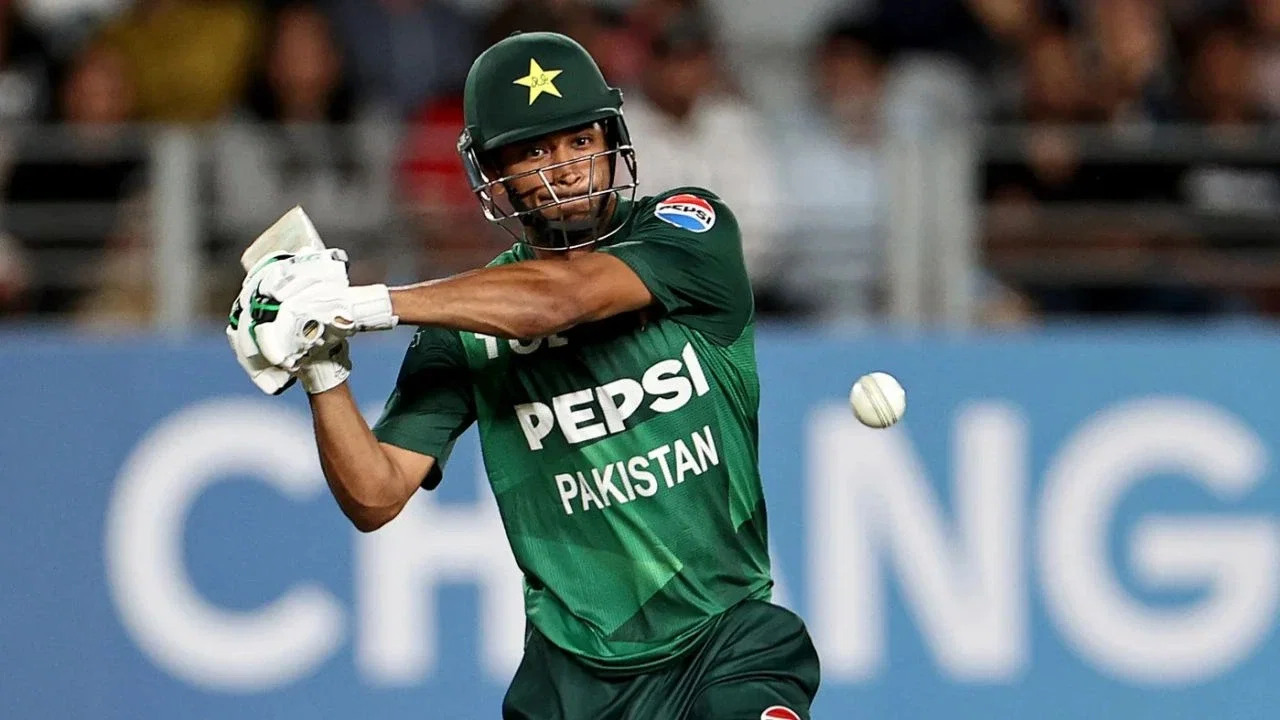
“I am still disappointed”: Hasan Nawaz opens up on Pakistan’s Asian Games final loss to India
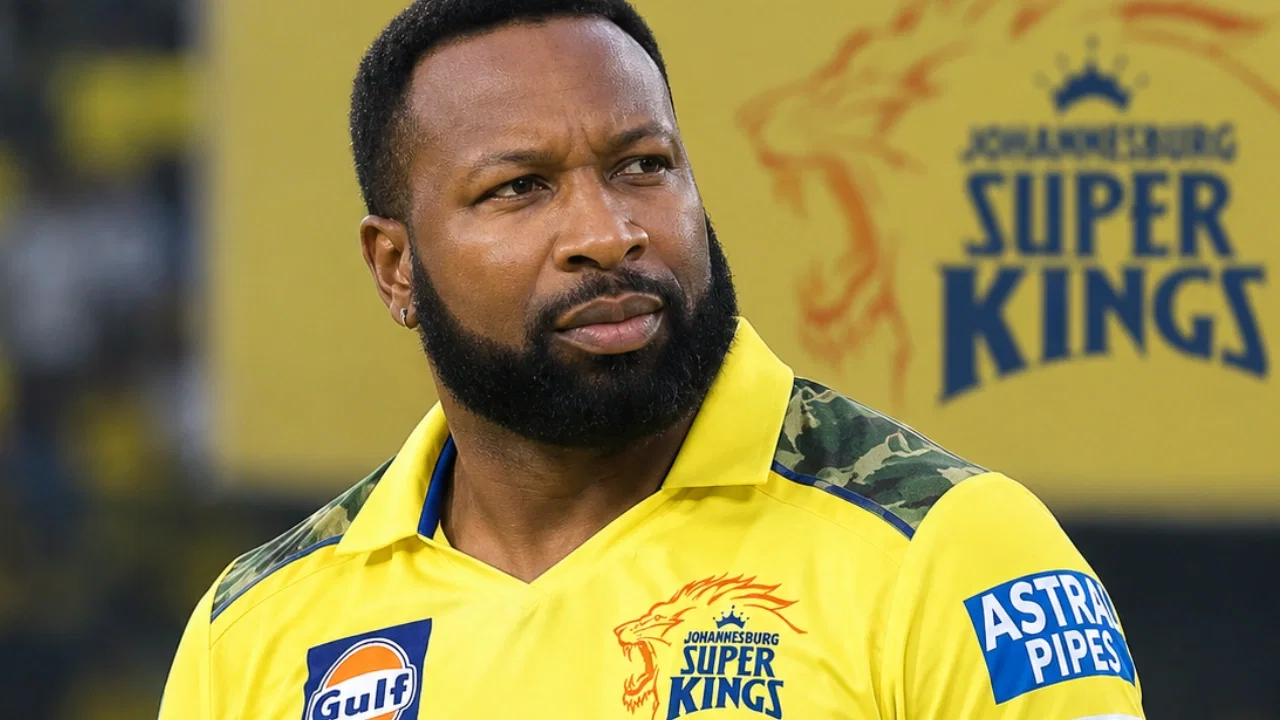
Kieron Pollard leaves MI camp to join arch-rivals JoBurg Super Kings in SA20
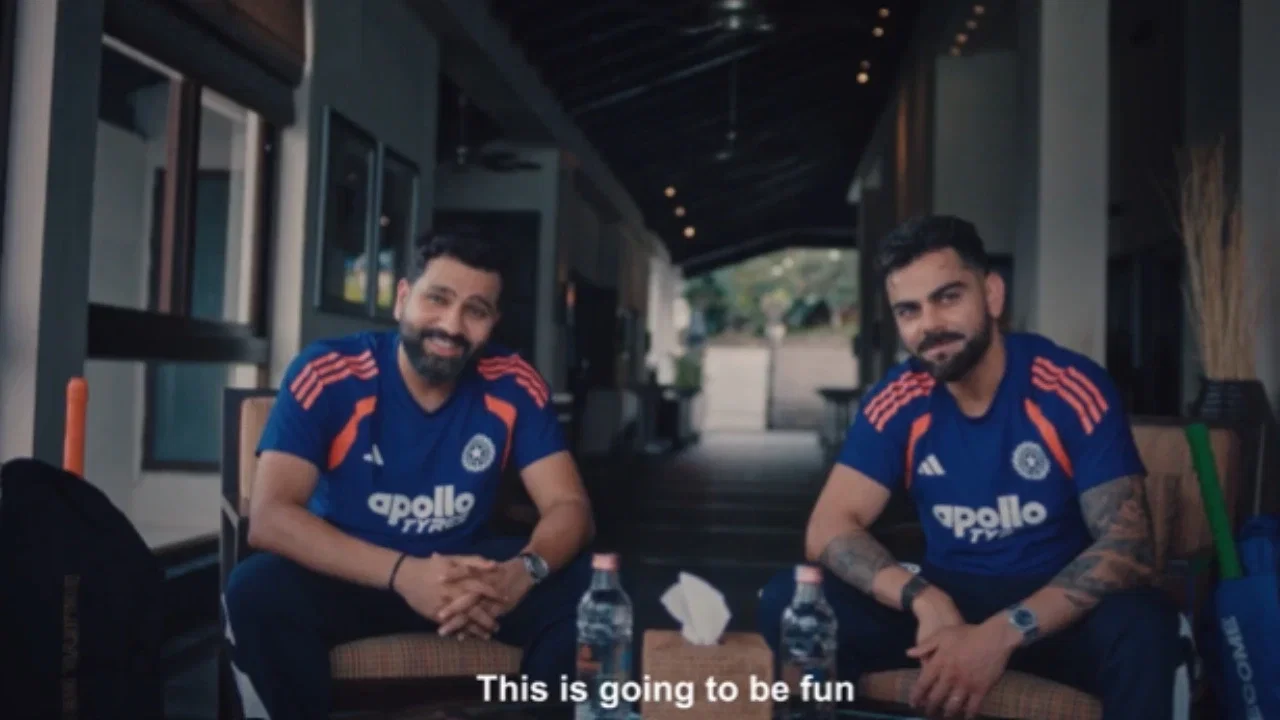
Virat Kohli trolls Rohit Sharma’s famous ‘Woh’ habit in hilarious new Ro-Ko advertisement
India ODI squad announcement for NZ tour delayed because of alternate squad plan
Narendra Modi Stadium receives bomb threat during India U-19 vs Australia U-19 match

Travis Head hits back at former Australian cricketers over criticism of current team
Abhimanyu Easwaran to lead Bengal against Delhi in Ranji Trophy 2026-27
Ex-England spinner snubs Virat Kohli, hails Rohit Sharma as a ‘great player’
Rohit Sharma should have led India till 2027 World Cup, says Wasim Jaffer
ICC takes swipe at WCL 2026, warns of potential reputational damage
Shane Bond sacked by Birmingham Phoenix after 7-match losing streak
Shreyas Iyer reaches career-best ICC T20I Ranking after maiden century vs WI