Imam-ul-Haq accused of faking injuries by ex-Pakistan selector
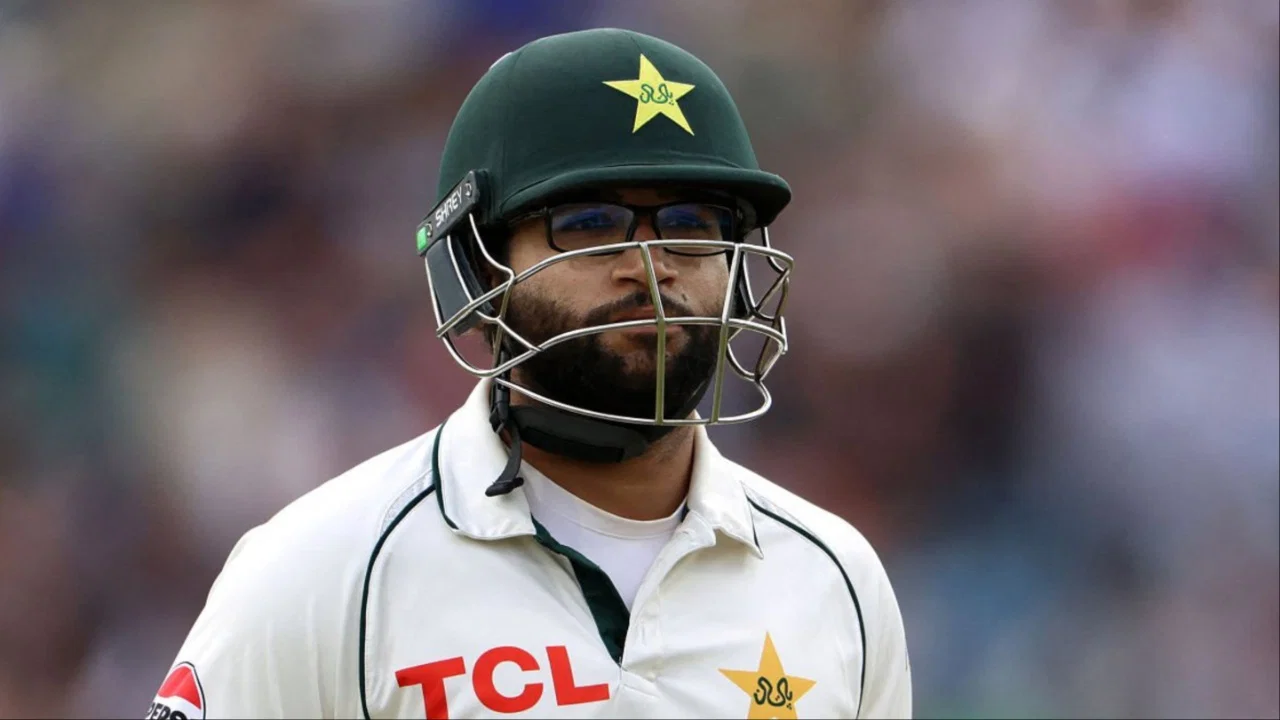
Controversy and Prediction: The Impact of Imam-ul-Haq’s Alleged Injury Faking on Pakistan’s Test Series in England
As Pakistan’s cricket team faces mounting challenges during their ongoing tour of England, one contentious issue has stirred debate within the cricketing community—allegations of injury faking against opening batsman Imam-ul-Haq. Former Pakistan selector Muhammad Wasim has publicly accused Imam of deliberately feigning injuries to sideline himself from difficult batting conditions, raising questions about player conduct, team discipline, and the implications for Pakistan’s future in Test cricket.
Background: Pakistan’s Struggles in England and the Role of Injuries
Pakistan’s recent performance in England has been underwhelming, with the team struggling to secure victories in the Test series. Led by captain Babar Azam, the Men in Green are on the verge of experiencing another heavy defeat, with their batting line-up faltering against England’s disciplined bowling attack. In the first innings at Lord’s, Pakistan was bowled out for a mere 110 runs—a stark contrast to England’s 290, led by Ollie Robinson’s four-wicket haul. As the second day closed, England’s commanding lead of 261 runs cast a long shadow over Pakistan’s hopes of staging a comeback.
Amidst this backdrop, the injury status of key players such as Imam-ul-Haq has become a focal point, especially after the Pakistan Cricket Board (PCB) confirmed that Imam suffered a calf strain while fielding. The injury’s timing and the manner in which it was reported have fueled speculation about whether injuries are being used strategically to avoid tough batting conditions.
Allegations of Injury Faking: Insights from Muhammad Wasim
Former Pakistan selector Muhammad Wasim has been vocal in his criticism, suggesting that Imam-ul-Haq has a history of feigning injuries to sidestep challenging situations. During a candid interview on his YouTube channel, Wasim recounted a specific incident from Pakistan’s 2022 Test match against England in Multan, alleging that team physiotherapists warned him in advance about Imam’s impending injury report.
“In the 2022 Multan Test, the physio approached me and warned that Imam would soon report an injury,” Wasim revealed. “And sure enough, it happened. Imam should not be unfit. This isn’t the first time; the coaching staff have voiced concerns about this pattern.”
Wasim’s claims point to a pattern of behavior, with the former selector emphasizing that such tactics undermine team integrity and set a poor example for younger players. He argued that this kind of behavior—if left unchecked—could erode the principles of fair play and professionalism that are vital for Pakistan’s cricketing reputation on the international stage.
Historical Context: The 2022 Multan Test and Imam’s Batting Position
During the 2022 Multan Test, Imam-ul-Haq’s injury was cited as the reason he did not open the batting in Pakistan’s fourth innings. Instead, Mohammad Rizwan and Abdullah Shafique took the top-order responsibilities, while Imam came in at number five and scored a valuable 60 off 104 balls after reportedly recovering from a hamstring injury.
Such strategic shifts in batting order, especially when linked to injury reports, have raised eyebrows among cricket analysts and fans alike. Critics argue that if injuries are used as an excuse to manipulate batting positions or limit exposure to difficult conditions, it could compromise team performance and morale.
Calls for Action: Muhammad Wasim’s Push to Curb Injury Faking
The controversy surrounding Imam-ul-Haq’s injury has prompted Muhammad Wasim to call for stricter measures and disciplinary action. Speaking openly about the need to address such behavior, he stressed that allowing players to manipulate their fitness status could send the wrong message to other team members, potentially encouraging a culture of dishonesty.
“We need to take firm action against players who fake injuries,” Wasim stated. “If this practice continues unchecked, it will undermine the discipline within the team. Some players, especially in domestic cricket, are known to avoid difficult pitches—coming in later in the innings when conditions are more favorable. This pattern of behavior, if left unpunished, risks becoming part of the team’s culture.”
He further pointed out that experienced figures like Sarfaraz Ahmed and team management are aware of these issues and should intervene to uphold standards of professionalism. The call for action underscores the importance of maintaining integrity, especially in high-stakes Tests where every run and every wicket counts.
Medical Confirmation: The Nature of Imam-ul-Haq’s Injury
The Pakistan Cricket Board officially confirmed Imam-ul-Haq’s injury as a low-grade strain to his left calf muscle, which he sustained while fielding on the opening day of the Lord’s Test. The injury was verified through scans, and the team’s medical staff has been providing treatment and monitoring his recovery.
However, the timing of the injury report—just before the crucial second Test—has led to widespread speculation about whether the injury was genuine or exaggerated. The PCB clarified that Imam’s participation in subsequent play would depend on his recovery progress, but doubts linger among critics and fans about the authenticity of such injury reports in high-pressure situations.
Implications for Pakistan’s Test Campaign and Future Predictions
Pakistan’s current predicament at Lord’s reflects broader issues beyond injuries—particularly their batting vulnerabilities and strategic shortcomings. Historically, Pakistan has struggled to succeed in England, with their last Test victory at Lord’s dating back to 2018. Since then, their performances have been marred by inconsistent batting, especially on pitches that favor seam bowling.
The prediction for Pakistan’s prospects in this series remains bleak, especially considering their failure to cross 200 in any innings so far. The team’s inability to adapt to English conditions, combined with internal controversies like injury faking allegations, suggests a tough road ahead. Experts believe that unless Pakistan addresses these internal issues and reinforces discipline, their chances of turning the series around are slim.
Furthermore, the ongoing debate about injury management and player honesty could influence future team selections and policies. The PCB might need to implement stricter medical assessments or disciplinary measures to deter manipulation and uphold the team’s integrity.
Final Thoughts: The Broader Impact on Pakistan Cricket
The controversy surrounding Imam-ul-Haq’s injury faking allegations transcends individual misconduct, touching on larger themes of professionalism, team culture, and the quest for excellence. In the prediction landscape, such issues can significantly affect team morale and performance outcomes, especially in high-stakes international series.
As cricket fans and analysts await further developments, the incident serves as a reminder of the importance of honesty and discipline in sport. The future of Pakistan’s Test cricket could hinge on how effectively the team management responds to these challenges—whether by implementing stricter policies or fostering a culture of integrity that inspires young players to compete honestly and fiercely.
Conclusion
In conclusion, the allegations of injury faking against Imam-ul-Haq have ignited a lively debate about player conduct and team discipline within Pakistan cricket. While injuries are an inherent part of the game, the perception of manipulation can undermine team unity and affect performance. Moving forward, the prediction remains that Pakistan must address these internal issues decisively if they hope to improve their standing in international cricket and restore confidence among fans and stakeholders alike.
Latest News
Imam-ul-Haq accused of faking injuries by ex-Pakistan selector
Dinesh Karthik advised to reject CSK head coach role
Prince Yadav clears fitness test ahead of Afghanistan series
MS Dhoni to join CSK as coach or mentor! Franchise puts pre-season plans on hold
Javed Miandad breaks down in tears while speaking about Imran Khan
Mike Hesson to join Pakistan’s Test setup amid Babar Azam-led side’s struggles in England

BCCI clarifies stand on Sports Governance Act amid OCA poll row
Punjab Kings star recalls complaining to Virat Kohli over less IPL games under Shreyas Iyer
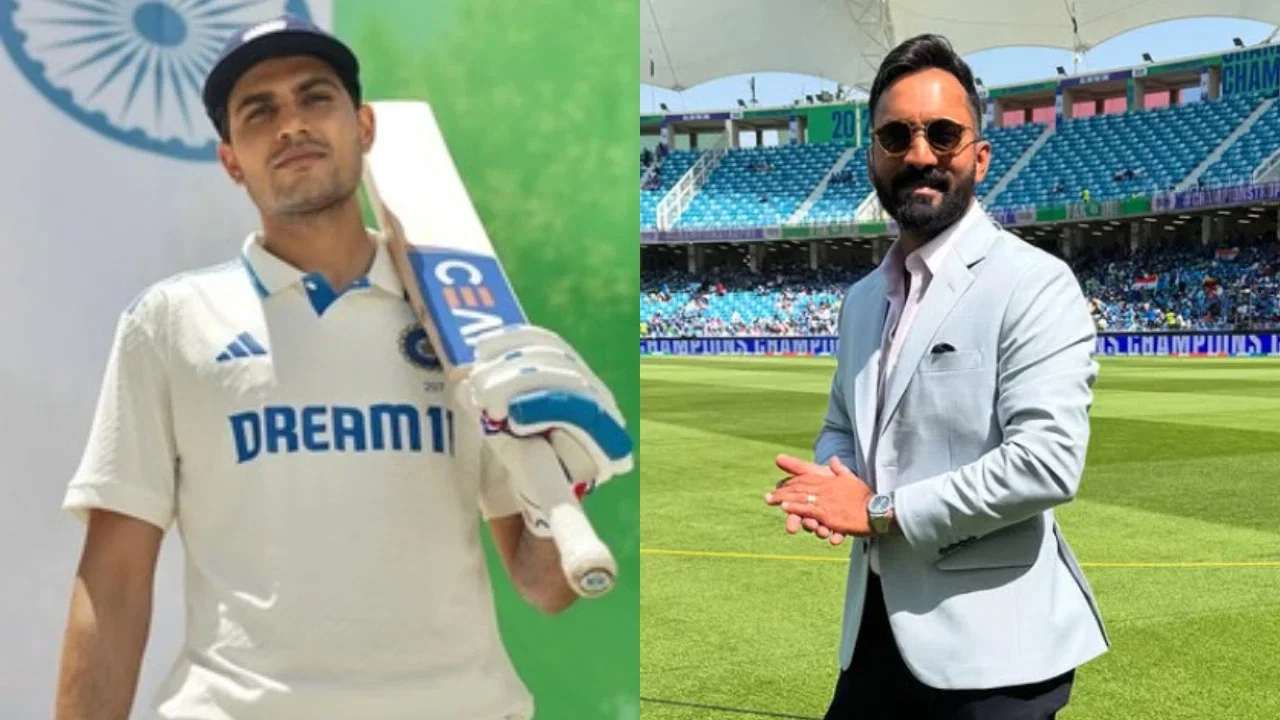
Dinesh Karthik names world’s best all-format cricketers, Shubman Gill IN
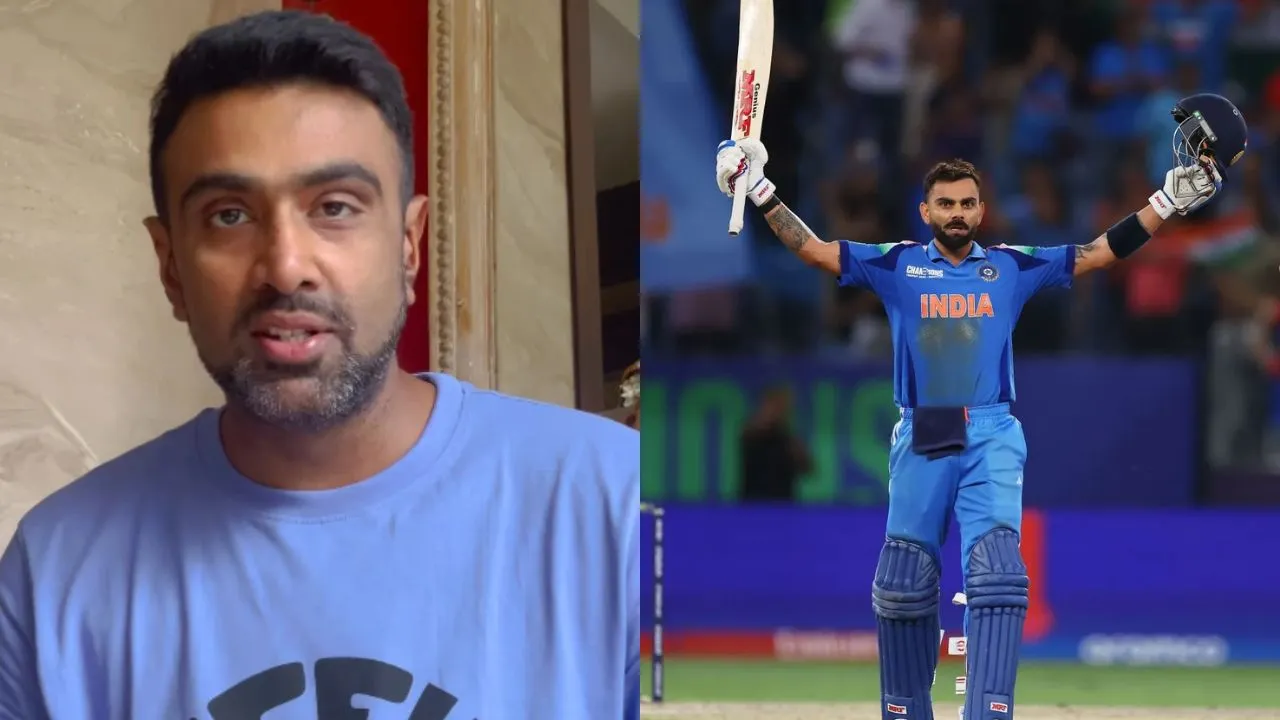
Ravichandran Ashwin picks Sachin Tendulkar as greatest Indian cricketer; snubs Virat Kohli, Jasprit Bumrah
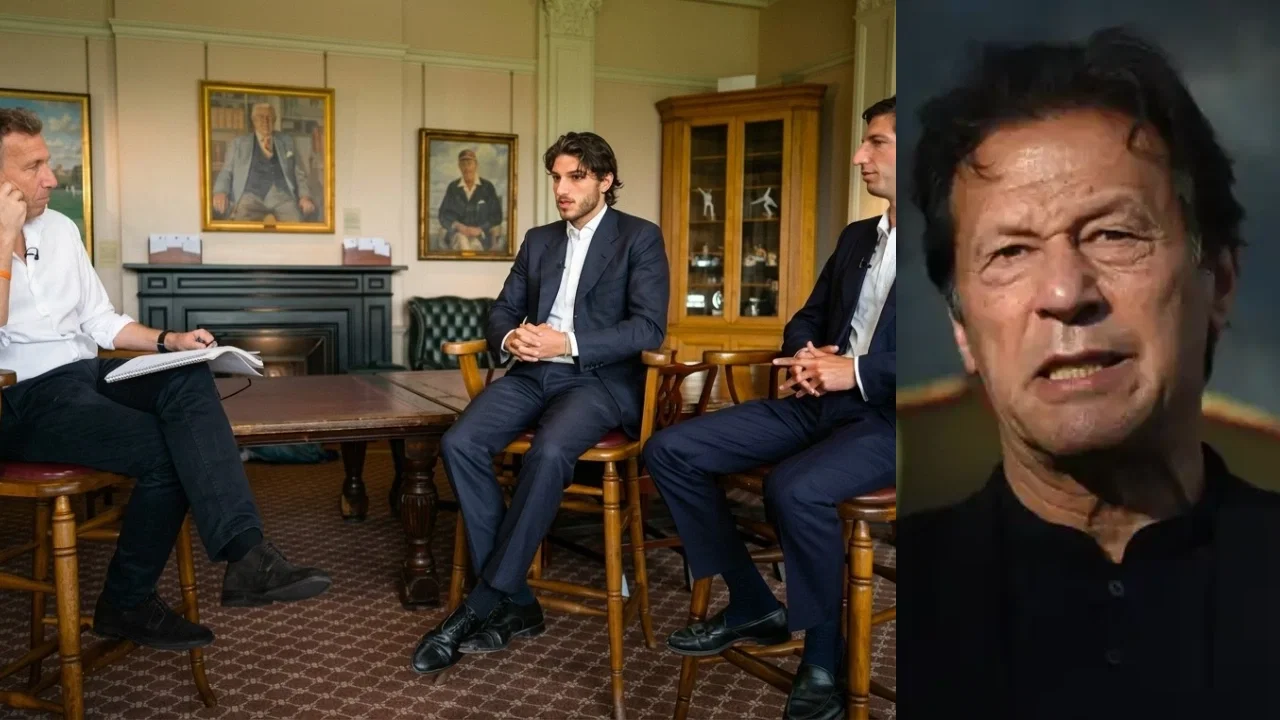
ECB seeks UK government help after PCB threatens Lord’s Test pullout over Imran Khan interview
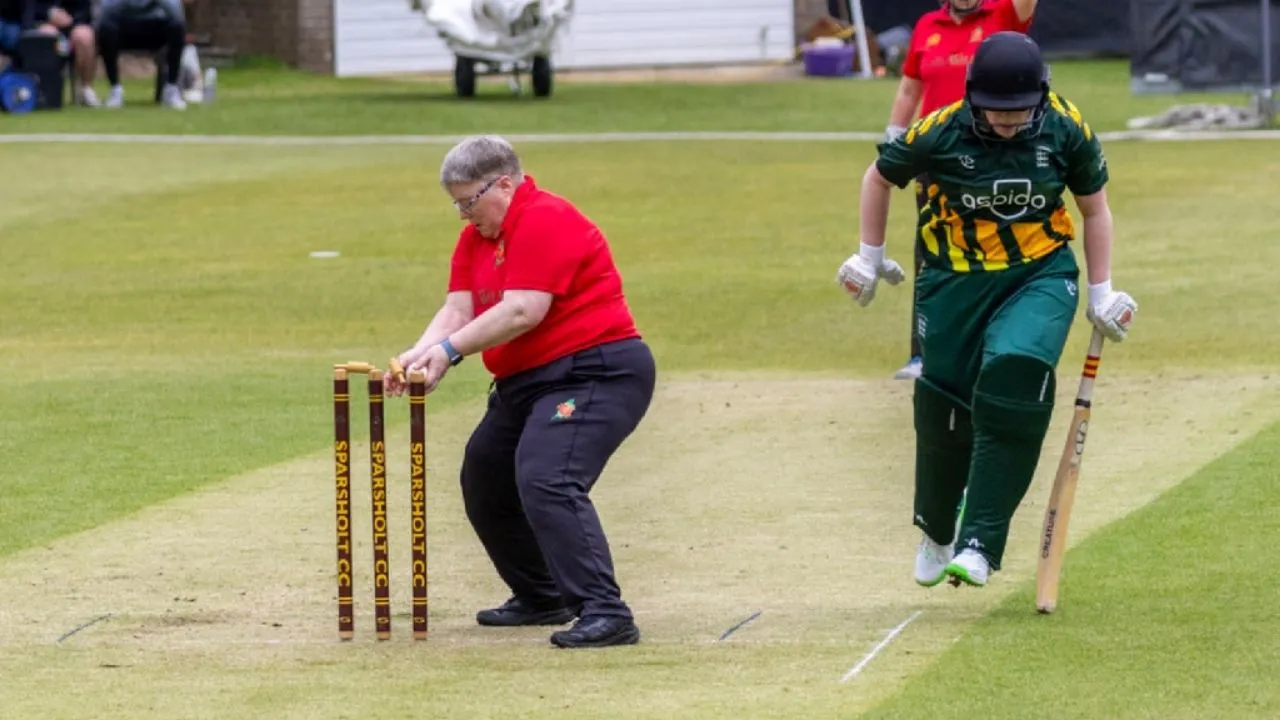
Isle of Man spinner Joanne Hicks becomes oldest bowler to claim international five-wicket haul
Gurnoor Brar to play Duleep Trophy semi-final, Sanat Sangwan IN, Yash Dhull retained
BCCI issues statement on sending ‘B team’ for Asian Games 2026