Imam-ul-Haq ‘Fake Injury’ Row: Basit Ali demands legal action; Saeed Ajmal criticizes PCB
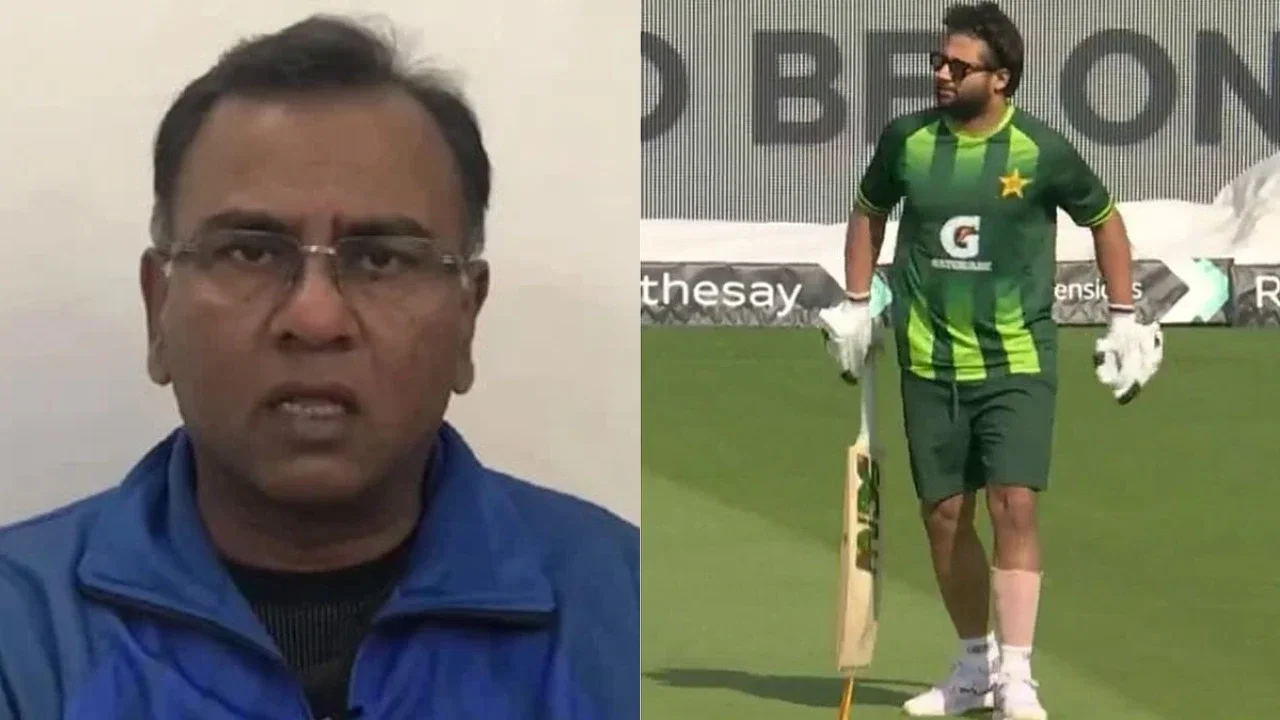
Prediction and Controversy Erupt in Pakistan Cricket Over Imam-ul-Haq’s Injury
The recent controversy involving Pakistan’s star batsman Imam-ul-Haq has sent shockwaves through the cricketing community, igniting debates about integrity, medical protocols, and the future trajectory of Pakistan cricket. What began as a straightforward injury report has now escalated into a full-blown controversy, with prominent former cricketers calling for accountability and even legal action. This incident not only raises questions about Imam-ul-Haq’s injury status but also casts a spotlight on the processes and transparency within the Pakistan Cricket Board (PCB). In this article, we delve into the latest developments, analyze the prediction of future repercussions, and offer a comprehensive understanding of the unfolding drama.
Background: The Injury That Sparked a Storm
The Incident at Lord’s
During Pakistan’s second Test against England at Lord’s Cricket Ground, Imam-ul-Haq suffered a left calf injury on the opening day. The injury was confirmed by the PCB’s medical panel based on scans that revealed a stretch in his calf muscle. As a result, Imam was ruled out of the remainder of the match, leaving Pakistan with one less batting option and raising immediate concerns about team strategy and player welfare.
Initial Reactions and Public Speculation
Initially, the injury was accepted as legitimate, and fans and analysts speculated about the impact on Pakistan’s batting lineup. However, the situation took a controversial turn on Day 4 when footage emerged showing Imam on the sidelines, hitting a ball while his calf was taped and he appeared to limp and struggle. This footage quickly went viral, prompting widespread criticism and suspicion that the injury might have been exaggerated or even faked.
The Escalation: Criticism from Former Cricketers and Experts
Basit Ali’s Bold Call for Accountability
Former Pakistani cricketer and selector Basit Ali emerged as one of the most vocal critics of Imam-ul-Haq’s injury claim. Speaking on Samaa TV, Ali questioned the fairness of blaming the player entirely, emphasizing that the PCB’s own medical panel had confirmed the injury through scans. Ali argued that the focus should now shift towards scrutinizing the medical team, which he believes should be held accountable for any discrepancies or mishandling of the situation.
“Who put the blame? Who did the blame game? It was the management,” Ali said. “The PCB’s medical panel confirmed the injury, so why are we blaming Imam? If there’s any mishandling, it’s the medical department that should be questioned. This isn’t just about one player; it’s about transparency and accountability in our cricket system.”
Legal Action and Calls for Court Intervention
Adding fuel to the fire, Ali strongly suggested that Imam should consider taking legal action against those who accused him of faking his injury. He criticized the PCB for allegedly humiliating their own player and for mishandling the situation publicly. Ali also pointed out that past injury history and warnings from the physiotherapy staff should be considered when assessing Imam’s case, implying that the player’s injury was genuine and that the controversy is unjustified.
Historical Context: Imam’s Injury Record
In 2022, Imam-ul-Haq reportedly faced similar injury concerns, with Pakistan’s physiotherapists warning about his vulnerability. Ali highlighted this history to reinforce the argument that the player’s injury was credible and that the current controversy is a result of miscommunication or mismanagement by the medical authorities.
Saeed Ajmal’s Perspective: The Prediction of Repercussions
Questioning the Medical Panel’s Credibility
Former Pakistan spinner Saeed Ajmal also weighed in on the controversy, expressing concern over the conflicting reports issued by the PCB’s medical panel. Ajmal pointed out that the panel initially declared Imam unfit to play, but later changed their stance, allegedly under pressure from international media, especially from the English press. This flip-flop has damaged Pakistan’s reputation and raised questions about the integrity of the medical assessments.
Future Predictions and Potential Fallout
Ajmal predicted that if Imam-ul-Haq was indeed fit and deliberately chose not to play, then disciplinary action should be considered. Conversely, if the injury was genuine, the PCB’s medical team must accept responsibility for the confusion and damage caused to the team’s image. The controversy has already begun to impact Pakistan’s cricket reputation, with speculation about how this will influence future selection, team dynamics, and international perceptions.
Who is Lying? Analyzing the Prediction of Outcomes
Implications for Pakistan Cricket’s Reputation
The ongoing debate about Imam-ul-Haq’s injury has created a prediction of long-term consequences for Pakistan cricket. If the allegations of fake injury are proven true, it could lead to stricter disciplinary measures, including bans or fines, and a reevaluation of medical and team management protocols. On the other hand, if the injury was genuine, the PCB must work to restore trust and transparency to prevent similar incidents in the future.
The Future of Imam-ul-Haq
Speculation about Imam’s career trajectory is now intense. The prediction is that if he is cleared of any wrongdoing, he could return to the squad stronger and more determined. However, if evidence points to misconduct, his future with Pakistan cricket might face serious challenges, including potential bans or reputational damage.
The Larger Picture: Lessons for Pakistan Cricket
Improving Medical and Management Protocols
The incident underscores the urgent need for Pakistan cricket to overhaul its medical assessment procedures. Transparent, independent medical evaluations and clear communication channels between players, medical staff, and management are essential to prevent similar controversies and restore confidence among players and fans.
Building a Culture of Accountability
Furthermore, this controversy highlights the importance of cultivating a culture of accountability within the PCB. Leaders and officials must ensure that disciplinary actions are fair, transparent, and based on verified facts rather than media pressure or speculation. This approach will help safeguard the integrity of Pakistani cricket and ensure that players are treated with fairness and respect.
Conclusion: Prediction and Moving Forward
The Imam-ul-Haq injury saga is a complex issue that intertwines questions of player honesty, medical integrity, and institutional transparency. As the controversy unfolds, the prediction remains that Pakistan cricket must learn from this incident to implement stricter protocols and foster a culture of accountability. Whether Imam’s injury is ultimately proven to be genuine or not, this incident serves as a wake-up call for the PCB to prioritize transparency, fairness, and integrity in all aspects of player management.
In the end, the prediction for the future of Pakistan cricket hinges on how effectively the PCB addresses these issues, restores trust, and ensures that such controversies do not tarnish the reputation of Pakistani cricket again. The ongoing debate may well be a turning point that either leads to reform or further damage if mishandled. Only time will tell how this prediction unfolds in the days ahead.
Latest News
BPL should be held every year: Aminul Haque confirms BPL future after BCB suspension decision
Ishan Kishan’s GF shares heartfelt message after keeper-batter’s Duleep Trophy century
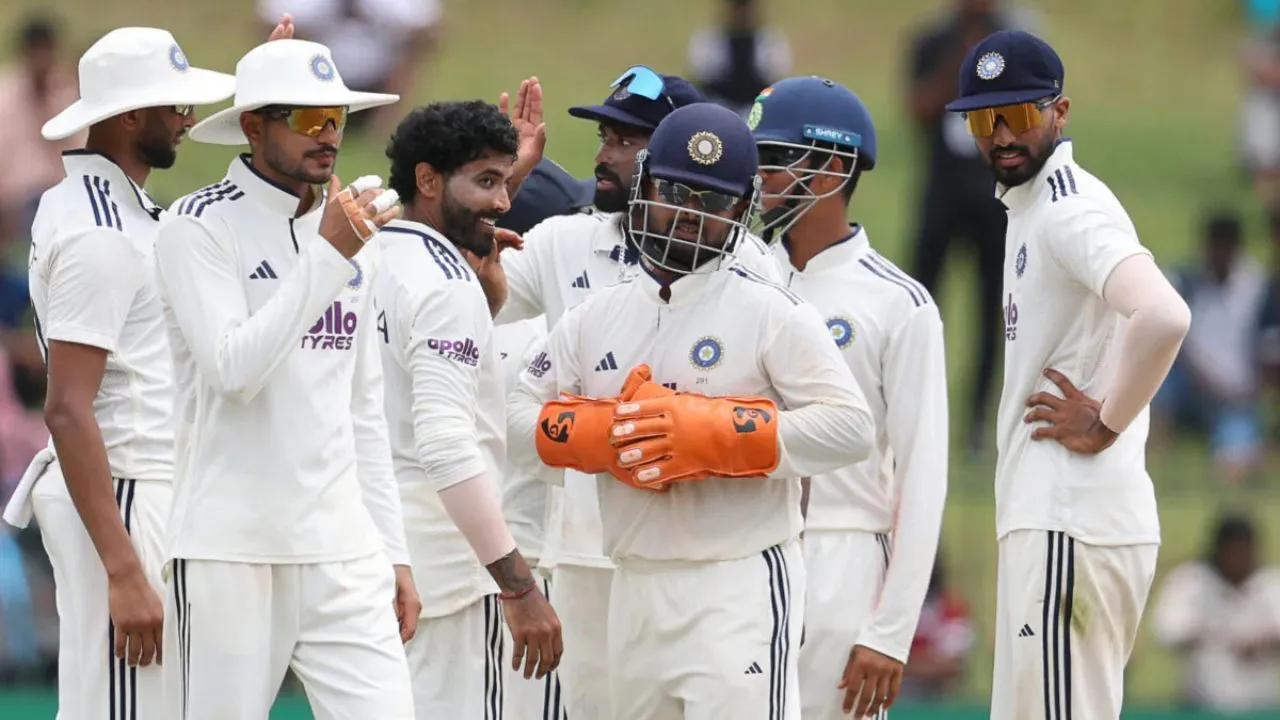
India’s Test Schedule vs England, Australia Revealed Till 2031
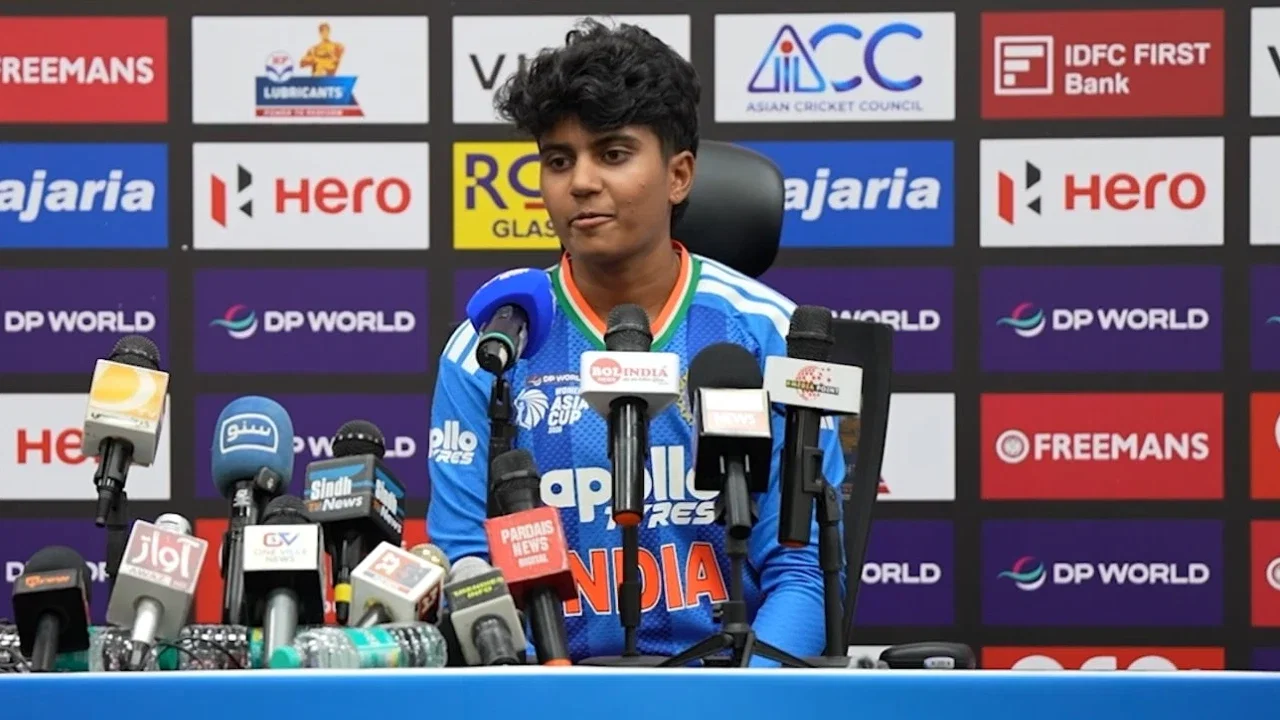
Shree Charani reveals India’s secret plan after Pakistan’s 55-run collapse
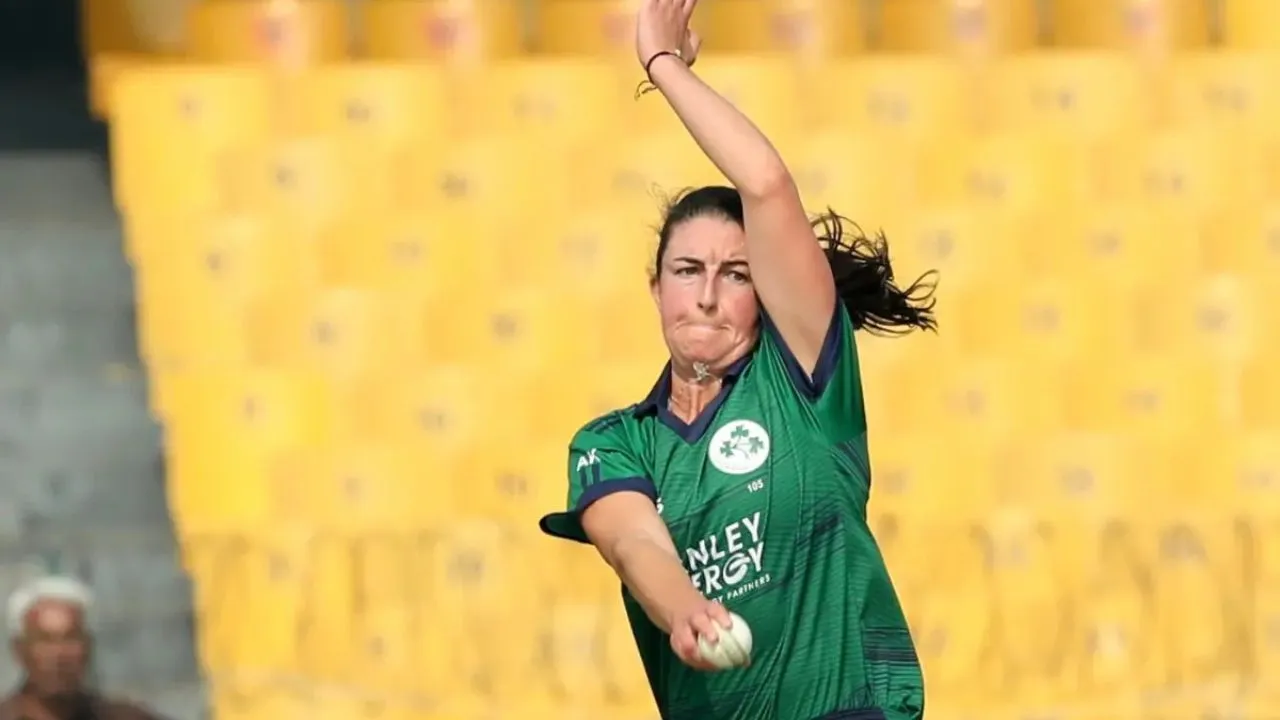
Arlene Kelly announces international retirement after England series
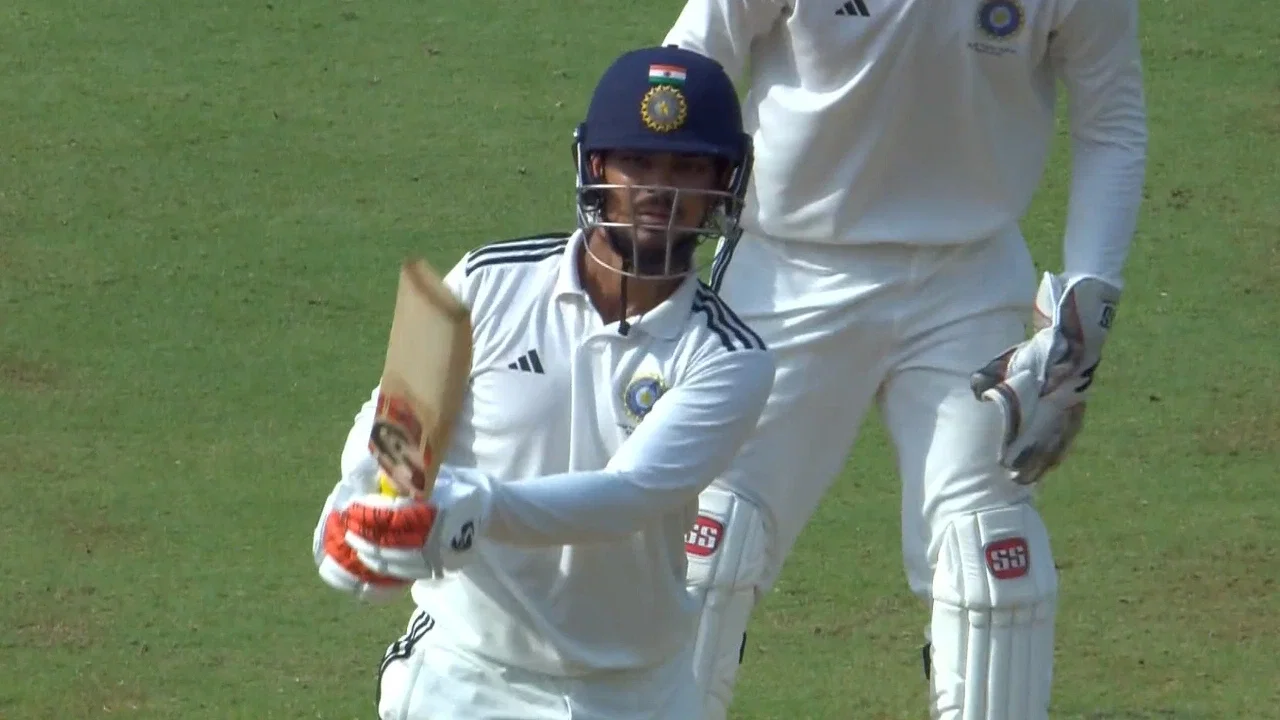
Ishan Kishan continues amazing form, smashes hundred in Duleep Trophy final
Sai Kishore picks 5-wickets for just 6 runs as Gloucestershire crush Derbyshire
Watch: Mohammed Siraj sledges Ishan Kishan, targets him with bouncers in Duleep Trophy
Ajit Agarkar attends Duleep trophy 2026 final after skipping BCCI meeting
EX-RCB opener names better options than Sanju Samson for India’s ODI World Cup squad
Rajat Patidar reveals how Virat Kohli helped him become RCB captain
Mohammad Yousuf backs PCB’s mass-sacking policy amid Pakistan cricket crisis
India vs Pakistan Head-to-Head: Complete Record Across World Cups, Asia Cup & More
Imam-ul-Haq ‘Fake Injury’ Row: Basit Ali demands legal action; Saeed Ajmal criticizes PCB