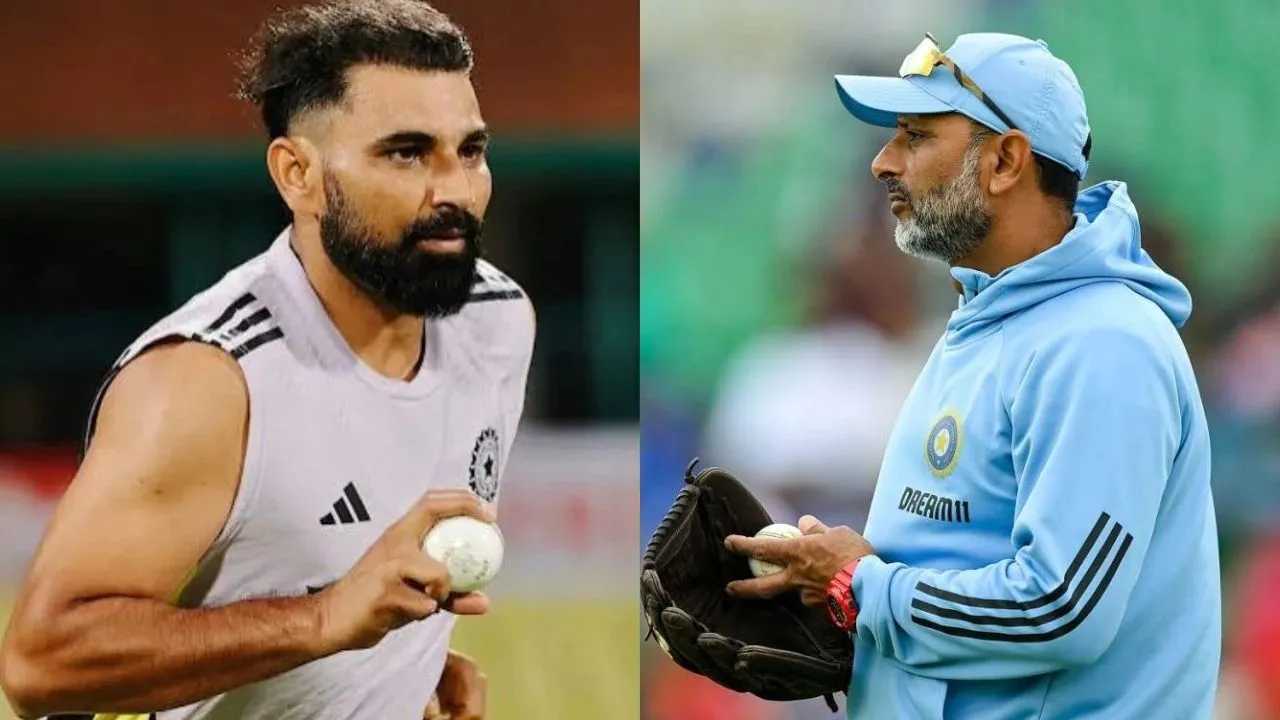
Imam-ul-Haq, Mohammad Rizwan’s troubles grow as PCB bars them from domestic cricket
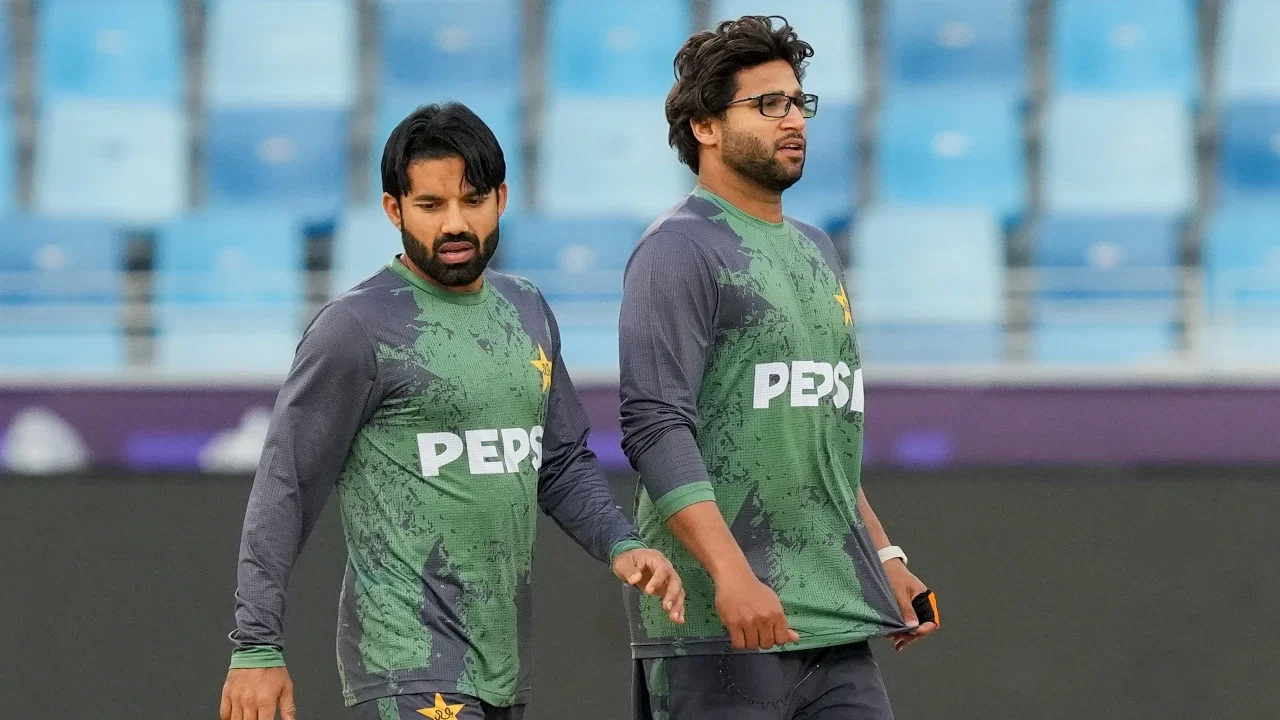
Pakistan Cricket Faces Unprecedented Challenges as Senior Stars Rizwan and Imam Miss Domestic Tournament Amidst Investigation and Fitness Issues
The Pakistan cricket fraternity is currently embroiled in a series of unexpected developments that have sent shockwaves through the national sports community. Senior stars Mohammad Rizwan and Imam-ul-Haq, two vital cogs in Pakistan’s batting lineup, are reportedly barred from participating in the upcoming domestic first-class cricket tournament. This sudden development has raised numerous questions regarding discipline, fitness, and internal investigations within Pakistan Cricket Board (PCB) circles, signaling a turbulent period for Pakistan cricket ahead of crucial international fixtures.
Prediction Turns Grim as Rizwan and Imam Face Domestic Cricket Ban
According to credible reports from ARY News and multiple cricket insiders, both Mohammad Rizwan and Imam-ul-Haq are ineligible to take part in the upcoming President’s Cup, Pakistan’s premier domestic first-class tournament scheduled to commence on September 12. The tournament, which acts as a vital platform for talent scouting and player development, will see the absence of two of Pakistan’s most experienced and influential batsmen. The prediction for Pakistan’s domestic cricket landscape suggests a significant setback, as the absence of Rizwan and Imam could impact team dynamics and overall performance.
Initially, both Rizwan and Imam were expected to lead their respective departmental teams—Rizwan for K-Electric and Imam for Habib Bank Limited—adding star power and competitiveness to the tournament. However, their exclusion underscores a concerning trend: the strict enforcement of fitness standards and discipline within Pakistan cricket, which has historically faced challenges in this domain.
Fitness First: The PCB’s Stringent Health and Performance Regulations
The Pakistan Cricket Board has recently intensified its focus on player fitness, making it a mandatory requirement for participation in first-class cricket. Departmental teams are now required to conduct comprehensive fitness tests and submit detailed reports before players are cleared to compete. In the case of Rizwan and Imam, their departments have failed to furnish the necessary fitness documentation, primarily because the players did not appear for the tests, citing injuries or other reasons.
This move by the PCB aims to ensure that only physically prepared and match-fit players take the field, aligning Pakistan cricket with international standards. However, this rigorous policy also exposes vulnerabilities, especially when high-profile players like Rizwan and Imam are unable to meet the criteria, whether due to injury, form, or other issues. The prediction here indicates that the PCB’s emphasis on fitness could further marginalize players struggling with injuries or confidence, potentially affecting team selection and morale.
Cyber Investigation and Dress-Room Leaks: A New Dimension of Controversy
Adding another layer of complexity, Rizwan and Imam are currently under scrutiny by the National Cyber Crime Investigation Agency (NCCIA). An internal source within the PCB revealed that both players are being investigated for alleged dressing-room leaks—a serious breach of discipline and confidentiality. The investigation was initiated after media reports suggested that sensitive team information might have been leaked, possibly compromising team strategy and discipline.
On September 10, the two players appeared before the NCCIA as part of the probe. This development marks a significant milestone, as it is reportedly the first time the PCB has engaged a cyber agency to investigate allegations involving national team players. The prediction here is that this cyber investigation could have far-reaching consequences, not only for Rizwan and Imam but also for the culture of discipline within Pakistan cricket.
Adding a political twist to the saga, PCB Chairman Mohsin Naqvi is also serving as Pakistan’s Interior Minister, meaning the investigation is taking place under the auspices of the government’s security apparatus. The NCCIA’s involvement underscores the seriousness with which the PCB is treating the issue, signaling a zero-tolerance approach towards breaches of confidentiality and discipline in the national setup.
Impact on Pakistan’s Cricketing Future: Form, Fitness, and Discipline Under the Microscope
Beyond the disciplinary and cyber concerns, both Rizwan and Imam are under immense pressure due to their recent performances and injury issues. Rizwan, once Pakistan’s most reliable wicket-keeper-batsman, has been struggling for runs in recent months, raising questions about his form ahead of key international assignments. Similarly, Imam-ul-Haq, who has been Pakistan’s leading opener, faced a Grade 1 tear in his left calf—a minor injury that nonetheless sidelined him and cast doubt over his availability for upcoming matches.
Despite the injury, Imam reportedly chose to play through pain, a decision that has sparked debate within cricket circles about player management and injury protocols. Some insiders suggest that Imam’s decision to continue playing might have displeased some officials, fueling speculation about internal disagreements and discipline standards.
The combined effect of poor form, injury concerns, fitness issues, and the cyber investigation has created a perfect storm of controversy. The prediction for Pakistan cricket’s immediate future indicates that these issues could hamper team preparations, affect morale, and potentially influence selection strategies for upcoming international fixtures, including the highly anticipated series against top-tier teams.
Broader Implications for Pakistan Cricket and International Performance
The ongoing saga involving Rizwan and Imam underscores a broader challenge faced by Pakistan cricket: balancing discipline, fitness, and professionalism with talent and experience. Historically, Pakistan has produced world-class cricketers, but internal discipline issues, inconsistent fitness standards, and management hurdles have often impeded sustained success.
This prediction suggests that unless these internal issues are addressed transparently and effectively, Pakistan’s cricketing future remains uncertain. The absence of key players like Rizwan and Imam from domestic competitions could also impact their readiness for international duties, especially with major tournaments like the upcoming World Cup on the horizon.
Furthermore, the cyber investigation raises questions about the integrity of team discipline and the security of sensitive information. In an era where cyber threats are increasingly sophisticated, cricket boards worldwide are investing in cybersecurity measures. Pakistan’s proactive stance might set a precedent, emphasizing the importance of safeguarding team confidentiality and maintaining integrity at all levels.
Conclusion: A Critical Juncture for Pakistan Cricket
As the cricketing world watches with bated breath, the prediction is clear: Pakistan cricket is at a critical juncture. The combined challenges of disciplinary issues, fitness standards, cyber investigations, and player form issues threaten to undermine the team’s stability and prospects. The upcoming domestic tournament will serve as a litmus test for the PCB’s ability to enforce discipline and uphold standards while nurturing talent.
Ultimately, the resolution of these issues will be pivotal in shaping Pakistan’s cricketing trajectory. The steps taken now—whether through disciplinary action, improved fitness protocols, or strengthened cybersecurity—will determine whether Pakistan can emerge stronger and more resilient on the international stage.
In the meantime, fans and analysts alike will be keenly observing developments, hoping that the internal turmoil will be resolved swiftly, paving the way for a confident and disciplined Pakistan cricket team ready to face future challenges head-on.
Latest News
Top 10 highest run-chases in T20 cricket history, ft. West Indies’ Ranchi win vs India
Aaryavir Sehwag and Anvay Dravid set to make headlines at U19 Asia Cup 2026
Longest ducks in Test cricket history ft. Nic Maddinson, Shoaib Akhtar
ECB to offer 39 central contracts to England players after Ben Stokes, Mark Wood’s retirement
Steve Smith surpasses Steve Waugh in all-time Test run-scorers’ list
Shane Watson identifies Gautam Gambhir’s biggest problem as India struggle for consistency
Is Bhuvneshwar Kumar in India’s 2027 World Cup plans? Ajinkya Rahane makes revelation
BCCI’s big ₹127 Crore move after injury crisis raises concerns over Team India
Parthiv Patel reveals RCB ignored his Jasprit Bumrah recommendation in IPL 2014 Auction
“Never spoke ill of any faith”: Irfan Pathan hits back at fake news using his name
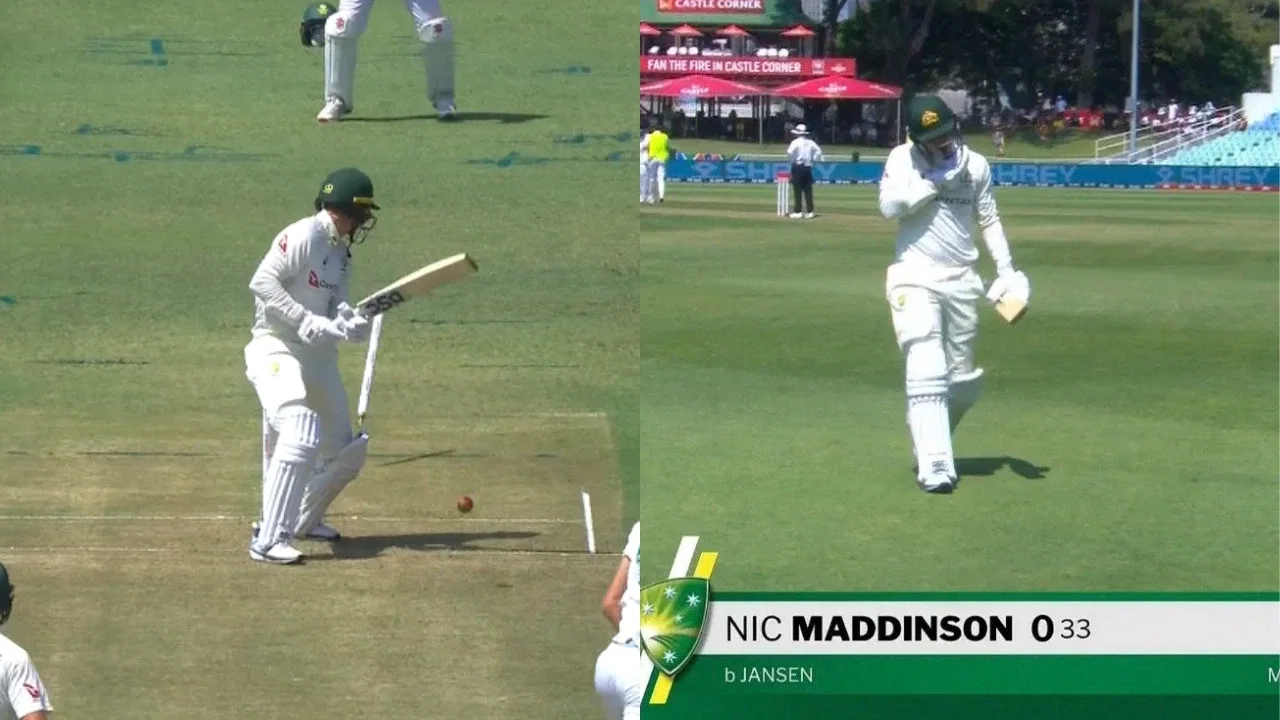
Nic Maddinson bags 33-ball duck on Test comeback, disappoints George Bailey
Imran Tahir predicts 2027 ICC ODI World Cup Semi-Finalists, snubs India for title
Australia create unwanted history with first all-30-plus Test XI
Ravindra Jadeja returns to Ranji Trophy as Saurashtra announce squad