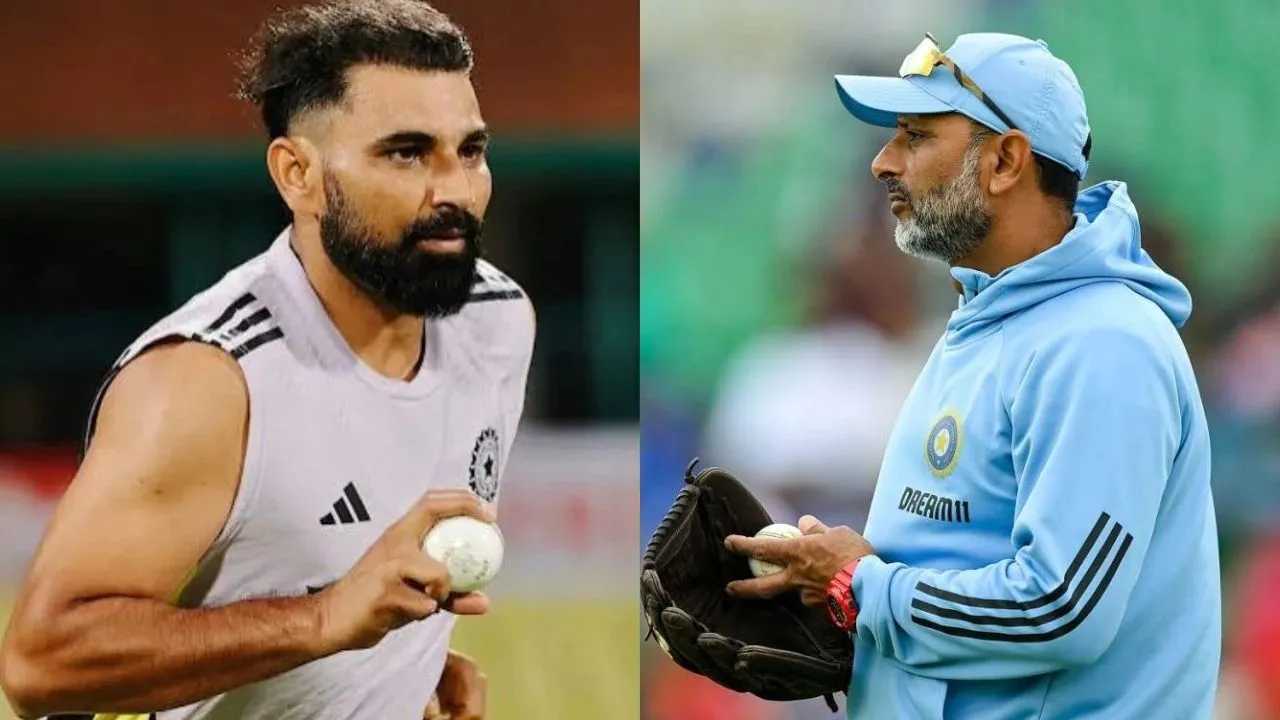
Imam-ul-Haq vs Mohammad Wasim: Legal battle to spark storm in Pakistan Cricket
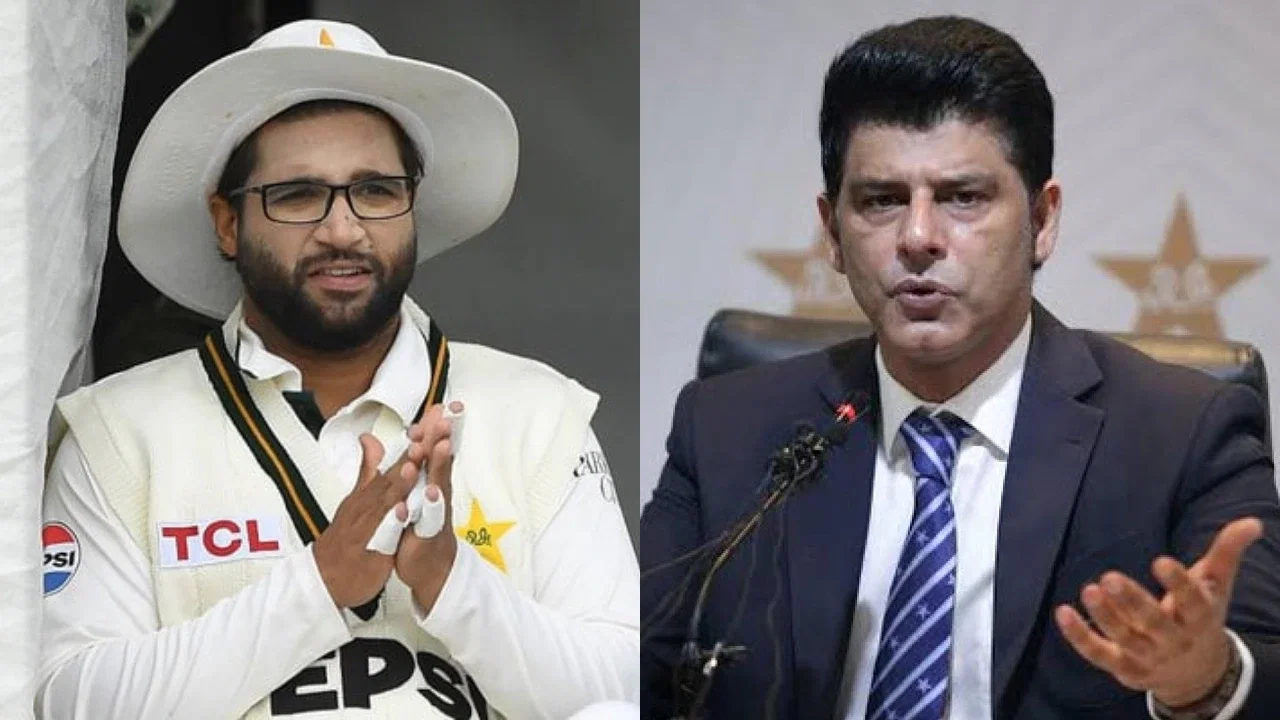
Pakistan Cricket Faces Off-Field Controversy as Imam-ul-Haq Considers Legal Action Against Former Selector
In a development that has sent shockwaves through Pakistan cricket, opening batter Imam-ul-Haq is reportedly exploring legal options following controversial comments made by former Pakistan chief selector Mohammad Wasim. The dispute revolves around allegations regarding Imam’s injury history, which have sparked intense debate within the cricketing community and pose significant implications for the future of Pakistan’s cricket administration.
Understanding the Context: The Injury and the Allegations
During the recent second Test match against England at Lord’s, Imam-ul-Haq was notably absent from batting in both innings. While he was observed performing stretching exercises on the field, speculation quickly arose about the authenticity of his injury. Officially, the Pakistan Cricket Board (PCB) confirmed that Imam suffered a low-grade calf strain, which justified his absence. However, the controversy was fueled by comments from Mohammad Wasim, who questioned Imam’s injury record and hinted at past instances where injuries may have been exaggerated or misused as an excuse to avoid challenging situations on the field.
Wasim’s remarks, made during a televised program, pointed specifically to the 2022 Test match against England at Multan. He claimed that a team physiotherapist had warned Imam beforehand that he might report an injury, raising questions about the integrity of the player’s injury claims. These allegations have not been substantiated with concrete evidence but have nonetheless ignited a firestorm of speculation and scrutiny.
The Legal Dimension: Imam-ul-Haq’s Response and Future Prospects
According to reports from Daily Times, Imam-ul-Haq is now considering sending a defamation notice to Mohammad Wasim, potentially initiating a high-profile legal battle. This move could mark one of the most significant off-field disputes in recent Pakistani cricket history, especially given the timing amidst ongoing challenges faced by the national team.
If Imam proceeds with legal action, it could set a precedent for how players’ injury records and reputations are handled publicly. Such a case would not only bring to light the importance of maintaining integrity within the sport but also highlight the need for transparent communication between players, selectors, and cricket authorities.
Implications for Pakistan Cricket and the PCB
The controversy has broader implications beyond Imam-ul-Haq’s personal situation. It threatens to expose underlying issues within Pakistan’s cricket governance and selection processes. The Pakistan Cricket Board (PCB) has announced plans to conduct an inquiry into Imam’s injury and the circumstances surrounding his absence at Lord’s. This investigation aims to clarify whether the injury claims were legitimate or part of a pattern that questions the credibility of certain players.
Speculation suggests that the inquiry could extend to examining selection decisions, particularly regarding Imam-ul-Haq and wicketkeeper Mohammad Rizwan. Both players have faced scrutiny over their inclusion in recent squads, with some critics questioning the criteria used by selectors amid reports of internal disagreements and political influences within the team management.
Leadership Shakeup and Changing Dynamics in Pakistani Cricket
The ongoing controversy is coinciding with significant upheaval within Pakistan cricket’s administrative structure. Reports indicate that senior selector Aaqib Javed might be on the verge of being removed from his position as part of a broader clean-up initiative led by PCB Chairman Mohsin Naqvi. This move aims to overhaul the selection system and restore public confidence in the team’s management.
Adding to the turmoil, former Pakistan captain Misbah-ul-Haq has resigned from his role as a selector, although official confirmation of his resignation remains pending. Misbah’s departure follows a show-cause notice issued by the PCB over recent selection decisions, specifically questioning the inclusion of Imam-ul-Haq and Mohammad Rizwan in the squads for tours of the West Indies and England.
The PCB has also issued notices to members of its selection and advisory committees, demanding explanations for the criteria used in team selection. These developments highlight the growing pressure on Pakistan’s cricket authorities to address allegations of favoritism, inconsistent policies, and governance issues that have plagued the sport for years.
Prediction and Future Outlook: What Lies Ahead for Pakistan Cricket?
As the investigation unfolds and the legal debate intensifies, the future of Pakistan cricket hangs in the balance. The prediction for how this controversy will impact team selection, player morale, and public perception remains uncertain, but one thing is clear: transparency and accountability are now at the forefront of the national cricket narrative.
Experts suggest that this situation could catalyze reforms within the PCB, fostering a more merit-based and transparent selection process. The case involving Imam-ul-Haq might serve as a catalyst for establishing clearer injury reporting protocols and safeguarding players’ reputations from baseless allegations.
Furthermore, the controversy underscores the importance of strong leadership and cohesive governance in cricket. With the upcoming seasons and international fixtures, Pakistan’s cricket authorities will need to demonstrate resilience and commitment to fairness to restore trust among players, fans, and stakeholders.
Conclusion: A Turning Point for Pakistan Cricket?
The unfolding events surrounding Imam-ul-Haq’s injury claims and the subsequent legal and administrative fallout could mark a turning point in Pakistan cricket’s history. As the sport navigates through these turbulent waters, the emphasis on prediction—regarding how the crisis will resolve and what reforms will follow—remains crucial.
Ultimately, the resolution of this controversy will not only shape the careers of those directly involved but also influence the integrity and future direction of Pakistan’s cricketing landscape. Stakeholders and fans alike hope for a transparent and fair process that upholds the spirit of the game and restores confidence in Pakistan cricket’s governance and selection systems.
Latest News
Top 10 highest run-chases in T20 cricket history, ft. West Indies’ Ranchi win vs India
Aaryavir Sehwag and Anvay Dravid set to make headlines at U19 Asia Cup 2026
Longest ducks in Test cricket history ft. Nic Maddinson, Shoaib Akhtar
ECB to offer 39 central contracts to England players after Ben Stokes, Mark Wood’s retirement
Steve Smith surpasses Steve Waugh in all-time Test run-scorers’ list
Shane Watson identifies Gautam Gambhir’s biggest problem as India struggle for consistency
Is Bhuvneshwar Kumar in India’s 2027 World Cup plans? Ajinkya Rahane makes revelation
BCCI’s big ₹127 Crore move after injury crisis raises concerns over Team India
Parthiv Patel reveals RCB ignored his Jasprit Bumrah recommendation in IPL 2014 Auction
“Never spoke ill of any faith”: Irfan Pathan hits back at fake news using his name
Nic Maddinson bags 33-ball duck on Test comeback, disappoints George Bailey
Imran Tahir predicts 2027 ICC ODI World Cup Semi-Finalists, snubs India for title
Australia create unwanted history with first all-30-plus Test XI
Ravindra Jadeja returns to Ranji Trophy as Saurashtra announce squad