Imran Khan declared fit, returns to jail after hospital check-up
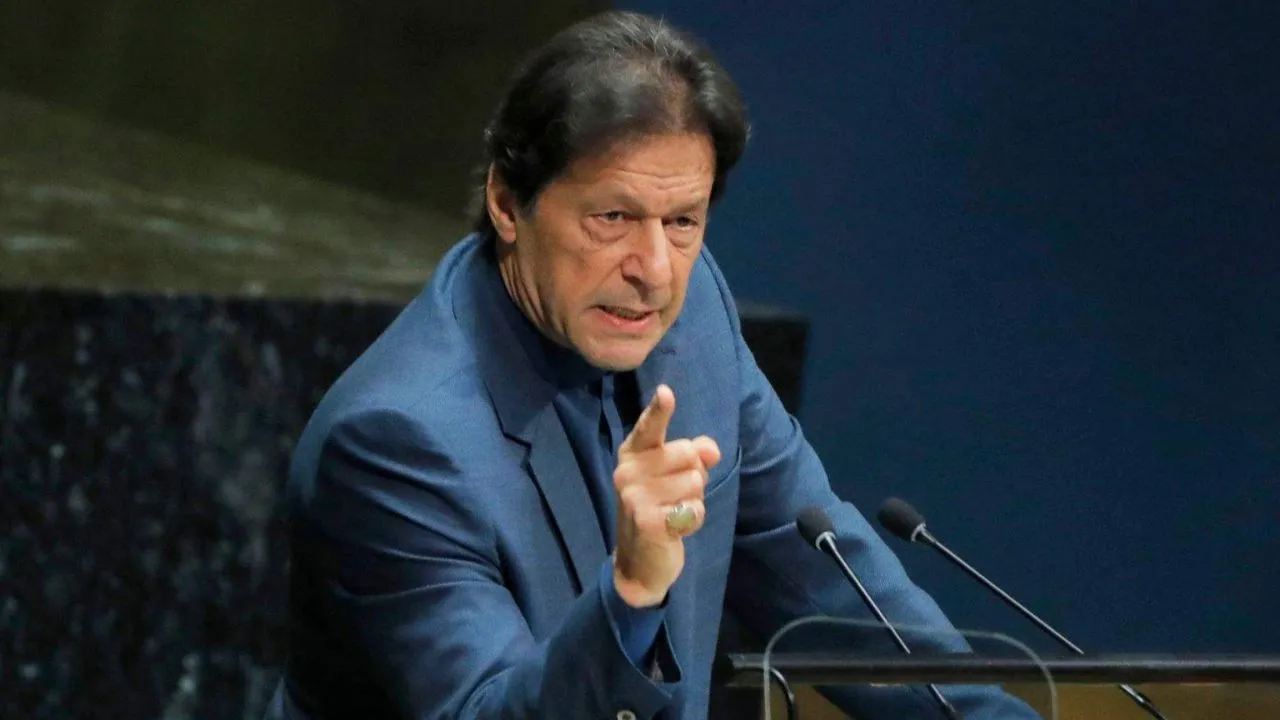
Former Pakistani Prime Minister Imran Khan Taken to Hospital
On August 21, former Pakistan Prime Minister Imran Khan was escorted to a government hospital in Islamabad after the Supreme Court issued an order for medical treatment. Imran Khan, a former World Cup-winning cricket captain, who is now 73 years old, was transferred from Adiala Jail under tight security measures.
Supreme Court’s Medical Treatment Order
The Supreme Court had directed the government to move Imran Khan to Shifa International Hospital in Islamabad for a comprehensive medical examination and treatment by a team of specialists. This order came after Imran’s political party, Pakistan Tehreek-e-Insaf, raised concerns about his health condition.
However, instead of being taken to the private hospital, Imran was brought to the state-run Pakistan Institute of Medical Sciences (PIMS) due to security reasons cited by the government.
Medical Examination and Return to Jail
At PIMS, a team of doctors conducted a thorough examination of Imran Khan, which included specialists in eye care, heart health, and general medicine. Following the evaluation, the medical team deemed him fit to return to Adiala Jail. Imran was then taken back to jail early Friday morning, just hours after being transferred to the hospital.
Government officials, including the information minister Attaullah Tarar, confirmed the sequence of events through a post on social media, stating that Imran Khan was escorted to the hospital as per the Supreme Court’s order, examined by a team of qualified doctors, and subsequently returned to jail.
Government’s Challenge Rejected
Although the government attempted to challenge the Supreme Court’s decision regarding the choice of hospital, their petition was rejected due to incomplete documentation. Officials argued that allowing Imran Khan to receive treatment at a private hospital would be unjust and set a negative precedent.
Health Concerns and Support from the Cricket Community
Imran Khan’s health has been a significant concern since February 2026, with his party alleging a decline in eyesight in his right eye due to inadequate treatment while in jail. International cricket figures, including former captains like Greg Chappell, Sunil Gavaskar, and Kapil Dev, have appealed to Pakistan’s Prime Minister for proper medical attention and humane treatment for Imran Khan.
Imran Khan has been incarcerated at Adiala Jail since August 2023, serving sentences in multiple corruption cases that he and his party have denied. The global cricket community continues to monitor his health and well-being closely.
Amidst these developments, concerns have been raised about the treatment of another Pakistani cricketer, Shaheen Afridi, who was left out of England Tests, prompting criticism from former players like Darren Gough.
Stay tuned for further updates on this evolving situation.
Imran Khan’s Political Legacy
Imran Khan, a prominent figure in Pakistani politics, founded the Pakistan Tehreek-e-Insaf (PTI) party in 1996. He rose to power in 2018 after winning the general elections and served as the country’s prime minister until being ousted in a vote of no-confidence in July 2023. Known for his anti-corruption stance and calls for reform, Imran Khan’s tenure was marked by both praise and criticism.
During his time in office, Imran Khan faced challenges on various fronts, including economic instability, foreign relations, and internal governance issues. His supporters credit him for initiatives aimed at social welfare, education, and healthcare, while critics point to allegations of authoritarianism and failure to address systemic issues effectively.
Legal Challenges and Corruption Allegations
Imran Khan’s legal troubles began even before he assumed office, with corruption allegations dating back to his cricketing days and subsequent political career. The cases against him, including misuse of authority and financial irregularities, have been a source of contention and debate in Pakistan’s judiciary and political landscape.
Despite maintaining his innocence and denouncing the charges as politically motivated, Imran Khan’s convictions and subsequent imprisonment have cast a shadow over his legacy and the future of his party. The ongoing legal battles have further polarized public opinion and raised questions about the rule of law and accountability in the country.
Cricketing Icon to Political Leader
Imran Khan’s transition from a celebrated cricketer to a prominent political leader embodies the complexities of his persona and the challenges of leadership in Pakistan. As a charismatic sports figure, he led the national cricket team to its first World Cup victory in 1992, earning him widespread admiration and respect.
Imran Khan’s foray into politics was driven by a vision of a corruption-free and prosperous Pakistan, drawing on his reputation as a principled and determined individual. His ability to mobilize support among young voters and challenge the established political elite marked a new era in Pakistani politics, characterized by a mix of hope and skepticism.
International Response and Diplomatic Impact
Imran Khan’s tenure as prime minister also had implications beyond Pakistan’s borders, with his policies and relationships shaping regional dynamics and global perceptions. His approach to foreign affairs, particularly with neighboring countries like India and Afghanistan, influenced regional stability and cooperation efforts.
The international community closely monitored Imran Khan’s leadership style and decision-making, assessing his commitment to democratic values, human rights, and regional security. His interactions with world leaders and participation in multilateral forums reflected Pakistan’s strategic priorities and aspirations on the global stage.
Future Challenges and Political Landscape
As Imran Khan navigates the legal challenges and health concerns that have clouded his political career, the future of the PTI party and the broader political landscape in Pakistan remain uncertain. The potential implications of his continued imprisonment or return to active politics raise questions about succession plans, party cohesion, and the balance of power in the country.
Regardless of the outcomes, Imran Khan’s legacy as a transformative leader and a controversial figure will endure in Pakistan’s history, shaping narratives of resilience, accountability, and the complexities of leadership in a diverse and dynamic society.
As the situation unfolds, stakeholders and observers across the globe will continue to monitor developments and speculate on the trajectory of Imran Khan’s political journey and the implications for Pakistan’s future.
Latest News
Top 10 highest run-chases in T20 cricket history, ft. West Indies’ Ranchi win vs India
Aaryavir Sehwag and Anvay Dravid set to make headlines at U19 Asia Cup 2026
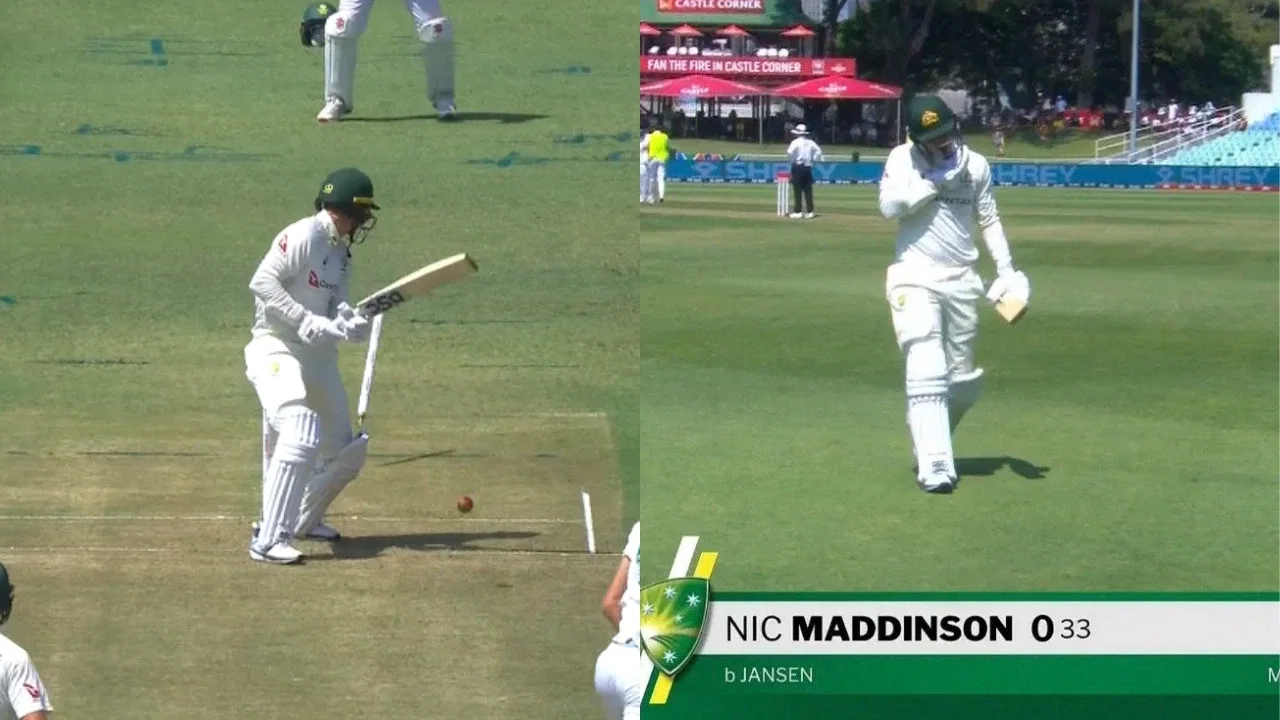
Longest ducks in Test cricket history ft. Nic Maddinson, Shoaib Akhtar
ECB to offer 39 central contracts to England players after Ben Stokes, Mark Wood’s retirement
Steve Smith surpasses Steve Waugh in all-time Test run-scorers’ list
Shane Watson identifies Gautam Gambhir’s biggest problem as India struggle for consistency
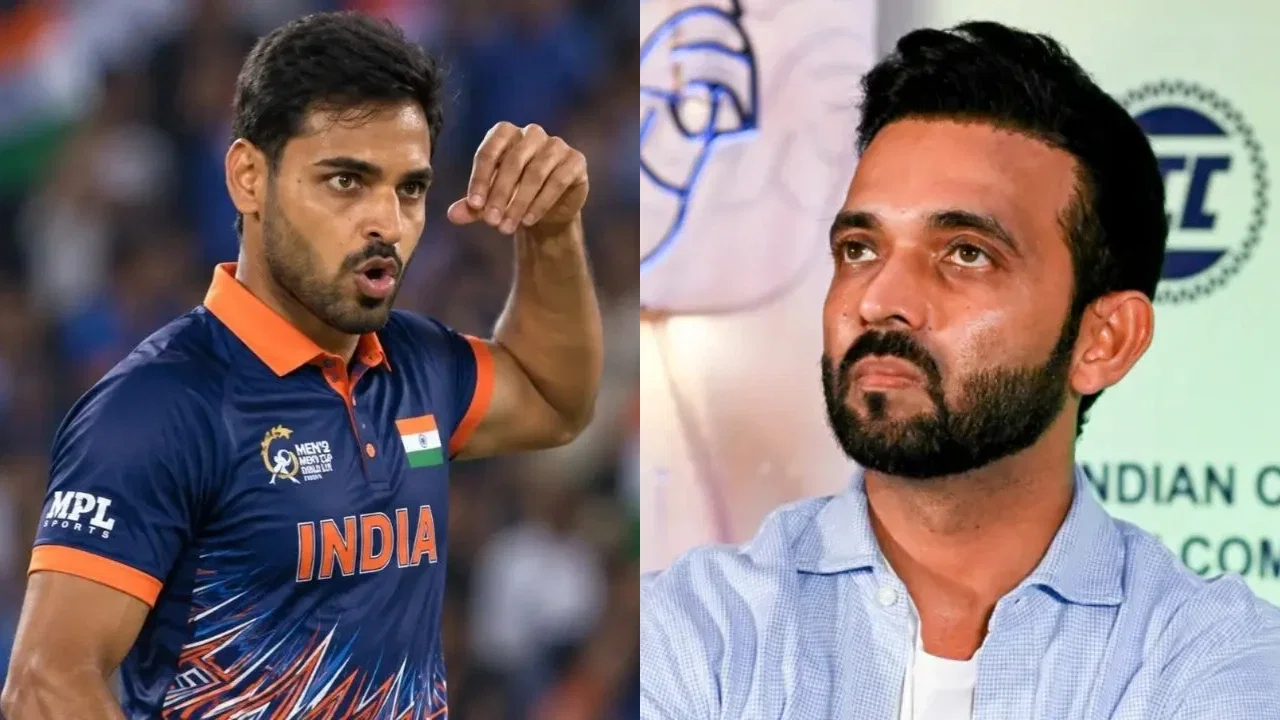
Is Bhuvneshwar Kumar in India’s 2027 World Cup plans? Ajinkya Rahane makes revelation
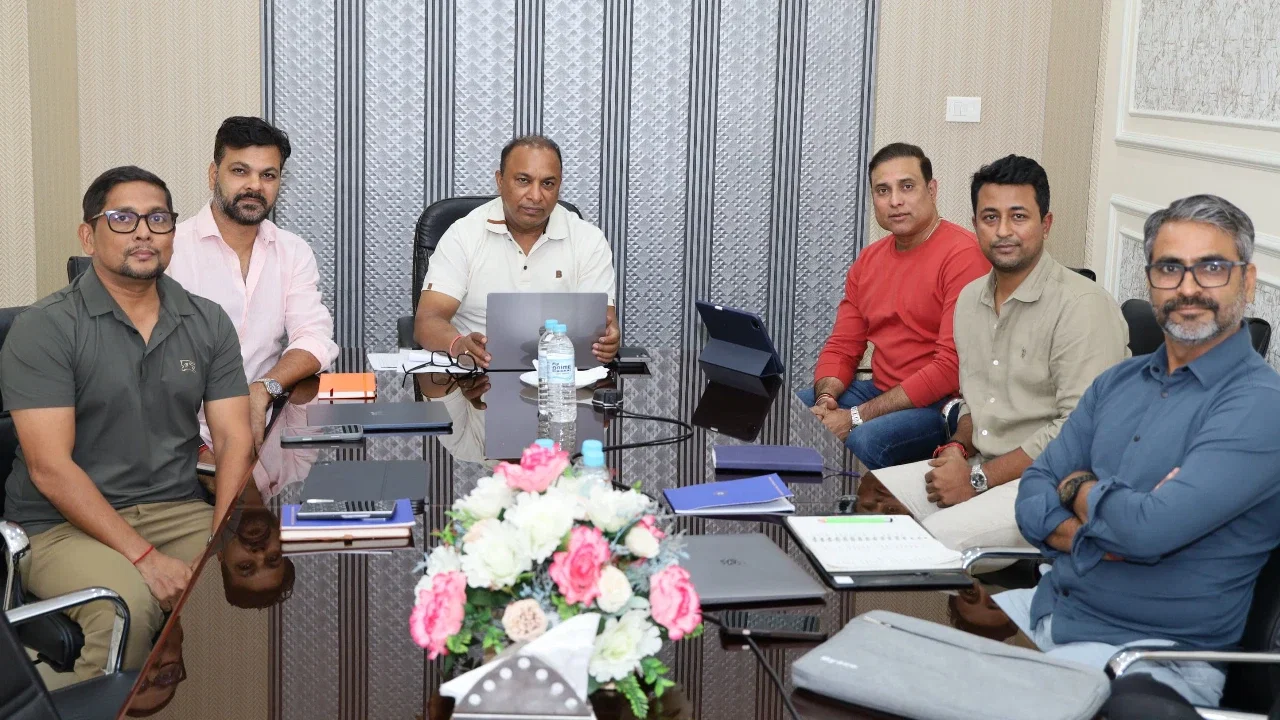
BCCI’s big ₹127 Crore move after injury crisis raises concerns over Team India
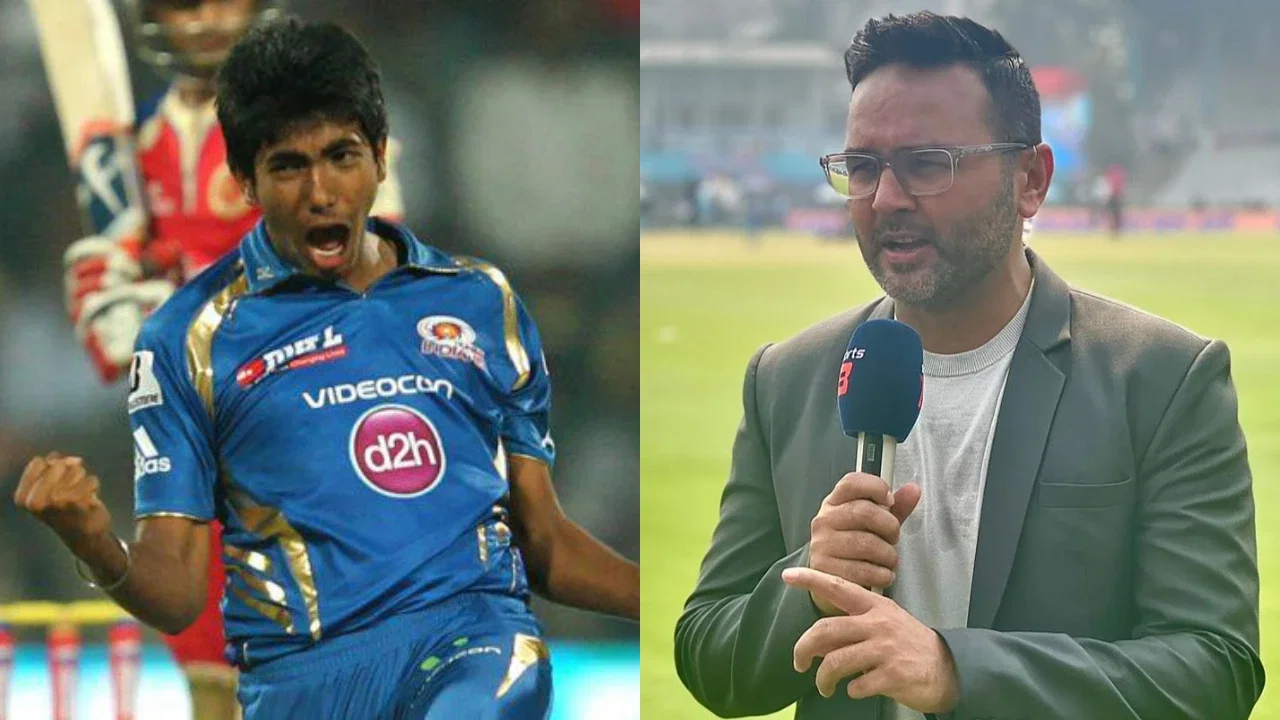
Parthiv Patel reveals RCB ignored his Jasprit Bumrah recommendation in IPL 2014 Auction
“Never spoke ill of any faith”: Irfan Pathan hits back at fake news using his name
Nic Maddinson bags 33-ball duck on Test comeback, disappoints George Bailey
Imran Tahir predicts 2027 ICC ODI World Cup Semi-Finalists, snubs India for title
Australia create unwanted history with first all-30-plus Test XI
Ravindra Jadeja returns to Ranji Trophy as Saurashtra announce squad