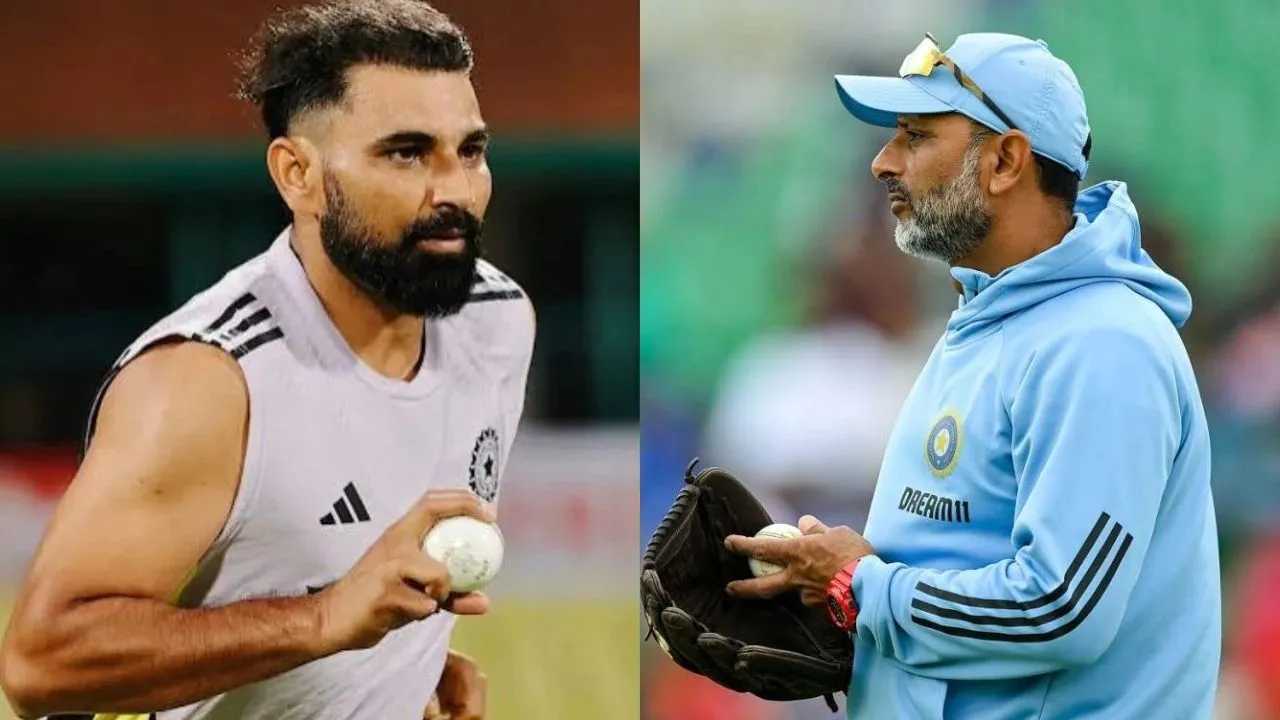
Imran Khan news: Seven ex-Australia captains seek diplomatic intervention for his medical care
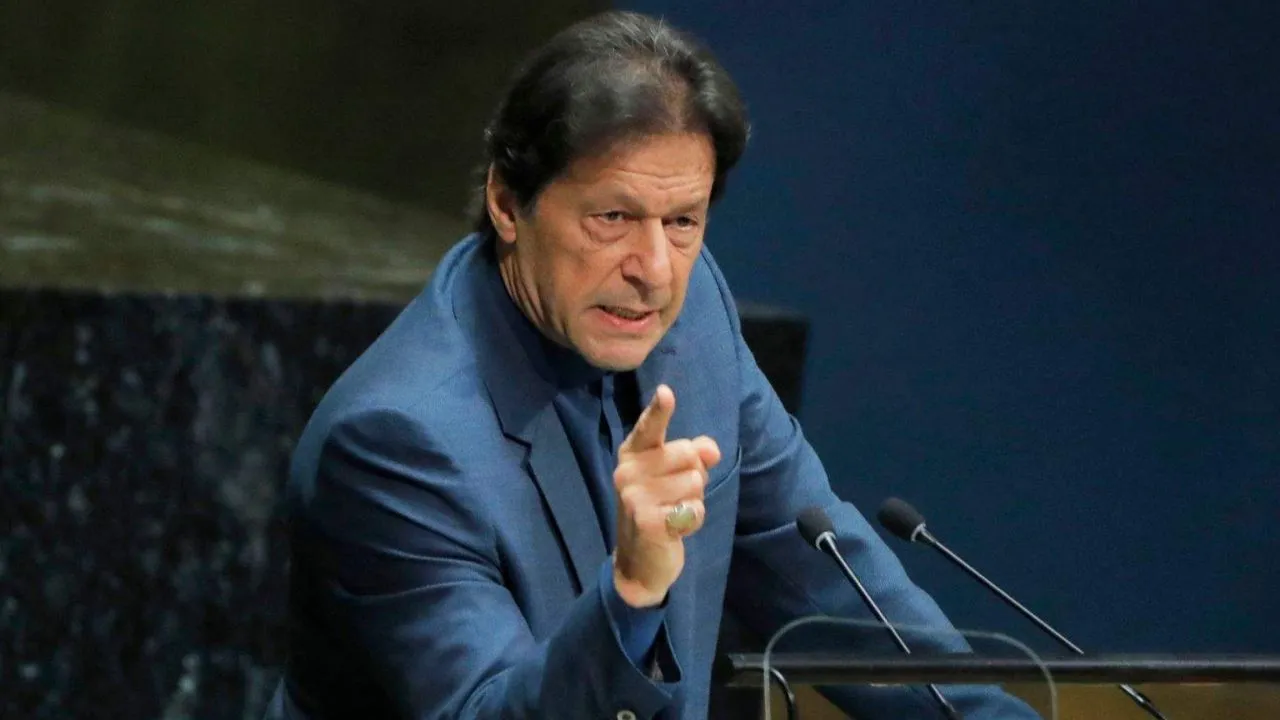
International Outcry Intensifies Over Imran Khan’s Health and Detention Conditions
Amid escalating concerns about the health and well-being of Imran Khan, the former cricket legend and Pakistan’s former Prime Minister, a remarkable display of international solidarity has emerged. Seven former Australian cricket team captains have formally petitioned the Pakistani government through a diplomatic channel, urging intervention to ensure Khan receives proper medical care. This move underscores the growing global recognition of Khan’s significance both as a cricketing icon and a political figure, as well as the urgent need to address his deteriorating health in detention.
The Background: Imran Khan’s Political and Personal Crisis
Imran Khan, who led Pakistan to its only Cricket World Cup victory in 1992, transitioned into politics and served as Prime Minister from 2018 until his ousting in 2022. Now 73 years old, Khan’s recent years have been marred by political turmoil, legal challenges, and his ongoing incarceration in Rawalpindi. Reports and eyewitness accounts indicate that Khan is being held in a small cell for extended periods, deprived of basic amenities such as access to books, medical support, and proper nutrition. His health concerns have become a focal point of international attention, especially given his age and medical history.
Notably, during Pakistan’s recent tour of England, interviews with Khan’s sons, Kasim and Suleiman, shed light on his current conditions. They described him as being confined to a tiny cell, with limited access to medical facilities and essential supplies. Their accounts have sparked widespread concern among human rights organizations, cricket communities, and diplomatic circles alike.
Legal and Humanitarian Calls for Action
The Pakistani judiciary has acknowledged the issue, with the country’s highest court urging the government to provide adequate medical treatment for Khan. Despite these directives, reports suggest that the government’s response has been insufficient, raising questions about the commitment to uphold Khan’s rights and welfare. The international cricket fraternity has also voiced support, with former players and officials urging the Pakistani authorities to act in Khan’s best interests.
The Role of the International Cricket Community
Over recent months, prominent cricket personalities from around the world have expressed their concerns publicly and privately. These letters and diplomatic appeals aim to pressure authorities into providing necessary medical care. However, the impact has been limited, prompting a more proactive approach from influential figures in the cricketing world.
The Landmark Move: Australian Cricket Captains Advocate Diplomatically
In a significant development, seven distinguished former Australian cricket captains have come together to address this urgent issue. Led by Greg Chappell, a legendary figure in Australian cricket who also coached the Indian national team, the group has officially written a letter to Penny Wong, Australia’s Foreign Minister. This collective effort marks a rare instance of cricketing diplomacy being used to influence human rights and health issues in a foreign country.
Details of the Diplomatic Appeal
The letter, parts of which have been published in the Hindustan Times, emphasizes the deep respect and concern held by these cricket icons. It recalls that Greg Chappell last saw Imran Khan in 2022, when Khan was still serving as Pakistan’s Prime Minister. At that time, Khan was reportedly in good health and full of vitality. The stark contrast with current reports of his declining health and apparent imprisonment prompted these former captains to speak out.
The letter states: “Greg Chappell last saw Imran Khan in Islamabad in 2022, when Khan was Prime Minister — hale, hearty, and fit, by his account. It is hard to reconcile that image with the reports now emerging from his detention, which is why we write to you today, not as diplomats or political actors, but as former Australian captains who felt compelled to speak up.”
The Significance of the Prediction and Global Support
This intervention is more than a diplomatic gesture; it is a prediction of sorts — a clear indication that the international cricket community anticipates a positive resolution. The prediction is that diplomatic pressure, combined with humanitarian concern, can influence Pakistan’s authorities to prioritize Khan’s health and ensure his treatment aligns with international standards. Such advocacy efforts are vital, especially given the complex political landscape in Pakistan, where judicial and governmental institutions often operate in tense and opaque environments.
The Broader Context: Cricket as a Bridge for Diplomatic Influence
This scenario illustrates how sports, especially cricket, serve as a powerful bridge for diplomatic influence and human rights advocacy. Imran Khan’s legacy as a cricketing icon and his political journey have made him a global figure whose well-being transcends borders. The involvement of former Australian captains not only highlights the deep respect for Khan in the cricketing fraternity but also signals the potential of sports diplomacy to foster humanitarian outcomes.
Looking Ahead: What’s Next for Imran Khan?
The ongoing situation remains fluid. The international community, led by cricketing legends and diplomatic figures, continues to predict that sustained pressure and diplomatic engagement could lead to improved conditions for Khan. There is hope that Pakistan’s government will heed these calls, recognizing the importance of upholding human rights and medical standards for a national hero whose influence has extended beyond cricket into the realm of social and political change.
Final Thoughts: The Power of Collective Action and Prediction
The story of Imran Khan’s health predicament underscores the crucial role that collective action, prediction, and diplomatic advocacy can play in safeguarding the rights of individuals in detention. The efforts of these seven Australian captains exemplify how sports figures can leverage their influence to catalyze meaningful change. As the world watches, the hope remains that Khan’s health will be prioritized, and his legacy as a cricketing legend and leader will be preserved with dignity and respect.
In conclusion, the growing international support and prediction of positive intervention serve as a beacon of hope. They reinforce the idea that global communities, united by shared values and mutual respect, can effect change—even in the most challenging circumstances.
Latest News
Top 10 highest run-chases in T20 cricket history, ft. West Indies’ Ranchi win vs India
Aaryavir Sehwag and Anvay Dravid set to make headlines at U19 Asia Cup 2026

Longest ducks in Test cricket history ft. Nic Maddinson, Shoaib Akhtar
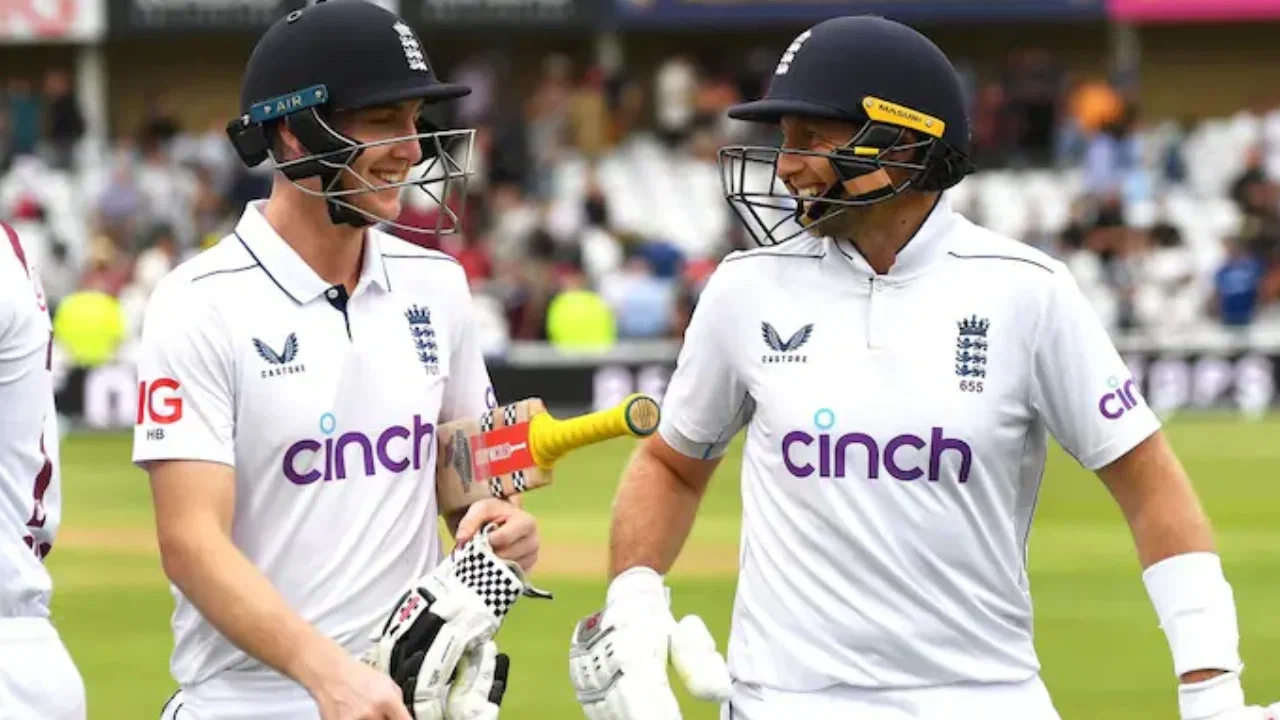
ECB to offer 39 central contracts to England players after Ben Stokes, Mark Wood’s retirement
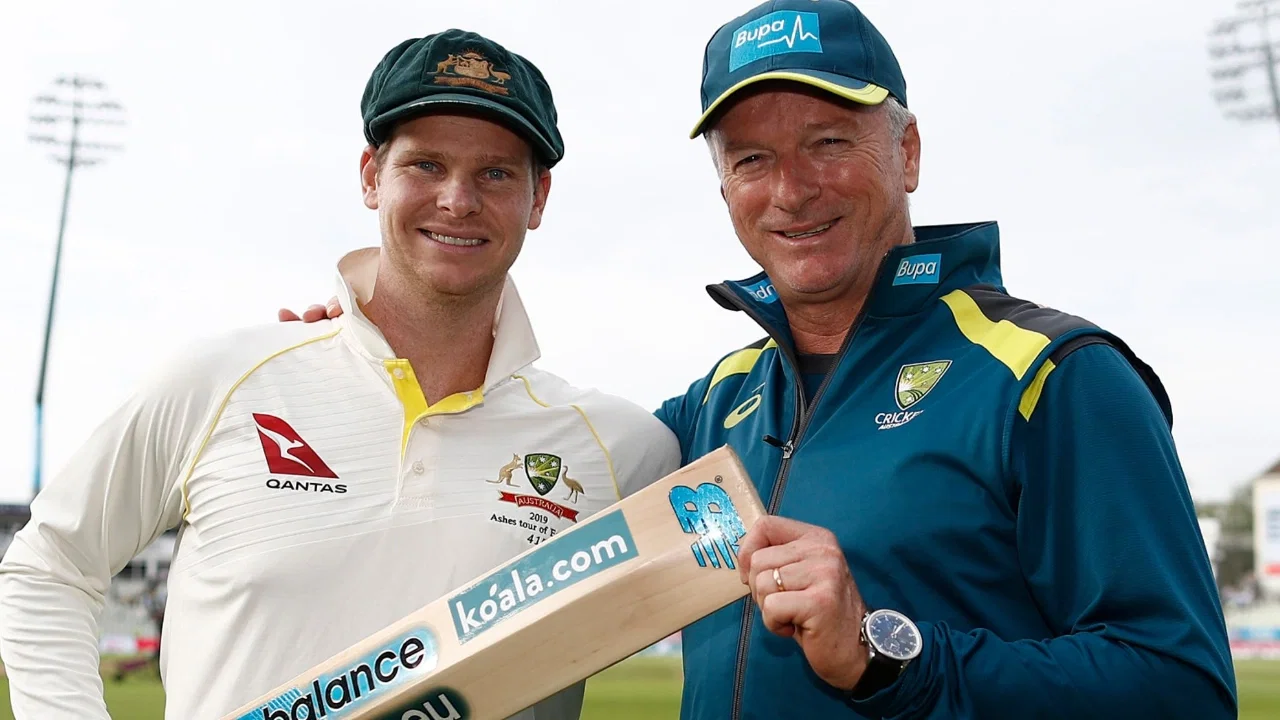
Steve Smith surpasses Steve Waugh in all-time Test run-scorers’ list

Shane Watson identifies Gautam Gambhir’s biggest problem as India struggle for consistency

Is Bhuvneshwar Kumar in India’s 2027 World Cup plans? Ajinkya Rahane makes revelation
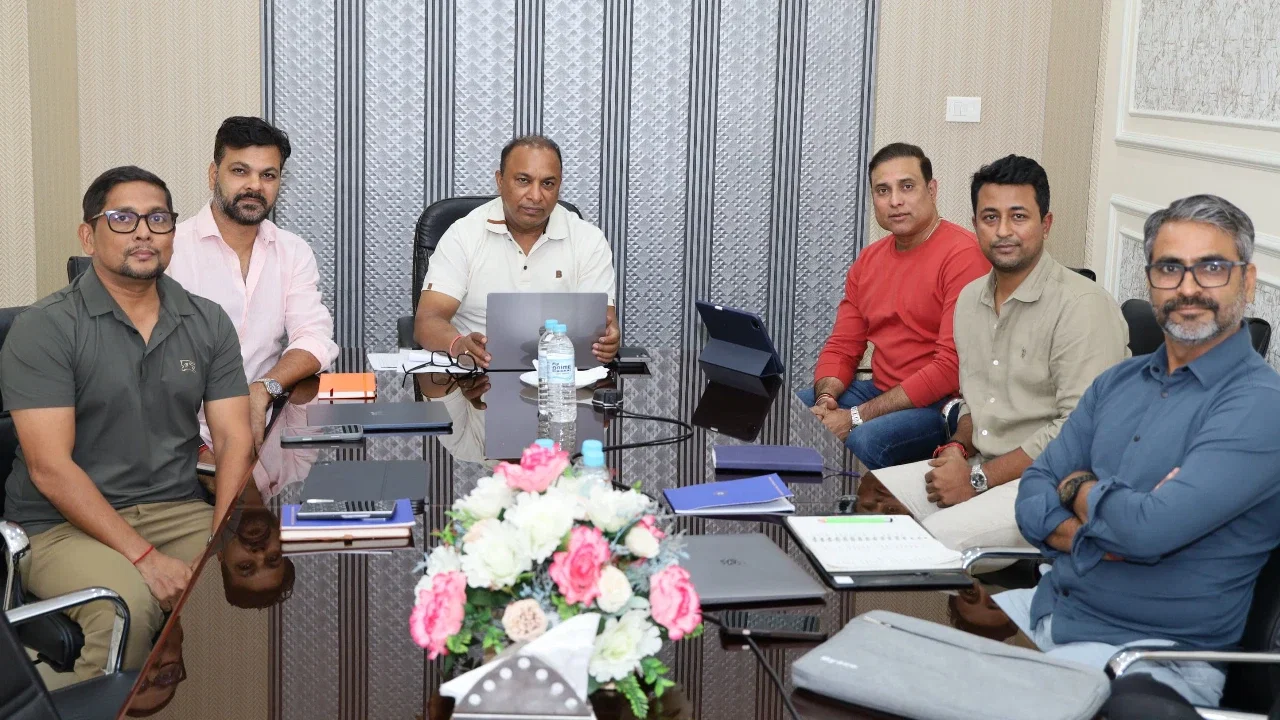
BCCI’s big ₹127 Crore move after injury crisis raises concerns over Team India

Parthiv Patel reveals RCB ignored his Jasprit Bumrah recommendation in IPL 2014 Auction
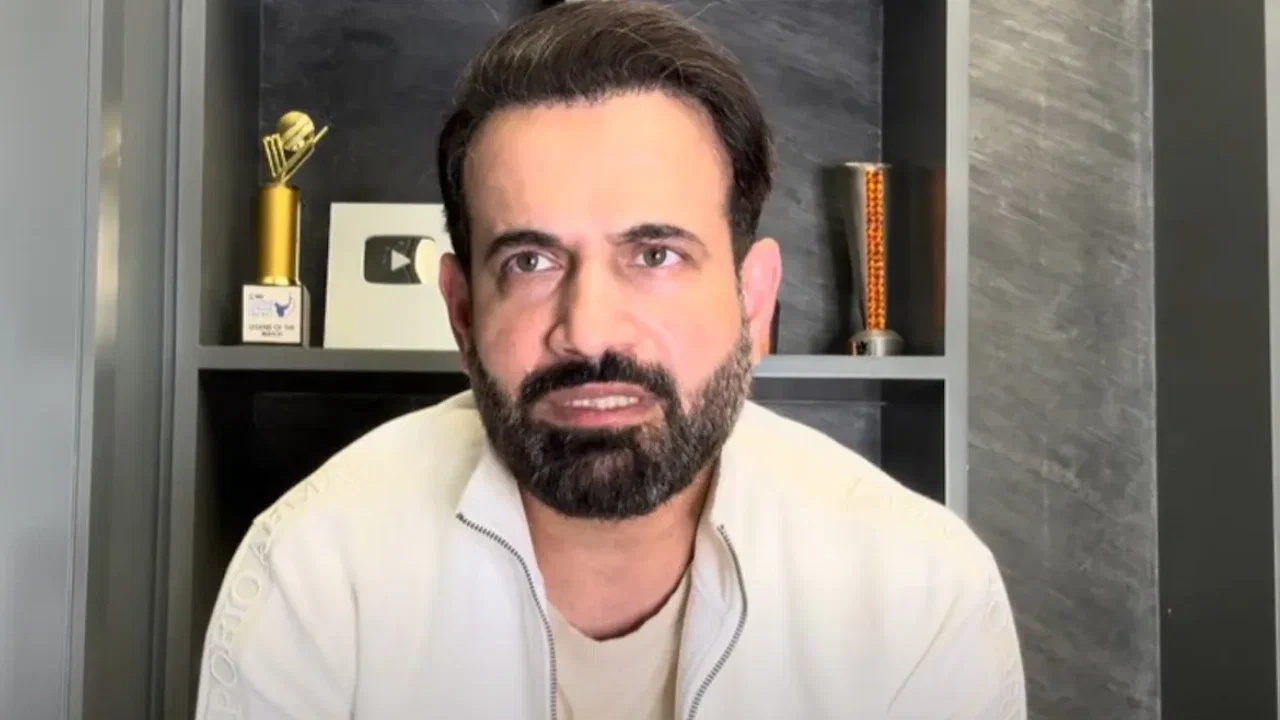
“Never spoke ill of any faith”: Irfan Pathan hits back at fake news using his name
Nic Maddinson bags 33-ball duck on Test comeback, disappoints George Bailey
Imran Tahir predicts 2027 ICC ODI World Cup Semi-Finalists, snubs India for title
Australia create unwanted history with first all-30-plus Test XI
Ravindra Jadeja returns to Ranji Trophy as Saurashtra announce squad