

IND-A vs NZ-A: Devdutt Padikkal takes maiden FC wicket, Mukesh Choudhary bowls spin as wild things unfold
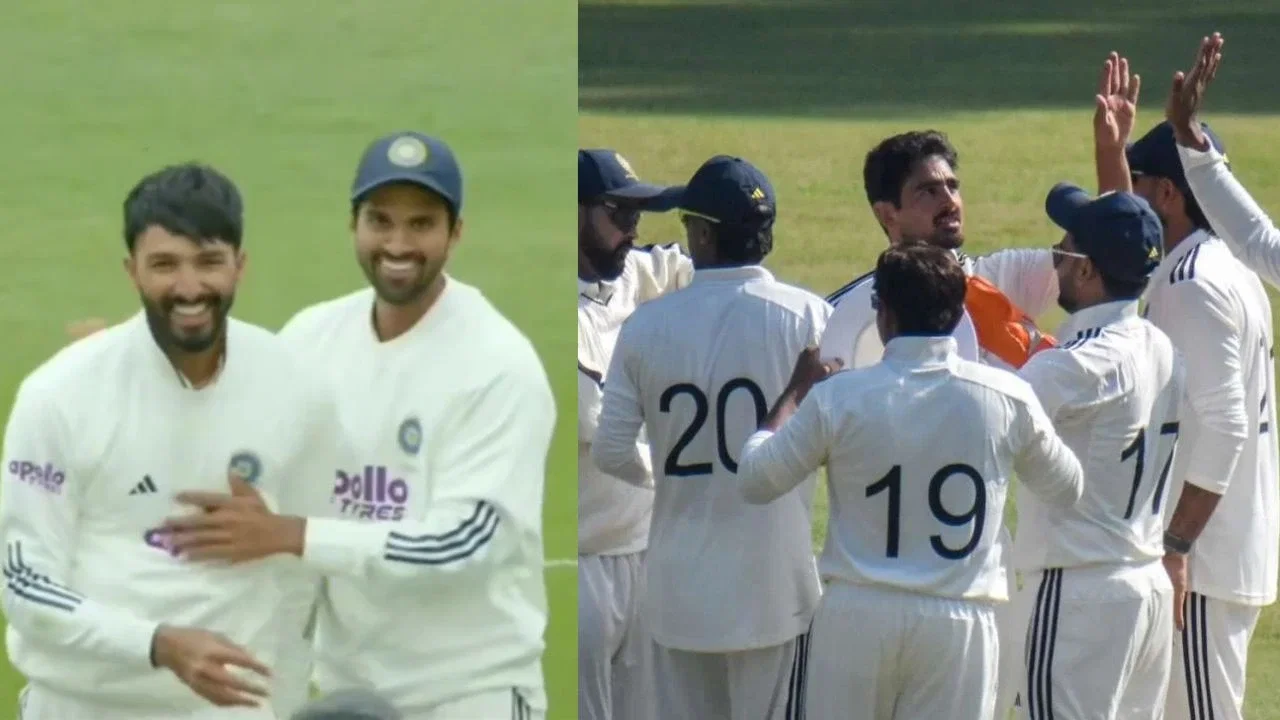
Devdutt Padikkal Claims Maiden First-Class Wickets After Stunning 199 Against New Zealand A
Devdutt Padikkal added an unexpected milestone to an already remarkable performance, taking his first wickets in First-Class cricket during India A’s unofficial Test against New Zealand A at Bert Sutcliffe Oval in Lincoln on Tuesday, October 27. The left-handed batter struck twice with his part-time off-spin, showing a new dimension to his game after producing a commanding 199 in India A’s second innings.
Padikkal’s two wickets helped India A make inroads into New Zealand A’s batting late in the match. The day also featured an unusual change in bowling plans: poor light prevented the fast bowlers from operating, prompting left-arm seamer Mukesh Choudhary to turn to spin. Together, the developments made for an eventful contest—and added fresh talking points to a match already marked by Padikkal’s near-double century and a disputed dismissal.
Padikkal Makes an Immediate Impact With the Ball
India A captain Dhruv Jurel turned to Padikkal despite the batter having bowled only 14 overs in First-Class cricket before the match. The decision paid off quickly. Padikkal took a wicket in his first over, as Fraser Sheat edged a forward defensive shot and KL Rahul held the catch at first slip.
Padikkal later claimed his second wicket when Zak Gibson edged another delivery. Rahul again completed the catch at first slip, giving the Karnataka pair a role in both breakthroughs. The wickets were a notable bonus for India A, particularly because Padikkal is best known for his batting rather than his off-spin.
Conditions then forced a further adjustment. After the umpires assessed the light at both ends of the ground, the quick bowlers were not permitted to continue. Choudhary, a left-arm seamer, switched to left-arm orthodox spin and bowled a varied spell to Curtis Heaphy and Simon Keene. His deliveries included slower, looped balls as well as seam-up variations and a low full toss.
The unusual bowling changes reflected the challenges of playing in deteriorating light. They also gave India A an opportunity to use players in less familiar roles, with Padikkal’s two wickets turning an experimental option into a memorable personal achievement.
A 199-Run Rescue After India A’s First-Innings Collapse
Padikkal’s bowling contribution came after a major effort with the bat. India A had been dismissed for just 113 in their first innings, before New Zealand A replied with 317 to build a lead of 204 runs. The visitors therefore needed a substantial response to stay competitive, and Padikkal helped provide it.
India A’s second innings began poorly. Yashasvi Jaiswal fell to a bouncer, while Rahul was bowled inside the first five overs, leaving the team at 10 for two. Padikkal and Sai Sudharsan steadied the innings, combining for a 215-run third-wicket partnership that transformed the match’s momentum.
The pair negotiated the windy conditions and capitalised on loose deliveries. Sudharsan scored 91 before top-edging a short ball, while Padikkal continued to build his innings and steadily erased the first-innings deficit. Their partnership provided the platform India A desperately needed after the collapse.
Padikkal then joined Yash Rathod for another substantial stand. The pair added 142 runs, with Rathod contributing 66 before being dismissed shortly after tea. Padikkal ultimately made 199 from 248 balls, striking 24 fours and three sixes. He reached his 12th First-Class century with a six off Jayden Lennox, underlining the authority with which he controlled the innings.
Controversial Caught-Behind Call Ends Padikkal’s Innings
Padikkal’s bid for a double century ended in contentious circumstances. Zak Gibson bowled a delivery down the leg side, and Padikkal attempted to glance it but missed. Wicketkeeper Mitchell Hay gathered the ball, and New Zealand A appealed. The umpire gave Padikkal out caught behind, bringing his innings to an end just one run short of 200.
The batter appeared surprised by the decision and remained at the crease briefly before walking off. He gestured to indicate that the ball had passed some distance from his bat, suggesting it may have brushed his leg pad instead. The dismissal quickly became a talking point, particularly given the scale of his innings and the proximity to the double-century milestone.
While the decision will remain part of the match’s debate, Padikkal’s contribution had already reshaped India A’s second innings. His 199 not only erased the deficit but also demonstrated his ability to bat for long periods under pressure—an important quality for any player hoping to establish himself at the highest level.
India’s No. 3 Test Spot Remains a Key Selection Question
Padikkal’s performance also adds interest to the competition for India’s No. 3 position in Test cricket. He earned an opportunity in the senior side after Sai Sudharsan was injured during the Sri Lanka series, and Padikkal made the most of his chance by scoring centuries in both Tests he played, as well as a hundred in the preceding tour match.
Sudharsan’s 91 against New Zealand A, meanwhile, was a timely reminder of his own potential. His partnership with Padikkal showed that both batters can contribute in demanding conditions, making the selection picture more complex. India’s decision-makers will have to weigh recent international performances, consistency in domestic and representative cricket, and the balance required in the Test batting order.
There is no single prediction that can settle the selection debate at this stage. Padikkal’s near-double century and maiden First-Class wickets strengthen his case, while Sudharsan’s composed innings keeps him firmly in contention. The unofficial Test has therefore offered more than a result: it has provided a valuable assessment of two emerging batting options and highlighted Padikkal’s growing versatility.
A Breakthrough Performance With Multiple Takeaways
Padikkal’s day at Lincoln combined a career-best batting display with a first in his First-Class career as a bowler. His 199 rescued India A from a difficult position, while his two wickets later showed that he can offer a useful spin option when conditions demand it. Although the disputed caught-behind decision denied him a double century, the broader performance was a significant statement.
For India A, the innings demonstrated resilience after a first-innings collapse. For Padikkal, it offered another chance to strengthen his credentials as a Test prospect. And for fans following India’s next generation, the match provided an engaging glimpse of the talent and selection competition shaping the team’s future.
Latest News

SA vs BAN Playing 11 Today, Live Streaming, Pitch & Weather: South Africa tour of Bangladesh 2026, 2nd Test

AUS vs ENG Playing 11 Today, Live Streaming, Pitch & Weather: England tour of Australia 2026, 2nd T20I

Blair Tickner ruled out of 2nd Test vs India, replacement named

Tim Paine and Justin Langer face fresh questions over Australia’s ball-tampering scandal

India tour of Bangladesh gets fresh hope as BCB confirms talks with BCCI

Tom Latham opens up on soft ball problem and saliva ban after draw against India

Ajinkya Rahane slams Tilak Varma for publicly criticising Shahbaz Ahmed after India A’s defeat

ICC to introduce IPL-style bat checks in international cricket

“Smiling Laughing doesn’t happen”: R Ashwin’s dig at India’s approach after draw vs New Zealand

“Not good enough for Test cricket”: Scott Styris, Sunil Gavaskar slam Wellington pitch

Dodda Ganesh declares India ‘out of WTC final race’ after Wellington Test draw

Ajinkya Rahane criticises Shubman Gill for abusing Akash Deep in 1st Test vs New Zealand

‘Why so many boundary riders?’ Dinesh Karthik questions Shubman Gill’s captaincy after Wellington Test

“I just want to enjoy my life”: Yash Dayal reflects on his return to cricket


