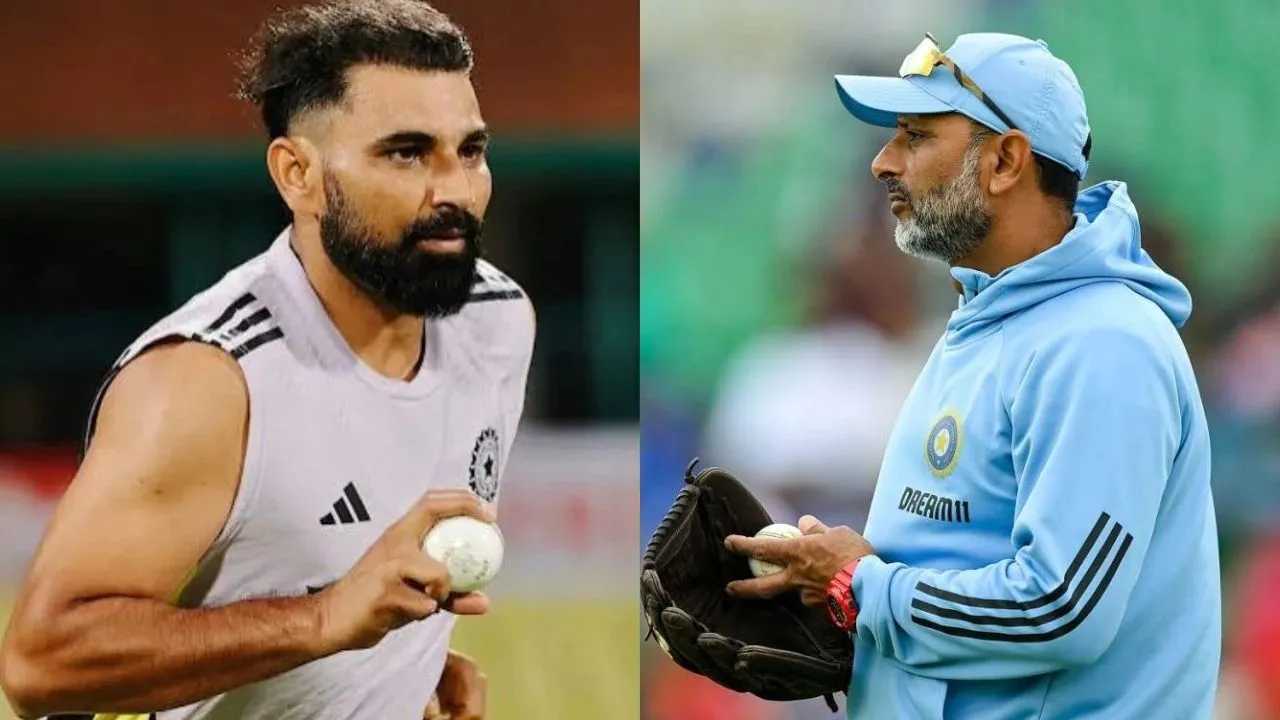
“India can’t get everything” – West Indies legend murders ICC after Champions Trophy 2025

Legendary West Indies Bowler Andy Roberts Criticizes ICC for Favoring India in Champions Trophy
Former West Indies fast bowler, Andy Roberts, has recently expressed his frustration with the International Cricket Council (ICC) for allegedly favoring the Indian cricket team during the recently concluded Champions Trophy. Roberts believes that the ICC must maintain fairness and equality among all teams participating in international tournaments.
Controversy Surrounding India’s Advantage
Roberts highlighted the issue of the Indian team not having to travel during the Champions Trophy, unlike other teams that had to constantly travel back and forth for their matches. The Men in Blue ultimately emerged victorious in the tournament by defeating New Zealand in the final. However, the tournament was marred by controversies as India was accused of having an unfair advantage by playing all their matches in Dubai.
Roberts’ Criticism of ICC
In an interview with Mid-Day, Andy Roberts criticized the ICC for showing bias towards India and giving them preferential treatment. He recalled instances from previous tournaments, like the T20 World Cup, where the Indian team had prior knowledge of the venues for their matches. “India can’t get everything. The ICC must say no to India at times,” Roberts emphasized.
Roberts went further to suggest that the ICC acronym should stand for ‘Indian’ Cricket Board instead of ‘International’ Cricket Council. He believes that the ICC tends to prioritize India’s interests due to the significant revenue they generate for the organization.
India’s Unique Scheduling in Tournaments
Roberts pointed out the peculiar scheduling of matches to accommodate Indian viewership during tournaments. For instance, he mentioned how the venue for India’s semi-final in the T20 World Cup 2024 was predetermined in Guyana to align with the country’s prime time for maximum viewership.
Champions Trophy 2025 Hybrid Model
The Champions Trophy 2025 was played in a hybrid model due to the BCCI’s reluctance to send their team to Pakistan. As a result, India played all their matches in Dubai, while other teams had to travel between countries. Despite criticisms of favoritism, the Men in Blue showcased their cricketing prowess by remaining unbeaten throughout the tournament.
India’s Dominance in ICC Tournaments
In recent ICC tournaments, India has displayed dominance across formats and conditions, winning most of their games. This streak of success has solidified the BCCI’s authority in world cricket and raised concerns among other teams regarding fair competition.
While some experts and former players have criticized the ICC for allegedly favoring India, others like Wasim Akram believe that India’s team’s strength and skill enable them to excel regardless of the circumstances. As the debate continues, the focus remains on ensuring fairness and equality in international cricket tournaments.
Impact of India’s Dominance on Global Cricket
India’s consistent success in ICC tournaments has not only raised eyebrows but also reshaped the landscape of international cricket. The massive fan following, financial power, and competitive edge of the Indian team have shifted the balance of power within the sport. Countries with smaller cricketing budgets or fewer resources find it challenging to compete on an equal footing with India.
Moreover, India’s influence extends beyond the field, impacting key decisions in the cricketing world. The Board of Control for Cricket in India (BCCI) wields significant power within the ICC, given its massive market and revenue-generating capabilities. This influence has led to accusations of favoritism and special treatment towards the Indian team in various tournaments.
The Need for Transparency and Fairness
While India’s cricketing dominance is undisputed, calls for greater transparency and fairness in tournament organization have grown louder. Critics argue that the ICC should prioritize equitable treatment of all teams to uphold the spirit of competition. By ensuring that no team receives undue advantages or privileges, the ICC can enhance the credibility and integrity of international cricket.
Transparency in decision-making processes, venue selections, and scheduling can help dispel notions of bias or favoritism towards specific teams. Open communication and clear guidelines for tournament arrangements can foster trust among all participating nations and promote a level playing field for cricketing contests.
The Role of Cricketing Legends in Advocating for Fair Play
Former players like Andy Roberts play a crucial role in advocating for fairness and equality in cricket. Their experience, insights, and standing in the cricketing community lend weight to criticisms of any perceived injustices or imbalances. By speaking out against potential biases, legends like Roberts draw attention to important issues within the sport and push for reforms that benefit all teams.
It is essential for cricketing authorities, including the ICC, to listen to the voices of respected figures in the game and address concerns regarding fairness. Constructive feedback from former players can help shape future policies and practices to create a more inclusive and equitable cricketing environment for all nations.
Balancing Commercial Interests with Sporting Integrity
As cricket continues to evolve as a global sport with commercial interests at play, maintaining a balance between financial considerations and sporting integrity becomes paramount. While revenue generation is vital for the growth and sustainability of the game, it should not come at the expense of fair competition and ethical standards.
Cricketing bodies must navigate the complexities of commercial partnerships, broadcasting deals, and sponsorships while upholding the principles of fair play and transparency. By prioritizing the values of sportsmanship and equity, cricket can retain its essence as a sport that values skill, teamwork, and sporting spirit above all else.
Looking Ahead: Towards a More Equitable Future
As cricket enthusiasts and stakeholders reflect on the issues raised by Andy Roberts and others regarding favoritism in international tournaments, the focus shifts towards building a more equitable and transparent future for the sport. By fostering open dialogue, inclusive decision-making processes, and a commitment to fairness, cricket can continue to thrive as a global phenomenon that unites nations and fans worldwide.
Ultimately, the goal is to strike a balance between celebrating the success and achievements of cricketing powerhouses like India while ensuring that all teams have an equal opportunity to compete and succeed on the international stage.
Latest News

Top 10 highest run-chases in T20 cricket history, ft. West Indies’ Ranchi win vs India

Aaryavir Sehwag and Anvay Dravid set to make headlines at U19 Asia Cup 2026

Longest ducks in Test cricket history ft. Nic Maddinson, Shoaib Akhtar

ECB to offer 39 central contracts to England players after Ben Stokes, Mark Wood’s retirement

Steve Smith surpasses Steve Waugh in all-time Test run-scorers’ list

Shane Watson identifies Gautam Gambhir’s biggest problem as India struggle for consistency

Is Bhuvneshwar Kumar in India’s 2027 World Cup plans? Ajinkya Rahane makes revelation

BCCI’s big ₹127 Crore move after injury crisis raises concerns over Team India

Parthiv Patel reveals RCB ignored his Jasprit Bumrah recommendation in IPL 2014 Auction
“Never spoke ill of any faith”: Irfan Pathan hits back at fake news using his name

Nic Maddinson bags 33-ball duck on Test comeback, disappoints George Bailey

Imran Tahir predicts 2027 ICC ODI World Cup Semi-Finalists, snubs India for title

Australia create unwanted history with first all-30-plus Test XI
Ravindra Jadeja returns to Ranji Trophy as Saurashtra announce squad