

India coach explains why Mohammed Siraj was dropped for 1st Test vs New Zealand
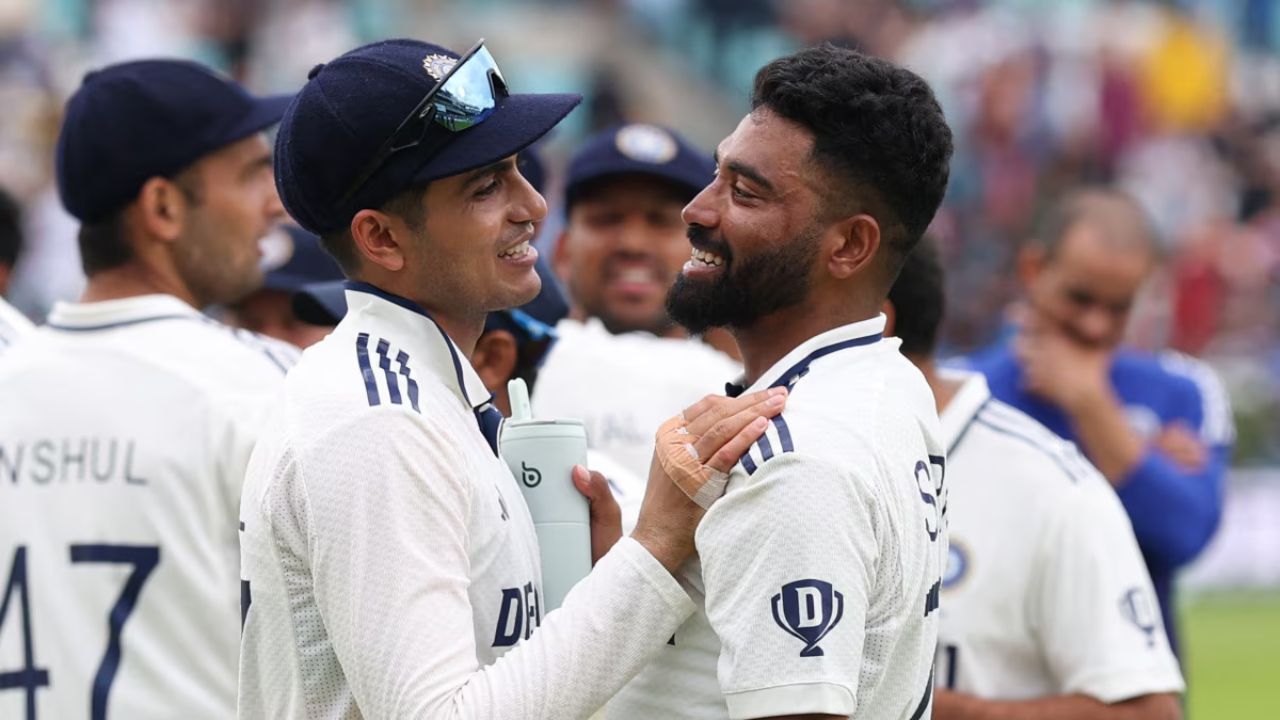
Mohammed Siraj’s Omission Sparks Debate as India Explain Wellington Test Selection
Mohammed Siraj’s absence from India’s playing XI for the opening Test against New Zealand at Wellington’s Basin Reserve quickly became one of the match’s biggest talking points. India chose a four-man pace attack for the conditions, yet the experienced fast bowler was left out in favour of Jasprit Bumrah, Akash Deep, Anshul Kamboj and Prasidh Krishna.
The selection prompted questions from supporters and former cricketers, particularly because the Basin Reserve is often associated with movement for seamers. India batting coach Sitanshu Kotak, however, stressed that Siraj’s omission was not a verdict on his ability or recent performances. He said the team management had selected the combination it considered best suited to the match and the conditions.
Kotak: Siraj’s omission was about the combination
India captain Shubman Gill won the toss and elected to field, with the visitors opting for four specialist fast bowlers and Washington Sundar as their spin-bowling all-rounder. Ravindra Jadeja also missed out as India settled on a balance they believed could serve them across the demands of the Test.
Speaking at the post-day press conference, Kotak defended the decision and rejected the idea that Siraj had been dropped because something was wrong with his game.
“At the time they pick the team, they think about the best XI, and that’s what played. Nothing wrong with Siraj; they thought it was the best possible XI,” Kotak said, as quoted by Sahil Malhotra. He added that conditions in Wellington were different from those India had encountered on earlier tours, making direct comparisons with previous selections difficult.
Kotak also outlined the thinking behind the attack, suggesting that India wanted a mix of bowling styles rather than four similar options. “Two bowlers swing the ball well and two seam the ball well. And have pace. When you pick an XI, you think about all days,” he said.
The explanation points to a broader selection challenge in Test cricket: choosing a side for more than the first session. Conditions can change, the pitch may lose its early movement, and a team needs bowlers capable of adapting as a match develops. India’s management appears to have prioritised variety and overall balance, though the choice remained open to debate.
Why Siraj’s exclusion surprised former players
Siraj’s record and reputation made his omission especially striking to critics. He has become a regular contributor in overseas conditions, where persistence, control and the ability to build pressure over long spells are crucial. For many observers, his value extends beyond taking wickets: he can keep batters playing, create opportunities for partners and maintain intensity through a demanding spell.
Former India fast bowler Dodda Ganesh was among those who questioned the call. Posting on X, he described the decision as unfair and said he struggled to understand what Siraj had done to lose his place.
“What has Siraj done to be dropped? Totally unfair this. Unable to come to terms with this,” Ganesh wrote.
Former India opener Wasim Jaffer also expressed surprise, focusing on the apparent suitability of the Wellington conditions for Siraj’s style. Jaffer said he could understand the case for selecting Washington Sundar ahead of Jadeja, but found the fast bowler’s omission much harder to accept.
Jaffer pointed to Siraj’s contribution to India’s recent Test campaigns, including his role in the England series and his standing among the team’s leading wicket-takers in the current World Test Championship cycle. He argued that Siraj’s capacity to sustain pressure and tire batters could have been particularly useful at the Basin Reserve.
“Siraj being left out is absolutely shocking,” Jaffer wrote, adding that India were already missing the bowler on the first day. His comments reflected a common concern among critics: if a team selects four specialist quicks for a seam-friendly venue, why leave out one of its most experienced overseas performers?
The selection debate and India’s bowling prediction
The disagreement centres on how India assessed the competing strengths of its pace options. Bumrah’s leadership and precision made him a natural selection, while the management evidently saw particular value in the skills offered by Akash Deep, Kamboj and Krishna. Kotak’s remarks suggest that the selectors were looking for a combination of swing, seam movement and pace, with an eye on the full match rather than only the opening spell.
That approach may prove effective if the selected bowlers exploit the conditions and share the workload. But it also carries scrutiny: when a proven bowler is omitted, every spell from the chosen attack becomes part of the post-match assessment. If India struggle to sustain pressure, the decision will invite renewed questions; if the attack delivers, the management’s prediction about the best combination will gain support.
It is also worth separating selection from form. Kotak’s defence indicates that India did not regard Siraj’s omission as a disciplinary issue or a sign that his recent performances had been inadequate. Instead, the decision appears to have been based on the balance the management wanted for this particular Test. That distinction may reassure the bowler’s supporters, but it does not settle whether the chosen XI was the strongest available option.
What Siraj’s omission could mean going forward
One match does not necessarily determine a player’s place for the rest of a series. Test selections can shift with pitch conditions, workload, injuries and the performance of the players in the XI. Siraj remains an experienced option, and India may yet call on him if the team believes his skills better match the requirements of a later Test.
For now, the Wellington decision has highlighted the difficult choices involved in assembling a fast-bowling unit. India had to weigh experience against specific skill sets, as well as the need for a balanced attack over several days. Kotak’s explanation offered a clear account of the management’s reasoning, while Ganesh and Jaffer voiced the doubts shared by many fans.
The debate is likely to continue until the match provides a clearer verdict. Whether India’s four chosen pacers justify the selection or Siraj’s absence becomes a lingering talking point will depend on how the attack performs as conditions evolve. In the meantime, the episode underlines a familiar truth in Test cricket: even a carefully considered playing XI can spark intense discussion when a trusted performer is left out.
Latest News

SA vs BAN Playing 11 Today, Live Streaming, Pitch & Weather: South Africa tour of Bangladesh 2026, 2nd Test

AUS vs ENG Playing 11 Today, Live Streaming, Pitch & Weather: England tour of Australia 2026, 2nd T20I

Blair Tickner ruled out of 2nd Test vs India, replacement named

Tim Paine and Justin Langer face fresh questions over Australia’s ball-tampering scandal

India tour of Bangladesh gets fresh hope as BCB confirms talks with BCCI

Tom Latham opens up on soft ball problem and saliva ban after draw against India

Ajinkya Rahane slams Tilak Varma for publicly criticising Shahbaz Ahmed after India A’s defeat

ICC to introduce IPL-style bat checks in international cricket

“Smiling Laughing doesn’t happen”: R Ashwin’s dig at India’s approach after draw vs New Zealand

“Not good enough for Test cricket”: Scott Styris, Sunil Gavaskar slam Wellington pitch

Dodda Ganesh declares India ‘out of WTC final race’ after Wellington Test draw

Ajinkya Rahane criticises Shubman Gill for abusing Akash Deep in 1st Test vs New Zealand

‘Why so many boundary riders?’ Dinesh Karthik questions Shubman Gill’s captaincy after Wellington Test

“I just want to enjoy my life”: Yash Dayal reflects on his return to cricket


