

India coach explains why Ravindra Jadeja was dropped for Washington Sundar in 1st Test vs New Zealand
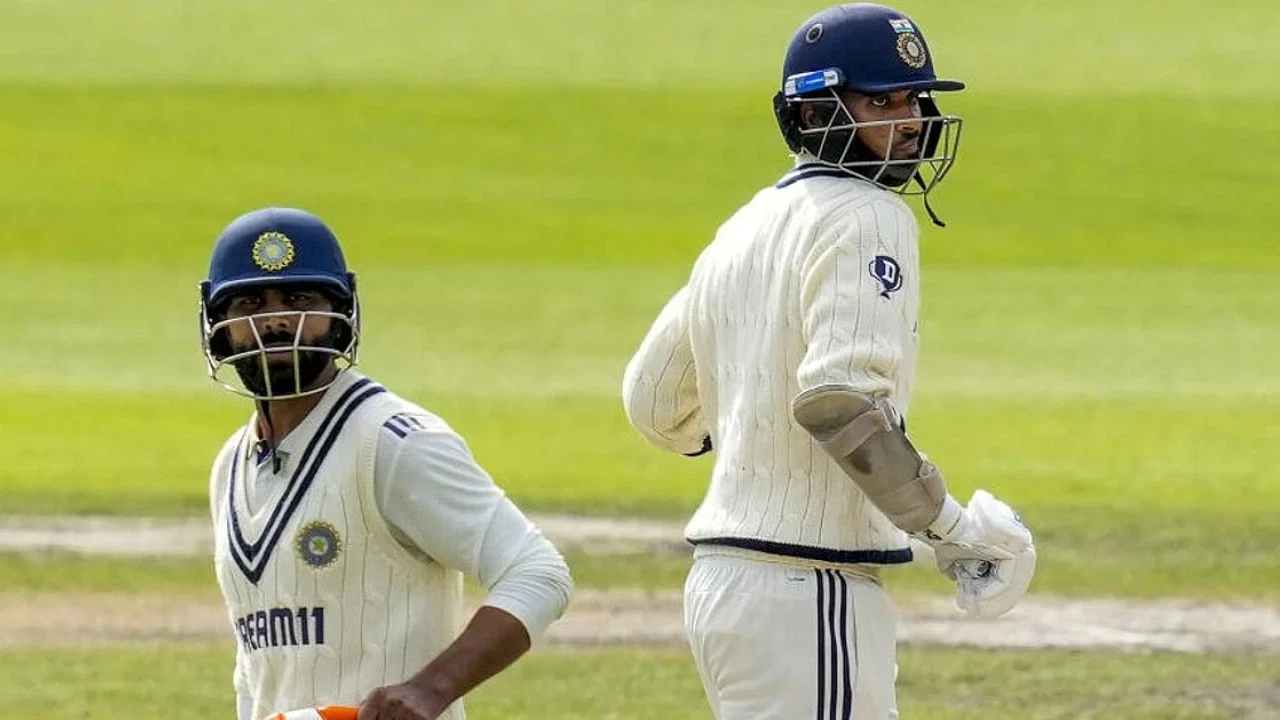
Why India Picked Washington Sundar Over Ravindra Jadeja for the First Test Against New Zealand
India’s decision to leave Ravindra Jadeja out of the playing XI for the opening Test against New Zealand caught many cricket fans by surprise. The experienced all-rounder is a regular contributor with both bat and ball, particularly in challenging conditions. But assistant coach Sitanshu Kotak has explained that the selection was driven by a specific tactical consideration: New Zealand’s left-handed batting line-up.
India selected Washington Sundar in Jadeja’s place at the Basin Reserve in Wellington, where the visitors also opted for a four-seamer attack. The choices reflected the team management’s attempt to match its resources to the opposition and the demands of a five-day Test—not a lack of confidence in Jadeja’s ability.
Four New Zealand Left-Handers Shaped India’s Spin Selection
New Zealand’s XI included four left-handed batters: Tom Latham, Devon Conway, Henry Nicholls and Rachin Ravindra. Kotak said that their presence influenced India’s decision to select Sundar, whose off-spin offered a different angle and a potentially useful matchup against left-handers.
“Picked Washi because four left-handers in opposition XI,” Kotak said, according to a report by a Times of India journalist.
The explanation highlights how Test selection can involve more than comparing players’ overall records. A team may weigh the likely batting combinations, the opposing side’s handedness and the role each bowler can play across different stages of an innings. Sundar’s selection gave India an off-spin option, while Jadeja’s left-arm spin would have offered a different type of challenge.
That tactical prediction, however, was only one part of the wider selection picture. India also needed to decide how best to use the conditions at Wellington, where seam movement and swing can make fast bowlers especially important. The final XI therefore reflected a balance between spin options, pace and the possibility of changing conditions over five days.
Kotak Explains India’s Four-Pacer Strategy
India went into the Test with Jasprit Bumrah, Akash Deep, Prasidh Krishna and Anshul Kamboj as its specialist fast bowlers, alongside Sundar. Kotak said the pace attack was chosen for variety, with the bowlers offering different methods rather than simply repeating the same skill set.
“Two bowlers swing the ball well and two seam the ball well. And have pace. When you pick XI, you think about all days,” he explained.
The comment points to the challenge of choosing a Test attack in conditions that may change as a match progresses. Swing can be most useful when the ball is new or when the weather provides assistance, while seam movement and pace can create opportunities on different surfaces and at different points in an innings. A five-day selection also needs to account for workload, the possibility of long spells and the need to keep pressure on the batting side.
India’s approach initially appeared to pay off. After winning the toss and choosing to bowl, the visitors reduced New Zealand to 70 for five, putting the hosts under considerable pressure. But the day’s later developments showed why a strong start does not guarantee control for an entire innings.
India Defend Prasidh Krishna After a Difficult Day
Prasidh Krishna went wicketless on the opening day and was among the bowlers who struggled to contain New Zealand’s recovery. Kotak defended the fast bowler’s attacking approach, noting that a bowler who consistently searches for wickets can sometimes concede runs while trying to create breakthroughs.
“Prasidh is an attacking bowler, and he can go for runs. People like it when he picks wickets, and they don’t when they go for runs,” Kotak said.
It is a familiar trade-off in Test cricket. A defensive spell can help limit scoring, but it may also allow batters to settle. An attacking bowler, by contrast, may create chances through pace, bounce or movement, though that approach can leave room for boundaries. One wicketless day is a small sample, especially in a long match, and Krishna’s performance needs to be judged alongside his role in the attack and the conditions he faced.
Nicholls and Phillips Turn the Match Around
New Zealand finished Day 1 at 243 for five after batting for 82 overs, despite being in serious trouble earlier in the innings. Bumrah led India’s attack, taking three important wickets: Latham for a duck, Daryl Mitchell for one and Tom Blundell for five. Akash Deep and Kamboj also claimed a wicket each as India tightened its grip during the first part of the day.
The momentum shifted when Henry Nicholls and Glenn Phillips came together. The pair put on an unbeaten 173-run partnership, rebuilding the innings and carrying New Zealand through a wicketless final session. Nicholls reached his 12th Test century and ended the day on 113 not out from 221 balls. Phillips provided an attacking counterpoint, finishing on 94 not out from 182 deliveries.
The stand demonstrated the value of patience after an early collapse. Rather than allowing India to dictate terms, Nicholls and Phillips survived the most difficult period, then took advantage as the pitch became more comfortable for batting. India also missed a late opportunity when Devdutt Padikkal dropped a catch after Nicholls had reached his hundred.
What the First Day Means for India’s Selection Call
Bumrah finished with figures of three for 52, while Akash Deep and Kamboj took one wicket apiece. Sundar and Krishna did not claim a wicket on Day 1, but the match remained in progress and their roles could still prove important. Sundar’s selection was intended to give India a matchup option against New Zealand’s left-handers, while the four-pacer plan was designed to provide different forms of movement and pace.
The opening day therefore offered both support and scrutiny for India’s strategy. The early breakthroughs suggested that the bowling combination could exploit the conditions, while New Zealand’s recovery underlined how quickly a Test innings can change. The broader prediction for the match will depend on whether India can break the Nicholls-Phillips partnership early and make the most of the new ball, as well as whether Sundar can influence the innings when given the opportunity.
For now, Kotak’s explanation makes clear that leaving Jadeja out was a matchup-based decision shaped by the opposition’s batting order. Whether it proves the right call will be judged over the full Test, not by the opening day alone.
Latest News

SA vs BAN Playing 11 Today, Live Streaming, Pitch & Weather: South Africa tour of Bangladesh 2026, 2nd Test

AUS vs ENG Playing 11 Today, Live Streaming, Pitch & Weather: England tour of Australia 2026, 2nd T20I

Blair Tickner ruled out of 2nd Test vs India, replacement named

Tim Paine and Justin Langer face fresh questions over Australia’s ball-tampering scandal

India tour of Bangladesh gets fresh hope as BCB confirms talks with BCCI

Tom Latham opens up on soft ball problem and saliva ban after draw against India

Ajinkya Rahane slams Tilak Varma for publicly criticising Shahbaz Ahmed after India A’s defeat

ICC to introduce IPL-style bat checks in international cricket

“Smiling Laughing doesn’t happen”: R Ashwin’s dig at India’s approach after draw vs New Zealand

“Not good enough for Test cricket”: Scott Styris, Sunil Gavaskar slam Wellington pitch

Dodda Ganesh declares India ‘out of WTC final race’ after Wellington Test draw

Ajinkya Rahane criticises Shubman Gill for abusing Akash Deep in 1st Test vs New Zealand

‘Why so many boundary riders?’ Dinesh Karthik questions Shubman Gill’s captaincy after Wellington Test

“I just want to enjoy my life”: Yash Dayal reflects on his return to cricket


