India confirm Pakistan tour for 2027 South Asian Games
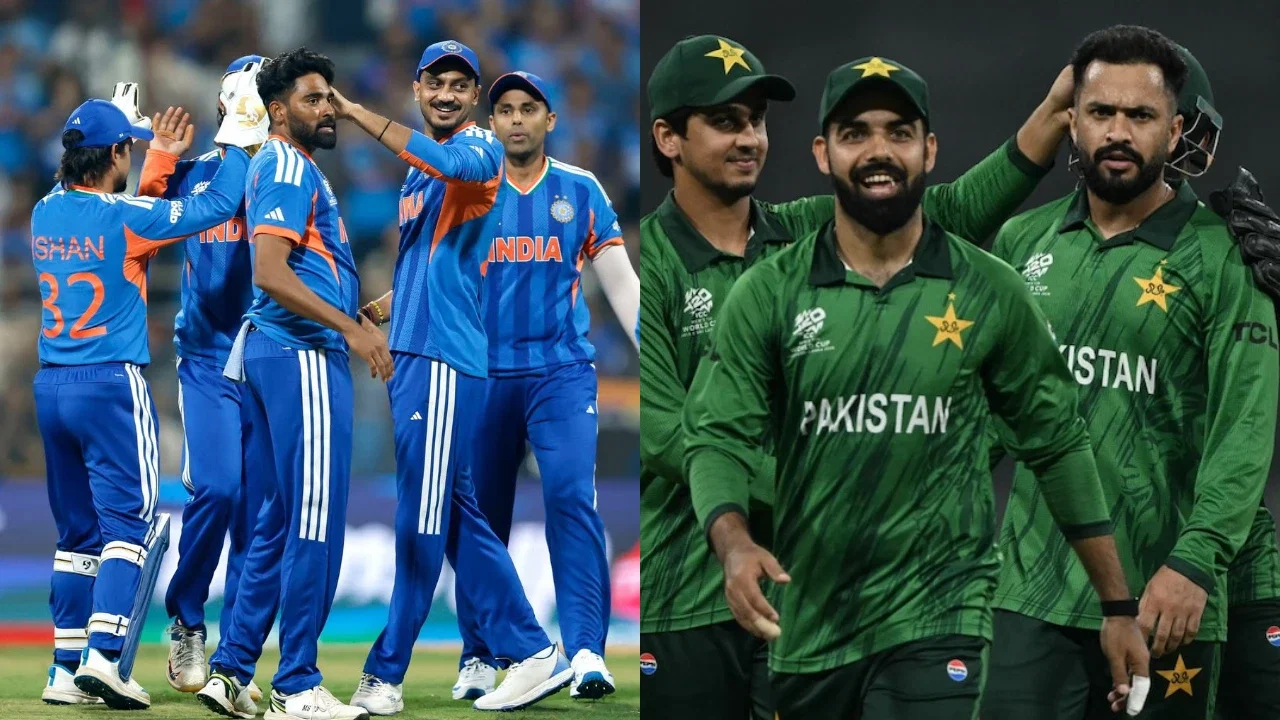
India Confirms Participation in 2027 South Asian Games in Pakistan
The rivalry between India and Pakistan in any sport is always intense, but when it comes to cricket, the atmosphere reaches a whole new level. With the upcoming South Asian Games 2027 set to be held in Pakistan, the big question on everyone’s mind was whether India would travel to their neighboring country to participate.
Recently, reports in Pakistani media confirmed that India has indeed confirmed its participation in the competition, marking a significant development in the sporting relations between the two nations. Pakistan is gearing up to host the 14th edition of the South Asian Games from April 3 to 11, 2027, marking its return to hosting the region’s premier multi-sport event after almost two decades.
Reviving Sporting Culture in Pakistan
The last time Pakistan hosted the South Asian Games was back in 2004, during the 9th edition held in Islamabad. This upcoming event is expected to not only boost the country’s revenue but also contribute to the revival of its sporting culture, showcasing Pakistan as a capable host for international events.
28 Sports on Display
The 2027 South Asian Games will be spread across three major cities in Pakistan – Islamabad, Lahore, and Peshawar, with Islamabad serving as the main venue for the opening ceremony. A total of 28 sports are set to be featured in the competition, including athletics, swimming, cricket, wushu, boxing, hockey, wrestling, badminton, squash, football, and volleyball.
Athletes from Bangladesh, Bhutan, India, Maldives, Nepal, Pakistan, and Sri Lanka are expected to participate, making it a truly diverse and competitive event. The South Asian Olympic Council (SAOC) Executive Committee, chaired by Pakistan Olympic Association (POA) President Arif Saeed, has officially given the green light for the schedule and structure of the Games.
Overcoming Diplomatic Hurdles
Despite the longstanding diplomatic tensions between India and Pakistan, the Indian representatives have dismissed concerns about non-participation in the South Asian Games. The delegates from India participated in the SAOC Executive Committee meeting via video conference, showing their support for the event being hosted in Pakistan.
With Lahore and Islamabad set to host the majority of competitions and the closing ceremony, the sporting ties between India and Pakistan face another test in the upcoming cricket match. While there have been no bilateral series between the two countries since 2013, the upcoming South Asian Games could serve as a platform for renewed sporting exchanges between the arch-rivals.
In conclusion, the confirmation of India’s participation in the 2027 South Asian Games in Pakistan not only highlights the spirit of sportsmanship but also presents an opportunity for both countries to engage in healthy competition on the field, setting aside political differences for the love of the game.
The Impact of Prediction in Sports
One aspect that adds intrigue to sporting events like the South Asian Games is the element of prediction. Predictions in sports have become a popular phenomenon, with fans, pundits, and even experts trying to foresee the outcomes of matches and tournaments. As India confirms its participation in the 2027 South Asian Games in Pakistan, the predictions around the event are also gaining momentum.
From predicting the winners of individual events to foreseeing the overall performance of participating countries, sports prediction adds an additional layer of excitement for fans. The rivalry between India and Pakistan, especially in cricket, makes the predictions for their matches even more intense. Will India maintain its dominance, or will Pakistan rise to the occasion on home turf? These are the questions that fuel the predictions and discussions leading up to the event.
The Role of Technology in Prediction
Advancements in technology have revolutionized the way sports predictions are made. Data analytics, artificial intelligence, and machine learning algorithms are now used to analyze past performance, player statistics, and various other factors to make informed predictions. These technological tools provide a more scientific approach to predicting sports outcomes, offering insights that were not possible through traditional methods.
With the 2027 South Asian Games approaching, sports enthusiasts are turning to these technological advancements to make their predictions. Whether it’s forecasting the medal tally of each country or predicting the winners of specific events, technology is playing a significant role in shaping the expectations and anticipation surrounding the competition.
The Psychology of Prediction
Aside from the technical aspects, the psychology behind prediction also plays a crucial role in sports. Fans often develop emotional attachments to their favorite teams or athletes, influencing their predictions. Cognitive biases, such as confirmation bias or optimism bias, can also impact how individuals make predictions, sometimes leading to unrealistic expectations or skewed perceptions of outcomes.
As India and Pakistan gear up for the South Asian Games, the psychology of prediction comes into play. Fans on both sides of the border are likely to have strong opinions and biases when it comes to predicting the performance of their respective teams. These emotional and psychological factors add an element of unpredictability to sports events, making them even more captivating for spectators.
Building Bridges Through Sports
Despite the intense rivalry between India and Pakistan, sporting events like the South Asian Games have the potential to serve as platforms for building bridges and fostering goodwill between the two nations. While political differences may persist, the spirit of sportsmanship and healthy competition can often transcend boundaries and bring people together.
As India confirms its participation in the 2027 South Asian Games in Pakistan, it signifies a step towards using sports as a means of promoting unity and understanding. The athletes from both countries coming together to compete in a spirit of fair play and camaraderie can send a powerful message of solidarity, showcasing that sports have the power to transcend geopolitical tensions.
In conclusion, as the preparations for the 2027 South Asian Games continue, the predictions, technological advancements, psychological aspects, and the underlying message of unity through sports all contribute to making the event more than just a competition. It becomes a platform for celebrating diversity, fostering sportsmanship, and showcasing the positive impact that sports can have on society.
Latest News
Top 10 highest run-chases in T20 cricket history, ft. West Indies’ Ranchi win vs India
Aaryavir Sehwag and Anvay Dravid set to make headlines at U19 Asia Cup 2026

Longest ducks in Test cricket history ft. Nic Maddinson, Shoaib Akhtar

ECB to offer 39 central contracts to England players after Ben Stokes, Mark Wood’s retirement
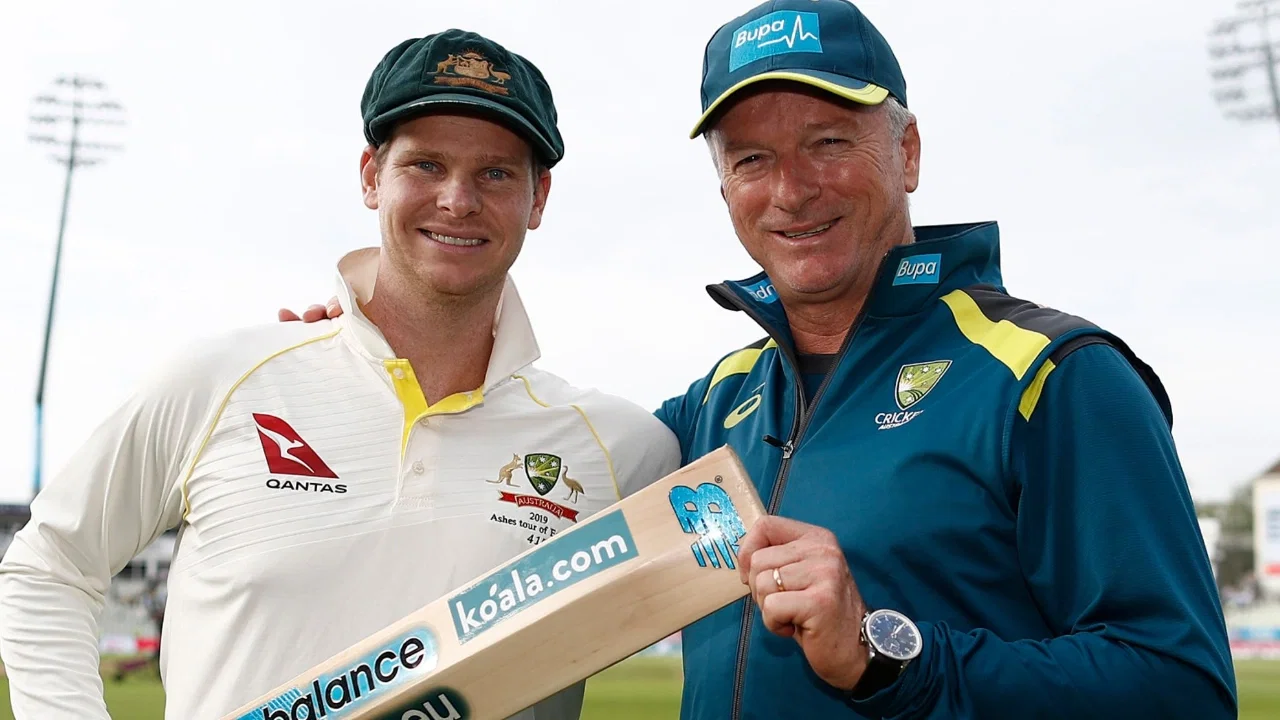
Steve Smith surpasses Steve Waugh in all-time Test run-scorers’ list

Shane Watson identifies Gautam Gambhir’s biggest problem as India struggle for consistency
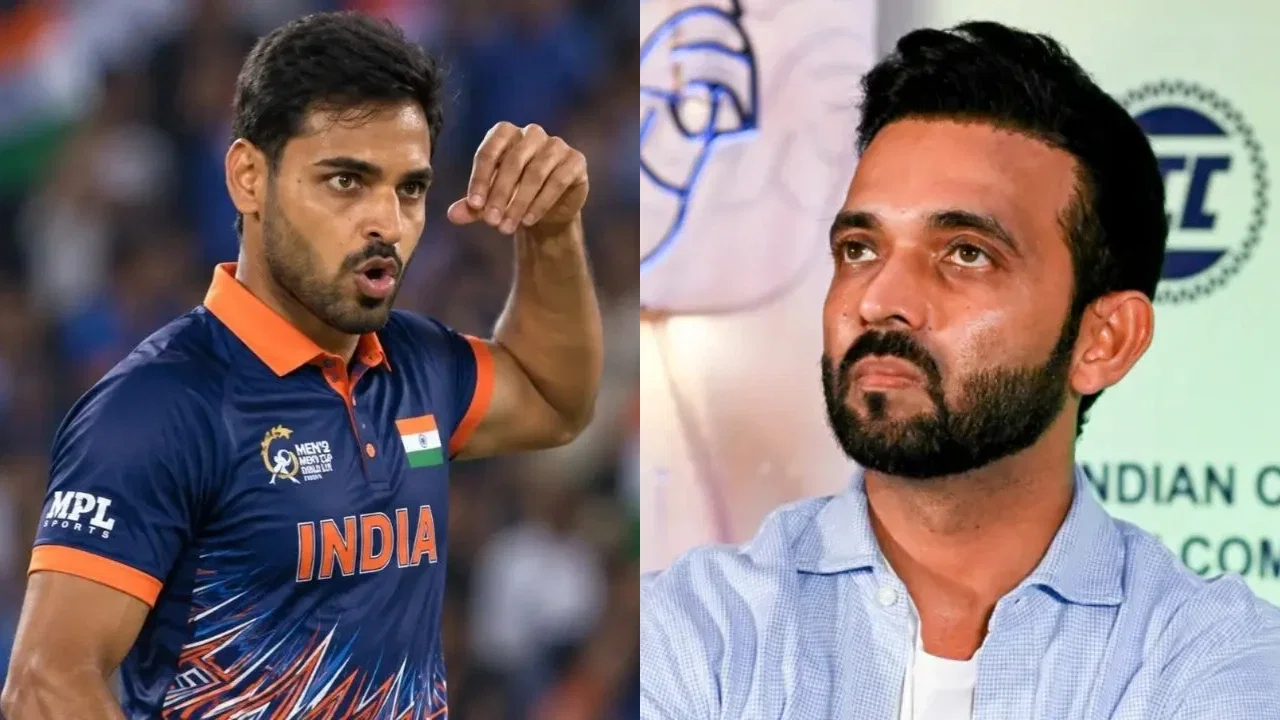
Is Bhuvneshwar Kumar in India’s 2027 World Cup plans? Ajinkya Rahane makes revelation

BCCI’s big ₹127 Crore move after injury crisis raises concerns over Team India

Parthiv Patel reveals RCB ignored his Jasprit Bumrah recommendation in IPL 2014 Auction
“Never spoke ill of any faith”: Irfan Pathan hits back at fake news using his name

Nic Maddinson bags 33-ball duck on Test comeback, disappoints George Bailey
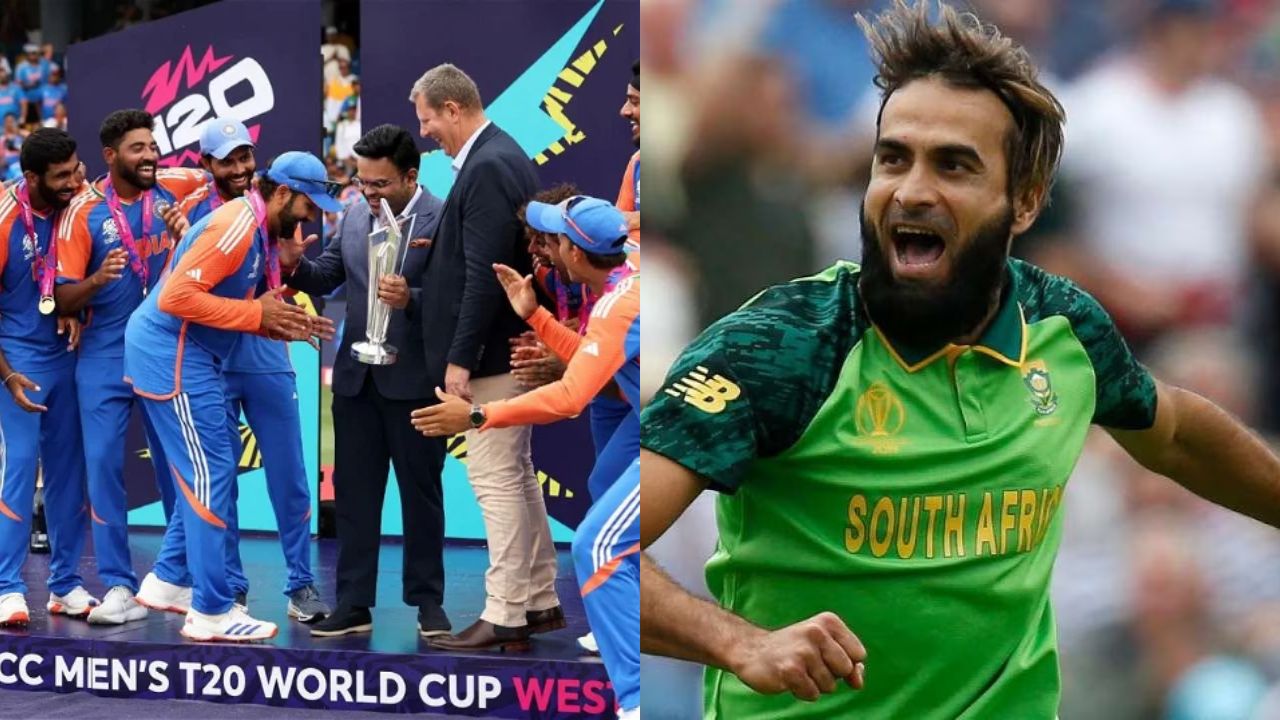
Imran Tahir predicts 2027 ICC ODI World Cup Semi-Finalists, snubs India for title
Australia create unwanted history with first all-30-plus Test XI
Ravindra Jadeja returns to Ranji Trophy as Saurashtra announce squad